


Stained glass work lives and dies by edge quality. A clean, smooth grind means tight foil seams, snug lead lines, and pieces that actually fit when you lift them off the light table. Pick the wrong grinder and you spend an hour wrestling with one piece that should have taken ten minutes. The right tool feels like a natural extension of your hand.
The category breaks into three groups: full benchtop grinders (the workhorses for any real studio), compact hobby units (great for small spaces and lighter workloads), and accessories like diamond bits and grinding jigs that upgrade an existing setup. Beginners usually want the first grinder that won’t fight them, while experienced artists care about torque, bit range, and long-term durability. The picks below cover all three angles, from entry-level workhorses to studio-grade powerhouses, plus the bit sets and helpers that round out a stained glass bench.
A Snapshot Of The Selections

Gryphon Gryphette Glass Grinder

ASG Nick’s Grinder Mate for Glass Grinding

Ecarke Diamond Grinder Bit Set for Stained Glass (4 Sizes)

Funrous 1 Pcs Glass Grinder Bits for Stained Glass, 1 Inch
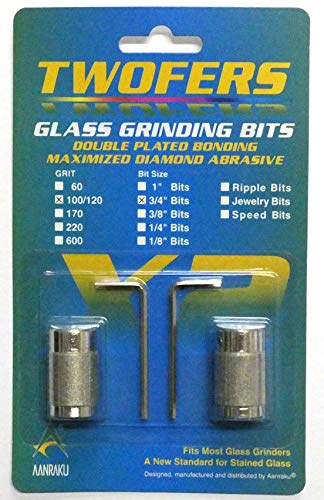
Aanraku Glass Grinding Bit 3/4 Inch Twofers Stained Glass Mosaic

Inland Craft WizCG Glass Grinder

Gryphon Studio Stained Glass Grinder

Jarshtime Glass Grinder Bits 4 PCS Diamond Stained Glass Heads

Inland Craft WizlingCG Glass Grinder
What Each Pick Brings To The Table
The Gryphette has earned its reputation as the gateway grinder for newcomers, and for good reason. It packs a small DC motor into a compact enclosure that fits easily on a corner of a worktable or shared studio bench, yet it stays composed even when you push a 1″ diamond bit through thicker art glass. The footprint is forgiving for apartment crafters, and the price keeps it accessible for a first serious setup.
For students still learning edge pressure and bit contact, that balance matters more than raw power. Compared to the larger Gryphon Studio (item 7), the Gryphette trades torque for portability, but it handles the same everyday glass thicknesses without complaint. Owners commonly report that the basic face shield and small drip tray work fine for short sessions, though serious production artists eventually outgrow the reservoir size.
Practical Advantages
- Small benchtop footprint suits cramped craft rooms and shared classroom spaces
- Stall-resistant DC motor handles 1″ bits on standard art glass
- Lower entry price makes it a common first grinder for new students
- Lightweight build makes it easy to stow between sessions
Things To Consider
- Coolant reservoir runs small, so long sessions mean frequent refills
- Not designed for heavy daily production volumes
Who It Suits Best
Newcomers, students, and occasional hobbyists who want a reliable starter grinder that won’t intimidate.
Look Elsewhere When
Daily studio output demands the torque and coolant capacity of the Gryphon Studio Grinder further down this list.
The Grinder Mate isn’t a power tool, but it solves one of the most common frustrations in any studio: holding small or irregular glass pieces steady against a spinning bit. The spring-loaded hinge grips glass of varying thicknesses, and the wide base keeps your workpiece square to the grinding head so edges come out consistent. Rubber jaws protect against slippage while sparing your fingertips from the bit.
For anyone who has nervously hovered a pinky finger over a diamond bit, this jig changes the workflow. It pairs well with the Gryphon Gryphette and Inland Craft WizCG covered elsewhere here, and it doesn’t compete with the grinder itself, it makes whatever grinder you own safer and more accurate. The catch is that very large panels still demand freehand work, so the Grinder Mate shines brightest on mosaic-scale and small panel projects.
What Works In Its Favor
- Spring-loaded hinge adjusts to different glass thicknesses without retooling
- Rubber jaws hold pieces firmly and protect fingertips from bit contact
- Wide base keeps the glass at a consistent right angle to the grinder head
- Compatible with most benchtop stained glass grinders on the market
Worth Noting
- Doesn’t help with oversized panels that need freehand grinding
- Adds a setup step compared to freehand technique
Made For
Artists who grind many small pieces and want better accuracy with less finger fatigue.
Consider Something Else When
You work mostly on large architectural panels where a different toolset and freehand technique will serve you better.
This Ecarke set ships four diamond bit heads in the sizes most studios reach for: 1″, 3/4″, 1/4″, and 1/8″. The chrome-plated, hardened construction with a brass core reduces shaft binding, a small detail that prevents the bit from seizing onto the grinder spindle over time. Four matching Allen wrenches come in the box, so you can swap bits without hunting for tools.
Think of it as a starter wardrobe for any grinder. The variety means you can rough out curves with the 1″ head, refine with the 1/4″, and clean tight inside corners with the 1/8″. Owners commonly report that the bits hold their shape across extended use, and the included wrenches make bit changes much faster. The standard frosted abrasive surface is the industry baseline, so compatibility with common grinders is solid.
Everyday Advantages
- Four sizes cover rough grinding, edge refinement, and tight inside corners
- Chrome-plated, hardened surface holds up under regular studio use
- Brass core reduces shaft binding during long grinding sessions
- Allen wrenches included for quick bit changes at the bench
Trade Offs
- Standard 100-grit surface, fine work may call for a separate smoother bit
Key Specs
Right Fit For
Studio owners who need to replace worn bits or expand a single-bit grinder into a more versatile setup.
A Better Fit Elsewhere
You want a wider bit variety plus a spare included, in which case the Jarshtime 4-pack covered later offers similar size coverage.
Sometimes you just need one good bit. The Funrous delivers a single 1″ diamond grinding head with copper construction and a double-plated diamond surface, sized to fit most standard stained glass grinders. The double plating is the key detail: it helps prevent the abrasive layer from peeling away from the core, which is a common failure mode on cheaper bits.
This is a replacement part, not a full kit, so it makes sense for a studio whose 1″ bit has finally worn smooth. The 1″ size is the workhorse for rough shaping on most art glass, so a fresh one can noticeably speed up a project. The honest read is that you’ll still want a smaller bit for detail work, which is where the multi-size sets on this list come in.
Where It Delivers
- 1″ head handles the rough shaping and curve work most studios do daily
- Double-plated diamond surface resists peeling during heavy use
- Copper core offers a sturdy, long-wearing foundation
Points To Note
- Single-bit format, so detail work requires a separate small bit
- Lacks included wrenches for swapping
Best Suited To
Anyone whose grinder’s original 1″ bit has worn down and needs a quick, single-size replacement.
Reach For A Different Pick When
You want bit variety out of the box, the Ecarke four-size set on this list covers more ground in one purchase.
Aanraku is a well-known name in stained glass supplies, and the Twofers pack ships two 3/4″ regular grinder bits in a single box. The 3/4″ size is a studio favorite for medium curves and general edge work, sitting comfortably between the rough-shaping 1″ heads and the detail 1/4″ and 1/8″ bits. Two bits means one stays on the grinder while the other waits as a spare.
The format is refreshingly simple in a market full of elaborate multi-size kits. If your workflow leans heavily on 3/4″ work, having a backup prevents the mid-project scramble when a bit finally gives up. Owners commonly report that these bits fit most popular grinder brands without modification, which makes them a safe grab for mixed studios.
Useful Touches
- Two-pack format keeps a spare ready for the next swap
- 3/4″ size handles medium curves and general edge grinding well
- Fits most major grinder brands out of the box
A Few Limitations
- Only one size, no coverage for rough 1″ or fine 1/8″ work
Who Should Grab It
Regular stained glass artists who rely on 3/4″ bits and want to keep a ready spare on the bench.
Skip It When
You need full size range coverage, the Ecarke or Jarshtime 4-packs on this list serve a broader workflow.
The Inland Craft WizCG is the smaller sibling in Inland’s grinder family, and at roughly 7 pounds it’s the kind of tool you can carry to a class, a friend’s garage, or a weekend workshop without thinking twice. The 115V motor delivers 30 oz-in of torque, which is enough for steady grinding on standard art glass without bogging down. Both 3/4″ and 1/4″ 100-grit diamond bits come in the box, so you can start working right away.
The lightweight, rustproof, impact-resistant body is built for the realities of a shared studio where tools get bumped and moved. It runs only on 115V power, so you need a standard North American outlet. For a hobbyist who values portability over raw power, the WizCG strikes a sensible balance compared to the bigger WizlingCG covered later.
Where It Helps
- 7-pound carry weight fits mobile workshops and class settings
- 30 oz-in torque handles standard art glass without stalling
- Two starter bits included (3/4″ and 1/4″) for immediate use
- Rustproof and impact-resistant shell holds up to studio wear
Honest Caveats
- 115V only, not compatible with 220V regions
- Smaller reservoir means more frequent water refills than larger studio grinders
Quick Facts
Perfect Match For
Mobile artists, classroom instructors, and hobbyists who need a portable grinder that still delivers proper torque.
Swap It Out When
You want the larger reservoir and stronger torque of the Inland Craft WizlingCG for heavier studio output.
The Gryphon Studio is the bigger, beefier sibling to the Gryphette, and it’s where the brand earns its studio reputation. The motor is the most powerful in its class, and Gryphon specifically engineered it to resist stalling even under firm pressure on thicker glass. Rugged construction, a standard clear face shield, and flexible spray guards come together to handle long production days.
The gravity-fed coolant tower is the kind of detail that only matters once you’ve used one, it keeps water flowing to the bit without manual intervention, so you can focus on the edge rather than the drip tray. This is the grinder that bridges the gap between hobby and professional work, and it pairs naturally with any of the bit sets covered on this list. For someone running a real studio, the upgrade from the Gryphette is meaningful.
Strong Points
- Stall-resistant motor handles heavy pressure on thick art glass
- Gravity-fed coolant tower keeps water flowing without constant refilling
- Rugged construction suited to daily studio production
- Clear face shield and flexible spray guards included
Potential Drawbacks
- Larger footprint demands a dedicated bench space
- Higher entry price than compact hobby grinders
- Overkill for occasional or casual use
Whose Shelf It Belongs On
Working studio artists and serious hobbyists who need reliable, daily-grind performance and motor headroom.
Where A Sibling Pick Shines
You only grind occasionally and would benefit more from the smaller footprint and lower cost of the Gryphon Gryphette.
The Jarshtime 4-pack is built for studios that have already committed to a grinder and want a bit collection that just works. You get four diamond bit heads (1″, 3/4″, 1/4″, and 1/8″) in one box, sized to fit the popular grinder brands including Glastar, Gryphon, Delphiglass, PowerMax II, and Inland models. The 7.9 to 8mm shaft diameter covers most of the standard spindles on the market.
For a shop running multiple grinder brands, that broad compatibility is genuinely useful, no more guessing whether a bit will seat properly. The variety also matches what most studios reach for across a typical day. The honest read is that this is a versatile bit kit, and it’s especially handy as a backup set when your main bit finally wears through mid-project.
A Favorable Mix
- Four sizes (1″, 3/4″, 1/4″, 1/8″) cover most studio grinding tasks
- Fits popular grinder brands including Glastar, Gryphon, Delphiglass, PowerMax II, and Inland
- Standard 7.9 to 8mm shaft diameter suits common spindles
- Useful as a primary or backup bit collection
Possible Compromises
- No included wrenches, so you’ll need your own for bit changes
- Standard grit only, no ultra-fine option in this pack
Best Suited To
Multi-grinder studios and artists who want a single bit kit that fits whichever machine they reach for.
Not Your Match When
You prefer wrench-changing convenience in the box, the Ecarke set includes Allen wrenches for that reason.
The WizlingCG is Inland’s mid-tier grinder, and it sits in a sweet spot for studios that need real daily-grind capability without jumping to a full commercial machine. The 30 oz-in torque from its 115V motor delivers consistent power through shaping and smoothing, and the build quality feels sturdier than the smaller WizCG covered earlier. It’s the kind of tool that disappears into your workflow because it just keeps working.
For artists who have moved past hobby-level projects and are now producing panels at a steady clip, the WizlingCG handles the volume. It still requires 115V power, so non-North American shops need a step-down solution. The trade-off for the stronger motor is a larger bench footprint, but the cooler-running performance and steadier grinding more than pay for the space.
Notable Upsides
- 30 oz-in torque maintains smooth grinding through extended sessions
- Mid-tier build quality suited to consistent studio output
- 115V motor runs cool under regular production loads
What To Weigh
- 115V only, requires step-down transformer for 220V regions
- Larger bench footprint than compact hobby units
Feature Snapshot
The Right Fit
Studio artists producing panels on a regular schedule who need a reliable mid-tier grinder that won’t quit mid-project.
Where Another Pick Suits Better
You mostly do lighter hobby work and would prefer the portable, lower-priced Inland Craft WizCG instead.
Choosing A Grinder That Fits Your Studio
The right grinder depends less on spec sheets and more on how you actually work. A student finishing one panel a month has completely different needs than a working artist producing multiple commissions weekly, and the gap shows up in motor strength, reservoir size, and bit range more than anywhere else.
Motor Torque And Power Delivery
Torque is the twisting force that keeps a bit cutting under pressure, and it’s what separates a grinder that bogs down from one that pushes smoothly through thick art glass. Lower-torque compact units handle hobby volumes well, but for studio production you’ll want a motor that maintains consistent RPM even when you lean into the edge. The Inland Craft WizlingCG and Gryphon Studio both deliver the kind of steady power that makes long sessions less fatiguing.
Bit Compatibility And Range
Diamond bits are consumables, and your grinder’s value depends on what fits. The 7.9 to 8mm shaft diameter is the studio standard, and most major brands follow it, but always confirm before buying third-party bits. A bit set like the Jarshtime 4-pack or Ecarke kit lets one grinder cover rough shaping, medium curves, and tight inside corners without constant retooling.
Coolant System And Workspace Size
Grinding glass generates heat, and water keeps the bit from glazing over and the glass from cracking. Gravity-fed towers deliver consistent flow without babysitting, while smaller reservoirs need refills during long sessions. Match the grinder’s size to your bench: a Gryphon Studio earns its footprint in a dedicated studio, while a compact WizCG suits a kitchen-table setup or shared classroom bench.
Voltage And Regional Compatibility
North American grinders typically run on 115V, and using one on a 220V circuit without a proper transformer will burn the motor out fast. Check your shop’s electrical setup before committing to a 115V-only unit. Studios in 220V regions should look for grinders rated for their system or plan on a quality step-down transformer from the start.
What To Watch For Before You Commit
Shopping for stained glass grinders is a category where a few specific missteps can leave you with the wrong tool for years. Here’s what to keep in mind.
Pitfalls Shoppers Hit
The most common mistake is buying a grinder that matches the price point without matching the workload. A compact hobby unit can feel like a bargain until it stalls mid-project, and a studio-grade machine is wasted space if you only grind twice a month. Equally common is skipping bit compatibility checks, the wrong shaft diameter means a brand-new bit is useless. Voltage mismatch is the silent killer, especially for international shops, so confirm electrical fit before anything else.
Where The Extra Money Goes
Higher-tier grinders cost more for specific, tangible reasons. Stall-resistant motors maintain cutting speed under firm pressure, gravity-fed coolant towers keep water flowing without constant attention, and sturdier housings hold up to years of daily studio use. For working artists, those features translate directly into faster workflow and longer tool life. Hobbyists get by fine without them, but anyone producing panels at volume quickly feels the difference.




