Funny thing, the moment you hook up an air impact wrench and squeeze the trigger, the power path starts feeling almost alive. You feed compressed air into the tool, and that air doesn’t just push a part around. It drives a motor, spins a rotor, builds hammer force, and turns that into sharp torque bursts at the anvil. If you’ve ever wondered why it hits so hard instead of just spinning, the answer sits inside that quick chain next.
What Is an Air Impact Wrench
An air impact wrench kicks into action when you need strong turning power fast, and it does that by using compressed air instead of electricity. You hold a tool built for busy hands, and its ergonomic design helps you stay steady during tough jobs.
In pneumatic history, this wrench grew from simple air tools into a trusted shop helper that saves effort and time. It gives you quick torque for loosening tight bolts, so you don’t have to fight every stubborn fastener alone.
Because the air source stays outside the tool, you get a lighter body and a familiar grip. That makes you feel ready, supported, and part of a crew that gets work done with confidence.
How the Air Motor Starts
When you pull the trigger, compressed air rushes into the motor and wakes the wrench up fast.
That pressure pushes on the vanes inside the rotor, so the spin starts right away.
From there, the rotor keeps turning and sets the rest of the impact action in motion.
Air Pressure Activation
Pressure builds quietly inside the wrench, and that stored force is what wakes the air motor to life. When you pull the trigger, you join a system that’s ready, not rushing. Safety activation matters here, because the tool should only respond when you choose it. Pressure modulation helps you feel that smooth handoff from stillness to motion.
- Air from the compressor enters the inlet and settles into the passage.
- The pressure pushes on the internal motor parts and creates the first moving force.
- Clean, steady airflow keeps the start crisp, so you avoid that awkward, half-awake stumble.
You’ll notice the wrench feels controlled, almost familiar, like it’s waiting with you. With proper air pressure, it starts cleanly and stays dependable.
Rotor Spin Initiation
The rotor wakes up the moment air rushes into the motor, and that first burst makes the whole system begin to turn.
You feel the tool come alive as compressed air enters the chamber and pushes on the flat vanes.
Because the rotor sits with rotor eccentricity, the vanes don’t just sit there. They slide out, seal the gaps, and catch the airflow.
That vane seating lets pressure build on one side while the other side stays open, so the shaft starts to spin.
Then the movement feeds itself, and each vane keeps guiding more air into motion.
You get smooth startup, quick response, and the steady pull that helps you belong behind the wrench, ready for the next fastener.
What Happens Inside the Hammer and Anvil
Inside the hammer and anvil, you’ll see the hammer spin fast until it catches the anvil and snaps forward with a hard strike.
That hit sends energy straight into the socket drive, so you get a sharp burst of torque instead of a slow push.
Then the hammer resets and repeats the cycle, which keeps the wrench hammering away with impressive force.
Hammer Strikes Anvil
A sharp burst of air sets the hammer in motion, and that’s when the real work starts. You feel the tool wake up as the hammer races forward and taps the anvil hard. That hit gives you the punch you need without making the tool feel wild.
- The hammer spins up fast inside the case.
- It slams the anvil in short, strong bursts.
- vibration damping helps you stay in control while material fatigue stays lower.
Because the blows come in quick snaps, you get steady turning force with less strain on your hand. You’re not just driving a socket; you’re part of a tough, reliable team that shares the load.
Energy Transfer Cycle
Each impact cycle starts with a fast burst of compressed air, and that burst does more than just make noise.
You watch the hammer spin, then slam the anvil, and that hit sends stored force into the fastener.
After the blow, the chamber opens again, so fresh air rushes in and builds the next strike.
This energy recycling keeps the tool ready without wasting much motion.
As the air expands, it also drives pressure regeneration inside the motor path, helping the rotor stay lively between hits.
Because you get quick bursts instead of one long push, the wrench can keep torque high while your grip stays steady.
You’re not fighting the tool; you’re riding its rhythm, and that makes heavy work feel a lot more manageable.
How an Air Impact Wrench Creates Torque
Power builds fast in an air impact wrench because compressed air does more than just blow through the tool, it gets turned into torque you can actually use. You feel that change when air pushes the rotor vanes, and the off-center rotor starts spinning with steady force.
Good rotor balancing helps that spin stay smooth, while noise reduction keeps the tool easier to live with on the job.
- Air enters and drives the motor.
- The rotor spins and stores motion.
- The hammer strikes the anvil, and torque jumps to the socket.
That quick hit gives you the muscle to break loose stubborn fasteners. When the air supply stays steady, you get the same solid pull that keeps your work moving and your hands in control.
Why Impacting Beats Steady Rotation
Impacting beats steady rotation because it delivers force in sharp bursts instead of wasting energy on constant spinning.
You feel that difference when the wrench bites and moves stubborn fasteners with less strain.
Steady rotation keeps pushing, but pulse dynamics let each strike build on the last, so your tool stays efficient.
That matters when you want control, not just speed, because the hammer can release energy right when the anvil needs it.
With impact ergonomics, you hold a tool that does the hard work while your grip stays calmer and more confident.
As a result, you get stronger turning power, fewer stalls, and a smoother feel in tough jobs.
Air Impact Wrench Power Flow Step by Step
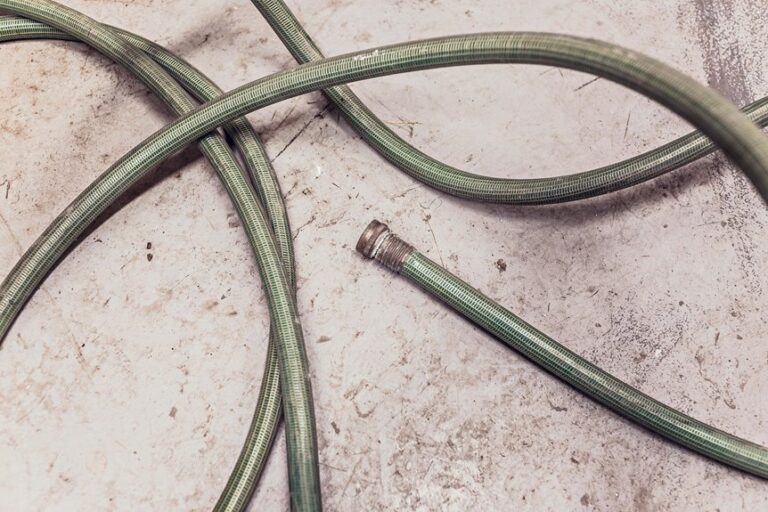
From the moment air hits the tool, the whole job starts to make sense. You plug in the hose, and compressed air moves from the compressor into the wrench. Good compressor sizing matters here, because weak airflow can leave you hanging mid-job. Then the air races through hose routing and enters the motor chamber.
- The air pushes tiny vanes inside the rotor.
- The rotor spins and sends motion to the hammer.
- The hammer strikes the anvil, and that hit turns air power into twisting force.
As you work, each pulse keeps building steady muscle in the tool. You don’t need to wrestle it; you just guide it. With clean, dry air and a clear path, the wrench feels like part of your hands.
What Controls Speed and Torque
Once the wrench is spinning, the next thing you notice is how much control the air system gives you over speed and torque. You guide that control with the trigger, and the tool answers right away.
A light squeeze lets the motor breathe less air, so the speed stays lower and the hits stay gentler. A deeper squeeze opens the path more, and the wrench builds force fast. The air governor helps keep the motion steady, so you don’t get wild surges.
Valve modulation also matters because it shapes how smoothly air enters the motor. That smooth flow lets you match the tool to the job, whether you’re snugging small bolts or driving stubborn fasteners. You stay in charge, and that confidence makes each task feel easier.
How Air Pressure Changes Performance
When air pressure rises to the right range, your impact wrench wakes up and works with much more confidence. You feel the difference right away because steady pressure helps the motor spin faster and hit harder.
If you want that smooth, shared-shop feeling, keep these basics in mind:
- 90 to 100 PSI gives you strong, steady power.
- Good air density supports cleaner flow through the tool.
- Altitude effects can make performance feel softer, so you may need to check supply settings.
When pressure drops, the wrench sounds tired and responds slower. When it stays stable, you get crisp bursts and better control.
Where Torque Losses Happen
Torque starts leaking out the moment the air system can’t keep up. You feel it when the wrench sounds busy but the bolt barely moves.
Then seal wear lets air slip past the motor, and bearing friction steals more of the force before it reaches the hammer. Dirty air and moisture make that drag worse, so each vane has to work harder just to spin.
On top of that, low flow through the hose can make the tool hesitate between hits, and your output drops fast. Even small leaks inside the housing can nibble away at power.
How to Get More Torque From Your Air Impact Wrench
To get more torque from your air impact wrench, you need to keep the air pressure near the tool’s sweet spot, usually around 90 to 100 PSI.
You also want a socket that fits snugly, because a loose or worn socket steals force before it reaches the fastener.
When both air supply and socket fit are right, the wrench can hit harder and work with less strain.
Maximize Air Pressure
Because your impact wrench depends on steady air, the fastest way to get more torque is often not inside the tool at all, but at the compressor and air line feeding it. Set the regulator to the tool’s rated 90 to 100 PSI, then check that your hose diameter stays wide enough to keep airflow strong. If the line is too small, pressure drops before the wrench gets a full push.
- Keep air filtration clean so dirt and water don’t steal power.
- Shorten long hose runs when you can, because every extra foot adds drag.
- Match the compressor’s CFM to the wrench so it doesn’t starve under load.
When you tune these basics, you join the folks who get steady hits and stronger breaks.
Use Proper Socket Fit
A strong air supply only gets you part of the way if the socket can’t hold on tight, so this is where proper socket fit starts to matter.
You want the correct socket because a loose one wastes impact and can slip under load. Pick an impact-rated socket that matches the fastener size, then push it on until you feel snug seating. That firm connection helps the hammer’s force move into the bolt instead of bouncing around inside the drive.
If the socket rocks, wears, or feels shallow, swap it out. You’ll get better torque, less chatter, and fewer rounded corners. When your socket fits right, your wrench feels steadier, and you feel more in control on the job.
Frequently Asked Questions
How Often Should an Air Impact Wrench Be Lubricated?
You should lubricate your air impact wrench before each use, and apply weekly greasing if you use it often. This helps it run smoother, deliver better power, and stay reliable over time.
Can a Long Hose Reduce Impact Wrench Performance?
Yes, a long hose can reduce impact wrench performance. As hose length increases, pressure drop reduces airflow, which can lower torque output. A shorter, wider hose with sufficient CFM will help your tool maintain stronger performance.
Why Does Moisture Damage Pneumatic Tool Internals?
Moisture harms a pneumatic tool by promoting corrosion on metal parts and breaking down seals in moving components. You can help your wrench stay in better condition by drying the air supply, draining lines, and servicing filters on a regular schedule.
What Compressor Size Works Best for an Impact Wrench?
You’ll want a compressor that delivers 4 to 5 CFM at 90 PSI for light jobs, and 8 CFM or more for heavy work. A larger tank helps keep air flowing longer, so you can work without frequent pauses.
Does Reverse Mode Affect Torque Output?
No, reverse mode usually does not reduce your wrench’s power. You should still get strong torque. Reverse torque can feel a little different, and efficiency may change slightly depending on the tool’s design and airflow.