Heavy cutting asks for the right tool, not just a bigger blade. You might be framing a shed, trimming concrete, or trying to keep repeat cuts straight without wrestling the saw all day. That’s where this roundup helps, because each pick serves a different kind of work, from compact cordless jobs to beam cutting and masonry. The strongest choices here are the ones that match your material, your workspace, and how much control you want in hand.
Quick Look At The Shortlist

SKIL 14 Amp 7-1/4-Inch Circular Saw 5180-01

SKIL 16-5/16 In. Magnesium Worm Drive Skilsaw SPT70V-11
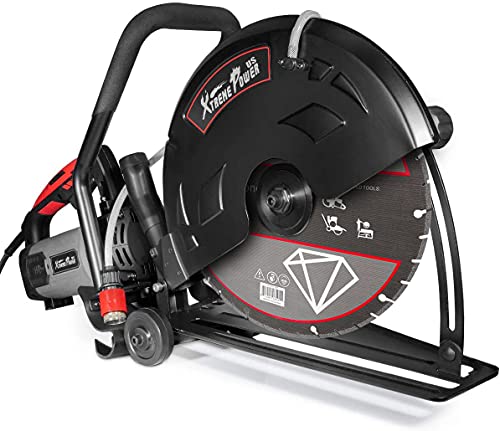
XtremepowerUS 3200W Electric 16 Inch Concrete Cut Off Saw Wet/Dry

Makita XSH04ZB 18V LXT Brushless Sub-Compact Circular Saw

WORKPRO 20V Cordless Mini Circular Saw 4-1/2 In.

Prazi 12 In. Beam Cutter Attachment for Circular Saws

Bora QuickCut Circular Saw Guide with Angle Assist 16 In.

BOSCH CS5 120-Volt 7-1/4-Inch Circular Saw

Makita XSR01Z 36V LXT Brushless Rear Handle Circular Saw
More Details On Our Top Picks
For basic remodeling, this SKIL keeps the pitch simple, a 14 amp corded build with a familiar 7 1/4-inch blade format. That makes it a natural fit for garage projects, shelf work, and the kind of weekend carpentry that needs steady cutting more than fancy extras.
The honest read is that you’re paying for straightforward utility, not a refined feature set. Compared with the more specialized picks below, this one makes sense for general-purpose jobs where dependable output matters more than niche depth or guide accessories.
Strong Points
- 14 amp corded power suits steady shop or home use.
- 7 1/4-inch format keeps blade and accessory support broad.
- Simple setup helps you get to work quickly.
- Good match for routine cuts in plywood, trim, and framing stock.
Small Caveats
- Corded use limits reach far from an outlet.
- The feature set is plain, so you don’t get much built-in guidance.
Feature Snapshot
Who Should Grab It
Home DIYers who want a no-drama corded saw for ordinary cuts will get the most from it.
Skip It When
Makita XSR01Z 36V LXT Brushless Rear Handle Circular Saw suits you better for heavier framing work that benefits from a rear-handle stance and cordless mobility.
This SKIL stands apart because the 16-5/16-inch size pushes into deeper territory than the smaller framing saws in this list. The magnesium body should also keep weight in check for a tool built around thick lumber and long cuts, which matters on a jobsite more than it does in a garage.
You may notice the worm drive layout suits controlled, committed ripping rather than quick overhead work. For carpentry crews or serious remodelers, that trade-off is often worth it, especially when the cut depth is the point of the tool.
What We Like
- 16-5/16-inch blade size supports deeper cuts than standard framing saws.
- Magnesium construction helps keep the body from feeling overly bulky.
- Worm drive setup fits long, straight ripping jobs well.
- Well matched to thicker boards and dimensional lumber.
Worth Noting
- Its size makes it less relaxed for compact tool bags or casual carry.
- The deeper-cut focus is useful, but it’s more saw than many home projects need.
Core Details
Built With In Mind
You’re a strong match for this saw if your work regularly involves heavy framing, beam stock, or thicker lumber.
A Better Fit Elsewhere
SKIL 14 Amp 7-1/4-Inch Circular Saw 5180-01 makes more sense for lighter household cutting and simpler storage.
The concrete-focused build changes the story completely from the wood saws above. This XtremepowerUS is aimed at stone, reinforced concrete, paving, and brick, so it belongs in renovation work where ordinary carpentry saws would be out of place.
Its lighter feel and lower-vibration design are meaningful on longer cutting sessions, because steady control matters when you’re working through hard materials. For masonry tasks, the built-in water line is the detail that makes the setup feel job-ready rather than improvised.
Highlights
- Built for several hard materials, including stone, brick, and reinforced concrete.
- Lower vibration helps reduce hand fatigue during longer cut sequences.
- Wet or dry use broadens the job types it can handle.
- Strong power-to-weight focus suits transport between work areas.
Areas To Watch
- It is specialized gear, so it makes little sense for everyday wood cutting.
- Water-line use adds setup and cleanup steps after the job.
- Storage takes more planning than a compact general-purpose saw.
Details At A Glance
The Right Fit
Contractors and remodelers handling masonry, slab work, or brick are the people who benefit most here.
Where A Sibling Pick Shines
Bora QuickCut Circular Saw Guide with Angle Assist 16 In. suits woodworkers who want straighter guided cuts rather than concrete cutting power.
Compared with the corded SKIL options, this Makita shifts the focus to mobility and easier handling. The sub-compact shape is a real advantage for overhead cuts, punch-list work, and tight spaces where a full-size body can feel awkward.
Because it’s tool only, the setup makes the most sense for someone already inside Makita’s 18V LXT platform. That’s the trade-off, and it’s a fair one for cordless users who value a lighter saw more than a bundled starter kit.
Reasons To Buy
- Brushless motor design tends to support efficient cordless use.
- Sub-compact body helps in tight framing gaps and overhead positions.
- Tool-only format suits existing battery owners who do not need duplicates.
- Good fit for quick, mobile cuts around a remodel site.
Softer Spots
- Tool-only packaging means you need compatible batteries and charger already in hand.
- Smaller 6 1/2-inch format is less suited to deeper stock than the bigger saws here.
Spec Overview
Perfect Match For
Carpenters and remodelers who want a lighter cordless saw for daily carry will appreciate it most.
Look Elsewhere When
SKIL 16-5/16 In. Magnesium Worm Drive Skilsaw SPT70V-11 is the stronger call for thick framing lumber and deeper cutting needs.
This WORKPRO feels built for quick fixes, trim work, and small-site convenience rather than large framing jobs. The included 4.0Ah battery, charger, three blades, and laser guide make it easier to get started right away, which matters for apartment work or home repairs where storage space is tight.
Its 4 1/2-inch blade and short cutting depth keep the saw in a very specific lane. That is not a flaw so much as a boundary, and the boundary helps you avoid overbuying for simple cuts.
Bright Spots
- Compact body stores easily in smaller tool setups.
- Battery, charger, and three blades add convenience for first-time cordless use.
- Laser guide helps with line tracking on short cuts.
- Handy for trim, panel work, and routine repairs.
Points To Note
- Shorter blade size limits how much material it can handle.
- The mini format is less suited to repetitive framing work.
- Battery care and blade changes will be part of regular upkeep.
Quick Facts
Whose Shelf It Belongs On
You’ll get the best value from this saw for light-duty home work, trim, and quick fixes.
Where Shoppers Go Wrong
Makita XSH04ZB 18V LXT Brushless Sub-Compact Circular Saw is the better fit for users who need a more refined cordless saw for frequent jobsite carry.
The Prazi attachment is for a very specific kind of work, and that’s exactly why it earns a place here. It extends cut depth far beyond what a standard saw usually handles, which matters for beam stock, posts, and heavy timber jobs where ordinary blades come up short.
You need a compatible worm drive saw in the 7 1/4 to 8 1/2 inch range, so this is not a casual add-on. For the right setup, though, it can turn an existing saw into a much more capable beam-cutting tool without buying a separate machine.
Best Bits
- Raises cut depth for demanding beam work.
- Works with a defined range of worm drive saws.
- Lets you expand the use of an existing tool.
- Useful for framing crews handling large timber.
Minor Gripes
- Compatibility matters, so you need the right base saw.
- Installation and storage are more involved than with a standard blade setup.
Core Details
Who Will Love This
Framing pros and timber specialists who already own a matching worm drive saw are the strongest fit.
Swap It Out When
BOSCH CS5 120-Volt 7-1/4-Inch Circular Saw is the simpler choice for standard carpentry without attachment complexity.
Some saw setups need more guidance than more power, and this Bora rail is built around that idea. The aluminum guide rail, preset angles from 22.5 degrees to 90 degrees, and combined imperial and metric scale help you keep repeat cuts consistent without improvising a jig every time.
For shelf runs, trim work, or repeat rip cuts in a small shop, that added control can matter just as much as the saw itself. It also changes the experience of using a circular saw, because your tool starts behaving more like a measured layout system.
Positives
- Aluminum rail gives the guide a practical, jobsite-friendly feel.
- Four preset angles help speed up common angled cuts.
- Imperial and metric markings make layout easier across projects.
- Helpful for keeping cuts cleaner than freehand work alone.
Room For Improvement
- It is an accessory, so it only makes sense with a saw you already trust.
- Guides add storage and setup steps that some casual users may not want.
Feature Rundown
The Right Fit
You’ll appreciate this most in a shop or renovation space where repeatable guided cuts matter more than portability.
A Better Fit Elsewhere
Makita XSR01Z 36V LXT Brushless Rear Handle Circular Saw makes more sense for high-torque framing work that needs the saw itself to do the heavy lifting.
The BOSCH CS5 sits in a sensible middle ground for corded use. It shares the common 7 1/4-inch blade format with the first SKIL pick, but BOSCH tends to appeal to shoppers who want a familiar layout with a distinct brand feel.
That makes it a steady choice for garages, remodel jobs, and general carpentry where the cord is not a drawback. You may find it especially useful when you want a straightforward saw that doesn’t ask for a learning curve.
Upsides
- 120-volt corded operation suits consistent shop power.
- 7 1/4-inch blade size keeps replacement options broad.
- Works well for common framing and carpentry cuts.
- Familiar format makes it easier to move between projects.
Things To Consider
- It stays tethered to a power source.
- The design stays practical rather than feature-heavy.
Key Specs
Best Suited To
Weekend remodelers and home carpenters who want a plain, dependable corded saw are a good match.
Another Choice May Suit
Makita XSH04ZB 18V LXT Brushless Sub-Compact Circular Saw is the better call for cordless carry and tighter work zones.
This Makita is built for serious framing work, and the rear-handle shape tells you that right away. Compared with the front-handle corded saws in this roundup, it gives you a stance that feels more natural for long cuts and tougher material handling.
Because it is tool only, you’re looking at a setup for users already committed to Makita’s 18V X2 platform. For crews that care about cordless muscle and balanced control, that trade-off is sensible rather than limiting.
Standout Traits
- Rear-handle layout supports strong control on long cuts.
- Brushless design fits demanding cordless use.
- 36V power setup targets heavy framing work.
- Tool-only format works well for existing platform owners.
Honest Caveats
- It is overbuilt for casual home repairs.
- You need compatible batteries and charger before it becomes useful.
Technical Sheet
Whose Shelf It Belongs On
Professional framing crews and serious remodelers who want cordless power with a rear-handle stance are the right match.
Where A Sibling Pick Shines
BOSCH CS5 120-Volt 7-1/4-Inch Circular Saw is the simpler choice for stationary corded work and lighter project demands.
How To Choose The Right 16 Inch Circular Saws
Match The Tool To The Material
Wood framing, masonry, and guided trimming ask for very different tool shapes. A 16-5/16-inch worm drive saw like the SKIL SPT70V-11 serves thick lumber far better than a 6 1/2-inch sub-compact cordless saw, while the XtremepowerUS concrete cutter belongs in brick and slab work. Start with the material, because blade size alone does not tell the whole story.
That thinking saves you from buying an oversized saw for light trim or a small cordless saw for beam stock. The right match usually feels less dramatic in use, and that’s the point.
Balance Portability Against Cutting Depth
Cordless saws make sense for punch-list jobs, upstairs work, and spaces where a cord becomes a hassle. Corded saws, including the SKIL 14 amp and BOSCH CS5, are easier to keep working through long sessions near a power source. Deeper-cut tools usually get heavier, so the trade-off shows up in handling before it shows up in the spec sheet.
For overhead work or moving around a jobsite all day, lighter tools reduce fatigue. For repeated stock cuts, steady power and more mass often feel worth carrying.
Think About Control, Not Just Power
Rear-handle saws and guide accessories change the way the cut feels. The Makita XSR01Z gives you a rear-handle stance that suits framing control, while the Bora QuickCut guide helps keep straight and angled cuts repeatable. That can matter more than raw output for finish work, since a smoother setup often means less cleanup later.
Attachment compatibility also matters. The Prazi beam cutter only makes sense with the right worm drive saw, so the smartest purchase is the one that fits your existing tools and the cuts you make most often.
Look Beyond The Box
Battery platform, blade availability, storage space, and cleanup all affect ownership. A mini saw like the WORKPRO is easy to keep around, but its depth limits are real, while a masonry cutter asks for more storage and post-job care. Maintenance usually comes down to cleaning dust, checking blade condition, and keeping the tool matched to its intended load.
That practical view helps you avoid overbuying. A well-matched saw tends to feel useful every time you reach for it, and that is worth more than a long spec list.
What To Weigh Before You Decide
Where Shoppers Go Wrong
One common mistake is choosing by blade size alone. A 16-inch class saw sounds powerful, but that means little for small trim jobs or shallow cuts where a compact cordless saw would be easier to handle.
Another trap is ignoring compatibility. The Prazi beam cutter depends on a matching worm drive saw, so the accessory only helps you reach a result you can actually use.
The Upgrade Payoff
Higher-tier tools cost more because they usually bring stronger motors, heavier-duty housings, better control layouts, or specialized cutting geometry. The Makita rear-handle saw and the SKIL magnesium worm drive both show that pattern, since they are built for more demanding cutting than a basic homeowner saw.
Paying up makes sense when you work long days, cut thicker stock, or need a tool that holds its line with less strain. For lighter home use, the extra capability can sit untouched in the case.
Frequently Asked Questions
What makes a circular saw suit 16-inch class work?
Depth, motor strength, and handling matter more than the label alone. You want the saw or accessory to match the material you cut most often.
Are cordless models strong enough for regular framing?
Modern cordless saws can handle a lot, especially on jobsite battery platforms. For long, heavy framing days, a rear-handle or higher-output setup usually feels more comfortable.
Do guide rails really help?
Yes, especially for repeated rip cuts and angled layout work. The Bora guide is useful when clean alignment matters more than speed.
Is a beam cutter attachment worth it?
It makes sense only when you already own a compatible worm drive saw. For heavy timber work, that upgrade can save you from buying a separate specialty tool.
Which option is most practical for home use?
The SKIL 14 amp saw and BOSCH CS5 are the most straightforward general-purpose choices here. They stay closer to everyday carpentry needs than the more specialized picks.
Final Thoughts
You get the best results from a circular saw by matching it to the job, not by chasing the biggest number on the page. For everyday home work, the SKIL 14 amp and BOSCH CS5 are sensible, easy-to-live-with choices. For serious framing, the SKIL SPT70V-11 and Makita XSR01Z bring more muscle and better control. For masonry or beam work, the specialized picks earn their place because they solve problems a basic saw cannot.