20-gallon compressors sit in a useful middle ground, giving you enough air reserve for garage work without asking for a massive footprint. That makes this roundup relevant for home shops, weekend paint projects, tire inflation, and tools that need steadier airflow than a small pancake unit can manage. You’ll also see a few outliers here, including portable tanks and compact inflators, since real garages don’t always follow neat category lines.
The Shortlist At A Glance
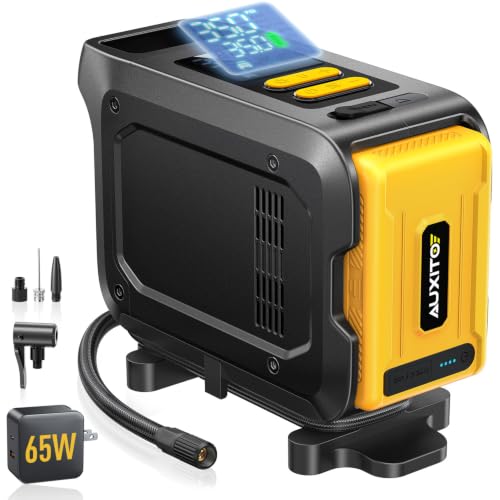
AUXITO 26000mAh Heavy Duty Tire Inflator

Klutch 20-Gallon Air Compressor

Klutch 29-Gallon Air Compressor

VEVOR Air Compressor 20 Gallon Steel Tank

DEWALT 20 Gallon Portable Air Tank

VEVOR Air Compressor 15 Gallon Steel Tank

VEVOR 6.3 Gallon Air Compressor

VEVOR Air Compressor 10 Gallon Steel Tank
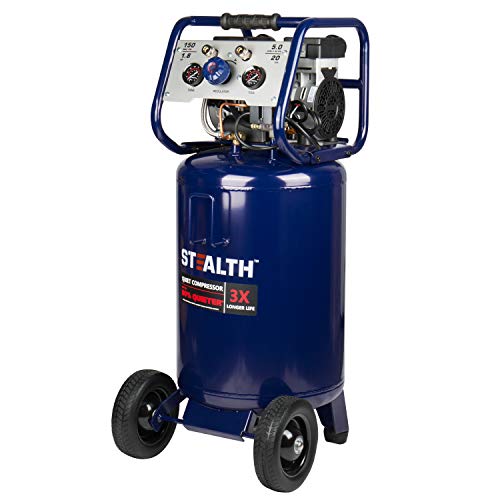
Stealth 20 Gallon Ultra Quiet Air Compressor
More Details On Our Top Picks
The AUXITO unit makes the most sense for drivers who want tire inflation and backup power in the same carry-friendly package. The 26,000mAh battery, 150 PSI ceiling, and 65W fast charging point it toward road trips, truck beds, and emergency kits, though it sits closer to a roadside helper than a garage compressor.
You may find the built-in power station especially useful during camping or long commutes, because one device can serve more than one task. Compared with the plug-in shop models later in this list, it trades tank capacity for portability, which is the right compromise for travel-minded use.
What We Like
- Battery capacity gives you usable backup power, not just a small inflator shell.
- 150 PSI support covers common vehicle tire needs with room to spare.
- Fast charging helps reduce downtime between trips and jobs.
- Compact format suits glove-box storage, cargo bins, or a tow vehicle.
Points To Note
- It’s not a substitute for a tank compressor in a busy garage.
- Battery gear needs periodic charging, so it rewards regular upkeep.
- The tool is more travel-friendly than workshop-friendly, by design.
Feature Card
Who It Suits Best
Road travelers, truck owners, and RV campers who want a portable inflator with backup power will get the most from it.
Where A Sibling Pick Shines
The Stealth 20 Gallon Ultra Quiet Air Compressor suits garage users who need a fixed tank and steadier output for tool work.
This Klutch model lands in the classic 20-gallon sweet spot, where you get enough reserve air for a home garage without jumping into bulky shop territory. The 2 HP motor, 175 PSI max pressure, and 4.2 SCFM at 90 PSI suggest a steady fit for inflation, light impact work, and intermittent tool use.
The vertical, oil-free layout matters more than it sounds at first glance, because it keeps maintenance simpler and takes up less floor space. Compared with the AUXITO inflator, this one is for workbench duty, not roadside duty, and that difference will matter fast once you start running air tools.
Strong Points
- 20-gallon storage gives you a practical buffer for shop tasks.
- Oil-free design cuts down on routine service concerns.
- Large wheels help moving it around a garage feel less awkward.
- Easy tank drainage is handy after repeated use in humid spaces.
- 75% duty cycle points to a unit built for regular, not occasional, use.
Small Caveats
- It still needs wall power, so it stays anchored to the garage.
- 4.2 SCFM at 90 PSI is solid for basic work, but not as brisk as the larger Klutch 29-gallon unit.
- Vertical storage helps footprint, though the taller stance asks for stable placement.
Core Details
Right Fit For
Home garage users who want a straightforward, oil-free compressor for inflation, stapling, and lighter air-tool work will feel right at home here.
Another Choice May Suit
The Klutch 29-Gallon Air Compressor suits you better once your projects start leaning toward longer spray or nail-gun sessions.
Moving from the 20-gallon Klutch to this 29-gallon version gets you more reserve air and a bit more breathing room for longer sessions. The 2.5 HP motor, 175 PSI max pressure, and 5.1 CFM at 90 PSI make the step-up feel aimed at nailing, painting, and tools that appreciate fewer pauses.
The oil-free vertical design keeps the same low-fuss mindset, while the maintenance-friendly drain helps after repeated use. For a garage that sees weekend projects and not just tire top-offs, the extra tank size can feel like a more relaxed pace rather than a dramatic leap.
Highlights
- 29-gallon capacity gives you more air reserve than the 20-gallon Klutch.
- Higher 5.1 CFM at 90 PSI supports better recovery under load.
- Good match for painting and nailing, where steadier airflow helps.
- Large wheels make a bigger tank easier to reposition.
- Oil-free setup keeps maintenance simpler for home shop use.
Worth Noting
- The larger frame asks for more floor space than the 20-gallon version.
- Wall power keeps it tied to one location, so it’s not a carry-anywhere pick.
- The added capacity helps, but the real benefit shows up most with longer tool runs.
Details At A Glance
Built With In Mind
Serious hobbyists and garage tinkerers who want more runtime for painting, nailing, and broader tool use will appreciate the extra room here.
Look Elsewhere When
The VEVOR 20 Gallon Steel Tank model makes more sense for shops that want higher airflow but still need a true 20-gallon footprint.
This VEVOR unit stands out for sheer output in the 20-gallon class, thanks to its 4 HP motor and 10.6 CFM at 90 PSI. That kind of airflow helps in an auto bay or spray-paint setup where you want tools to keep moving instead of waiting around between bursts.
The 78dB noise claim is a meaningful touch for a garage compressor, especially compared with louder shop units that can dominate a workspace. The 220V, 60Hz requirement is the main catch, so it suits a shop with the right power setup more than a casual plug-and-play garage.
Reasons To Buy
- 10.6 CFM at 90 PSI gives it a strong airflow edge for its size.
- 20-gallon steel tank offers a sturdy feel for stationary shop work.
- Oil-free setup keeps day-to-day upkeep simpler.
- 78dB operation is easier to live with than many louder compressors.
- Well suited to tire inflation, spray painting, and auto repair tasks.
Areas To Watch
- 220V power narrows the setups where it makes sense.
- It’s more workshop gear than movable garage helper.
- The stronger output comes with a larger electrical commitment than the smaller Klutch and VEVOR models.
Quick Facts
The Right Fit
Auto repair shops and serious home garages with 220V power will get the most from this higher-output 20-gallon setup.
Skip It When
The Klutch 20-Gallon Air Compressor fits better for standard 120V garage outlets and simpler installation needs.
This DEWALT entry is a little different from the compressor-focused picks around it, because it centers on portable storage rather than active air generation. That makes it useful in a shop setup where you want a transportable reservoir or a simple accessories-oriented solution.
The honest read is that this is for a narrower job than the Klutch and VEVOR compressors above, but that narrower job can still be very useful. For garage users who already have a compressor and just need a portable tank to support air handling, it fits that role cleanly.
Best Bits
- Portable tank format is easy to move and stage where needed.
- DEWALT branding will feel familiar in mixed tool setups.
- Useful as a support piece alongside existing compressed-air equipment.
Honest Caveats
- It’s a tank, not a full compressor, so expectations matter.
- Anyone starting from zero will need a compressor to fill it.
- Its usefulness depends heavily on the rest of your air setup.
Feature Rundown
Whose Shelf It Belongs On
Shop owners and home mechanics who already have a compressor but want portable air storage will get the most use from it.
Where A Sibling Pick Shines
The Klutch 20-Gallon Air Compressor suits you better if you need the full compressor function in one unit.
Dropping from 20 gallons to 15 gallons trims size while keeping a useful amount of air reserve for garage work. The 2 HP motor, 5.3 CFM at 90 PSI, and 125 PSI max pressure create a balanced profile for tire inflation, light repair tasks, and the sort of intermittent tool use that fills a weekend.
Because it stays oil-free and carries the same 78dB claim as the larger VEVOR model, it should feel easier to maintain than old-school oil-lube units. The trade-off is simple enough, less tank than the 20-gallon class, but also less bulk to work around in a tight shop corner.
Positives
- 15-gallon tank keeps the footprint more manageable than a 20-gallon unit.
- 5.3 CFM at 90 PSI gives you solid airflow for the size.
- Oil-free design reduces routine care demands.
- 78dB operation is easier to tolerate in a shared garage.
- Good fit for tire inflation and moderate repair use.
Minor Gripes
- It gives up some reserve compared with the 20-gallon choices.
- Heavy tool sessions will feel more stop-and-start than on the VEVOR 20-gallon model.
- It’s still a stationary compressor, so storage planning matters.
Feature Snapshot
Best Suited To
Garage users who want a middle-size compressor that’s easier to place than a 20-gallon unit will appreciate this one.
Swap It Out When
The Klutch 29-Gallon Air Compressor suits longer spray or nailing sessions better, thanks to its larger tank.
This compact VEVOR leans toward portability and lighter work, which explains why it fits smaller garages so well. The 2 HP motor, 3.35 CFM at 90 PSI, and 116 PSI maximum keep it aimed at tire inflation, nailers, and modest shop tasks rather than continuous air-hungry jobs.
Its intake setup uses a dual-tube, dual-cylinder approach, with silicone and braided steel protection at the hose level, so the design sounds aimed at durability and quicker fill behavior. Compared with the 15- and 20-gallon picks, it gives you less reserve but a much easier place to tuck it away.
Upsides
- Small tank size makes storage and carrying easier.
- Suitable for home tasks like tire inflation and trim nailing.
- Dual-cylinder intake design points to faster fill behavior.
- Protected intake hose materials add a sensible durability angle.
Softer Spots
- The 6.3-gallon tank limits how long it can keep pace with demanding tools.
- 3.35 CFM at 90 PSI is modest compared with the larger compressors here.
- It suits lighter work more than full garage overhauls.
Spec Overview
Who Should Grab It
You’ll like this most for small garages, quick inflation work, and trim jobs where size matters more than reserve.
A Better Fit Elsewhere
The VEVOR 10 Gallon Steel Tank model is the smarter move for you once your projects ask for more stored air.
For a starter garage or an occasional DIY setup, this 10-gallon VEVOR keeps the format manageable without feeling tiny. The same 2 HP motor, 5.3 CFM at 90 PSI, and 125 PSI ceiling as the 15-gallon model make it a sensible entry point for inflation, paint prep, and lighter air-tool work.
That smaller tank is the trade-off, so you should expect shorter run windows than the 20-gallon compressors above. In most home shops, though, the simpler footprint matters just as much as the numbers on the label.
Bright Spots
- 10-gallon tank is easier to fit into cramped storage areas.
- 5.3 CFM at 90 PSI is a respectable figure for light home use.
- Oil-free layout keeps ongoing maintenance lighter.
- 78dB claim helps it stay friendlier to nearby conversation.
Things To Consider
- The smaller tank won’t keep heavier tools fed as long as the 20-gallon picks.
- It works best as a lighter-duty garage machine.
- Steady tool users will likely outgrow it faster than a 20-gallon unit.
Technical Sheet
The Right Fit
Beginning DIY users and compact garage setups will benefit most from the lighter footprint and straightforward setup.
Reach For A Different Pick When
The Klutch 20-Gallon Air Compressor is the better fit once you want a true step up in air reserve.
This Stealth model makes a strong case for quieter garage work, and the 68-decibel claim is the first thing most people will notice. The 20-gallon tank, 150 PSI peak, and 5.5 CFM at 40 PSI / 5 CFM at 90 PSI create a calm, workmanlike profile for shops where noise matters as much as output.
It doesn’t chase the raw output numbers of the VEVOR 20-gallon compressor, and that’s fine because the trade-off points toward a smoother daily experience. The included wheel setup also helps, which is useful once you start moving it around a garage instead of leaving it in one corner forever.
Positives
- 68-decibel operation is easier on the ears in shared spaces.
- 20-gallon size gives you respectable reserve for garage use.
- Oil-free design keeps routine maintenance lighter.
- Wheel support helps with moving it across a shop floor.
- Useful airflow numbers fit common inflation and tool tasks.
Room For Improvement
- It trades some muscle for quiet operation compared with the VEVOR 20-gallon model.
- 1.8 HP is modest beside the higher-powered compressors in this list.
- Quiet performance is the draw here, not the biggest airflow figure.
Core Details
Made For
Garage users who value quieter operation and still want a proper 20-gallon tank will get the best match here.
Another Choice May Suit
The VEVOR Air Compressor 20 Gallon Steel Tank is the better fit when you care more about maximum airflow than lower noise.
How To Choose The Right 20 Gal Air Compressors
Match Capacity To Your Workload
A 20-gallon tank gives you a practical middle ground, but the right choice still depends on what you run most often. Tire inflation and brief nail-gun bursts place a lighter load on the tank, while spray painting and repeated tool cycles ask for more stored air and faster recovery.
CFM, or cubic feet per minute, tells you how quickly the compressor delivers air. That matters more than tank size once tools stay engaged for longer stretches, so a compact tank with stronger CFM can feel more useful than a bigger tank with weaker delivery.
Think About Power And Placement
Some models in this list run on 120V household power, while the VEVOR 20-gallon unit needs 220V and 60Hz, which narrows where it fits. That detail sounds small until you’re standing in a garage with the wrong outlet and a workday waiting.
Vertical tanks save floor space, and that helps in single-car garages or corners crowded with shelves. Horizontal or tank-only options can be easier to stage, but they usually ask for a different setup than a simple mobile cabinet-style compressor.
Quiet Operation Has A Real Trade-Off
Noise matters in attached garages, shared workshops, and homes where the compressor runs near living space. The Stealth model shows how a quieter unit can make daily use less tiring, even though the quieter design may not chase the same output as the louder, higher-powered picks.
Lower noise often comes from design choices that balance speed, motor size, and airflow. You get a calmer workspace, but the compressor may give up a little raw punch, so the better fit depends on whether comfort or maximum output matters more.
Oil-Free Versus More Demanding Gear
Oil-free compressors are easier to maintain because you do not have to monitor oil levels or plan for routine oil service. That simplicity suits home garages, weekend projects, and anyone who wants less fuss between uses.
The trade-off is that oil-free models are often a little noisier or less smooth than more complex designs. For most garage shoppers, the lower maintenance burden is worth that trade, especially when the compressor only sees periodic use.
What To Weigh Before You Buy
Wrong Turns To Avoid
A common mistake is choosing tank size first and airflow second. A 20-gallon tank sounds substantial, but weak CFM can still leave you waiting between tool bursts.
Another misstep is overlooking voltage. A compressor that needs 220V belongs in a shop with the right circuit, not in a garage built around standard household outlets.
What The Higher Tier Buys
Higher-tier models usually spend more on motor output, airflow, quieter operation, and sturdier tank construction. That extra money matters most when you run tools for longer stretches, paint more often, or want a machine that feels less strained under repeated use.
For light inflation and short-duty jobs, the upgrade may not change your day much. For a serious home shop, the better motor and smoother recovery can be worth the step up.
Frequently Asked Questions
What size job suits a 20-gallon compressor?
A 20-gallon compressor fits tire inflation, nailers, staplers, and many home garage tasks. It also gives you enough reserve for short paint or repair sessions.
Do oil-free compressors need less upkeep?
Yes, oil-free designs usually reduce routine service tasks because there’s no oil to monitor or replace. You still need basic care, though, like draining moisture and keeping the unit clean.
Is 120V enough for garage use?
For many home tasks, 120V is enough and keeps setup easy. Bigger output models sometimes move to 220V, which suits a more dedicated workshop.
What does SCFM tell you?
SCFM measures airflow delivered under standard conditions, so it helps you judge how well a compressor keeps up with tools. Higher airflow usually means less waiting during repeated use.
Should you choose a quieter model?
Quiet operation helps a lot in attached garages or shared spaces. The trade-off can be a bit less output, so the right call depends on how close the compressor sits to your daily routine.
Closing Thoughts
The best 20-gallon pick for your garage depends on how you work, not just how much air the tank can hold. The Klutch models feel sensible for general shop duty, the Stealth unit makes the strongest case for quieter use, and the VEVOR 20-gallon compressor suits a more serious power setup. Match the outlet, the tool load, and the noise level to your space, and the right choice becomes much easier.