


Tool shopping gets easier once you separate impact drivers from impact wrenches. The 1/4-inch drivers in this list suit fast screw driving, cabinet work, and tight assemblies, while the 1/2-inch wrenches lean toward lug nuts, brackets, and heavier fastening. That split matters at home, in a garage, or on a jobsite, because the right shape saves you from forcing the wrong tool into the wrong task.
Below, you’ll find compact picks, heavier torque options, and a few kits that suit first-time cordless tool setups. The short version: match the drive size, battery setup, and control features to the work you actually do, not the most dramatic spec on the page.
The Shortlist At A Glance

DEWALT ATOMIC 20V MAX 1/2 in. Cordless Impact Wrench DCF921B

DEWALT 20V MAX XR Cordless Impact Wrench DCF892B

DEWALT 20V MAX Cordless Impact Wrench DCF961B

DEWALT 20V MAX 1/4 Inch Hydraulic Impact Driver DCF870B

DEWALT 20V MAX Impact Driver DCF845D1E1
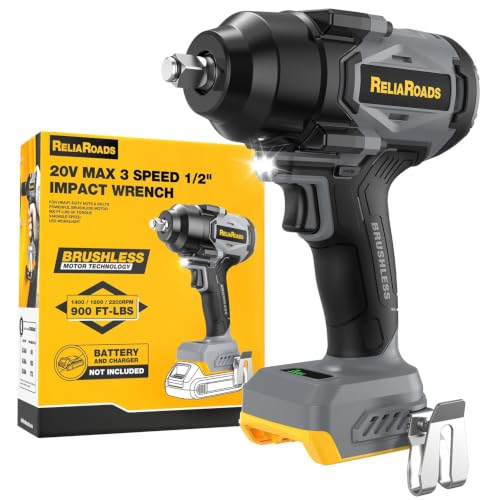
ReliaRoads 900 Ft-lbs Cordless Impact Wrench

DEWALT ATOMIC 20V MAX 1/4 in. Brushless Cordless Impact Driver Kit DCF850P1

BLACK+DECKER 20V MAX POWERCONNECT 1/4 in. Cordless Impact Driver BDCI20B

CRAFTSMAN V20 Cordless Impact Wrench CMCF921B
More Details On Our Top Picks
This compact 1/2-inch wrench fits the person who wants a lighter-feeling tool for tire changes, brackets, and other garage jobs without jumping straight to a bulkier frame. The hog ring anvil gives you a quick socket connection, which matters when you swap sizes often, although it’s not the same as a detent-pin setup for retention feel.
Compared with the bigger DCF961B later in this list, this one reads as the calmer everyday choice. For most home garages, that balance makes more sense than chasing the largest torque number on the page.
Strong Points
- 1/2-inch drive size suits common socket work.
- Hog ring anvil speeds up socket changes.
- ATOMIC form keeps the tool easier to manage in close quarters.
- Feels like a practical fit for routine garage tasks.
Things To Consider
- Tool-only packaging means you’ll need a compatible battery and charger.
- Hog ring retention feels different from a pin-style anvil.
- Heavy-duty suspension or seized fasteners may call for a larger wrench.
Feature Snapshot
Whose Shelf It Belongs On
You’ll get the most from this one as a home mechanic or weekend DIYer who wants a manageable wrench for general maintenance.
Where A Sibling Pick Shines
DEWALT 20V MAX XR Cordless Impact Wrench DCF892B suits you better when you want more control settings for mixed fastening.
The DCF892B stands out for users who want a 1/2-inch wrench with more tuning headroom than the simpler ATOMIC model above. The detent-pin anvil feels more secure for socket retention, and the belt clip is handy on ladders, under hoods, or in a busy service bay.
Its four-speed layout and precision wrench mode point to a more deliberate style of work. That makes it a stronger fit for people who move between delicate fastening and stubborn hardware, although the extra control only matters when you actually need that range.
What We Like
- Four-speed setup gives you more control over fastening speed.
- Precision wrench mode helps with careful tightening tasks.
- Detent-pin anvil offers a more locked-in socket feel.
- Belt clip helps during hands-busy work.
Worth Noting
- Tool-only format adds another battery decision to your setup.
- The extra modes matter most for users who will actually switch them.
- Detent-pin sockets can feel slower to swap than a hog ring.
Quick Facts
Right Fit For
You’ll like this best as an experienced home mechanic or trade helper who wants more control than a basic wrench offers.
Swap It Out When
DEWALT ATOMIC 20V MAX 1/2 in. Cordless Impact Wrench DCF921B makes more sense for simpler garage work and a lighter carry.
This is the beefier DEWALT wrench in the group, built for people who routinely face stubborn fasteners and need more output than the DCF921B can reasonably promise. The brushless motor, meaning the tool uses an electronic motor design without traditional brushes, usually translates to better runtime efficiency and less maintenance fuss around worn brushes.
For truck work, equipment repair, or suspension jobs, that extra muscle can be the difference between steady progress and repeated pauses. The honest trade-off is size and weight, so it suits serious fastening better than overhead or all-day light-duty use.
Highlights
- Brushless motor supports efficient power delivery.
- Hog ring anvil keeps socket changes quick.
- High-torque build suits stubborn hardware.
- Strong match for demanding garage work.
Areas To Watch
- More output usually means a larger, heavier tool in hand.
- Tool-only packaging leaves battery planning up to you.
- It can feel like too much wrench for basic household tasks.
Spec Overview
Best Suited To
You should look here for heavier DIY repairs, roadside work, or shop-style fastening that needs a stronger wrench body.
Another Choice May Suit
DEWALT 20V MAX XR Cordless Impact Wrench DCF892B fits better for mixed work that benefits from more control modes.
The DCF870B shifts the whole category in a softer direction, because hydraulic impact drivers use fluid damping inside the mechanism to reduce the harsh hammering feel. That’s useful in finished spaces, late evening work, or any room where a traditional impact driver sounds like a hammer on a metal pan.
Compared with the DCF850P1 below, this one is less about compact punch and more about controlled feel. You may find it especially pleasant for cabinet installation, trim work, and interior projects where noise and vibration matter nearly as much as speed.
Bright Spots
- Hydraulic action softens the usual impact feel.
- Brushless design suits repeat use in a workshop.
- LED halo ring helps brighten the work area.
- Battery-free listing keeps the tool choice lean.
Softer Spots
- Battery is not part of the package.
- Hydraulic style is more about control than raw punch.
- Owners often prefer it for indoor work, not heavy framing.
Core Details
Who Should Grab It
You’ll appreciate this most in apartments, finish carpentry, or indoor renovation work where a calmer tool feel matters.
Look Elsewhere When
DEWALT ATOMIC 20V MAX 1/4 in. Brushless Cordless Impact Driver Kit DCF850P1 suits you better when compact size matters more than quieter action.
This kit makes sense for someone starting a cordless setup or replacing an older driver with a package that already includes the battery and charger. The 3-speed layout gives you a little more control than a single-speed basic driver, which matters on decking, shelving, and assembly work where you don’t want every screw driven the same way.
Relative to the bare-tool DEWALT models in this list, the appeal here is convenience rather than niche performance. It’s a sensible middle road for home projects, and that makes the trade-off easy to understand, since you’re paying for a fuller starter bundle instead of a stripped-down tool.
Best Bits
- Battery and charger are included in the kit.
- Three speed settings help with different fastening jobs.
- Good entry point for a first cordless tool.
- Compact driver format works well around furniture and shelves.
Minor Gripes
- Kit packaging adds bulk compared with a bare tool.
- Three speeds are useful only when you switch between them.
- Not the most specialized choice for hard-hitting mechanical work.
Details At A Glance
Made For
You’re looking at a strong match for household projects, apartment tool kits, and anyone who wants a ready-to-use driver setup.
A Better Fit Elsewhere
DEWALT ATOMIC 20V MAX 1/4 in. Brushless Cordless Impact Driver Kit DCF850P1 fits better for tighter spaces and a more compact footprint.
ReliaRoads aims squarely at users who want a high-output 1/2-inch wrench that works with DEWALT 20V MAX batteries, which is handy if your garage already leans that direction. The three-speed setup gives you some room to tailor the tool to different fasteners, though the bigger appeal is plain force for stubborn hardware.
Compared with the DEWALT DCF961B, this one puts more emphasis on cross-compatibility than brand-matched ecosystem polish. That makes it worth a look for practical users, though tool-only packaging means your battery planning still matters.
Reasons To Buy
- High stated torque suits demanding fastening jobs.
- Three speeds help tame the output when needed.
- Battery compatibility widens its appeal for some garages.
- Brushless design is a good sign for efficient operation.
Points To Note
- Tool-only setup means no battery in the box.
- The output level may be more than you need for basic household use.
- Compatibility focus helps only when your battery system already matches.
Feature Card
Built With In Mind
You’ll get the most out of this on demanding garage jobs where you already own the right batteries and want a strong wrench body.
Where A Sibling Pick Shines
CRAFTSMAN V20 Cordless Impact Wrench CMCF921B suits you better if you want a simpler brand-native wrench setup.
This compact ATOMIC kit is the one that makes tight spots feel less awkward, especially in cabinets, between studs, and around appliance installs. The 1,825 in-lb torque figure and 3,250 rpm speed point to a serious small driver, while the variable 3-speed trigger helps you slow things down for delicate finishing work.
It also includes a 3-LED work light, which sounds minor until you’re reaching into a dark corner behind a vanity or sink base. Compared with the quieter hydraulic DCF870B, this one is more about compact speed and everyday driving power than reduced sound.
Positives
- Compact body helps in narrow or awkward spaces.
- Brushless motor supports efficient, repeat-friendly use.
- Three speed settings help match the task.
- Included battery and charger make the kit more complete.
- Three-LED light improves visibility in dim work areas.
Small Caveats
- Kit size makes storage a bit larger than a bare driver.
- The compact shape helps most where access is limited.
- Torque and speed still need good bit control to avoid overdriving soft material.
At A Glance
Who Will Love This
You’ll appreciate this most for remodels, furniture assembly, and any project where a smaller driver has to earn its keep.
Not Your Match When
DEWALT 20V MAX 1/4 Inch Hydraulic Impact Driver DCF870B makes more sense when low-noise indoor work matters more than compact speed.
The BDCI20B keeps the formula straightforward, which is exactly why it works for light home projects, basic shelf installs, and occasional repair work. It’s a 1/4-inch driver, so the tool is aimed more at screws and assembly than at the heavier fastening jobs covered by the impact wrenches in this roundup.
That simplicity also means less to learn, less to carry, and less to fuss over in storage. For a garage that sees an occasional weekend project, that can be enough, though the trade-off is obvious once you compare it with the more feature-rich DEWALT kits above.
Upsides
- Simple 1/4-inch format suits common screw-driving tasks.
- Tool-only packaging stays lean for existing battery owners.
- Easy to keep in a small tool bag or drawer.
Room For Improvement
- Basic format offers less control than higher-tier drivers.
- Tool-only setup asks you to own a compatible battery system.
- Not the right move for heavy mechanical fastening.
Technical Sheet
The Right Fit
You’ll suit this best as a casual home fixer who wants a straightforward cordless driver for basic assembly and repair work.
Where Another Pick Fits Better
DEWALT ATOMIC 20V MAX 1/4 in. Brushless Cordless Impact Driver Kit DCF850P1 makes more sense for tighter spaces and stronger all-around performance.
The CRAFTSMAN V20 wrench is the straightforward, no-drama option for someone who wants a familiar 1/2-inch tool without chasing extra layers of control. That makes it a solid garage companion for tire work and general maintenance, especially in a home setup where simplicity tends to be a virtue.
It sits near the center of this roundup rather than at either extreme. Compared with the DEWALT DCF892B, it gives up the extra control features, but in exchange it stays easy to understand and easy to slot into an existing V20 system.
Best Points
- 1/2-inch drive suits common wrench jobs.
- Simple tool-only format keeps the focus on the wrench itself.
- Good fit for routine maintenance and garage use.
- Brand-matched V20 setup is easy to place in an existing tool system.
Honest Caveats
- Tool-only packaging means accessory planning stays on your side.
- Less feature-heavy than some DEWALT alternatives here.
- Best for regular use, not the most demanding mechanical work.
Feature Rundown
Perfect Match For
You should place this on the short list for home mechanics who want a simple wrench and already work inside the V20 family.
Consider Something Else When
DEWALT 20V MAX XR Cordless Impact Wrench DCF892B suits you better if extra speed control and precision mode matter more.
How To Choose The Right 20v Cordless Impact Drivers
Drive Size Sets The Job
Start with the drive size, because that separates screw driving from socket work before anything else matters. A 1/4-inch impact driver suits fasteners, decking, cabinet installs, and general assembly, while a 1/2-inch impact wrench is built for sockets, nuts, and heavier hardware.
That choice is the difference between a tool that feels natural and one that feels forced. For garage use, many people keep both types in mind, since a driver handles wood and trim while a wrench handles wheels and brackets.
Control Features Matter More Than Fancy Names
Speed settings, precision modes, and trigger feel all shape how the tool behaves in real work. A 3-speed or 4-speed setup gives you more room to adjust for delicate screws, stubborn fasteners, or repetitive assembly.
Hydraulic models add a smoother impact feel, which helps indoors or in finished spaces. That extra refinement usually comes with a shift away from raw punch, so the right choice depends on whether you want gentler control or heavier force.
Battery Setup Can Save Time
Bare tools fit people who already own compatible batteries, while kits suit first-time setups and replacement purchases. Tool-only packaging often keeps the box lean, but it also means your usable setup depends on what’s already in the garage.
That trade-off is easy to overlook until you want to start a project and discover you still need chargers or another pack. Matching the tool to your battery system keeps the whole setup more practical.
Body Size And Access Shape Comfort
Compact impact drivers matter in cabinets, between studs, and under sinks, where a few lost inches can turn into a frustrating angle. A smaller body also tends to feel easier overhead, especially during longer install days.
Heavier wrenches make sense for torque-heavy work, but they’re not the same kind of comfortable. For mixed home use, a compact driver often earns more shelf time because it slips into more situations.
What To Weigh Before You Choose
Common Shopping Slip Ups
Many people focus on torque first and skip drive size, which is how a wrench ends up in a screw-driving role it doesn’t suit. Another common miss is buying a bare tool, then remembering the battery platform doesn’t match the rest of the garage.
Socket retention style matters too. A hog ring and a detent pin both work, but they feel different during repeated swaps, so the better choice depends on how often you change sockets.
The Upgrade Payoff
Higher-tier models usually cost more because they add control modes, brushless motors, stronger housings, or more complete kits. Those extras matter most in regular use, where a tool gets picked up every week instead of just a few times a season.
Spending up makes sense for finish carpentry, automotive work, or long project lists. For occasional assembly or one-off repairs, a simpler driver often covers the need without adding clutter.
Frequently Asked Questions
What is the difference between an impact driver and an impact wrench?
An impact driver uses a 1/4-inch hex chuck for screws and bits, while an impact wrench uses square-drive sockets. That difference decides whether you’re driving fasteners or turning hardware.
Do you need a brushless motor?
Brushless motors usually bring better efficiency and less wear from brush maintenance. For frequent use, that’s a practical advantage.
Are bare tools a bad choice?
Bare tools make sense when you already own compatible batteries and chargers. They’re less useful for a first-time cordless setup.
Why does a compact body matter?
A compact tool fits better in tight spaces and overhead work. That can make installation tasks feel less awkward.
Which drive size should you start with?
A 1/4-inch impact driver is the better starting point for most home fastening tasks. A 1/2-inch wrench makes sense once your work shifts toward sockets and larger hardware.
Closing Thoughts
The right cordless impact tool depends less on raw output than on the work sitting in front of you. A compact 1/4-inch driver makes daily home projects easier, while a 1/2-inch wrench belongs in a garage that sees lug nuts, brackets, and tougher fasteners. Once you match size, control, and battery setup to your routine, the choice becomes much clearer. The best tool is the one that feels ready on the day you reach for it.




