


A stubborn first layer can turn a good print into a messy restart, and that’s exactly where the right leveling kit earns its keep. You’re probably here because you want fewer manual tweaks, steadier bed contact, or a simpler way to keep an Ender or CR-10 style machine on track. The picks below focus on hardware that suits real desktop 3D printer setups, from auto-sensing probes to silicone mounts and spring replacements. Some are better for hands-off convenience, others for a firmer, lower-maintenance bed setup.
Quick Look At The Shortlist
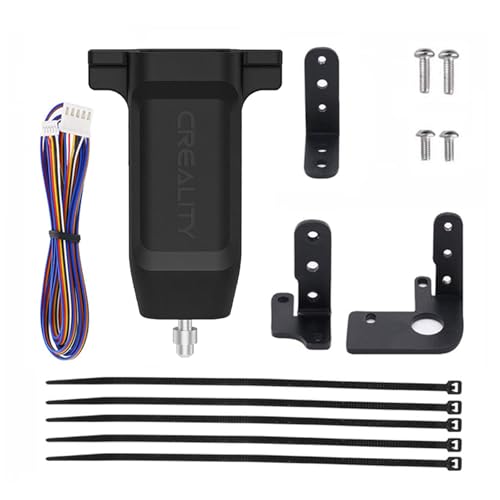
Lutyr Offilial CR Touch Sensor Kit

Befenybay Upgraded Hand Twist Leveling Nut 4PCS
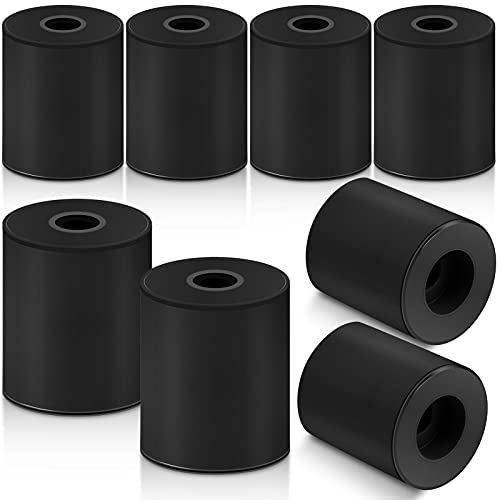
Frienda 8 Pcs Silicone Solid Column

Filament Friday E-Leveler 2 Electronic Bed Leveling Tool
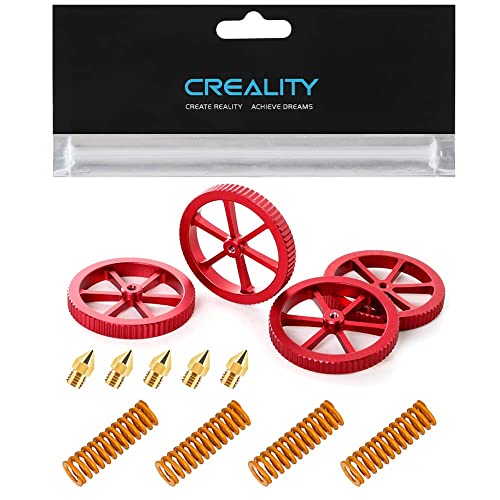
Creality Metal Leveling Nuts with 20mm Springs

Xyembu 16 Pcs Silicone Bed Mounts
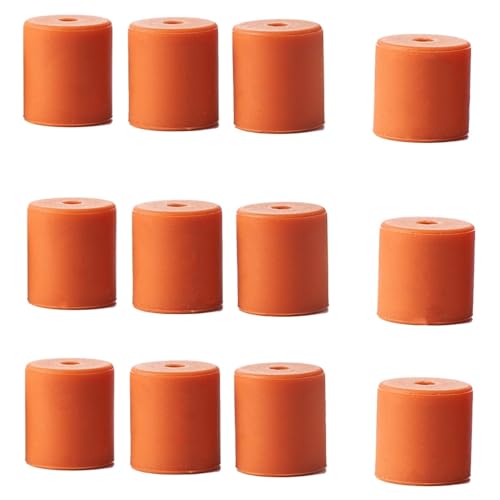
TIEXYE 12Pcs Silicone Bed Mounts

Honoson 8 Pcs Silicone Solid Bed Mount

TEQStone Upgraded 3D Touch V3.2 BL-Touch Replacement
More Details On Our Top Picks
The draw here is simple, you get auto bed leveling support for a wide spread of Creality-style machines, including several Ender and CR-10 variants. For a daily printer sitting in a hobby room, that kind of sensor-based setup can cut down on the ritual of rechecking corners before every job. The trade-off is the added install complexity, so this fits tinkerers more naturally than someone who wants a bare-minimum parts swap.
Compared with the spring-and-silicone options later in the list, this one leans toward convenience and repeatability rather than purely mechanical support. The listing also ties it to 32-bit V4.2.2 and V4.2.7 mainboards, which matters because board compatibility is where many upgrades turn into headaches. You get the most value here when your printer already lives in regular rotation and you want the bed routine to feel less fussy.
Strong Points
- Sensor-based leveling helps reduce repeated manual corner checks.
- Fits a broad group of Ender and CR-10 style printers.
- Matches specific 32-bit mainboard versions, which narrows compatibility cleanly.
- Good fit for a machine that prints often and needs steadier first layers.
Things To Consider
- Installation takes more patience than a simple spring or spacer swap.
- Board and frame compatibility deserve a careful pre-purchase check.
- The extra electronics can feel like overkill for a lightly used printer.
Feature Card
Who It Suits Best
Ender and CR-10 owners who want automatic leveling support and already feel comfortable checking board compatibility will get the cleanest fit here.
Where A Sibling Pick Shines
Creality Metal Leveling Nuts with 20mm Springs suits you better when you want a simpler mechanical refresh instead of adding a sensor and more wiring.
Some setups just need a tighter, more predictable manual adjustment, and that’s the lane this Befenybay kit fills. The 22 mm nut size, spring hardware, and M3 x 35 mm screws point to a straightforward bed hardware refresh for a standard hotbed or platform. You may find it most useful on a printer that still levels by hand and needs a firmer feel under the knobs.
Compared with the sensor-based Lutyr and TEQStone kits, this one stays refreshingly basic. That simplicity is the upside, especially for a beginner who wants less wiring and fewer parts to route through the frame. The honest read is that it won’t automate anything, but it can make the bed feel steadier and less twitchy during routine setup.
What We Like
- Manual twist control keeps adjustment simple.
- Spring-and-nut hardware suits common hotbed setups.
- Small parts count makes it easy to store as a spare kit.
- Good fit for printers that only need a basic refresh.
Small Caveats
- It still depends on you to level the bed by hand.
- Plastic construction may not feel as rigid as metal hardware.
- Best results depend on matching the screw and bed setup correctly.
At A Glance
Made For
Hands-on hobbyists who want a quick mechanical refresh for a standard hot bed will get the most from this set.
Another Choice May Suit
Frienda 8 Pcs 3D Printer Heat Bed Leveling Parts is a better fit for you when silicone support and a less springy feel matter more than knob feel.
This Frienda set leans into silicone support, which usually matters to you most when the printer sits in a busy work area and vibration control is part of the daily routine. The listed outer and inner diameters point to a solid-column style mount rather than a springy stack of metal parts, so the bed can feel more settled. That steadiness is useful for owners who’d rather replace a few flexy parts than keep chasing bed drift.
Compared with Befenybay’s spring-based kit, this one trades knob feel for a more restrained support column. It also feels more grounded than the E-Leveler 2, which helps as a physical bed support choice rather than a setup aid. The catch is that compatibility still matters, so you’ll want to match the fit to your printer’s mounting layout before replacing hardware.
Highlights
- Silicone construction can feel steadier than loose spring stacks.
- Eight-piece pack gives you a full replacement set.
- Useful for reducing the fuss of repeated bed tweaks.
- Compatible with common CR-10 and Ender 3 bottom-connect layouts.
Areas To Watch
- Fit still needs to match your frame and bed mounting points.
- Silicone mounts are a physical support change, not an automatic leveling fix.
- Black parts can be easy to misplace in a crowded bench area.
Core Details
The Right Fit
You’ll like this set most when you want a simple silicone replacement for a CR-10 or Ender 3 style bed support system.
Skip It When
Befenybay Upgraded Hand Twist Leveling Nut 4PCS is the easier route for you when you want to keep a spring-and-knob setup instead of moving to silicone columns.
The E-Leveler 2 is the kind of tool that makes sense for a printer bench where setup work happens often. Since it’s an electronic leveling aid rather than a permanent bed part, you’re looking at a helper for calibration, not a replacement for your bed hardware. That makes it especially handy for hobbyists who bounce between materials or recheck bed behavior after maintenance.
Compared with the more install-heavy sensor kits, this approach feels lighter and more flexible. It also pairs well with someone who wants more control than a simple spring swap can offer, without committing to a full probe system. The trade-off is that it solves a different problem, so it’s better for calibration-minded users than for anyone just after a fixed mechanical upgrade.
Best Bits
- Electronic format suits repeat calibration work.
- Useful as a bench tool rather than a permanent modification.
- Can fit a tinkering workflow that changes often.
- Helps you approach leveling with more repeatability than eyeballing alone.
Worth Noting
- It is a tool, not a hardware support swap.
- Less useful for someone who only wants a set-and-forget bed fix.
- Calibration gear tends to reward careful storage after use.
Feature Rundown
Whose Shelf It Belongs On
This fits best on the shelf of a hands-on printer owner who likes calibration tools close by and uses them often.
Look Elsewhere When
TEQStone Upgraded 3D Touch V3.2 BL-Touch Replacement is the better match for you when you want a permanent probing system instead of a handheld leveling aid.
Metal leveling nuts and 20 mm die springs point to a firmer, more durable-feeling bed support package than the plastic-tinted manual kits earlier in the list. That matters on an Ender 3 or CR-10 style machine that gets regular use, because stiffer bed hardware can help your adjustment hold its place better between checks. The included 0.4 mm nozzles are a useful add-on, though they’re separate from the bed hardware itself.
This is a sensible step up from Befenybay’s plastic manual kit when you want a more substantial feel under the knobs. It also sits closer to the silicone options than the probe kits do, so you’re still staying in the mechanical camp. The honest read is that it’s not flashy, but it does speak the language of practical upkeep pretty clearly.
Upsides
- Metal nuts tend to feel sturdier than plastic alternatives.
- 20 mm springs give the bed a more grounded support setup.
- Works with several common Ender and CR-10 machines.
- Hand twist design keeps routine adjustment familiar.
Room For Improvement
- Still requires manual leveling attention.
- The added nozzles matter only if you need that spare part.
- Metal parts can scratch or mark up in a crowded tool bin.
Spec Overview
Built With In Mind
You’ll appreciate this most on a Creality machine that gets frequent bed adjustments and benefits from firmer mechanical hardware.
Reach For A Different Pick When
Lutyr Offilial CR Touch Sensor Kit makes more sense for you when automatic leveling matters more than a stronger manual spring stack.
Xyembu takes the silicone-mount idea and spreads it across 16 pieces, with 12 at 18 mm and 4 at 16 mm. That split is handy in a workshop where more than one printer or bed setup needs a matching column size, because you’re not stuck with a single length. The result is a flexible replacement set for owners who value fit matching over a one-part-fits-all shortcut.
Compared with Frienda’s eight-piece set, this one gives you more total mounts and more size variety. It also stays in the same low-drama mechanical lane as the TIEXYE and Honoson picks, which makes it appealing for steady day-to-day upkeep. The trade-off is that you still need to sort through sizes and place the right ones in the right spots, so a quick layout check helps.
Bright Spots
- Two column lengths give you more fit options.
- Silicone buffers can help reduce the loose feel of spring-based hardware.
- Sixteen-piece pack works well for multi-printer benches.
- Useful for owners who like to match parts precisely.
Points To Note
- Sorting the two sizes takes a little attention during install.
- More pieces can mean more chance of misplacing a mount.
- Fit depends on your printer’s actual bed support layout.
Details At A Glance
Best Suited To
Shoppers managing more than one Ender-style printer, or a single machine with a mixed support layout, will get the most from this set.
Where Shoppers Go Wrong
Honoson 8 Pcs 3D Printer Heatbed Leveling Parts is the cleaner fit for you when you only need a smaller replacement batch and don’t want to sort two lengths.
This TIEXYE set fits a familiar slice of Creality-style printers, including Ender 3 V2 and Ender 3 S1 family machines. Because it uses silicone spacers rather than traditional springs, the bed support tends to feel less springy and more settled during normal use. For someone who prints often and doesn’t want to keep fussing with loose hardware, that’s a very practical shift.
It sits close to Frienda and Xyembu in purpose, but the 12-piece count keeps the package more focused. That makes it easier to keep around as a maintenance swap without overbuying parts you may never use. The downside is the same one that follows any silicone mount set, compatibility is the whole game, so the printer model needs to line up.
Reasons To Buy
- Silicone spacers can reduce the loose feel common with older springs.
- Broad Ender compatibility makes the kit easy to place in many setups.
- 12 pieces cover a standard bed support replacement job.
- Good for printers that stay in routine use.
Minor Gripes
- Only works well when your printer model matches the listing.
- Silicone parts are a mechanical change, not an auto-leveling system.
- Less flexible than a mixed-size kit like Xyembu’s set.
Technical Sheet
Perfect Match For
You’ll like this set most if you own an Ender 3 V2 or Ender 3 S1 style printer and want a cleaner bed support swap.
Swap It Out When
Official Creality Metal Leveling Nuts with 20mm Springs is the better route for you when you want a firmer metal-and-spring feel instead of silicone spacers.
Honoson keeps things compact with an eight-piece silicone mount set in two sizes, 0.63 inch and 0.7 inch. That size mix is useful for owners who only need a small replacement batch and want to avoid excess hardware sitting in a drawer. The format also suits a printer that benefits from a more solid bed support than a traditional spring setup can offer.
Compared with Xyembu’s larger 16-piece assortment, this one is the tidier option. It’s also easier to keep in reserve for a single machine, especially in a home workshop where storage space is tight. The compromise is obvious, though, fewer pieces and fewer total options mean you should already know your bed setup before choosing it.
What We Like
- Small count keeps the kit tidy and easy to store.
- Two size options help with common replacement needs.
- Silicone mount style can feel steadier than loose springs.
- Good fit for a focused, no-extra-parts approach.
Areas To Watch
- Eight pieces may be enough for one job, but not much more.
- Fit needs to match your printer’s mounting points.
- Less flexible than the larger Xyembu assortment.
Core Details
Right Fit
This is a neat fit for a single-printer desk setup where you only want the parts you need and nothing extra.
Where Shoppers Go Wrong
TIEXYE 12Pcs Silicone Bed Mounts is the better choice for you when you want broader Ender compatibility and a fuller replacement count.
TEQStone is the most sensor-heavy pick in the group, and the stated +/- 0.005 mm accuracy tells you exactly where it aims. For a printer setup that gets regular tuning or handles detailed work, that level of probing precision is a serious draw. It also ships with four brackets, which helps the install side feel less improvised than a bare sensor swap.
Compared with the Lutyr CR Touch kit, this one reads like the more advanced alternative for compatibility across Ender, CR-10, and Geeetech families. The upside is cleaner probing support for a broader range of machines, while the trade-off is the same one you see with any sensor kit, it asks for more installation care than a simple bed mount change. That’s the honest split: more capability, more setup attention.
Positives
- Probe-based leveling suits users who want a more automated routine.
- Stated accuracy target is appealing for detail-focused setups.
- Four brackets help support the install process.
- Broad compatibility spans several Ender, CR-10, and Geeetech machines.
- Good match for a printer that sees frequent adjustment.
Softer Spots
- More involved to install than silicone mounts or spring kits.
- Compatibility still needs a close look before you commit.
- Sensor systems ask for more care around wiring and mounting.
Feature Snapshot
Who Should Grab It
You’ll get the most from this kit when your printer setup calls for automatic probing and you’re comfortable paying close attention during installation.
Not Your Match When
Honoson 8 Pcs Silicone Solid Bed Mount is the easier path for you when you want a simple physical support swap instead of a probe-based system.
How To Choose The Right 3d Printer Bed Leveling Kits
Match The Kit To Your Leveling Style
A leveling kit should follow the way you already work, not force a whole new routine. Sensor kits like Lutyr and TEQStone suit you when you want automatic probing, while springs, nuts, and silicone mounts fit a hands-on machine better.
Think about how often you touch the bed. A printer in daily use benefits from firmer, more stable hardware or probe-based leveling, while a weekend machine can do fine with a basic spring refresh.
Check Fit Before You Chase Features
Compatibility is the first thing to verify, because Ender 3, Ender 5, CR-10, and S1 families do not always share the same mount pattern or controller board needs. The right-looking kit can still be wrong for your frame, screw length, or mainboard.
That’s also why the product pages matter so much here. The real difference between a smooth upgrade and a stalled project usually comes down to a few exact details, like board version, screw size, or bed support length.
Decide Between Mechanical Support And Probing
Mechanical parts, such as metal nuts, springs, and silicone columns, change how the bed sits and holds tension. Probing systems go further by helping the printer map the bed surface during setup, which can save time on recurring first-layer tuning.
The trade-off is straightforward. Mechanical kits are simpler and easier to install, while probing kits bring more capability but ask for more care during mounting and wiring.
Think About Maintenance In Real Use
A busy workshop tends to expose weak hardware fast, especially parts that loosen, flex, or drift after repeated prints. Silicone mounts and metal springs are appealing because they reduce some of that everyday fuss, while a probe kit can help with repeatability on a machine that stays active.
Storage matters too, especially for spare-part kits. Small sets with mixed lengths or extra brackets are handy only when you keep them organized, so a tidy bin saves time later.
A Quick Reality Check
Common Shopping Slip Ups
The easiest mistake is buying for the printer family name instead of the exact frame and board version. A second common miss is choosing a sensor kit for a setup that really only needs steadier springs or silicone mounts.
Another trap is overlooking the ownership side. More pieces can mean more install time, and more electronic support can mean more setup steps, so the lightest option is not always the simplest choice.
The Upgrade Payoff
Higher-tier kits usually cost more because they solve more than one problem. Sensor-based options add probing hardware, extra brackets, and tighter compatibility targets, while better mechanical kits use stronger materials or more carefully matched sizes.
That extra spend makes sense when your printer runs often or you keep chasing first-layer consistency. For a lightly used machine, a simpler spring or silicone kit often gives you enough improvement without the added complexity.
Frequently Asked Questions
Do you need auto leveling for a small desktop printer?
No, plenty of home printers work well with a good spring or silicone mount kit. Auto leveling helps more when you print often or want less manual adjustment.
Are silicone bed mounts better than springs?
They suit you when you want a firmer, less springy bed support. Springs still make sense when you want easy manual adjustment and familiar hardware.
What should you check before ordering a leveling kit?
Check your printer model, mounting layout, screw size, and, for sensor kits, controller board compatibility. Those details usually matter more than the marketing name on the package.
Is a probe kit harder to install than a bed mount kit?
Yes, probe kits usually ask for more attention because they add electronics and brackets. Bed mount kits are simpler and usually feel more straightforward for first-time upgrades.
Which type works best for frequent printing?
A sensor kit or a firmer mechanical upgrade tends to suit frequent printing better. The right choice depends on whether you want less manual work or just steadier bed support.
Closing Thoughts
The best choice depends on how your printer actually lives on your desk or workbench. A probe kit makes sense when you want more automation, while spring and silicone upgrades are better when you want a calmer, sturdier bed without extra wiring. For many home setups, the sweet spot is the simplest part that solves the problem you keep noticing. Choose the kit that fits your machine and your routine, and the first layer gets a lot easier to live with.




