


Bench grinders earn their keep in garages, basements, and workshop corners where dull edges and rough metal need quick attention. The right setup saves time on chisels, drill bits, blades, rust cleanup, and sharpening jobs that would otherwise pile up. This roundup leans into real shop use, from compact 6-inch options to heavier slow-speed tools and a wet system for finer edge work.
Quick Look at the Shortlist

POWERTEC 6-Inch 150 Grit Grinder Wheel
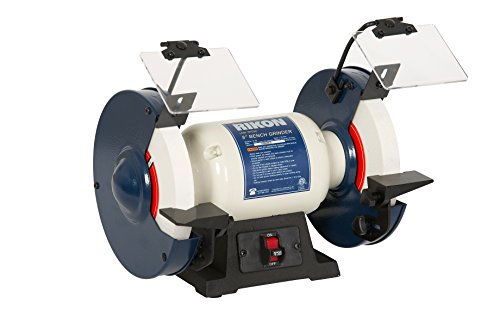
RIKON 80-805 8-Inch Slow-Speed Bench Grinder

BUCKTOOL 8-Inch 3/4HP Low-Speed Bench Grinder

BUCKTOOL 6-Inch 1/3HP Low-Speed Bench Grinder

BUCKTOOL 10-Inch 1.5HP Low-Speed Bench Grinder
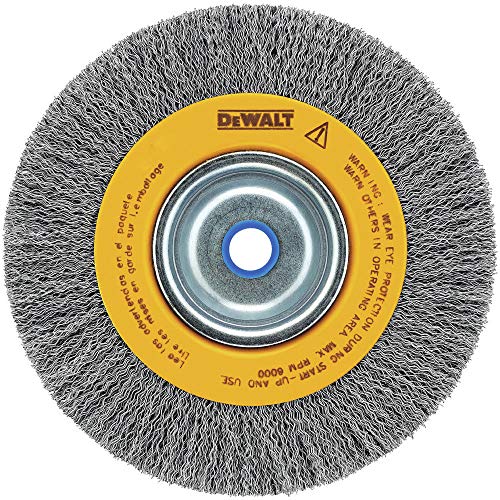
DEWALT 8-Inch Crimped Wire Wheel
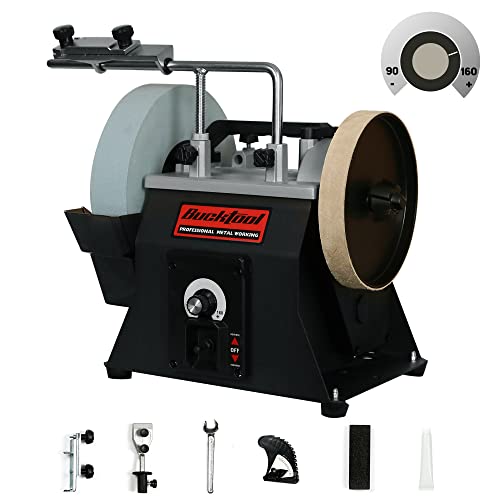
BUCKTOOL 10-Inch Variable-Speed Wet Sharpening System
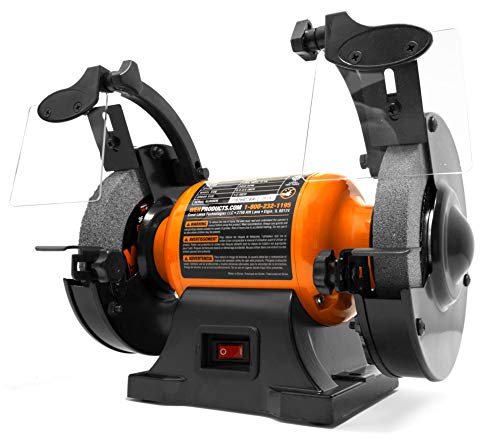
WEN BG4260 6-Inch Single-Speed Bench Grinder
More Details On Our Top Picks
Start here if your grinder needs a fresh wheel rather than a whole new machine. The 6-inch aluminum oxide wheel and 150-grit surface point toward everyday shaping, sharpening, and cleanup work on drill bits, blades, and chisels. The 3/4-inch thickness gives you a sturdier feel than very thin wheels, though it also means this is more about controlled stock removal than delicate edge finishing.
For a garage tool bench or a small machine shop, that balance usually makes sense. Compared with the larger grinders later in this list, this wheel is the quiet utility player, useful when your current setup still has life left in it. One thing worth noting is that wheel compatibility matters, so checking arbor size and grinder fit before replacing parts saves hassle later.
Strong Points
- Aluminum oxide suits general sharpening and shaping tasks.
- 6-inch size works well for many compact grinders.
- 3/4-inch wheel body feels more substantial in use.
- Useful for drill bits, blades, and chisels.
Minor Gripes
- Best as a replacement wheel, not a full grinder solution.
- Check arbor fit carefully before mounting.
Feature Snapshot
Who It Suits Best
You keep a bench grinder running in a home workshop and want a straightforward replacement wheel for routine metal dressing.
A Better Fit Elsewhere
RIKON 80-805 8-Inch Slow-Speed Bench Grinder suits you better when you want the whole tool, not just a wheel, and you sharpen often.
Slow speed matters more than flashy power when you care about keeping edges cooler and easier to control. That makes the RIKON 80-805 a smart fit for sharpening jobs around chisels, knives, and shop tools, especially in a space where you do not want the wheel racing away from you. The anti-vibration rubber feet help it sit more calmly on the bench, which is the kind of detail you notice during longer sessions.
Compared with the POWERTEC wheel, this is a full workstation choice rather than a parts upgrade. It also feels more focused than the bigger BUCKTOOL 10-inch units later in the roundup, which lean harder into heavy material removal. The honest read is that this sits in a very workable middle ground for steady, careful sharpening.
What We Like
- Slow-speed design supports more controlled sharpening.
- Anti-vibration feet help keep bench movement down.
- Good fit for repeated tool maintenance sessions.
- Less frantic feel than faster single-speed models.
- Useful in a garage or small workshop.
Things To Consider
- Slower speed can feel less aggressive for rough grinding.
- Bench space matters because this is a full grinder.
Core Details
Who Will Love This
You sharpen tools regularly and want a calm, stable machine that feels better for careful edge work than a fast roughing tool.
Where A Sibling Pick Shines
BUCKTOOL 8-Inch 3/4HP Low-Speed Bench Grinder suits you better when you want more accessory support for detailed chisel and gouge work.
This one leans into careful sharpening work, especially for chisels, gouges, and axes where control matters more than speed. The 1750 RPM pace, wobble-free wheels, 3W LED, 3X magnifier, and adjustable tool rests make it feel built for close-in work at the bench. In a hobby shop or a home woodshop, those extras can save you from squinting and second-guessing your angle.
Compared with the RIKON, this BUCKTOOL reads as more accessory-heavy and inspection-friendly. It also feels more specialized than the 6-inch BUCKTOOL below, which is a cleaner fit for smaller spaces and lighter chores. You may find the setup especially helpful once you get into repeat sharpening rather than occasional touchups.
Upsides
- 1750 RPM supports deliberate, cooler grinding.
- LED light helps brighten the work area.
- 3X magnifier aids close edge inspection.
- Adjustable rests help with tool angle control.
- Suitable for chisels, gouges, and axes.
Small Caveats
- Accessory-heavy design takes more setup attention.
- More specialized than a plain utility grinder.
Technical Sheet
Built With In Mind
You sharpen hand tools often and want a grinder that gives you light, magnification, and rest adjustment in one bench-friendly package.
Look Elsewhere When
WEN BG4260 6-Inch Single-Speed Bench Grinder fits you better when you want a simpler starter machine with fewer extras to manage.
Small garages often need a grinder that behaves without demanding much bench space, and this BUCKTOOL fits that brief nicely. The 1750 RPM speed, wobble-free wheels, 60 and 80 grit aluminum oxide wheels, eye shield, and spark arrestor make it practical for ordinary sharpening jobs. The spark arrestor is a simple addition, but it helps keep the work area feeling more contained during routine grinding.
Compared with the 8-inch RIKON and 8-inch BUCKTOOL, this one gives up some wheel size for a tidier footprint. That trade-off makes sense for occasional sharpening of chisels, plane irons, axes, and knives. For most home workbenches, the smaller body is the part you end up appreciating every time you move around the shop.
Bright Spots
- 6-inch footprint suits tighter workspaces.
- 1750 RPM keeps the pace more controlled.
- Eye shield and spark arrestor add practical utility.
- 60 and 80 grit wheels cover common tasks.
- Good fit for ordinary household sharpening.
Areas To Watch
- Smaller wheel size means less working surface.
- Not as suited to bigger stock removal jobs.
Details At A Glance
The Right Fit
You want a compact bench grinder for home sharpening, light shaping, and the occasional tool touchup without giving up too much bench room.
Swap It Out When
BUCKTOOL 10-Inch 1.5HP Low-Speed Bench Grinder makes more sense for heavy metal cleanup and larger projects that need more mass.
This is the heavy-duty choice in the group, aimed at larger grinding jobs where a 10-inch wheel and cast iron base can help the machine feel planted. The 1.5HP motor, 13A rating, 1750 RPM speed, adjustable tool rests, and eye shields point to more serious workshop use, especially for rust removal, weld cleanup, and frequent sharpening. In a metalworking corner, that extra mass tends to feel like a workhorse rather than a casual bench accessory.
Compared with the smaller BUCKTOOL 6-inch grinder, this model gives you more presence and room for larger workpieces. The trade-off is that it takes up more space, so it suits a shop that can spare the footprint. For someone who keeps moving between cleanup, sharpening, and edge dressing, that bigger format can save a lot of handholding.
Reasons To Buy
- 10-inch wheel size handles bigger workpieces.
- Cast iron base adds a planted feel.
- Adjustable rests help steady your angle.
- Good for rust removal and weld cleanup.
- Low-speed format supports more controlled work.
Room For Improvement
- Large footprint needs a more committed workspace.
- May feel like more grinder than casual users need.
Core Details
Made For
You handle frequent sharpening, metal cleanup, or weld finishing and want a larger grinder that feels anchored on the bench.
Another Choice May Suit
BUCKTOOL 8-Inch 3/4HP Low-Speed Bench Grinder is the better fit for a smaller woodshop that values light and magnification more than raw size.
This is not a grinder, but it belongs in the same shop conversation because wire wheels change what your bench setup can do. The crimped wire style suits surface prep, rust cleanup, and knocking away loose debris before a finishing step. For metal shelves, brackets, tools, and parts that need cleaning instead of reshaping, it adds a useful second act to your grinder.
Compared with the abrasive wheels above, this one is more about brushing than cutting. That makes it a natural companion piece rather than a stand-alone machine, and it works especially well beside the BUCKTOOL 10-inch grinder or the WEN starter model. The honest read is that wire wheels can shed wear over time, so routine inspection matters.
Highlights
- Crimped wire works well for surface cleanup.
- 8-inch size fits larger bench grinder setups.
- Useful for rusted metal and dirty parts.
- Pairs naturally with a standard shop grinder.
Worth Noting
- Best for cleaning, not sharpening edges.
- Wire wear means regular condition checks help.
Quick Facts
Best Suited To
You already own a bench grinder and want a wire wheel for cleaning metal surfaces before finishing or repainting.
Reach For A Different Pick When
POWERTEC 6-Inch 150 Grit Grinder Wheel fits you better when sharpening and shaping are the main jobs on your list.
Wet sharpening has a different feel from dry bench grinding, and that difference matters most when you care about a cleaner, slower edge process. The water-cooled stone setup, variable speed range from 90 to 160 RPM, two-way rotation, 8-inch leather wheel, and angle jig point toward careful finishing rather than fast stock removal. For chisels and plane irons, that slower approach can feel like putting the brakes on a runaway cart.
Compared with the dry grinders earlier in the list, this is the specialist for fine edge work. It asks for a bit more patience, and the water step adds maintenance, but the trade-off is greater control for finishing tasks. You may find it especially useful in a woodworking shop where sharpness matters more than speed.
Standout Traits
- Water-cooled setup supports fine sharpening work.
- Variable speed gives more control over the process.
- Two-way rotation adds useful flexibility.
- Leather wheel helps with finishing touches.
- Angle jig suits common edge tools.
Points To Note
- Slower pace suits finishing more than rough grinding.
- Water-based use adds cleanup and refill routines.
Spec Overview
Whose Shelf It Belongs On
You sharpen chisels, plane irons, axes, or knives and want a wet system built for careful edge finishing instead of fast grinding.
Where Shoppers Go Wrong
WEN BG4260 6-Inch Single-Speed Bench Grinder suits you better when you want a simpler dry grinder without the extra water-side upkeep.
The WEN BG4260 keeps things straightforward, which is exactly what some garage setups need. Its 2.1-amp motor turns the 6-by-3/4-inch wheels at speeds up to 3450 RPM, so it’s geared toward routine sharpening and general bench work rather than slow, specialty finishing. For a first grinder or a no-frills backup in a crowded shop, that direct approach has real appeal.
Compared with the slower BUCKTOOL and RIKON models, this one is quicker and more basic. That makes it better for folks who want a simple machine without a learning curve, though the higher speed can feel less relaxed on delicate edges. It’s the kind of tool that does its job without asking for much ceremony.
Best Bits
- Simple layout keeps setup easy.
- 6-inch wheels suit smaller benches.
- High-speed operation helps with routine grinding.
- Good entry point for basic shop sharpening.
Honest Caveats
- Single-speed format offers less control flexibility.
- Faster pace may feel less calm for fine edge work.
Feature Card
Perfect Match For
You want a basic bench grinder for home repairs, simple sharpening, and occasional metal cleanup.
Skip It When
BUCKTOOL 10-Inch Variable-Speed Wet Sharpening System is the better route for careful edge finishing and slower control.
How To Choose The Right Bench Grinders
Wheel Size, Speed, And Control
Wheel diameter changes how a grinder feels on the bench. A 6-inch tool usually fits tighter spaces and lighter touchups, while 8- and 10-inch machines give you more working surface for broader contact and steadier handling of larger pieces.
Speed matters just as much. Slower models around 1750 RPM suit careful sharpening, while faster machines like the WEN BG4260 move more quickly and feel better for routine shaping or cleanup. The trade-off is simple, faster usually means less control on delicate edges.
Motor Strength And Workload
Motor size helps determine how comfortably a grinder handles repeated use. A 1/3HP unit suits light home sharpening, while 3/4HP or 1.5HP machines feel better for frequent sessions, heavier stock removal, and bigger metal parts.
Think about how often you use the tool and what you grind most. A garage that sees occasional knife touchups does not need the same muscle as a metalworking bench with rusted brackets and weld cleanup waiting in line.
Accessories That Save Time
Tool rests, eye shields, spark arrestors, lights, and magnifiers are not decorative extras, they shape how easy the machine is to live with. Adjustable rests help you hold a better angle, and lighting or magnification makes small details easier to judge without straining your eyes.
These additions matter most in woodshops and detail-heavy workspaces. The catch is that more accessories can mean more setup and more parts to keep clean, so simpler users may prefer a basic grinder with fewer moving pieces.
Match The Machine To The Job
Sharp edges on chisels and plane irons call for control, not haste. That’s where slow-speed dry grinders and wet sharpening systems shine, while faster models fit rough cleanup and general-purpose work more naturally.
For mixed home use, a balanced 8-inch grinder is often the easiest middle ground. For specialist work, choose the format that matches the job instead of forcing one tool to do everything.
Things Worth Knowing First
Where Shoppers Go Wrong
One common mistake is buying speed without thinking about control. A fast grinder can feel convenient at first, then become awkward on narrow bevels or softer steel.
Another slip-up is ignoring wheel fit, arbor size, and bench space. A grinder that does not match your setup becomes clutter fast, no matter how good the spec sheet looks.
The Upgrade Payoff
Higher-tier grinders usually cost more because of sturdier bases, better stability, and more helpful accessories. Cast iron, anti-vibration feet, adjustable rests, and built-in lighting all add convenience and reduce fiddling during long sessions.
That upgrade makes sense when you sharpen often or work on larger metal parts. For occasional home use, a simpler machine may be enough, and that’s perfectly fine.
Frequently Asked Questions
What size bench grinder works for most home shops?
Six-inch grinders suit compact spaces and lighter jobs. Eight-inch models give you more working room and usually feel easier on longer sharpening sessions.
Why choose a slow-speed grinder?
Slow-speed grinders give you more time to control the edge and reduce the rush of the wheel. They fit sharpening tasks better than fast all-purpose grinding.
Do you need a wet sharpening system?
A wet system makes sense for careful edge finishing on chisels, plane irons, and similar tools. Dry grinders are simpler and better for everyday shop cleanup.
What accessories matter most?
Adjustable tool rests, eye shields, and a stable base make the biggest day-to-day difference. Light and magnification help most in detail work.
Can one grinder handle sharpening and rust cleanup?
Yes, a general bench grinder can cover both jobs with the right wheel. A wire wheel or a dedicated abrasive wheel expands what you can do.
Closing Thoughts
The best bench grinder for you depends on the mix of work on your bench, not just wheel size or motor power. A compact 6-inch model suits simple home sharpening, while a slow 8-inch grinder feels better for careful edge control. Bigger 10-inch machines earn their keep when you handle heavier cleanup or frequent metal work. Choose the setup that matches your routine, and the tool will feel useful instead of crowded.




