


A good benchtop grinder earns its spot in the shop fast, especially when you sharpen chisels, clean up edges, or knock rust off parts on a regular basis. The right pick depends on how much room you have, how delicate your work is, and whether you want a dry grinder, a wet sharpening setup, or a compact buffer-style machine.
Some of these models lean toward quiet, careful sharpening. Others are built for faster material removal or more specialized finishing work, so you can match the tool to the job instead of forcing one machine to do everything.
Quick Look at the Shortlist
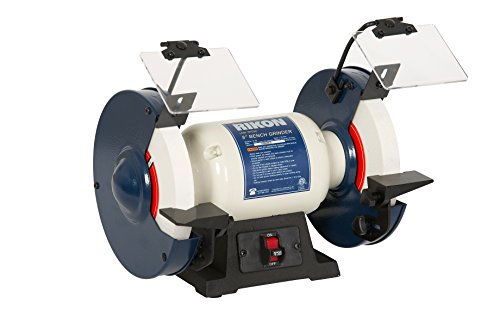
RIKON 80-805 8 Slow Speed Bench Grinder

BUCKTOOL 8 3/4HP Low Speed Bench Grinder

BUCKTOOL 6 1/3HP Low Speed Bench Grinder

BUCKTOOL 10 1.5HP Low Speed Bench Grinder

Mini Bench Grinder with AC Adapter
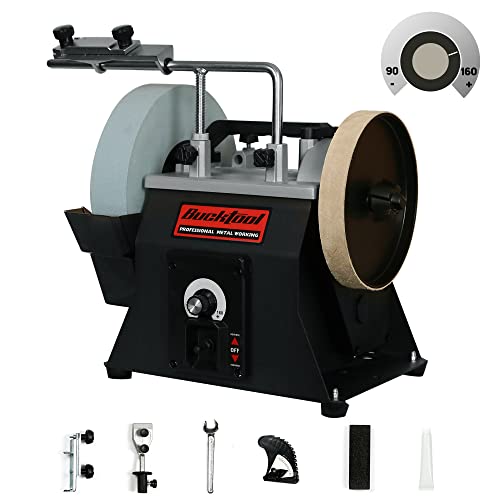
BUCKTOOL 10 1.2A Variable Speed Wet Sharpening System
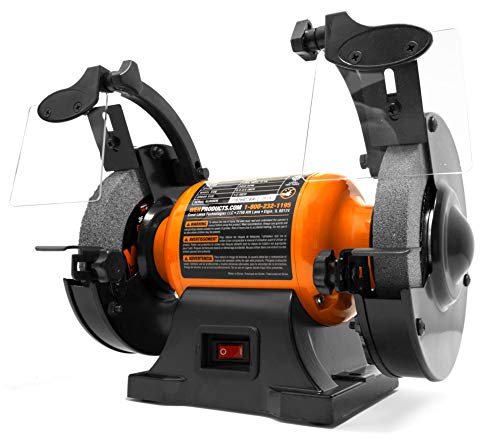
WEN BG4260 2.1-Amp 6-Inch Single Speed Bench Grinder

VEVOR Bench Buffer Polisher
More Details On Our Top Picks
The slow-speed format makes this a sensible starting point for sharpening jobs that need a calmer touch. On a crowded workbench, the anti-vibration rubber feet matter more than they sound, because a steadier base helps your hands stay relaxed during longer sessions.
Compared with the faster WEN model below, this one is aimed less at quick stock removal and more at deliberate edge work. You may find it especially useful for chisels, plane irons, and other tools where control matters more than pace.
Strong Points
- Low-speed operation suits careful sharpening.
- Rubber feet help steady the machine on the bench.
- Good fit for woodshop tools that need a light touch.
- The calmer pace can make setup feel less rushed.
Things To Consider
- It is less suited to fast grinding jobs.
- You will want enough bench room for a stable layout.
Key Specs
Who It Suits Best
You get the most from this pick in a home shop or garage where sharpening is part of regular tool care, not a rush job.
Where Another Pick Suits Better
BUCKTOOL 10 1.5HP Low Speed Bench Grinder makes more sense for heavier, wider workpieces and frequent use.
This one leans into setup help, not just raw grinding power. The 3W LED light and 3X magnifier can make detail work easier in a dim garage, while the adjustable rests give your chisels and gouges a more consistent angle to ride against.
Compared with the RIKON 80-805, you get more built-in guidance for close work, and that can matter a lot for sharpening edges by eye. The trade-off is a busier machine, so you may prefer a simpler layout if you want the least clutter around the wheels.
What We Like
- The light and magnifier help with close inspection.
- Adjustable tool rests add useful angle control.
- Low-speed operation suits sharpening and finishing passes.
- The wheel setup is aimed at steady, repeatable work.
Points To Note
- The added accessories make the setup feel more crowded.
- You will want a tidy bench to keep the work area clear.
- It is more task-focused than a plain grinder.
Feature Snapshot
Who Will Love This
You benefit most here in a sharpening station where fine edge control matters and the task often involves chisels, gouges, or axes.
Swap It Out When
RIKON 80-805 is the cleaner choice for someone who wants a simpler low-speed grinder without the extra visual aids.
The 6-inch size makes this a practical fit for smaller benches or tighter tool areas. It still keeps the low-speed approach of the larger Bucktool pick above, but the smaller footprint can be easier to live with in a garage that already feels crowded.
That smaller wheel size is the main trade-off, since broader tools and larger surfaces may take a little longer to address. For knives, plane irons, and occasional axe work, though, the included eye shield and spark arrestor add a reassuring layer of everyday shop sense.
Upsides
- The smaller frame fits compact workspaces well.
- Low-speed operation supports careful sharpening.
- Eye shield and spark arrestor add practical job-site protection.
- It suits a focused tool-care setup without taking over the bench.
- The wheel pairing is aimed at common sharpening chores.
Softer Spots
- Smaller wheels cover less area per pass.
- It is better for sharpening than for rough grinding.
- Compact machines can feel a little limited on larger tools.
Details At A Glance
Built With In Mind
You get the best match here in a small home shop where the grinder needs to stay out of the way until sharpening day.
A Better Fit Elsewhere
BUCKTOOL 8 3/4HP Low Speed Bench Grinder is the smarter step up for someone who wants more setup help and a larger wheel platform.
The 10-inch wheel format and cast iron base push this model into a more serious shop lane. That heavier base usually appeals to you when the grinder stays in one place and sees repeated use for sharpening, rust cleanup, or weld dressing.
Compared with the 6-inch Bucktool, this machine should feel more anchored and more comfortable for larger tools, though it asks for more bench space. The honest read is that it suits a permanent workstation better than a cramped corner setup.
Reasons To Buy
- The cast iron base helps with stability.
- Large wheels suit broader workpieces and longer passes.
- Adjustable rests improve control during sharpening.
- Eye shields add a useful layer of everyday shop caution.
- Good fit for repeated maintenance tasks.
Room For Improvement
- It takes more bench space than the smaller options.
- The heavier frame is less convenient to move around.
- Large-capacity grinders need a more permanent home.
Core Details
The Right Fit
You benefit most from this model in a fixed shop where larger tools, frequent sharpening, and steady placement all matter.
Look Elsewhere When
WEN BG4260 makes more sense for a lighter-duty setup that needs less footprint and less commitment.
This mini unit is aimed at tiny tasks rather than full-size shop grinding. Variable speed from 2000 to 10000 RPM gives you a wide control range, which can help with jewelry, drill bits, small metal parts, and buffing work that would feel too coarse on a standard bench grinder.
Because it comes with four wheels and an AC adapter, it fits neatly into a hobby bench or craft area. The catch is obvious, the smaller format is not built for larger tools, so you should think of it as a specialty helper rather than a universal grinder.
Highlights
- Wide variable-speed range gives you more control.
- Small body suits hobby tables and craft desks.
- Four-wheel setup adds flexibility for different tasks.
- Handy for detail jobs that need a lighter touch.
Minor Gripes
- It is too small for most full-size shop jobs.
- The main strength is detail work, not heavy grinding.
- Smaller tools can take a steadier hand to control.
Feature Rundown
Whose Shelf It Belongs On
You get the most value from this mini grinder on a craft bench, electronics table, or jewelry station.
Reach For A Different Pick When
BUCKTOOL 6 1/3HP Low Speed Bench Grinder is the better call for traditional sharpening on larger tools and chisels.
This wet sharpening system is built for careful edge care rather than fast stock removal. Water-cooled grinding helps slow heat buildup during sharpening, and the two-way rotation makes the workflow feel more adaptable for different tool shapes and handedness preferences.
Compared with the dry grinders in this roundup, this one asks for a slower pace and rewards patience. In a shop where chisels, plane irons, knives, and axes need clean edges, that slower rhythm can feel like using a fine brush instead of a wide broom.
Positives
- Wet grinding keeps the process more controlled.
- Two-way rotation adds useful flexibility.
- The leather wheel supports finishing passes.
- The angle jig helps hold tools more consistently.
- Good match for edge maintenance on fine tools.
Areas To Watch
- Wet systems usually ask for a more deliberate pace.
- You will need to manage water-related cleanup.
- It is less suited to rough grinding work.
Spec Overview
Built For In Mind
You get the best fit here in a tool-care routine that values edge quality over speed.
Another Choice May Suit
RIKON 80-805 suits a simpler dry-grinding setup for someone who wants less cleanup and a more straightforward bench tool.
The WEN BG4260 keeps things straightforward, and that simplicity is part of its appeal. The 2.1-amp motor turns the 6-by-3/4-inch wheels at up to 3450 RPM, so it leans toward quicker grinding than the slower sharpeners above.
That higher speed can help with everyday cleanup jobs, especially in a garage where you want a no-fuss tool that gets to work quickly. The trade-off is more aggressiveness, so careful hand pressure matters more than it does on the wet Bucktool system.
Bright Spots
- Higher speed suits routine grinding and cleanup.
- Compact 6-inch wheels keep the footprint manageable.
- Simple layout makes it easy to slot into a basic shop.
- Good fit for general-purpose use around the house.
Small Caveats
- Faster wheels demand more careful control.
- It is less specialized for fine sharpening than slow-speed picks.
- Smaller wheel size limits coverage on wider surfaces.
Technical Sheet
Perfect Match For
You fit this grinder best in a home shop where speed and simplicity matter more than delicate sharpening control.
Where A Sibling Pick Shines
BUCKTOOL 6 1/3HP Low Speed Bench Grinder is better for slower, more careful edge work on chisels and knives.
This VEVOR model is more buffer than classic grinder, so it belongs in a finishing-first workflow. With wool, abrasive fiber, and grinding wheels in the mix, it gives you a wider range for polishing metal, jewelry, wood, jade, plastic, or silver without changing categories mid-job.
At 3590 RPM, it has the speed to move through finishing tasks briskly, yet that also means you need a steadier hand than you would on the slower wet sharpener above. The 100 included tools matter most for someone building out a workbench from scratch, although that extra kit also adds clutter you will need to store.
Standout Traits
- Good fit for buffing and surface finishing.
- Wheel variety supports more than one task type.
- The included tool set helps fill out a beginner bench.
- Useful for jewelry and small decorative work.
Worth Noting
- It is more specialized than a standard grinder.
- The higher speed asks for careful control.
- Accessory storage takes some planning.
Core Details
Who Should Grab It
You will like this most in a hobby space where polishing, finishing, and small-detail work matter more than rough grinding.
Skip It When
WEN BG4260 is the simpler choice for someone who wants a straightforward grinder instead of a finishing-focused machine.
How To Choose The Right Benchtop Grinders
Match Wheel Size to the Work You Actually Do
Wheel size changes the feel of the whole machine. Six-inch grinders stay compact and are easier to fit into tight garages, while 8-inch and 10-inch models usually give you a broader working surface and a calmer sharpening rhythm.
That difference matters more than people expect. Bigger wheels are often kinder for chisels, plane irons, and broader edges, while smaller wheels suit occasional household tasks and benches that already carry too much gear.
Choose Speed by the Finish You Want
Low-speed grinders are usually the better fit for sharpening because they give you more control and less aggressive contact. Higher-speed machines can be useful for quicker cleanup, but they also ask for a steadier hand and lighter pressure.
Wet sharpening systems sit in their own lane. They trade pace for edge care, and that slower approach works well for tool users who want a more refined finish on knives, gouges, and plane irons.
Look Beyond the Motor Label
Horsepower and amperage help tell you how hard a grinder can work, but they do not tell the whole story. A cast iron base, adjustable rests, eye shields, and accessory lighting can make the tool easier to live with every week.
That is where work habits come in. A hobby bench needs compactness and easy storage, while a permanent shop often benefits from heavier construction and steadier control surfaces.
Match the Machine to Your Bench Routine
A grinder that sits out in the open and sees regular use should feel stable, reachable, and simple to keep clean. The more often you sharpen or buff, the more a larger base, clearer guards, or built-in aids can pay off in convenience.
For occasional users, smaller machines can make more sense because they do not dominate the workspace. For frequent sharpening, paying for better control usually feels worthwhile because it saves time and reduces frustration.
Before You Click Through
Hidden Buying Traps
A common slip-up is choosing speed before size or use case. That usually leads to a grinder that feels too aggressive for sharpening or too small for the tools you own.
Another easy miss is ignoring workspace. A compact bench can make even a good machine feel awkward, so the footprint matters as much as the wheel diameter.
The Upgrade Payoff
Higher-tier grinders often cost more because they add steadier bases, better wheel support, more helpful adjustment points, or wet sharpening features. Those details matter most in shops where you sharpen often and want repeatable results without constant fuss.
The upgrade makes the most sense for heavier tool maintenance, larger edges, or more exact finishing. For light household use, a simpler grinder usually covers the basics without adding clutter.
Frequently Asked Questions
Are low-speed grinders better for sharpening?
Low-speed models usually give you more control, which helps with careful edge work. They are a strong fit for chisels, knives, and plane irons.
What wheel size should you choose?
Six-inch grinders fit smaller spaces and light tasks well. Eight-inch and 10-inch models suit broader tools and more regular shop use.
Do wet sharpeners replace dry grinders?
Wet sharpeners excel at careful edge care, but they are slower and more specialized. A dry grinder still makes sense for quicker cleanup and general bench work.
Is a higher RPM always better?
Higher RPM helps with faster material removal, but it is not the better choice for every task. Sharpening often benefits more from control than speed.
What matters most in a benchtop grinder?
Stability, wheel size, and the type of work you do matter most. A grinder that matches your bench space and your tools usually feels better to live with.
Final Thoughts
The right benchtop grinder is the one that fits your tools, your bench space, and the pace of your work. A slow-speed model suits careful sharpening, a faster grinder suits basic cleanup, and a wet system earns its place when edge quality matters more than speed. Smaller machines keep things tidy, while heavier ones feel better in a permanent shop. Pick the tool that matches your routine, not the one with the longest feature list. That choice usually feels right every time you switch it on.




