


Choosing among Benchtop Planers Under 500 gets easier once you separate trim work from true stock removal, and that matters whether you’re fitting rough boards in a small garage or setting up a steadier shop corner. Some picks here are handheld planers that make more sense for edge work, while others lean toward bench-duty support, so the useful choice depends on the wood you handle most and how much setup you want to live with.
Quick Look At The Shortlist

Groz No. 6 Fore Plane Hand Planer 60mm Cutter 18 Length Cast Iron Body
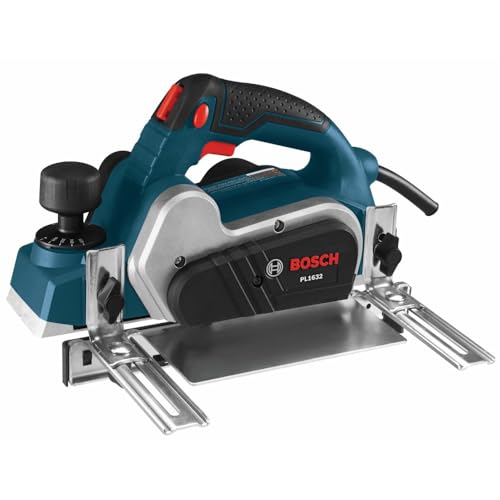
Bosch PL1632 3-1/4 In. Planer

Makita KP0800K 3-1/4 Planer with Tool Case Blue

CRAFTSMAN Hand Planer 6-Amp 5/64-Inch CMEW300

Makita 2012NB 12 Portable Planer

WEN Multi-Purpose Rolling Planer and Miter Saw Tool Stand MSA658T

GreatNeck C4 Bench Hand Plane 9 Inch 2 Inch Cutter Cast Iron Body
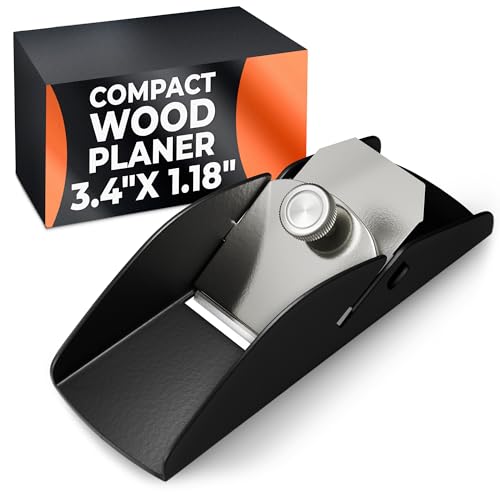
Wood planer Hand Tool 3.4×1.18 Stainless Steel Adjustable Blade Small Wood Shaver Tool
A fore plane like this suits rough boards that need leveling before finer passes, and the 18-inch length gives you more contact across a wide surface. The cast iron body points to solid mass, which usually helps the tool track steadily, though that extra heft also makes long sessions feel more deliberate.
The 60 mm cutter helps cover more width in fewer strokes, so it fits bench work where you want to tame panel high spots without jumping straight to sanding. Compared with the handheld electric picks in this roundup, this one asks for more technique, but it rewards patience with a more controlled, hands-on feel.
Strong Points
- Long body helps bridge uneven areas on wide stock.
- Cast iron construction gives it a steady, grounded feel on the board.
- Adjustable frog lets you set the blade position with more fine control. A frog is the internal support that holds and angles the blade assembly.
- Best suited to flattening and truing tasks before finer finishing work.
Things To Consider
- It asks for hand-plane skill, so casual users may need a learning curve.
- The weight that helps stability can feel tiring during longer sessions.
- Blade care matters, because a hand plane only feels as good as its edge.
Feature Rundown
Whose Shelf It Belongs On
Woodworkers who flatten boards by hand and want more control than a compact electric planer usually provides will get the most from it.
Swap It Out When
Makita KP0800K 3-1/4 Planer with Tool Case Blue suits you better for portable trim work and quicker setup around a busy shop.
After the hand-driven Groz, this Bosch leans into faster material removal for trim jobs, door edges, and cleanup around a home workshop. The 3-1/4 inch cut width is a familiar sweet spot for portable planers, giving you enough coverage without making the tool feel unwieldy.
That narrower footprint helps in tighter spaces, though it won’t replace a bench machine for heavy stock reduction. For most garage setups, this is the kind of planer that earns its keep through repeatable, everyday tasks rather than drama.
What We Like
- 3-1/4 inch width suits common trim and smoothing jobs.
- Compact handheld form is easier to store than larger bench gear.
- Good fit for edge cleanup on doors, shelving, and framing lumber.
- Simple format works well for straightforward shop routines.
Worth Noting
- Handheld planing still demands a steady feed and even pressure.
- It is better for touch-up work than aggressive thickness removal.
Core Details
Made For
Home DIYers who want a compact electric planer for touch-ups, fit adjustments, and lighter shaping will be comfortable with it.
A Better Fit Elsewhere
Makita 2012NB 12 Portable Planer makes more sense for you if your work shifts toward larger boards and bench-style feed control.
Makita’s portable planer lands in the same general lane as the Bosch, but the included tool case makes it easier to keep the kit together between jobs. That matters in real use, especially for contractors or hobbyists who move tools between a garage, truck, and work site.
You may find the case more valuable than it looks at first glance, because it cuts down on missing parts and messy storage. The trade-off is simple, though, it still behaves like a handheld planer, so you get portability rather than bench-level mass.
Highlights
- Tool case makes storage and transport more orderly.
- 3-1/4 inch format keeps it familiar and manageable.
- Well suited to regular trim fitting and edge work.
- Blue finish gives it a clean, recognizable look in the shop.
Softer Spots
- Handheld use still depends on good technique and consistent passes.
- It is not the right substitute for a stationary planer on thicker stock.
Feature Card
The Right Fit
Mobile woodworkers and homeowners who want an organized, portable planer kit will appreciate how neatly this one travels.
Where A Sibling Pick Shines
Bosch PL1632 3-1/4 In. Planer makes a better sense for you if you want the simplest possible compact handheld route with less emphasis on storage accessories.
The CRAFTSMAN name here fits the plain, no-nonsense shape of this planer, which looks aimed at general shop and home use. The 6-amp motor detail tells you it has enough drive for routine material removal, while the 5/64-inch cut depth gives you a clearer sense of the pass size you can work with.
In a garage with mixed projects, that combination tends to make sense because you can handle small adjustments without overcomplicating the tool. It sits between the Bosch and Makita in spirit, with less emphasis on extras and more on simple, familiar operation.
Positives
- 6-amp setup suggests solid power for common planing jobs.
- 5/64-inch cut depth gives you a practical idea of each pass.
- Straightforward layout suits occasional and regular use alike.
- Good match for basic workshop adjustments.
Points To Note
- Heavier-duty lumber work may call for a larger or more specialized machine.
- Handheld planers still need careful feed control to avoid uneven results.
Details At A Glance
Best Suited To
Weekend woodworkers who want a simple electric planer for doors, edges, and quick fit corrections will get solid use from it.
Another Choice May Suit
Makita KP0800K 3-1/4 Planer with Tool Case Blue is a smoother fit for you if portability and organized storage matter more.
This is the step-up option in the group, because the 12-inch width moves it into a different class of stock handling than the smaller handheld planers above. For you, that means better reach across wider boards and a more bench-centered workflow, which matters in a serious garage or small woodworking shop.
The honest read is that it makes more sense once you regularly deal with larger pieces, since the footprint and setup are less casual than a trim planer. Compared with the Bosch and Makita handheld models, it is built for bigger jobs rather than quick door-edge corrections.
Reasons To Buy
- 12-inch capacity opens the door to wider stock and broader passes.
- Portable form keeps it easier to move than fixed shop machinery.
- Fits shop users who have outgrown compact handheld planers.
- Feels like a real step up for repeat milling tasks.
Room For Improvement
- It takes more space and planning than the small handheld options.
- Portable bench gear still needs a stable setup to feel comfortable.
Technical Sheet
Who Should Grab It
Woodworkers who regularly flatten wider boards and want a portable machine with more capacity than a handheld planer should look here.
Look Elsewhere When
Groz No. 6 Fore Plane Hand Planer 60mm Cutter 18 Length Cast Iron Body is the better fit for pure manual flattening and a quieter workflow.
Not every useful workshop item is a planer itself, and this stand is here because a stable rolling base can make planer work far less awkward. The multi-purpose design matters most in shared garages, where a planer and miter saw need to move without turning the floor into a maze.
Extension rollers help support longer pieces, which is the kind of detail you notice right away once boards start extending past the tool bed. It is a support piece, not the cutting tool, so the real benefit is better workflow and less lifting strain around heavier workpieces.
Bright Spots
- Rolling base helps move shop tools with less lifting.
- Extension rollers support longer stock during setup and feed.
- Multi-purpose layout works for both planer and miter saw use.
- Good fit for keeping a garage shop flexible.
Small Caveats
- It does not replace the planer itself.
- Assembly and alignment matter, because support gear only feels good when it sits level.
At A Glance
Built With In Mind
Home shop owners who need mobility and a shared station for multiple saw and planer tasks will get the most out of it.
Where A Sibling Pick Shines
Makita 2012NB 12 Portable Planer makes more sense for you if the tool itself, not the support stand, is what you need to improve.
The GreatNeck C4 sits closer to a traditional bench plane than the powered options, and that gives you a different kind of control over finish work. The 9-inch length and 2-inch cutter make it a sensible size for smoothing smaller boards, where a lighter tool can feel more nimble than the longer Groz.
Ergonomic plastic handles are a practical touch, especially for longer hand sessions in a garage or basement shop. It does ask for regular blade care and a steady touch, but that trade-off is common with hand planes and often welcomed by people who like direct control.
Best Bits
- 9-inch body keeps it compact and easier to guide.
- 2-inch cutter handles common smoothing jobs without bulk.
- Cast iron body adds steadiness during hand passes.
- Ergonomic handles help reduce awkward grip positions.
Areas To Watch
- Hand plane results depend heavily on sharpening and setup.
- It is better for smoothing than heavy flattening.
- Cast iron can feel weighty during longer work sessions.
Feature Snapshot
Who Will Love This
Hands-on woodworkers who enjoy manual smoothing and want a straightforward bench plane for smaller pieces will feel at home with it.
Right Fit For
NADOBA Wood planer Hand Tool 3.4×1.18 Stainless Steel Adjustable Blade Small Wood Shaver Tool is the cleaner match for very compact touch-up work.
This NADOBA hand tool is the smallest, simplest option in the group, and that makes it useful for light smoothing rather than broad flattening. The stainless steel build should appeal to anyone who wants a low-fuss hand tool for a bench drawer or a compact workshop shelf.
For home repair touch-ups, rounded edges and an adjustable blade keep the design friendly, though the narrow body means it is not the tool for big boards. Compared with the GreatNeck C4, this one is much more compact and better suited to quick, precise nib removal.
Upsides
- Very compact shape fits small storage spaces easily.
- Stainless steel construction suits simple hand-tool maintenance.
- Adjustable blade gives you control over light shaving work.
- Rounded edges and ergonomic design make it friendlier in the hand.
Minor Gripes
- Small size limits how much surface you can cover at once.
- Better for light touch-ups than serious flattening work.
- Manual use still depends on a steady hand and good technique.
Core Details
The Right Fit
Apartment garage owners, small-shop woodworkers, and casual DIYers who only need light shaving and edge cleanup will appreciate its scale.
Where Another Pick Fits Better
GreatNeck C4 Bench Hand Plane 9 Inch 2 Inch Cutter Cast Iron Body is the stronger option for you if you want a fuller-sized hand plane with more presence on the board.
How To Choose The Right Benchtop Planers Under 500
Match The Tool To The Job
The first split is simple: manual planes shape wood by hand, while powered planers remove material faster with a motor. A fore plane like the Groz suits flattening and truing, while handheld electrics such as the Bosch and Makita models make more sense for trim, edges, and quick cleanup.
Board size matters just as much. Wider stock benefits from longer bodies or larger feed paths, while smaller shop tasks usually feel easier with compact tools that store without effort.
Look Past The Headline Size
Numbers such as cutter width, length, amp rating, or cut depth tell you how the tool will behave in real use. A 3-1/4 inch handheld planer stays familiar and manageable, while a 12-inch portable planer opens the door to broader boards and more serious bench work.
The trade-off usually shows up in weight, setup, and how much skill the tool expects from you. In a busy garage, a lighter handheld tool can be the better everyday companion, even when a larger model looks more capable on paper.
Think About Storage And Workflow
A tool case, rolling stand, or compact body can matter as much as cutting power. Those details keep your space tidier and reduce the friction of pulling a tool out for a ten-minute job.
That is especially true for shared workshops or small home spaces, where every extra minute of setup can turn a quick task into a chore. Tools that fit your storage rhythm tend to get used more often, which is usually the real win.
Choose By Skill Level, Not Ego
Hand planes reward patience, blade care, and a feel for grain direction. Power planers are quicker, but they still ask for even pressure and a steady feed, especially on long boards.
For newcomers, a straightforward handheld planer or small bench plane usually feels friendlier than jumping straight to larger capacity gear. More experienced woodworkers can justify the extra mass or width once their projects genuinely need it.
What To Weigh Before You Buy
Common Shopping Slip Ups
Plenty of shoppers fixate on width alone and miss the bigger question, which is how often the tool will actually be used. A large planer can feel awkward in a cramped shop, while a small hand plane may be too slow for repeated flattening.
Another frequent mistake is overlooking accessories and storage. A tool case or rolling base can save time and keep a shop from feeling cluttered.
Where The Extra Money Goes
Higher-tier models usually pay for wider capacity, cleaner feed behavior, stronger construction, or better shop integration. That is why the Makita 2012NB sits above the smaller handheld units, it addresses broader stock and more demanding workflows.
Spending up makes sense once you routinely process larger boards, need steadier support, or want a tool that feels less compromised. For lighter trim work, that extra outlay often buys more machine than you really need.
Frequently Asked Questions
Do Benchtop Planers Under 500 work for rough lumber?
Yes, as long as you choose a model with enough capacity and a stable setup. Wider boards and thicker stock usually benefit from larger portable planers or manual planes designed for flattening.
Are handheld planers enough for most home shops?
For trim, doors, shelving, and edge cleanup, they often are. Bigger flattening jobs still push you toward a fore plane or a larger portable planer.
What matters more, cutter width or motor power?
Both matter, but the right answer depends on the task. Width affects how much surface you cover, while motor power influences how comfortably the tool handles repeated passes.
Is a hand plane harder to use than an electric planer?
It usually asks for more feel and patience. In return, you get finer control and no cord management.
Should you choose a tool case or a rolling stand?
A tool case helps most when you move a handheld planer between jobs. A rolling stand makes more sense in a fixed shop where several tools share the same footprint.
Closing Thoughts
You get the best results by matching the tool to the wood you actually touch most often. The Groz and GreatNeck hand planes suit careful shaping and flattening, while the Bosch, Makita, and CRAFTSMAN models make more sense for faster powered cleanup. The Makita 2012NB is the step-up choice for larger stock, and the WEN stand supports a busier shop rather than replacing a planer. Keep your space, skill level, and project size in mind, and the right pick usually becomes pretty clear.




