


Choosing a 7 1 4 circular saw blade sounds simple until the cut line starts chipping, binding, or wandering. The right tooth count and blade material matter a lot more than most people expect, especially on trim work, sheet goods, metal, or mixed-material project days. This roundup keeps the focus on real shop use, so you can match the blade to the job instead of guessing from the label.
Quick Look At The Shortlist
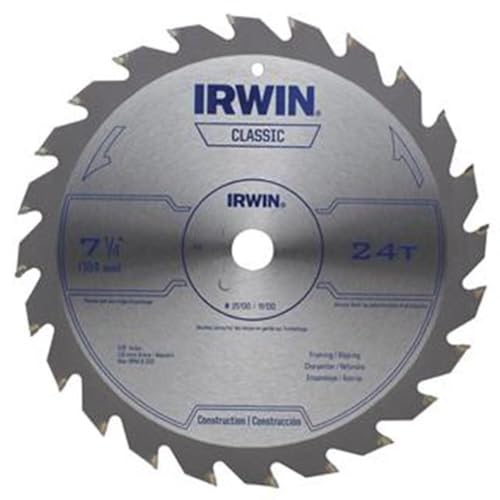
IRWIN Classic Series Steel Corded Circular Saw Blade 7 1/4-inch 24T 25130

IRWIN MARATHON Carbide Corded Circular Saw Blade 7 1/4-inch 24T 24030
IRWIN Classic Series Steel Corded Circular Saw Blade 7 1/4-inch 140T .087-inch Kerf 11840
IVY Classic 35050 Swift Cut 7-1/4-inch 128 Tooth Aluminum and Plastic Cutting Blade
DEWALT Circular Saw Blade 7 1/4 Inch 68 Tooth Metal Cutting DW3329

GRAFF 7-1/4 Inch Carbon Steel Circular Saw Blade 140T 5/8 Inch Arbor
DEWALT Circular Saw Blade 7 1/4 Inch 140 Tooth Wood Cutting DW3326

COMOWARE 7 1/4-inch 40T ATB Circular Saw Blade 5/8 Arbor

COMOWARE 7-1/4-inch 140T Table Saw Blade 5/8 Arbor
More Details On Our Top Picks
Low tooth counts like this 24T blade usually fit fast framing cuts, rough sizing, and other jobs where speed matters more than a glassy edge. The steel body keeps the price-minded feel of the lineup, while the precision-ground teeth help the cut stay more controlled than a bargain blade with duller geometry.
The corrosion-resistant coating matters most in a garage, trailer, or tool bag that sees damp weather. Compared with the 140-tooth options later in this list, this one leaves a rougher edge, so trim work usually calls for something finer.
Positives
- 24 teeth keep feed rates quick on general lumber.
- Precision-ground teeth help the blade track more cleanly.
- Coating adds a little extra rust resistance in storage.
- Useful for rough carpentry, fencing, and framing cut lists.
Things To Consider
- Crosscuts can look rough compared with finer-tooth blades.
- Steel construction is more basic than carbide-tipped options.
- Owners tend to keep this away from finish carpentry.
Feature Rundown
Who It Suits Best
Framing crews, weekend remodelers, and home project work that values speed over a furniture-grade edge fit this blade well.
Swap It Out When
IRWIN Tools Classic Series Steel Corded Circular Saw Blade 7 1/4-inch 140T .087-inch Kerf 11840 suits trim work and fine finish cuts better.
This blade keeps the same 24-tooth pace as the first IRWIN, but the carbide edge gives it a more durable personality for repeated home projects. Carbide means a harder tooth material, which usually holds up better than plain steel teeth when you keep returning to the same saw.
For renovation days, deck work, or a busy garage tool shelf, that tougher edge is the main reason to look here. The trade-off is the same one you get with most coarse blades, since clean finish cuts still land behind the finer 140T options farther down the list.
What We Like
- Carbide teeth suit repeated cutting better than basic steel.
- 24-tooth layout keeps the blade moving quickly.
- Good fit for rough carpentry and remodeling tasks.
- Simple design makes day-to-day storage and upkeep easy.
Minor Gripes
- Edge quality trails finer tooth-count blades on trim.
- Fast-cut geometry still leaves a rougher surface.
- Handy for work, less so for clean visible edges.
Core Details
Built With In Mind
Home renovators and general contractors who cycle through a lot of lumber cutting can make good use of this blade.
A Better Fit Elsewhere
DEWALT Circular Saw Blade 7 1/4 Inch 140 Tooth Wood Cutting DW3326 suits cleaner finish work better, especially for trim or cabinetry.
Moving from 24 teeth to 140 teeth changes the whole feel of the cut, because more teeth usually means a slower pass with a smoother edge. The .087-inch kerf, which is the width of material the blade removes, also helps this blade aim for a slimmer cut path than many thicker blades.
That combination fits finish carpentry, panel work, and any project where the edge is visible after assembly. The honest read is that it’s not the one for fast ripping, but that’s the point of a fine-tooth blade like this.
Highlights
- 140 teeth help produce a smoother cut surface.
- .087-inch kerf supports a narrow cut path.
- Good match for trim, paneling, and finish work.
- Steel build keeps the format straightforward and familiar.
Areas To Watch
- Slower cutting is the trade-off for the fine edge.
- Not the blade for quick framing or rough sizing.
- Fine teeth need a little more care in storage.
Technical Sheet
The Right Fit
Trim installers, cabinet work, and detail-focused shop projects suit this blade best.
Where A Sibling Pick Shines
IRWIN Tools Classic Series Steel Corded Circular Saw Blade 7 1/4-inch 24T 25130 suits rough carpentry better, especially for fast cuts in framing lumber.
Material-specific blades earn their keep fast, and this one is aimed at aluminum and plastic rather than general wood duty. The 128-tooth layout points toward smoother control on those surfaces, while the diamond knockout arbor lets you adapt the center opening for fit on compatible saws.
That makes it a practical choice for trim pieces, light fabrication, and shop work where soft non-wood materials can chatter or grab. Compared with the wood-focused blades in this list, it’s much more specialized, so it belongs in the toolbox for a reason rather than as a do-everything fallback.
Reasons To Buy
- Built specifically for aluminum and plastic cutting.
- 128 teeth support controlled, cleaner-feeling passes.
- Diamond knockout arbor helps with compatibility.
- Useful for shop trim and light fabrication tasks.
Softer Spots
- Specialized focus makes it less versatile than wood blades.
- Not the natural first choice for framing lumber.
- Owners working mostly in wood may not use it often.
Details At A Glance
Who Should Grab It
Shop users, installers, and DIYers trimming aluminum or plastic parts will get the most out of this blade.
Not Your Match When
GRAFF 7-1/4 Inch Carbon Steel Circular Saw Blade 140T 5/8 Inch Arbor suits mixed wood-based tasks more naturally.
Metal cutting asks for a different kind of blade geometry, and this 68-tooth DEWALT is set up for that narrower job. Compared with the wood blades in the first half of the list, it’s the one that makes sense for sheet metal, conduit-style tasks, and other projects where the material is harder on the cutting edge.
The lower tooth count versus the fine finish blades above keeps it from pretending to be a wood-detail specialist. That honesty is useful, because the best fit here is someone who needs a metal-focused blade rather than a general-purpose blade that only sort of handles metal.
Best Bits
- Purpose-built for metal cutting tasks.
- 68 teeth provide a middle ground between speed and control.
- Good choice for shop or renovation metal work.
- DEWALT naming brings a familiar tool-truck feel.
Points To Note
- Not intended as a general wood blade.
- Cleanup matters more after metal cutting.
- More specialized than the multi-use blades here.
Feature Snapshot
Whose Shelf It Belongs On
Metal fabricators, maintenance crews, and home improvers working with sheet metal will appreciate this blade most.
Another Choice May Suit
DEWALT Circular Saw Blade 7 1/4 Inch 140 Tooth Wood Cutting DW3326 suits finish carpentry better than a metal-specific option like this one.
Blades that cover wood, plywood, laminate, drywall, and plastic tend to appeal to people who keep a project moving from room to room. This GRAFF option leans into that mixed-material use with 140 teeth and a 5/8 inch arbor, which is the center hole that lets the blade mount on compatible saws.
Compared with the more specialized IVY blade, this one looks built for broader household utility rather than one narrow material family. The trade-off is straightforward: broad compatibility in use usually means you still need to choose your feed rate carefully for each surface.
Upsides
- Works across several common home project materials.
- 140-tooth layout aims for smoother finishing cuts.
- 5/8 inch arbor matches many standard saws.
- Helpful for DIYers who bounce between tasks.
Room For Improvement
- Very fine tooth count slows cutting pace.
- Mixed-material use calls for careful feed pressure.
- Not the blade for rough framing speed.
Spec Overview
Made For
Home improvers who handle several material types in one project can get a lot of use from this blade.
Look Elsewhere When
IRWIN Tools MARATHON Carbide Corded Circular Saw Blade 7 1/4-inch 24T 24030 is the easier fit for quicker rough carpentry.
High tooth counts matter most when the cut line stays visible, and this 140T DEWALT sits squarely in that finish-work lane. For trim carpentry, cabinet panels, and shop cuts where tear-out needs to stay low, the dense tooth pattern is the main draw.
It stands closer to the IRWIN 140T blade than to the 24T options, but the DEWALT name and wood-only focus make it feel slightly more job-specific. The trade-off is the expected one, because fine-tooth blades take more patience than rough-cut blades do.
Positives
- 140 teeth support cleaner wood edges.
- Well suited to finish carpentry and trim.
- Good for panel work where the edge stays visible.
- Simple wood-cutting focus keeps the choice clear.
Worth Noting
- Slower progress is part of the fine finish style.
- Not the right fit for quick framing cuts.
- Works best with careful handling and clean storage.
At A Glance
Right Fit For
Trim carpenters and home woodworkers focused on a clean finish will feel at home with this blade.
Skip It When
COMOWARE 7 1/4-inch 40T ATB Circular Saw Blade 5/8 Arbor suits faster everyday woodworking better.
Forty teeth often lands in the sweet middle for woodwork, giving you a smoother edge than a 24T blade without slowing down as much as a 140T finishing blade. This COMOWARE option also adds carbide tips, which are harder cutting edges, plus anti-vibration and anti-stick treatments that help the blade feel less fussy in use.
That mix makes sense for people who move between plywood, laminate, and hardwoods in one project. Compared with the ultra-fine blades above, it feels more practical for everyday shop use, though the coating claims still matter most in real cutting behavior rather than on the box.
Strong Points
- 40T layout gives a useful middle ground for wood.
- Carbide-tipped teeth suit repeated project use.
- Anti-vibration design can help steady the cut feel.
- Anti-stick coating aims to reduce sticky buildup.
Small Caveats
- Not as fine as a 140T finish blade.
- Not as fast as a 24T rough-cut blade.
- Coated surfaces still need regular cleaning after use.
Key Specs
Perfect Match For
Home woodworkers and weekend project handlers who want one blade for many common wood jobs will like this option.
Reach For A Different Pick When
DEWALT Circular Saw Blade 7 1/4 Inch 140 Tooth Wood Cutting DW3326 suits finish-first trim work better.
This final COMOWARE blade sits in the fine-cut lane, with 140 teeth and an ATB tooth pattern for smoother wood work. The table-saw wording in the title hints at a different setup from the handheld options above, so it makes the most sense for someone who wants a finer finish in a more stationary wood shop.
Anti-vibration and Teflon anti-stick treatments round out the profile, which should appeal to people who care about steadier cutting and less residue on the blade. The main trade-off is the usual one for a high-tooth blade, since speed gives way to finish quality.
Highlights
- 140 teeth point toward smooth finish cuts.
- ATB geometry supports cleaner wood cutting.
- Anti-vibration design may help the cut feel steadier.
- Anti-stick surface helps with easier cleanup.
Trade Offs
- Fine teeth slow the cut pace.
- Best suited to wood-focused work rather than rough framing.
- Stationary-shop use is the clearer fit here.
Core Details
Who Will Love This
Woodworkers who spend more time in a shop than on rough jobsite framing will appreciate this blade.
Where Another Pick Suits Better
IRWIN Tools MARATHON Carbide Corded Circular Saw Blade 7 1/4-inch 24T 24030 is the easier choice for faster, rougher cutting.
How To Choose The Right 7 1 4 Circular Saw Blades
Tooth Count Sets The Mood Of The Cut
Tooth count is the first place you should focus, because it tells you a lot about how the blade will behave. Lower counts around 24 teeth move quickly through framing lumber, while 40T gives you a middle path for general woodworking and 140T leans into smoother edges for trim and cabinet work.
That trade-off matters in real life. Fast cuts save time on rough build days, but fine teeth leave a cleaner surface that needs less sanding or cleanup.
Blade Material Changes Durability And Feel
Steel blades are straightforward and often easier to live with for basic jobs, while carbide-tipped blades usually hold their edge longer. Carbide is a harder cutting material, so it tends to make more sense for anyone cutting often or working through a long project list.
The catch is that tougher materials usually sit in a more specialized lane. For a one-off weekend job, a simpler blade can be enough, but repeated use starts to favor carbide.
Match The Blade To The Material, Not The Label
Wood, plywood, laminate, aluminum, plastic, and metal each ask for a different tooth pattern and cutting style. A blade built for wood can stumble on metal, and a metal blade rarely feels right on trim carpentry.
That’s why the best choice depends on the surface in front of you. A mixed-home-project blade helps with versatility, while a material-specific blade usually rewards you with a cleaner result on its own turf.
Compatibility And Cleanup Still Matter
The arbor, which is the center hole that fits your saw, needs to match your tool before anything else. Common sizes like 5/8 inch appear often, but the blade still has to suit the saw you own.
After that, maintenance is mostly about cleaning pitch, wiping off dust, and storing the blade dry. That small habit helps the edge stay ready, especially on finer blades that can dull faster in messy storage.
What To Weigh Before You Start Shopping
Mistakes Worth Dodging
Many people grab the wrong tooth count first, then wonder why the cut feels slow or rough. Another common miss is choosing a wood blade for metal or a finish blade for framing, which usually leads to frustration and extra cleanup.
Arbor fit gets overlooked too. A blade can look right on paper and still be wrong for the saw sitting on your bench.
The Upgrade Payoff
Higher-tier blades often cost more because carbide teeth, anti-stick coatings, vibration control, and more refined tooth geometry take more manufacturing care. Those details matter most on long project days, where steadier tracking and cleaner edges save time later.
For trim carpentry, cabinetry, and repeated shop use, the upgrade can feel justified pretty quickly. For occasional rough cuts, a simpler blade often does enough without adding extra cost.
Frequently Asked Questions
What tooth count works best for fast wood cuts?
A 24T blade usually fits that role well. It moves through lumber faster than finer blades, though the edge will be rougher.
What tooth count suits finish carpentry?
140T blades are the cleaner-cut option in this list. They work better on visible edges, trim, and panel work.
Why does carbide matter?
Carbide teeth are harder than plain steel teeth. That usually helps the blade hold its edge longer during repeated use.
What does arbor size mean?
The arbor is the center opening that mounts the blade onto the saw. The blade needs to match your saw’s arbor size for proper fit.
Can one blade handle every material?
Not well, and that’s usually where frustration starts. Wood, metal, aluminum, plastic, and laminate each do better with a blade tuned to that material.
Final Thoughts
The right 7 1 4 circular saw blade depends less on brand loyalty and more on the job in front of you. For rough framing, the 24T options make sense, while 140T blades fit cleaner finish work and material-specific picks serve narrow tasks well. The middle-ground 40T blade is a solid everyday compromise for home shops. Match the blade to your most common projects, and your saw will feel a lot more cooperative.




