


Choosing the right blade matters more than the saw model in a lot of workshops. A fine-tooth wood blade leaves cleaner edges on plywood and MDF, while a lower-tooth framing blade moves faster through rough lumber, and metal-cutting options need a different tooth geometry altogether.
This roundup keeps that split clear so your next cut feels less like guesswork and more like a fit check. You’ll see wood, framing, stainless steel, and ferrous metal options side by side, with honest trade-offs for each.
Quick Look At The Shortlist

Benchmark Abrasives TCT 8 Inch Circular Saw Blade 64 Tooth

DEWALT Circular Saw Blade 8 1/4 Inch 24 Tooth DWA181424

Benchmark Abrasives TCT 8 1/2 Inch Circular Saw Blade 60 Tooth

Benchmark Abrasives TCT 8 Inch Circular Saw Blade 24 Tooth

TWIN-TOWN 8 Inch 52 Teeth Dry Cut Steel and Ferrous Metal Cermet Saw Blade 5/8-Inch Arbor
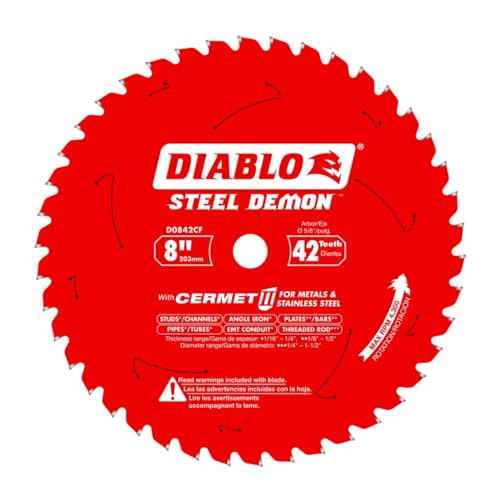
Diablo Steel Demon Cermet II Metal Cutting Saw Blade D0842CF

Benchmark Abrasives 8 Inch TCT Circular Saw Blade 48 Teeth
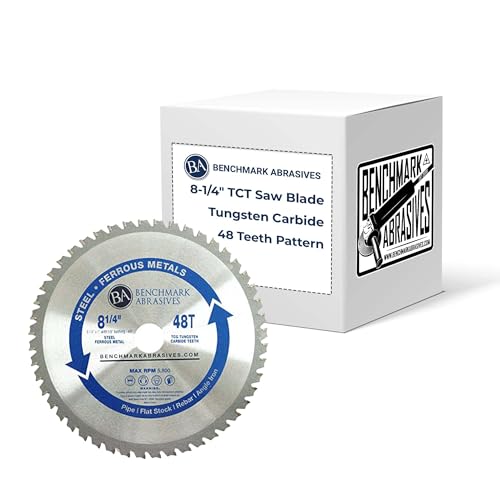
Benchmark Abrasives 8 1/4 Inch TCT Circular Saw Blade 48 Teeth

Evolution Power Tools 8BLADESS Stainless Steel Cutting Saw Blade 54 Tooth Yellow
More Details On Our Top Picks
Fine-cut wood work is where this Benchmark blade makes the most sense. Tungsten carbide tipped teeth, often shortened to TCT, usually hold an edge well for plywood, hardwood, and MDF panels, so your trim work can look calmer at the edge instead of torn up and fuzzy.
The 64-tooth layout leans toward smoother finishing rather than aggressive stock removal, which is handy in a workshop or on cabinet parts. The trade-off is speed, since more teeth usually mean a slower feed and a little more attention to clearing dust.
Positives
- 64 teeth support cleaner cuts on sheet goods and hardwood.
- TCT construction suits repeated use on wood materials.
- Good fit for cabinetry, trim, and MDF panel work.
- Helps reduce tear-out on visible edges.
Things To Consider
- Not the fastest choice for rough framing cuts.
- Dust buildup needs normal cleaning between projects.
- Fine-tooth layouts usually ask for a steadier feed rate.
Feature Card
Who It Suits Best
You get the most from this blade in cabinetry, furniture parts, or other woodwork where edge quality matters more than raw speed.
A Better Fit Elsewhere
DEWALT Circular Saw Blade 8 1/4 Inch 24 Tooth DWA181424 suits framing crews and rough carpentry more naturally because it favors quicker cuts over finish quality.
Framing jobs tend to reward a blade that moves wood quickly without feeling fussy, and this DEWALT option is set up for that kind of work. The 24-tooth count points toward faster ripping and crosscuts in jobsite lumber, which is useful on remodel days or deck framing.
Compared with the Benchmark 64-tooth wood blade, this one gives up some edge finesse for speed and easier feeding through rough stock. That trade-off is normal in framing, and it fits crew work, shed builds, and general carpentry better than finish-first tasks.
What We Like
- 24 teeth keep the blade oriented toward fast lumber cuts.
- Good match for ripping and framing tasks.
- Works well for rough carpentry where speed matters.
- Less overbuilt than a fine-finish blade.
Worth Noting
- Edge quality is less suited to visible finish cuts.
- Not the first choice for plywood that needs a pristine edge.
- Rough-material use means you may clean pitch more often.
Technical Sheet
Who Should Grab It
Framers, remodelers, and weekend carpenters get the cleanest fit here because the blade favors pace and easy movement through lumber.
Look Elsewhere When
Benchmark Abrasives TCT 8 Inch Circular Saw Blade 64 Tooth suits cabinet work better, since it leaves a smoother edge on plywood and MDF.
The 8 1/2-inch diameter makes this Benchmark blade a slightly different fit from the first wood option, and that extra size can matter on saws built for it. With 60 teeth and TCT tips, it still leans toward cleaner wood cuts rather than rough, fast stock removal.
For home shop work, the middle-ground tooth count is handy on plywood, hardwood, and MDF when you want smoother edges without going all the way to a super-fine finish blade. The catch is simple, a larger blade only helps when your saw accepts that diameter.
Highlights
- 60-tooth layout balances smoothness and feed speed.
- Useful for plywood, hardwood, and MDF work.
- Larger diameter can suit compatible saw setups well.
- TCT teeth are a sensible match for repeated wood cutting.
Small Caveats
- Only makes sense on saws sized for 8 1/2-inch blades.
- Still favors finish work over quick rough cutting.
Core Details
Right Fit For
You fit this blade best in a shop that already uses 8 1/2-inch saw hardware and needs a cleaner wood cut without going overly slow.
Where A Sibling Pick Shines
Benchmark Abrasives TCT 8 Inch Circular Saw Blade 64 Tooth suits smaller setups better, while DEWALT Circular Saw Blade 8 1/4 Inch 24 Tooth is the stronger rough-framing choice.
This Benchmark blade keeps things simple with 24 teeth, so it lines up more with fast, general-purpose wood cutting than with delicate finish work. For quick cuts in plywood or rough lumber, that lower tooth count can feel more natural in hand, especially on repeat shop tasks.
Compared with the brand’s 64-tooth version, this one is less concerned with edge polish and more concerned with getting through material without dragging. It’s a decent fit for utility work, but you may want a finer blade for visible cabinet faces or furniture parts.
Bright Spots
- 24 teeth keep the cut profile focused on speed.
- Easy to slot into everyday shop chores.
- TCT teeth make it more substantial than a basic blade.
- Good for rough wood where finish is secondary.
Areas To Watch
- Not the cleanest match for final finish surfaces.
- Lower tooth count can leave more visible cut marks.
- Routine resin cleanup helps preserve cut quality.
Details At A Glance
Whose Shelf It Belongs On
You’ll get the best match here for utility woodwork, quick home repairs, and rough cuts where speed matters more than a polished edge.
Another Choice May Suit
Benchmark Abrasives TCT 8 Inch Circular Saw Blade 64 Tooth is the smarter swap for finish-sensitive jobs, while DEWALT Circular Saw Blade 8 1/4 Inch 24 Tooth is better for framing crews.
Metal work changes the conversation fast, and this TWIN-TOWN blade is built for dry cutting steel and other ferrous stock rather than wood. The 52-tooth cermet design, cermet being a ceramic-metal blend, is meant to suit tougher stock while keeping the blade from feeling too coarse.
The 5/8-inch arbor matters because arbor size has to match the saw spindle, and that makes this a more specific fit than the wood blades earlier in the list. In a small fabrication corner or garage setup, that specificity is useful, though you’ll want to keep the blade reserved for metal rather than mixed materials.
Reasons To Buy
- Dry-cut design targets steel and ferrous stock.
- 52 teeth support a more controlled metal cut.
- Cermet construction fits tougher metalwork use.
- 5/8-inch arbor is clearly stated for compatibility checks.
Softer Spots
- Not intended for wood-first projects.
- Metal blades usually reward careful cleaning and storage.
- More specialized than the general-purpose wood options above.
Spec Overview
Built With In Mind
This suits metal fabricators, garage tinkerers, and maintenance work where steel stock is the main material on the bench.
Swap It Out When
Diablo Steel Demon Cermet II Metal Cutting Saw Blade D0842CF is the better match for you when speed matters most, while Benchmark Abrasives TCT 8 Inch Circular Saw Blade 64 Tooth belongs on wood jobs.
This Diablo blade pushes hard toward metal-cutting speed, and the triple chip grind is the detail that does a lot of the work there. Triple chip grind, or TCG, uses alternating tooth shapes to help with harder materials, so it suits steel and other metal stock better than a plain wood blade ever could.
The listed claims around longer life, faster cuts, and cooler operation point to a blade designed for repeat metal work rather than occasional use. That said, the trade-off in this category is always focus, and this one belongs in a metal-only routine more than in a mixed workshop drawer.
Upsides
- TCG tooth pattern suits tougher metal cutting tasks.
- Built for steel-focused use in busy shops.
- Good fit for repeated cutting sessions.
- Metal-specific design helps keep expectations clear.
Room For Improvement
- Specialized use means it is not a general shop blade.
- Reserved metal use helps maintain cutting behavior.
- More blade than casual home repair often needs.
Quick Facts
The Right Fit
You fit this blade best in a metal shop or serious garage setup where steel cutting shows up often and consistency matters.
A Better Fit Elsewhere
TWIN-TOWN 8 Inch 52 Teeth Dry Cut Steel and Ferrous Metal Blade is a sensible alternative for you if you want a clearly stated 5/8-inch arbor and a slightly different tooth layout.
This Benchmark blade is shaped for metal and stainless steel work, so it occupies a very different lane from the earlier wood blades. The 48-tooth count keeps the cut profile more controlled, and the TCT edge means tungsten carbide tipped teeth, which usually hold up better than plain steel teeth in tougher jobs.
In a small fabrication bay or home garage, that kind of focus helps, especially when you want a miter-saw-compatible blade for metal tasks instead of a general-purpose saw blade. The honest read is that it makes sense only inside that metal-first role, because wood work would call for a different tooth setup.
Standout Traits
- Built for metal and stainless steel work.
- 48 teeth support a more measured cut.
- TCT construction suits demanding material better.
- Miter saw compatibility broadens machine matching.
Points To Note
- Not intended as a wood-first blade.
- Metal use usually asks for careful chip cleanup.
- Best reserved for one material family.
Feature Rundown
Made For
You fit this blade best for metal fabrication, stainless work, and shop setups that need a purpose-built metal option.
Reach For A Different Pick When
Diablo Steel Demon Cermet II Metal Cutting Saw Blade D0842CF makes more sense for heavier repeat metal use, while Benchmark Abrasives TCT 8 Inch Circular Saw Blade 24 Tooth is the simpler wood-handling route.
Everything said about the 8-inch metal blade carries over here, but the 8 1/4-inch diameter gives you a different compatibility lane. That larger size can matter more than tooth count in a real workshop, especially when your saw is already set up around 8 1/4-inch accessories.
With 48 teeth, TCT construction, and a focus on metal and stainless steel, this one stays in the same category as the previous Benchmark metal blade while fitting a different tool size. You may find it the cleaner match for larger saw setups, though it still belongs to metal work rather than wood cutting.
Best Bits
- 8 1/4-inch size fits larger compatible saw setups.
- 48 teeth keep the blade focused on metal work.
- TCT teeth suit tougher materials better than plain steel.
- Good alternative to the 8-inch metal blade above.
Minor Gripes
- Only useful on saws built for this diameter.
- Like the smaller metal blade, it is task-specific.
Feature Snapshot
Perfect Match For
You fit this blade best in a shop that already runs 8 1/4-inch saw hardware and needs a metal-first cutting option.
Where Shoppers Go Wrong
Benchmark Abrasives 8 Inch TCT Circular Saw Blade 48 Teeth looks similar, but the smaller size suits a different saw setup and should not be treated as interchangeable.
Evolution keeps this blade firmly in stainless steel territory, and the 54-tooth layout suggests a stronger lean toward controlled cuts than raw speed. That makes it a good fit for metalwork where clean behavior matters more than chewing through stock as quickly as possible.
Compared with the Benchmark and Diablo metal blades, this one feels more specialized around stainless steel use, which is helpful for owners who stay in that lane. The yellow finish is a small visual marker, but the more important point is the dedicated cutting role, which keeps expectations clear.
Strong Points
- Built specifically for stainless steel cutting.
- 54 teeth point toward controlled metal work.
- Clear single-purpose focus reduces guesswork.
- Helpful for shops that cut stainless often.
Honest Caveats
- Specialized purpose limits its use outside stainless work.
- Dedicated metal blades deserve careful storage.
- The setup makes less sense for general wood tasks.
Core Details
Who Will Love This
You fit this blade best in stainless-focused work, especially where you want a dedicated blade rather than a general-purpose metal option.
Not Your Match When
Benchmark Abrasives TCT 8 Inch Circular Saw Blade 64 Tooth is the better path for woodwork, while Diablo Steel Demon Cermet II Metal Cutting Saw Blade D0842CF serves broader steel-cutting needs.
How To Choose The Right 8 Inch Miter Saw Blades
Tooth Count And Cut Quality
Tooth count is the easiest way to sort these blades. More teeth usually mean smoother cuts in plywood, MDF, and finish lumber, while fewer teeth move faster through framing stock and rough boards.
That difference shows up fast in real use. A 64-tooth wood blade suits trim and cabinet parts, while a 24-tooth blade makes more sense for jobsite lumber that needs speed over polish.
Material Match Comes First
Blade material and target stock have to line up. Tungsten carbide tipped teeth are common on wood and some metal blades because they handle wear better than plain steel teeth, while cermet blades are built around tougher metal tasks.
Wood blades and metal blades are not interchangeable just because the diameter matches. Stainless steel, ferrous metal, plywood, and hardwood all put different demands on the tooth shape and edge design.
Diameter And Arbor Need To Fit The Saw
Diameter decides whether the blade belongs on your saw in the first place. An 8 inch blade, 8 1/4 inch blade, and 8 1/2 inch blade each live in a different compatibility lane, so matching the tool matters before anything else.
Arbor size matters too, because that center hole has to match the spindle. The TWIN-TOWN blade’s 5/8-inch arbor is a good reminder to check that detail before you assume two blades are interchangeable.
Think About The Work You Actually Do
Your typical project should guide the blade choice more than any label on the box. Home remodelers who frame walls need a different cut style than cabinet builders, and metal fabricators need another category entirely.
The cleanest choice is the one that trims your usual frustration, whether that means less tear-out on sheet goods or less dragging through metal stock. That’s the part that saves time in a busy garage.
What To Weigh Before You Decide
Mistakes Worth Dodging
A common slip is buying by diameter alone and skipping tooth count or material. That usually leads to a blade that technically fits but works poorly for the material on your bench.
Another miss is treating a wood blade like a metal blade, or the other way around. Keeping one blade for one job tends to preserve edge quality and makes cleanup easier.
Where The Extra Money Goes
Higher-tier blades usually cost more because of tooth design, cutting material, and task-specific engineering. Features like TCG geometry, TCT tips, and metal-focused construction often point to more controlled cutting and better wear handling.
The upgrade makes sense for frequent use, especially in shops that cut stainless steel, ferrous metal, or finish-grade wood every week. For occasional project work, a simpler blade may be enough and easier to live with.
Frequently Asked Questions
Can You Use An 8 Inch Blade On Any Miter Saw?
No, the saw has to accept that diameter and the arbor has to match as well. Checking both details keeps the blade and saw in the same compatibility lane.
What Tooth Count Works Best For Smooth Cuts?
Higher tooth counts usually leave cleaner edges on plywood, MDF, and finish lumber. Lower counts cut faster and suit rough framing better.
Are Metal-Cutting Blades Okay For Wood?
They are usually the wrong fit for wood, because the tooth design and cut behavior are set up for metal. A wood blade gives you a better result and usually feels less awkward through the cut.
Why Does Arbor Size Matter So Much?
The arbor is the center hole that mounts the blade to the saw. A mismatch means the blade will not seat correctly, even if the diameter seems right.
What Is The Main Difference Between TCT And Cermet?
TCT means tungsten carbide tipped, a common setup for durable cutting edges. Cermet blends ceramic and metal, and it usually shows up on blades aimed at tougher metal tasks.
Final Thoughts
Your best choice comes down to the material on the bench and the saw in your hands. The Benchmark wood blades suit finish-minded shop work, the DEWALT blade fits rough framing, and the metal options make sense only when steel or stainless is the real target. Match tooth count, diameter, and arbor before you think about anything else, and the rest gets easier. Once you sort out your usual projects, the right blade stops being a guess and starts feeling like the sensible tool you wanted all along.




