


Block planers make sense when your project calls for cleaner edges, smoother corners, or a better finish on small jobs around the house or shop. You’ll see a mix here, from compact handheld tools to heavier bench-style options, so you can match the tool to the way you actually work. Some suit quick chamfers on trim, others feel more at home on longer passes across wood stock. The right fit saves time and keeps your work from feeling overworked.
The Shortlist At A Glance
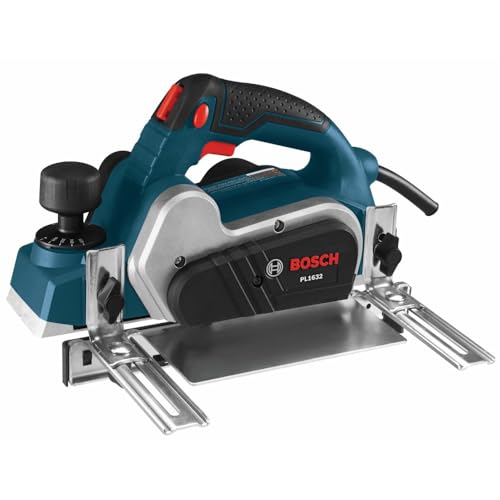
Bosch PL1632 3-1/4 In. Planer
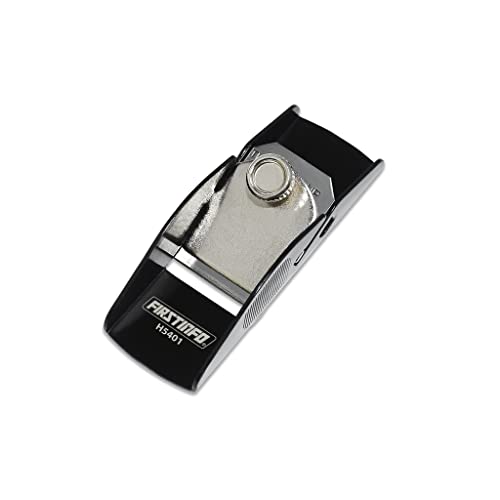
FIRSTINFO Mini Woodworking Hand Plane H5401

Saker Chamfer Plane Edge Corner Flattening Tool

GreatNeck C4 Bench Hand Plane 9 Inch
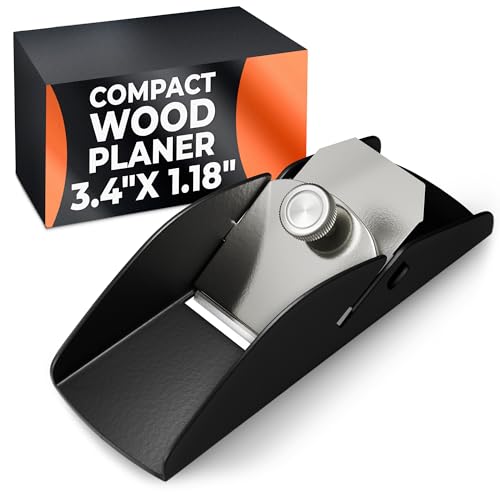
NADOBA Wood Planer Hand Tool 3.4×1.18″

JORGENSEN Chamfer Plane Edge Corner Plane

KAKURI Hand Plane 42mm KANNA

JORGENSEN NO.60-1/2 6-1/4″ Wood Planer
More Details On Our Top Picks
For steady home renovation work, this Bosch feels like the practical middle ground in the group. A 3-1/4 inch cutting width gives you a useful span for door edges, shelves, and trim cleanup, without turning the tool into a lumber hog.
You may find it especially handy in a garage shop where storage space matters, since it stays in the handheld planer lane rather than taking over the bench. The trade-off is simple, less bulk usually means you still handle the feed and finish yourself, which suits careful DIY work more than big material removal.
Strong Points
- 3-1/4 inch width suits common trim tasks.
- Handheld format keeps it easy to store.
- Good fit for doors, shelves, and small joinery cleanup.
- Feels more versatile than the niche chamfer tools here.
Things To Consider
- Handheld planing still calls for careful passes and attention.
- Less specialized than the edge-only options in this roundup.
Core Details
Who It Suits Best
DIYers who want one handheld planer for general wood cleanup will get the most from this Bosch.
Where Another Pick Suits Better
Choose the JORGENSEN NO.60-1/2 6-1/4″ Wood Planer for sharper low-angle trim work where a more specialized block plane makes sense.
FIRSTINFO keeps things tiny, and that matters more than the name sounds. At 3.38 by 1.14 by 0.94 inches, this is the kind of plane you can toss into a tool pouch for quick trimming, light smoothing, or a small chamfer on the go.
That compact footprint helps in cramped spaces, though the honest read is that small tools usually ask for a steadier hand. It pairs well with occasional workbench use, while the Bosch above suits broader tasks more comfortably.
What We Like
- Very small body makes carrying simple.
- Handy for pocket kit or travel tool bags.
- Good for quick edge touch-ups on minor projects.
Minor Gripes
- Small size can feel less stable on longer passes.
- Best suited to light work, not larger stock removal.
- Compact tools can be easier to misplace in busy shops.
Feature Snapshot
Built With In Mind
Traveling woodworkers and hobbyists who want a tiny trim tool will appreciate this shape most.
Where A Sibling Pick Shines
The GreatNeck C4 Bench Hand Plane 9 Inch suits shop users who want more mass and a broader working footprint.
Edge work is where this Saker tool earns attention, especially on projects that need repeatable chamfers rather than broad surface planing. The auxiliary locator helps keep the edge work more controlled, and the version here includes six cutter heads, which gives you room to swap rather than force one edge through everything.
That kind of setup suits trim carpentry, craft projects, and small furniture details. Compared with the FIRSTINFO mini plane, this one feels more purpose-built for edge shaping, though it’s less general than the Bosch.
Upsides
- Auxiliary locator supports steadier edge work.
- Six cutter heads add flexibility for different jobs.
- Good match for chamfering and corner flattening.
- Useful for repeatable detail work on wood edges.
Points To Note
- Specialized design makes it less useful for broad planing.
- Extra heads mean a little more sorting during storage.
Details At A Glance
Who Should Grab It
Woodworkers who spend a lot of time on chamfers, corners, and detail edges will get the strongest fit here.
Swap It Out When
The KAKURI Hand Plane 42mm works better for someone who wants a more traditional manual plane with a white oak body.
The GreatNeck C4 shifts the list toward a more shop-centered feel. A cast iron body usually brings reassuring mass, and the 9 inch length with a 2 inch cutter makes sense for controlled passes on a bench, especially when you want the plane to sit steadily rather than dart around.
Its adjustable blade control gives you a more hands-on setup, which suits woodworkers who like to tune the tool to the task. The trade-off is weight and a little less portability, so it’s a stronger match for fixed workspaces than the Bosch or FIRSTINFO models.
Bright Spots
- Cast iron body lends stable bench feel.
- 2 inch cutter supports useful working width.
- Adjustable blade control helps with tuning.
- Quality plastic handles add a more comfortable grip.
Areas To Watch
- Heavier build is less convenient for carrying around.
- Bench-first design suits shop use more than quick pocket jobs.
Technical Sheet
Perfect Match For
Shop users who want a bench hand plane with more mass and a guided feel will appreciate this setup.
Look Elsewhere When
The JORGENSEN NO.60-1/2 6-1/4″ Wood Planer is the sharper fit for low-angle trim work and smaller handheld sessions.
This NADOBA tool keeps the focus on simple hand planing without a lot of fuss. Stainless steel gives it a sturdier feel than a very light hobby plane, while the adjustable blade lets you tune how much material you want to shave off on home jobs or small workshop tasks.
The ergonomic shape and rounded edges make it easier to hold for short sessions, though small hand tools still ask for a bit of care during setup. Compared with the GreatNeck C4, this one is far more compact and less bench-heavy, which helps when storage is tight.
Reasons To Buy
- Compact hand tool suits small repair work.
- Adjustable blade adds control over shaving depth.
- Stainless steel build feels durable for regular home use.
- Rounded edges and ergonomic shape help with comfort.
Room For Improvement
- Smaller format is less suited to long passes.
- Assembly and setup may take a little patience.
- Best kept for light to moderate tasks.
Core Details
Right Fit For
Home users who want a small adjustable planer for light cleanup work will feel comfortable with this one.
A Better Fit Elsewhere
The Bosch PL1632 3-1/4 In. Planer suits you better for broader trim work and a more versatile handheld format.
Built-in storage is the detail that makes this JORGENSEN stand apart, because it keeps the extra cutter heads where you actually need them. For frequent edge trimming, that kind of onboard organization cuts down on the little interruptions that can slow a project down.
The shape clearly favors chamfering and corner flattening over broad surface planing, so it’s a focused tool rather than a do-everything plane. That makes it a sensible match for carpenters and detail-minded hobbyists, while the Saker tool offers a more locator-driven approach.
Best Bits
- Built-in storage keeps cutter heads together.
- Four cutter heads support different edge jobs.
- Well suited to repeated chamfer work.
- Compact format should store easily in a toolbox.
Small Caveats
- Highly specialized for edge and corner tasks.
- Stored parts need a little organization during cleanup.
Feature Rundown
The Right Fit
Detail workers who want edge tools organized in one place will find this JORGENSEN especially useful.
Reach For A Different Pick When
The GreatNeck C4 Bench Hand Plane 9 Inch suits you better for heavier bench work and a more general shop role.
There’s a different rhythm to a KANNA-style plane, and this KAKURI keeps that traditional feel front and center. The 42 mm width gives you a useful working face, while the white oak body and Japanese construction point toward a tool that suits careful hand finishing rather than quick rough shaping.
That makes it a strong match for woodworkers who enjoy a more tactile approach to chamfering and smoothing. It sits apart from the lighter FIRSTINFO mini plane, which is easier to carry, while this one feels more deliberate in use.
Highlights
- 42 mm width is practical for fine hand work.
- White oak body gives it a classic material choice.
- Good fit for chamfering and smoothing tasks.
- Traditional layout may appeal to careful hand tool users.
Worth Noting
- Traditional plane feel may take more practice for newcomers.
- Less convenient for quick pocket carry than mini options.
- Best suited to hand-finish work, not rough stock removal.
Quick Facts
Whose Shelf It Belongs On
Hand tool enthusiasts and careful finish work hobbyists will get the most from this KAKURI.
Where Shoppers Go Wrong
The JORGENSEN NO.60-1/2 6-1/4″ Wood Planer is the better match for anyone who wants a low-angle block plane with a more modern metal body.
This JORGENSEN leans toward the more serious end of the group, especially for trim work and fine wood planing. A low-angle block plane usually helps with cleaner cuts across end grain and tricky edges, and the adjustable mouth lets you narrow or open the blade opening for the task at hand.
Its ductile iron body adds a sturdier, more substantial feel than the lighter handheld options here. The honest trade-off is that it makes more sense for users who want control and refinement than for someone who just wants a quick pocket tool.
Positives
- Low-angle format suits careful trimming work.
- Adjustable mouth helps tune the opening for different cuts.
- Ductile iron body brings a stronger shop feel.
- Good option for woodworkers who want more control.
Ongoing Considerations
- Feels more specialized than the Bosch all-rounder.
- Heavier construction is less convenient for casual carry.
At A Glance
Best Suited To
Experienced hobbyists and shop users who want a low-angle plane for tighter control will appreciate this model most.
Another Choice May Suit
The FIRSTINFO Mini Woodworking Hand Plane H5401 works better for someone who needs the smallest possible carry-friendly tool.
How To Choose The Right Block Planers
Match the Plane To the Job
A block plane is most useful when you need control more than brute force. Narrow trim work, chamfers, end-grain cleanup, and small touch-ups all reward a tool that sits comfortably in your hand and responds without fuss. Wider handheld models, like the Bosch, cover more ground per pass, while tiny tools such as the FIRSTINFO make sense for fast detail work.
Weight, Length, and Control Matter
Heavier bodies, like the GreatNeck cast iron design, tend to sit more steadily on a bench, which helps during longer passes. Smaller planes are easier to carry, yet they ask for a steadier hand and more care with each stroke. The right balance depends on whether your work happens in a shop, on a jobsite, or at a kitchen table during a weekend project.
Blade Setup and Adjustability
Adjustable blades and mouths let you tailor the cut to the wood and the task. That matters on finicky edges where a shallow pass is cleaner than a deep one, and it matters even more if you switch between softwood trim and denser stock. JORGENSEN’s adjustable mouth is a good example of added control, while fixed or simpler designs lean toward convenience.
Storage and Maintenance Fit Your Routine
A tool that stores well gets used more often, especially in crowded garages or small apartments. Built-in cutter storage, as on the JORGENSEN chamfer plane, can save time and keep loose parts from drifting through a drawer. Cleaning, blade care, and safe storage still matter with any hand plane, so the best pick is usually the one you’ll actually keep close.
A Quick Reality Check
Common Shopping Slip Ups
A common mistake is choosing a plane that’s too specialized for your projects. A chamfer-only tool is great for edge work, but it won’t replace a broader handheld planer on doors or shelves. Another easy miss is underestimating comfort, especially on metal-bodied tools that feel better in some hands than others.
The Upgrade Payoff
Higher-tier hand planes usually cost more because of tighter machining, more durable body materials, and finer blade control. That extra spend starts to make sense when you do repeat work, care about edge quality, or want fewer adjustments between passes. For occasional hobby use, a simpler plane can be enough, and that’s the honest trade-off.
Frequently Asked Questions
What does a block plane do?
A block plane trims small amounts of wood from edges, corners, and end grain. It gives you control for cleanup work that would feel clumsy with a larger tool.
Are block planers good for beginners?
Yes, especially for small chamfers and light smoothing jobs. A compact, easy-to-hold design usually feels less intimidating than a longer bench plane.
What size block planer should you choose?
A smaller plane suits portability and detail work, while a wider or longer one feels steadier for general shop tasks. The right size depends on whether you want travel convenience or more surface contact.
Why does an adjustable mouth matter?
The mouth controls how much blade is exposed and how the shavings clear. A tighter opening can help with finer cuts, while a wider opening helps when you need a bit more material removal.
Which block planer works best for edge chamfering?
The Saker Chamfer Plane and JORGENSEN Chamfer Plane both lean into that kind of work. The Saker gives you an auxiliary locator, while the JORGENSEN adds built-in storage for its cutter heads.
Closing Thoughts
The best block planer for you comes down to how you work, not just what looks good on the page. The Bosch feels versatile, the FIRSTINFO stays easy to carry, and the JORGENSEN NO.60-1/2 adds more control for tighter trim jobs. For edge-only tasks, the Saker and JORGENSEN chamfer tools make more sense, while the GreatNeck suits a steadier bench setup. Pick the tool that matches your space, your patience, and the kind of woodwork you actually do.




