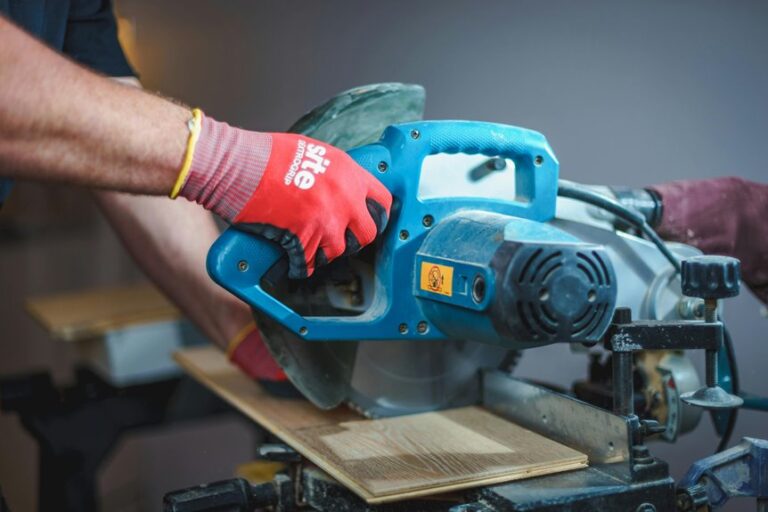
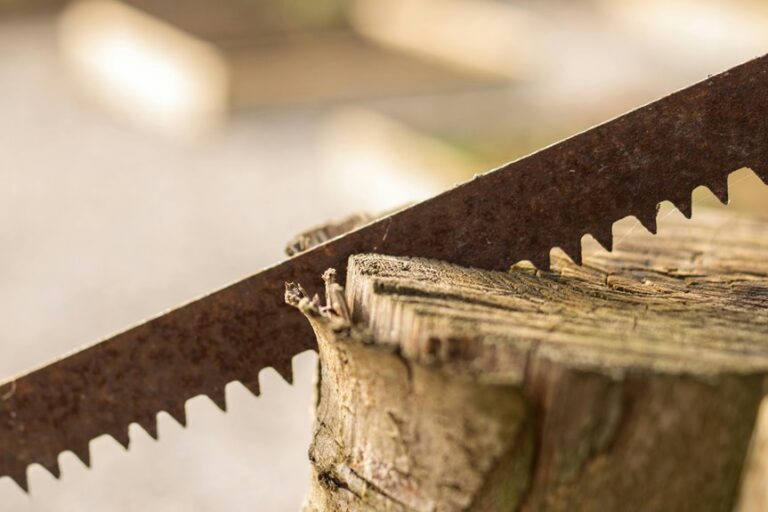
If your saw blade has rust, you don’t need to panic or replace it right away. You can often bring it back with a careful cleaning that protects the teeth and metal. Start by checking the blade for damage, then use vinegar to loosen the rust before you scrub away the stubborn spots. After that, dry it well, add a light coat of oil, and make sure it’s ready for the next cut.
What Causes Rust on a Saw Blade?
Rust on a saw blade usually starts when moisture, oxygen, and bare steel meet, and that can happen faster than you’d think. You’re not doing anything wrong; your blade just reacts to its metal composition and the air around it.
If storage humidity stays high, tiny water films cling to the steel and let rust grow. Sweat from your hands, damp basements, and leaving the blade uncovered can speed it up too.
Even a clean blade can flash rust after a humid day, because iron in the steel wants to bond with oxygen. So when you notice orange spots, you’re seeing a normal chemical reaction, not a failure on your part. That’s why you can catch it early and keep your saw ready for work.
Get Your Cleaning Supplies Ready
Before you scrub a single spot, gather everything you’ll need so the job feels calm instead of messy. You’ll want wire brush, 400 grit wet or dry sandpaper, a plastic tray, vinegar or citric acid, baking soda, Simple Green, a shop towel, and a small container for hardware. Keep your items close so you don’t hunt for them with rusty hands.
Check chemical storage first and set cleaners where kids and pets can’t reach them. If your shop uses safety signage, read it now so you match the right cleaner to the right space. Put on a clear work light, too.
When your supplies are ready, you can move through each cleaning step without stopping, and that steady pace makes the whole job feel easier.
Prepare the Saw Blade Safely
If the blade is still on the saw, you’ll want to slow down and make it safe to handle first. Unplug the saw, then lock the switch so no one can start it by accident. Wear gloves and eye protection, because even dull teeth can bite. Check your safety checklist before you touch anything.
If the blade feels hot or tight, wait a few minutes and let it settle. Then clear the bench, set out good lighting, and improve work area ventilation so dust and fumes don’t hang around you.
Next, keep the blade steady while you inspect the teeth and plate for cracks, bends, or missing parts. When you prepare it this way, you protect yourself and make the rust-cleaning step smoother, calmer, and a lot less stressful.
Remove Rust From a Saw Blade With Vinegar
Vinegar gives you a simple, low-cost way to strip rust from a saw blade without much fuss, and it works best once the blade is already safe to handle and removed from the saw. You can lay the blade in a plastic tray, then cover it with plain white vinegar so every rusty spot stays wet.
If you wonder about vinegar alternatives, lemon juice can help, but vinegar usually works more evenly. Let the blade soak for several hours, and check how fast the rust softens.
Stronger acid concentration can speed the job, yet you should stay with common household vinegar for safer control. After soaking, wipe the loose rust away, then rinse and dry the steel right away. That keeps the blade from flashing back to rust and helps you feel back in control.
Scrub Away Stubborn Rust Spots
Now the real cleanup starts, and this is where stubborn rust spots finally give up. You’ve already loosened the easy flakes, so now press the blade steady and scrub the dark patches with a wire brush or fine pad. Work in short strokes, and let the tool do the job.
If a spot still clings, a few drops of chemical rustbusters can help break it down before you scrub again. You can also try electrolysis cleaning for tough, old corrosion when you want a deeper reset. Keep checking both sides, especially near teeth and corners where rust hides.
As you work, you’ll see the metal brighten, and that shift feels good. Stay patient, stay gentle, and you’ll fit right in with anyone who treats a blade with care.
Clean a Saw Blade With Baking Soda
Baking soda gives you a gentle next step when the wire brush has already knocked off the loose rust, but the blade still needs a little more care.
You can mix baking soda with a few drops of water until it forms a thick paste. Then spread it over the rusty spots and let it sit for a few minutes. After that, rub the blade with a soft cloth in small circles. This helps lift residue without making you fight the metal.
If you’ve tried electrolysis cleaning before, baking soda can also help you rinse and calm any leftover film. Wipe the blade clean with fresh water, then dry it right away.
You’re not chasing perfection here, just a blade that feels ready for work again.
Try Sandpaper or Steel Wool Carefully
If the rust is still hanging on, sandpaper or steel wool can help you finish the job with a little more control.
You’re not fighting the whole blade now, just the stubborn spots that baking soda left behind.
Choose gentle abrasive alternatives like 400 grit wet or dry sandpaper or fine steel wool, and move with the grain.
- Keep light pressure so you don’t scratch good steel.
- Use a little water or lubricant so the surface stays smooth.
- Stop when the rust lifts and the metal looks even.
Work in small passes, and check often.
If your saw has old protective coatings, stay careful around them.
You want the blade clean, not tired.
Dry and Oil the Saw Blade
Dry the blade fully with a clean towel before you do anything else, because even a little leftover moisture can start new rust fast. You’ve already done the hard part, so give the steel a calm, careful wipe on both sides and along the tooth line.
Then let it air dry a few minutes in a warm spot. Next, use a light oil application to coat the plate with a thin film. Work it in with a clean cloth so you don’t leave puddles or sticky spots.
This step helps your blade feel cared for and ready for storage methods that keep it safe between uses. A little protection now saves you from another rusty surprise later, and that’s a win for any saw user.
Check for Damage Before Reusing
Now that the blade is clean and dry, take a close look at it before you put it back to work. You’ve done the hard part, and now you want to be sure the saw still feels like part of your shop family.
Inspect teeth for chips, bends, or missing points, because even one damaged tooth can throw off a cut. Then assess warping by holding the blade flat against a straight edge or table. If it rocks, twists, or looks wavy, pause and fix that first.
- Check the plate for cracks near the spine.
- Look for deep pitting where rust sat too long.
- Spin the blade slowly to spot uneven motion.
If anything looks off, set the blade aside and deal with it now.
Prevent Rust on Saw Blades
A clean blade can still rust again fast, so this is the moment to protect your work and save yourself from doing the whole cleanup twice.
After drying it well, wipe on protective coatings like paste wax or a light tool wax. You don’t need a heavy layer, just an even film that keeps air and moisture away.
Then store the saw in climate control if you can, because damp basements and hot sheds invite rust like old friends. If you hang the blade, keep it off concrete and away from wet walls.
Also, check it often after rainy weeks or long storage. A quick wipe before use helps you stay ahead of trouble and keeps your saw ready when your next project calls.
Frequently Asked Questions
Can I Remove Rust Without Taking the Saw Blade Apart?
Yes, you can remove rust without disassembling the blade. Start by hand sanding any stubborn rust spots, then soak the blade in vinegar or citric acid, neutralize it with baking soda, and dry it thoroughly.
Will Rust Removal Methods Damage Blade Teeth?
No, the teeth will stay intact if you work carefully. Use light scrubbing instead of aggressive grinding, and avoid careless filing at the corners by moving slowly and staying in control.
How Long Should I Soak a Heavily Rusted Blade?
Soak it for 6 to 8 hours if the rust has penetrated deeply. Stubborn areas may need several soak and scrub cycles. Check the blade often, scrub between soaks, and stop when the rust starts to lift.
Is Citric Acid Better Than Vinegar for Rust Removal?
Yes. Citric acid usually works better because it removes rust faster than vinegar and is easier to use.
Can I Clean Saw Blade Hardware Separately?
Yes, you can clean the hardware separately. Take off the saw nuts and screws, soak them in warm soapy water, then dry them completely. Keeping the hardware in a labeled container helps you stay organized and makes reassembly easier.