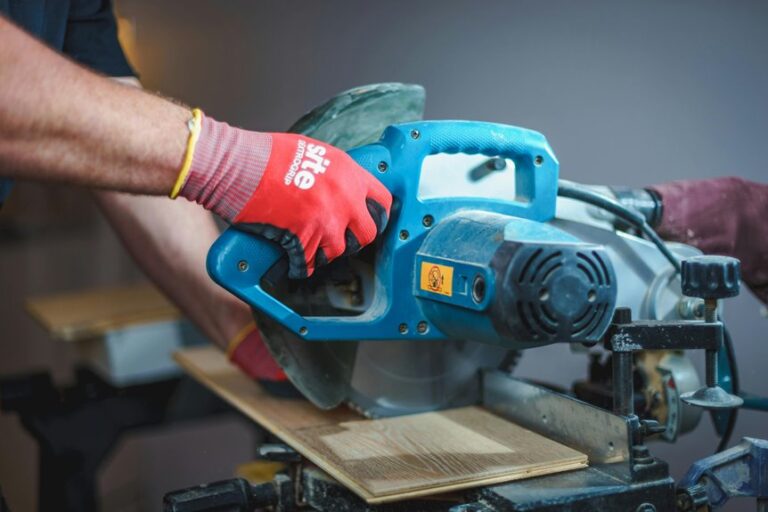
Brushless circular saws earn their keep on framing jobs, trim work, and weekend projects because they cut with less drag and usually feel smoother under load. You’re probably here because you want one tool that can handle plywood, dimensional lumber, and repeat cuts without turning every task into a chore. The picks below lean toward practical differences, like rear-handle control, compact bodies, and kit versus tool-only setups. That makes it easier to match a saw to the kind of work you actually do.
Quick Look At The Shortlist

SKIL Magnesium Worm Drive Skilsaw SPT70V-11

Makita XSH06PT 18V X2 LXT 36V Brushless 7-1/4 Circular Saw Kit

Makita XSR01PT 36V X2 LXT Brushless Rear Handle 7-1/4 Circular Saw Kit

Makita XSH04ZB 18V LXT Sub-Compact Brushless 6-1/2 Circular Saw

WORKPRO 20V Cordless Mini Circular Saw 4-1/2 Compact Wireless Saw

Makita XSR01Z 36V X2 LXT Brushless Rear Handle 7-1/4 Circular Saw

Milwaukee 2732-20 M18 Fuel 18 Volt 7-1/4 Cordless Circular Saw

Dremel Blueprint Portable Saw Station CS12V-S1C
More Details On Our Top Picks
The magnesium body keeps weight in check without giving up the hard-use feel that framing work tends to demand. With a 6-1/4 inch cutting capacity, this one makes sense for 6x lumber and other thick material that smaller saws can slow down on.
Compared with the Makita cordless picks later in this list, the SKIL feels more rooted in heavy-duty, corded-style framing work than in grab-and-go convenience. You’ll probably appreciate it most on a jobsite or a large renovation where depth matters more than portability.
Strong Points
- Magnesium construction keeps the saw lighter than a plain steel build of similar size.
- Deep cutting capacity suits thick framing stock and larger dimensional lumber.
- The worm-drive layout is a familiar fit for people who like a planted, torquey feel.
- It’s a practical match for repetitive straight cuts in a busy build environment.
Things To Consider
- The size points it toward serious cutting tasks, not casual one-handed trim work.
- Magnesium needs the same careful storage you’d give any metal-bodied jobsite tool.
- You’ll want the right setup around it, since this pick focuses more on capacity than portability.
Feature Snapshot
Who It Suits Best
Framers and renovation crews who cut thick lumber often will get the most from this saw’s depth and sturdy feel.
A Better Fit Elsewhere
Makita XSH04ZB 18V LXT Sub-Compact Brushless 6-1/2 Circular Saw suits you better for lighter overhead work and tighter spaces.
This kit makes sense for mobile work because it bundles batteries and a charger with a full-size 7-1/4 inch saw. The 18V X2 setup, which uses two 18V batteries together for 36V output, gives you a cordless path without feeling like a stripped-down compromise.
Compared with the SKIL above, this one trades raw worm-drive mass for cordless convenience and a cleaner kit package. For remodel work, deck builds, and punch-list days that move from room to room, that flexibility can matter more than brute size.
What We Like
- The included batteries and charger make the package more complete out of the box.
- Full-size blade compatibility fits typical framing and sheet goods work.
- Brushless motor design usually means less friction and a more efficient feel under load.
- Cordless operation helps you work farther from outlets and extension cords.
- The kit format is easier for first-time cordless upgrades than assembling parts one by one.
Worth Noting
- The larger battery format adds weight, so overhead cuts can feel more tiring.
- Full kit ownership means more pieces to store and keep together.
- You’ll pay for the convenience of a ready-to-go package.
Core Details
Built With In Mind
Mobile remodelers and weekend renovators who want a full-size cordless saw with a complete kit feel will get the most from this setup.
Skip It When
Makita XSH04ZB 18V LXT Sub-Compact Brushless 6-1/2 Circular Saw fits better for lighter carpentry and less fatiguing overhead work.
The rear-handle layout gives this saw a very different feel from the front-grip Makita models above. That matters on long cuts, since the handle position can make the tool feel steadier and more natural for framing crews who spend all day driving through lumber.
With a 7-1/4 inch blade, 5,100 RPM speed, 2-9/16 inch cutting depth, and electric brake, it is built for serious work rather than casual home trimming. In most jobsite settings, the trade-off is simple, more control and power, less compactness.
Highlights
- The rear-handle design supports a more traditional framing grip.
- 5,100 RPM gives the saw a quick-feeling cut through common lumber.
- The electric brake helps the blade stop sooner after the trigger is released.
- Included batteries, charger, and blade make the kit ready for a new setup.
- Two 18V batteries working together give it a higher-output cordless profile.
Areas To Watch
- Rear-handle saws are less nimble in cramped corners than compact sidewinder styles.
- The kit is built for serious use, so storage space matters.
- It may feel like more saw than you need for occasional shelf work.
Technical Sheet
Who Will Love This
Framers and remodelers who prefer a rear-handle stance and full-size cordless power will feel right at home here.
Where Shoppers Go Wrong
Makita XSH06PT 18V X2 LXT 36V Brushless 7-1/4 Circular Saw Kit is the easier choice for anyone who wants a full-size cordless kit without the rear-handle format.
Shorter, lighter saws earn their place fast in overhead installs and tight layouts, and this Makita is built around that idea. Tool-only packaging keeps the focus on the saw itself, which suits you well if you already own compatible 18V LXT batteries.
Compared with the full-size XSH06PT and XSR01PT, this one gives up some brute presence in exchange for easier handling. That makes it a smart fit for finish carpentry, cabinet work, and all the jobs where a smaller footprint saves your shoulders.
Bright Spots
- Sub-compact size makes the saw easier to guide in overhead or awkward positions.
- Brushless drive suits frequent use and helps the tool feel less strained under load.
- Tool-only format keeps the package lean for users already invested in Makita batteries.
- It’s a comfortable everyday saw for lighter framing and trim cuts.
Small Caveats
- You need compatible batteries and a charger before it’s ready to work.
- The smaller body is more about control than maximum cutting muscle.
- Compact tools usually need a bit more care in storage so the shoe stays true.
Core Details
Right Fit For
Finish carpenters, remodelers, and battery-platform users who want a smaller saw for precise handling will appreciate this one.
Look Elsewhere When
SKIL Magnesium Worm Drive Skilsaw SPT70V-11 suits you better for thicker lumber and deeper framing cuts.
Mini circular saws solve a different problem than the larger Makita and SKIL models above. This WORKPRO leans into lighter tasks, with a 4-1/2 inch blade, included 4.0Ah battery, fast charger, three blades, and a laser guide that helps you stay on line during small cuts.
You’ll like the scale of it in a workshop, garage, or apartment project where storage space is tight and the cuts are modest. The trade-off shows up in the cutting depth, so it fits trim, panel work, and light home tasks more naturally than heavy framing.
Best Bits
- The smaller body is easy to store and less tiring to handle.
- The included battery and charger make the kit more self-contained.
- Three blades give you some room to match the saw to different light tasks.
- The laser guide helps with alignment on visible cuts.
- It’s a sensible option for occasional home projects that don’t need a full-size saw.
Points To Note
- The compact blade limits how much material you can cut in one pass.
- Laser guides need a clean line of sight, so dust and poor lighting can make them less useful.
- Smaller saws can feel less steady on dense stock than a larger framing model.
Details At A Glance
Who Should Grab It
DIY home improvers who want a compact cordless saw for light, careful cuts will get the most out of this setup.
Where A Sibling Pick Shines
Makita XSH04ZB 18V LXT Sub-Compact Brushless 6-1/2 Circular Saw is the better route for users who still want a small tool but need a more serious cut range.
This is the tool-only sibling to the XSR01PT kit, so the biggest question is already simple, do you own compatible Makita batteries and a charger? For existing users, that keeps the purchase focused and avoids paying for hardware you already have.
Like the kit version, this rear-handle design suits long rip cuts and more traditional framing grip preferences. The honest read is that it feels aimed at pros and serious remodelers, not at someone who only needs a saw twice a year.
Upsides
- Tool-only packaging is efficient for people already in the Makita ecosystem.
- The rear-handle layout gives you the same jobsite-oriented stance as the kit version.
- It keeps the full-size 7-1/4 inch format that suits standard framing work.
- Brushless drive supports efficient operation across repeated cuts.
Room For Improvement
- You need your own battery setup before it becomes useful.
- The rear-handle shape is less friendly in cramped areas than compact saws.
- It’s a stronger fit for heavy work than for storage-conscious home garages.
Spec Overview
Whose Shelf It Belongs On
This fits experienced Makita users who want a rear-handle saw without repurchasing batteries and charger hardware.
Another Choice May Suit
Makita XSH06PT 18V X2 LXT 36V Brushless 7-1/4 Circular Saw Kit makes more sense for anyone who wants the full cordless package in one box.
The magnesium shoe and guards are the big story here, because they point to a saw that’s built with jobsite wear in mind. Non-retail packaging is a separate trade-off, since the unit may arrive in opened original packaging or a plain box, which matters more to some shoppers than others.
In practice, this is the kind of saw that fits a rough work truck, a crowded shop, or a renovation site where gear takes a beating. Compared with the Makita rear-handle picks, it feels more like a practical tool than a complete kit story.
Reasons To Buy
- Magnesium shoe and guards bring a durable feel to the outer build.
- The full-size 7-1/4 inch format suits standard construction work.
- Tool-only packaging keeps the focus on the saw for platform owners.
- It’s a straightforward fit for tough jobsite routines and repeat use.
Minor Gripes
- Packaging may not be retail fresh, which can matter for gift-giving or storage aesthetics.
- You’ll need compatible batteries and a charger to put it to work.
- Large saws like this take more room on a shelf or in a truck box.
Feature Card
Made For
Contractors and heavy-use DIYers who care more about function and durability than gift-box presentation will feel at home here.
Where Shoppers Go Wrong
Makita XSH04ZB 18V LXT Sub-Compact Brushless 6-1/2 Circular Saw is the better fit for anyone who wants lighter handling over jobsite heft.
This one stands apart because the saw and storage case are treated as a portable station rather than a bare tool. For small shops, apartment repairs, and organized home garages, that layout can feel almost like a toolbox with a built-in workflow.
Compared with the larger Makita and Milwaukee saws, the Dremel’s appeal is less about brute cutting size and more about neat portability. You may find that especially useful when your projects are scattered between a bench, a shelf, and a packed car trunk.
Positives
- The station-style setup helps keep the saw and accessories together.
- Brushless construction supports a more efficient cordless format.
- The compact design suits storage-conscious spaces.
- It works well for small projects where organization matters as much as the cut.
Honest Caveats
- The compact format is not aimed at large framing stock.
- The station concept adds structure, so it’s less of a grab-any-saw-and-go experience.
- It makes more sense for light-duty routines than for all-day construction work.
Feature Rundown
The Right Fit
Home users who care about tidy storage and occasional precision cuts will get the most value from this station-style setup.
Skip It When
SKIL Magnesium Worm Drive Skilsaw SPT70V-11 suits you better for thick lumber and deeper framing work.
How To Choose The Right Brushless Circular Saws
Blade Size And Cut Depth Shape The Job
A 7-1/4 inch saw is the familiar framing standard, which is why the Makita XSH06PT, Makita XSR01PT, Makita XSR01Z, and Milwaukee 2732-20 all line up with larger construction tasks. Smaller 6-1/2 inch and 4-1/2 inch models, like the Makita XSH04ZB and WORKPRO mini saw, are easier to manage in lighter work but give up some reach.
Cut depth matters just as much as blade diameter. The SKIL’s 6-1/4 inch cutting capacity and the WORKPRO’s shallower depth figures tell you very different things about what each tool can handle in a single pass.
Battery Strategy Changes The Whole Purchase
Tool-only saws make sense for anyone already tied to a battery line, especially the Makita XSH04ZB, Makita XSR01Z, and Milwaukee 2732-20. Full kits suit a fresh start better, since the XSH06PT and XSR01PT include the power pieces you need to get working sooner.
That choice affects storage, charging, and overall cost of ownership more than many shoppers expect. A complete kit feels like buying a ready-made drawer, while tool-only packages fit a workshop that already has the right bins.
Handle Style And Weight Affect Fatigue
Rear-handle saws, including the Makita XSR01PT and XSR01Z, are built for a more traditional framing stance. They can feel steadier on long rip cuts, though they are less nimble in tight corners than compact sidewinder-style saws.
Sub-compact and mini saws reduce wrist strain and storage hassle, which helps with overhead installs, trim, and small home projects. That lighter feel is a trade-off, not a free upgrade, since the smaller body usually gives up cutting muscle and blade size.
Durability Details Matter On Real Jobsites
Magnesium shoes, magnesium guards, and similar metal body parts add to the sense that a saw is made for rough handling. They also call for sensible storage, because no jobsite tool likes being tossed around without care.
The non-retail packaging on the Milwaukee 2732-20 is another reminder to weigh presentation against function. For shop use or truck storage, that matters less than the tool itself, which is usually where your attention should stay.
A Quick Reality Check
Hidden Buying Traps
Don’t mix up compactness with versatility. The WORKPRO mini saw is handy for light cuts, but it won’t replace a full-size framing saw for thick stock or regular jobsite use.
Another common slip is overlooking batteries and chargers. Tool-only Makita and Milwaukee options are smart for platform owners, but they’re incomplete for a first-time cordless setup.
Where The Extra Money Goes
Higher-tier saws usually pay for stronger housings, more specialized handle layouts, and fuller kits. You’re not just paying for a blade that spins, you’re paying for a tool that feels ready for long days and repeated cuts.
That upgrade matters most for contractors, remodelers, and serious DIYers who use a saw often enough that comfort and endurance start to matter. For occasional shelf work, a smaller and simpler option can be the cleaner choice.
Frequently Asked Questions
What does brushless mean in a circular saw?
Brushless motors use a different internal design than brushed motors, which usually helps reduce friction and wear. In practical terms, that often supports smoother power delivery and better efficiency.
Are rear-handle saws hard to use?
Rear-handle saws feel different, not difficult, and many framers prefer the grip position for straight cuts. They can feel less convenient in tight spaces than compact sidewinder models.
Do I need a full-size saw for home projects?
Not always, because trim work, shelving, and light panel cuts often suit smaller saws very well. A full-size 7-1/4 inch model makes more sense for thicker lumber and broader renovation work.
Is tool-only a good choice?
Yes, tool-only makes sense when you already own compatible batteries and a charger. It keeps the purchase focused, but it is a poor fit for a first cordless setup.
What matters more, battery voltage or blade size?
Both matter, but they solve different problems. Voltage shapes cordless power delivery, while blade size and cut depth decide what material the saw can handle.
Closing Thoughts
Brushless circular saws cover a wide spread, from compact home-use tools to rear-handle jobsite workhorses, so your best match depends on how much material you cut and where you cut it. The SKIL and Milwaukee models lean into tougher work, the Makita kits balance power with cordless convenience, and the Dremel and WORKPRO options keep things smaller and easier to store. Match the saw to your space, your battery setup, and the thickness of the stock you handle most often. That’s the cleanest way to land on a tool you’ll actually enjoy using.