


Budget air compressors can save you from a lot of small frustrations, whether you’re topping off tires, running a nailer, or handling weekend paint work. The right pick depends less on hype and more on tank size, airflow, noise, and how often you plan to move the unit around. This roundup keeps the focus on practical ownership, so you can match the compressor to your garage, shop, or driveway without sorting through fluff.
The Shortlist At A Glance

Klutch 29-Gallon Air Compressor 2.5 HP 175 PSI

VEVOR 6.3 Gallon Air Compressor 2 HP 116 PSI

Craftsman 2 Gallon Portable Air Compressor CMXECXA0200243

ECOMAX Air Compressor 6 Gallon 150 PSI Pancake

OlarHike 12000mAh Tire Inflator Portable Air Compressor

VEVOR 13-Gallon Air Compressor 2HP 66dB

MZB 2.4 Gallon Ultra Quiet Air Compressor 70dB
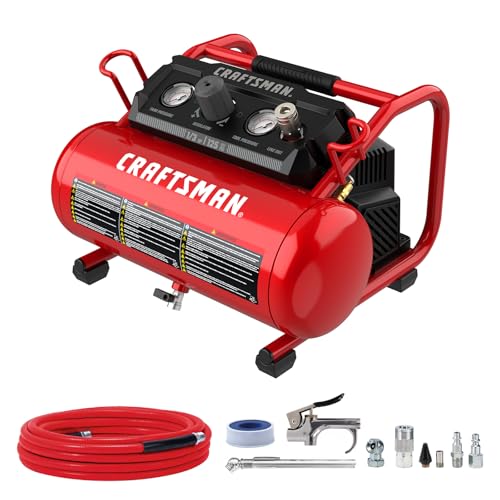
CRAFTSMAN Air Compressor 2 Gallon 125 PSI
More Details On Our Top Picks
The Klutch leans into size and recovery, so it makes more sense in a garage than in a cramped storage closet. A 29-gallon vertical tank gives you room for longer runs, while 175 PSI and 5.1 CFM at 90 PSI point toward steadier tool support for nailing and paint work.
That larger footprint is the trade-off, though the wheeled layout helps once you need to move it across a concrete floor. The oil-free setup keeps upkeep simpler, and the tank drain matters because moisture management is part of ordinary compressor ownership, not an afterthought.
Strong Points
- The 29-gallon tank suits longer sessions without constant pauses.
- 5.1 CFM at 90 PSI helps the unit stay useful for common shop tools.
- Large wheels make garage repositioning less awkward.
- Oil-free operation keeps routine maintenance lighter.
- The tank drain is a practical detail for regular moisture cleanup.
Things To Consider
- The vertical body needs more permanent floor space than the smaller tank models in this roundup.
- It suits stationary work better than frequent car travel.
Feature Rundown
Who It Suits Best
Weekend garage users and homeowners who need one compressor for nailing, tire work, and paint prep fit this setup well.
A Better Fit Elsewhere
The VEVOR 13-Gallon Air Compressor 2HP 66dB suits you better when you want a smaller shop footprint with less noise in a shared space.
This VEVOR sits in a useful middle ground, bigger than a tiny portable unit but still far easier to place than the 29-gallon Klutch. The 6.3-gallon tank, 2 HP motor, and 3.35 CFM at 90 PSI make sense for tire inflation, light painting, and the sort of auto repair jobs that don’t need a huge compressor.
The double-cylinder intake design is aimed at faster filling, and the silicone plus braided mesh intake line is a nice durability touch for regular garage use. Noise control comes from twin silencers, so it should feel more manageable in a home workshop than louder open-frame styles, though it still occupies a real spot on the floor.
What We Like
- The mid-size tank gives you more breathing room than the 2-gallon models here.
- 3.35 CFM at 90 PSI supports a wider spread of common air tools.
- The dual-intake setup helps shorten refill waits in day-to-day use.
- Silencer hardware makes it easier to live with in a garage workshop.
- The reinforced intake line adds a practical durability cushion.
Minor Gripes
- It still needs more storage space than the compact tire inflator in this list.
- Owners who move tools constantly may find the tank size less convenient.
- Cleaning and moisture draining remain part of regular compressor care.
Details At A Glance
Right Fit For
Home mechanics and DIY painters who want a versatile middle-size compressor without going all the way to a heavy shop unit fit this one well.
Swap It Out When
The MZB 2.4 Gallon Ultra Quiet Air Compressor 70dB makes more sense for tighter interiors where lower noise matters more than tank volume.
The Craftsman 2-gallon hot-dog style compressor is the kind of compact tool that fits beside a workbench without taking over the room. Its 125 PSI max pressure and 0.5 CFM at 90 PSI place it firmly in light-duty territory, which is fine for inflation, brad nailers, and other small tasks around the house.
The oil-free pump keeps upkeep simple, and that matters more than it sounds when you want a grab-and-go unit rather than a machine that asks for regular attention. You may find the airflow modest for sustained tool use, but that same restraint helps keep the form factor easy to store and carry.
Upsides
- The 2-gallon tank is easy to tuck away in small garages or closets.
- Oil-free design reduces the maintenance routine you need to think about.
- Lightweight construction suits quick moves between jobs.
- 125 PSI gives it enough ceiling for basic inflation and trim work.
Room For Improvement
- 0.5 CFM at 90 PSI is modest for longer air-tool sessions.
- It’s better for stop-and-go tasks than continuous workload.
- The small tank means more frequent refill cycles.
Core Details
Whose Shelf It Belongs On
Homeowners who want a small, simple compressor for occasional inflation and trim nailing will get the most from this unit.
Another Choice May Suit
The ECOMAX Air Compressor 6 Gallon 150 PSI Pancake suits you better for starter workshop work that needs more tank reserve and a fuller accessory kit.
ECOMAX takes the familiar pancake shape and gives you a 6-gallon tank with 150 PSI, which is a comfortable place to land for general home use. The included 10-piece accessory kit is part of the appeal here, because a lot of first-time setups need more than just the compressor itself.
That kit value matters most in garages where you want a ready-to-go bundle for inflation and light tool work. The oil-free tank keeps day-to-day upkeep easier, though the pancake format still benefits from sensible storage and a dry drain routine after use.
Reasons To Buy
- The 6-gallon tank is roomy enough for many household projects.
- 150 PSI gives you a useful pressure cushion for common tasks.
- The accessory kit helps you get started with fewer separate add-ons.
- Oil-free design keeps routine care straightforward.
Soft Spots
- The pancake layout still needs a dedicated shelf or floor corner.
- Accessory bundles are handy, but you’ll still want to check each piece for your own tools.
Feature Card
The Right Fit
Starter DIYers who want a versatile home compressor with a helpful accessory bundle should feel comfortable here.
Where A Sibling Pick Shines
The Klutch 29-Gallon Air Compressor 2.5 HP 175 PSI suits you better for longer tool runs and bigger garage projects.
This OlarHike unit is less of a shop compressor and more of a road companion, which is exactly why it stands apart from the tank-style picks above. The 12,000mAh battery, dual-power 12V and cordless setup, and 150 PSI rating are built around tire care for cars, pickups, Jeeps, SUVs, and RVs.
The digital pressure gauge is the part you’ll notice most during routine use, since tire checks become much easier to read at a glance. The trade-off is simple: this is the most travel-friendly option here, but it is not trying to replace a larger compressor for nailers or spray guns.
Best Bits
- The cordless battery setup is handy for roadside use.
- Dual-power support gives you more flexibility in the driveway or on the road.
- The digital gauge makes pressure checks easier to read.
- 150 PSI is plenty for tire inflation tasks.
- The portable shape fits neatly in a trunk or cargo area.
Areas To Watch
- It’s tuned for tires, not for running shop air tools.
- The battery format adds charging habits to your routine.
- Storage is easy, but it still needs to be kept charged for travel use.
Feature Snapshot
Built With In Mind
Drivers who want a compact inflator for everyday checks and long trips will get the most out of this model.
Look Elsewhere When
The Craftsman 2 Gallon Portable Air Compressor CMXECXA0200243 makes more sense for small garage tasks that need a tank and a little more versatility.
The 13-gallon VEVOR is the model here that feels closest to a general-purpose home workshop tool. With 2 HP, 4.6 SCFM at 90 PSI, and a 125 PSI maximum, it has more breathing room than the smaller compressors above, while the 66dB noise figure makes it a better neighbor in shared spaces.
That quieter profile matters more than people sometimes expect, especially in a garage attached to living space or a shop where conversation still happens. Oil-free construction keeps upkeep lighter, but the larger tank still deserves the usual moisture drain and a spot where its size won’t get in the way.
Highlights
- The 13-gallon tank offers a generous working reserve.
- 4.6 SCFM at 90 PSI supports more demanding home tasks.
- 66dB operation is easier to live with than louder shop units.
- Oil-free design simplifies upkeep.
- It fits tire inflation, woodworking, auto repair, and spray painting in one frame.
Points To Note
- The larger body takes more storage planning than the 2-gallon units.
- Noise is lower, but it still isn’t silent in a small room.
- Moving it around a jobsite can feel less casual than a compact inflator.
Technical Sheet
Perfect Match For
Home workshop owners who want one compressor that can cover multiple tasks without feeling oversized should find this a strong fit.
Skip It When
The OlarHike 12000mAh Tire Inflator Portable Air Compressor is the better match for trunk storage and roadside tire support.
Noise-sensitive spaces are where the MZB stands out, since a 70dB rating and steel tanks make it feel more workshop-friendly than many compact compressors. The 2.4-gallon capacity is small, but the 5.65 CFM figure at 90 PSI gives it more substance than some tiny inflators, so you can use it for spray painting, auto repair, or light carpentry work.
The 110V, 60Hz setup keeps it straightforward for standard home power, and the oil-free design cuts down on routine attention. The honest read is that this is still a small tank, so it favors shorter bursts and careful planning rather than long continuous use.
Bright Spots
- 70dB operation is appealing in garages where noise carries.
- Steel tanks add a sturdier feel than many lightweight portable units.
- 5.65 CFM at 90 PSI gives it respectable output for its size.
- Oil-free operation keeps routine care simple.
- It handles several home-shop tasks without demanding a huge footprint.
Small Caveats
- The 2.4-gallon tank still favors shorter sessions over extended tool run time.
- Noise is lower, but the compressor still needs a sensible place to sit.
- Users who need big air reserves will outgrow it faster than the larger VEVOR units here.
Feature Card
Who Should Grab It
People working in attached garages, small shops, or home craft areas where lower noise matters should pay close attention to this one.
Where A Sibling Pick Shines
The VEVOR 13-Gallon Air Compressor 2HP 66dB suits you better for broader workshop duties and a larger air reserve.
This CRAFTSMAN version stays close to the small, practical end of the category, which makes it easy to store and easy to understand. A 2-gallon tank, 125 PSI ceiling, and oil-free, lightweight build fit the sort of home jobs that come up without much planning, and the 10-piece accessory kit adds useful starter value.
Compared with the Craftsman CMXECXA0200243 above, this model is aimed at the same compact-use space, so the decision often comes down to the accessory kit and how you want the setup to feel. For casual inflation and simple garage tasks, that plainspoken approach is part of the charm, though it still isn’t the right tool for sustained air demand.
Positives
- The compact 2-gallon size fits neatly in small storage areas.
- Lightweight construction makes short moves less of a chore.
- The accessory kit helps cover basic setup needs.
- Oil-free design trims down regular maintenance.
Trade Offs
- It is better suited to light-duty use than to prolonged tool running.
- The small tank means more frequent refill cycles.
- Home users who want more versatility may prefer the ECOMAX 6-gallon pancake instead.
Quick Facts
Made For
Casual home users who want a small compressor for occasional inflation and simple maintenance work will feel right at home here.
A Better Fit Elsewhere
The Klutch 29-Gallon Air Compressor 2.5 HP 175 PSI suits you better for garage builds that call for more sustained air and a larger tank.
How To Choose The Right Budget Air Compressors
Tank Size And Portability
Tank size shapes the whole experience. A 2-gallon model is easy to stash and carry, while 6 to 13 gallons gives you more reserve for nailers, painting prep, and shop tasks that need steadier air. A 29-gallon upright like the Klutch feels more like a garage fixture, which is useful for longer sessions but less friendly in tight storage spaces.
Portability matters just as much as capacity. Pancake tanks sit low and stable, hot-dog tanks stay compact, and wheel kits help larger compressors move across concrete without much strain. A tire inflator such as the OlarHike plays a different role entirely, since trunk space and roadside convenience matter more than air reserve.
Airflow, Pressure, And Real Use
CFM, or cubic feet per minute, tells you how much air the compressor can deliver over time. That number matters more than PSI alone for tool use, because a compressor can show decent top pressure and still struggle to keep a nailer or spray gun happy. The VEVOR 13-gallon unit, with 4.6 SCFM at 90 PSI, is more suited to broader shop work than the compact Craftsman 2-gallon options.
Pressure still matters for specific jobs. Tire inflation and short bursts of air can live happily with moderate PSI, while bigger garage tasks benefit from a higher ceiling like the Klutch’s 175 PSI or the ECOMAX’s 150 PSI. Match the spec to the job, and you avoid paying for output you won’t use.
Noise And Maintenance
Noise is easy to ignore on a product page and hard to ignore in a garage attached to a house. Lower-decibel units like the MZB 70dB model and the VEVOR 66dB compressor are more comfortable for regular home use, especially where conversations, sleeping kids, or close neighbors are part of the picture. A quieter compressor still makes noise, but it feels less intrusive during longer projects.
Maintenance is mostly about keeping the oil-free pump clean, draining moisture from the tank, and storing the unit in a dry spot. Oil-free designs cut one layer of upkeep, which suits casual users and weekend DIYers. Larger tanks usually need a little more attention simply because they hold more air and more condensation.
Match The Tool To The Job
Think about the work you actually do, not the work you hope to do someday. Tire inflation and emergency roadside use point you toward the OlarHike inflator, while trim work and small home repairs fit the compact Craftsman models. Once you start spray painting or using air tools more often, the mid-size VEVOR units become the smarter lane.
A Quick Reality Check Before You Choose
Common Shopping Slip Ups
A lot of people focus on tank size and ignore airflow, which can lead to a compressor that fills nicely but feels weak under load. Another common miss is forgetting about storage height, especially with upright tanks like the Klutch. Quiet operation can also sound optional until the compressor sits near a bedroom wall or inside an attached garage.
Accessory kits deserve a careful glance too. A 10-piece bundle helps with setup, but it doesn’t automatically replace the fittings you already need for a specific tool. Measure your space, match the airflow, and then decide whether the extras are actually useful.
What The Higher Tier Buys
More money in this category usually buys more tank volume, stronger airflow, lower noise, or a sturdier build. That shows up in models like the VEVOR 13-gallon compressor, where quieter operation and more reserve make the machine easier to live with over time. You’re paying for smoother ownership, not just a bigger box.
The upgrade makes sense when the compressor will see regular work rather than occasional tire checks. A shop user, a dedicated DIY painter, or someone who hates refill pauses will feel the difference fast. For simple inflation, the jump may be unnecessary.
Frequently Asked Questions
What size air compressor works for most home jobs?
A 2 to 6 gallon compressor handles many home tasks, especially inflation, trim nailing, and light cleanup. A larger tank helps when you want fewer pauses between cycles.
Is an oil-free compressor easier to own?
Yes, oil-free models usually ask less of you in day-to-day care. You still need to drain moisture and keep the unit clean and dry.
What does CFM tell you?
CFM shows how much air the compressor can deliver over time. Higher CFM helps tools that keep drawing air instead of working in short bursts.
Are quieter compressors worth it?
They make a real difference in attached garages, basements, and shared work areas. That matters most when you spend longer around the machine rather than using it only now and then.
Which type is best for tire inflation?
A portable inflator like the OlarHike suits tire work better than a large shop compressor. It stays easier to carry, store, and use on the road.
Closing Thoughts
You do not need the biggest compressor to get useful work done, only the one that fits your space and the tasks on your list. Small models keep life simple, mid-size tanks handle the broadest range of home jobs, and the larger upright units earn their place when you want steadier air for longer stretches. For road use, the cordless inflator stands apart for obvious reasons. Choose the shape that matches your routine, and the rest gets much easier.




