


You want a sharper chisel without turning your bench into a guessing game. The right setup keeps bevels consistent, speeds up touch-ups, and cuts down on the kind of drift that makes woodworking feel harder than it should. That matters in a busy home shop, a garage with limited space, or a workbench where you sharpen often and want the process to stay calm.
Quick Look At Our Shortlist
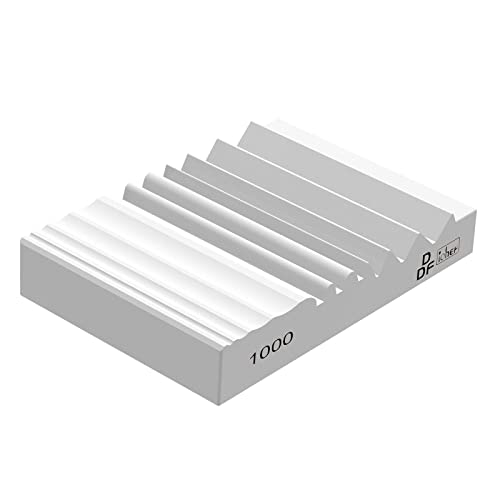
Wood Carving Sharpener 1000 Grit Whetstone

8 Inch Deluxe Blade Sharpening Kit
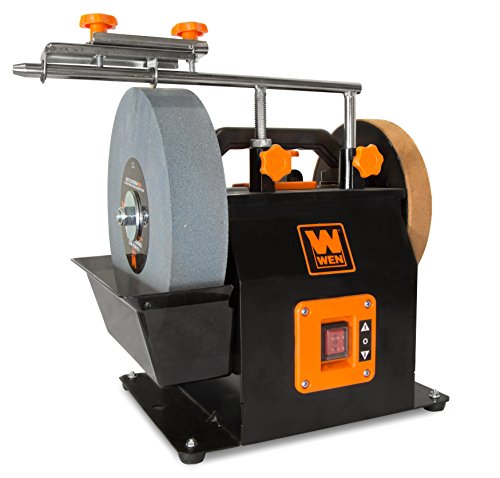
WEN BG4270T 10-Inch Two-Direction Wet/Dry Sharpening System

Saker Chisel Sharpening Jig
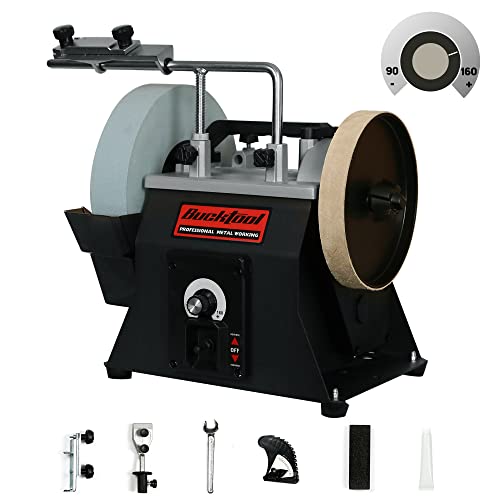
BUCKTOOL 10″ Variable Speed Wet Sharpening System

3M 7 Sheet PSA Lapping Microfinishing Film

Sharp Pebble Honing Guide for Chisels and Planes

Chisel Sharpening Jig Wood Honing Guide
More Details On Our Top Picks
The grooved layout makes this DDF iohEF stone feel built for shaped edges, not just straight knives. In a small carving bench, that matters because gouges and chisels need a stable place to seat while you keep the edge consistent. The 1000 grit surface sits in the useful middle ground, coarser than a finishing stone but smoother than a rough repair tool.
You may find it especially handy for woodcarving kits that see regular touch-ups rather than full reshaping. The trade-off is simple, a single-grit stone will not do every step by itself, so you still need a broader sharpening routine around it. For hobby carvers and light joinery work, though, it keeps the process tidy.
Strong Points
- Grooves help guide curved tools with less wandering.
- 1000 grit suits routine edge maintenance.
- Works well for chisels and gouges in one stone.
- Simple, low-fuss format fits compact workspaces.
Things To Consider
- A single grit level limits how far the stone can take a dull edge.
- Grooved stones usually need careful cleaning so swarf does not build up.
- Carving users with many profile shapes may still want a broader kit.
Feature Snapshot
Who It Suits Best
Woodworkers who sharpen gouges, carving knives, and chisels by hand get the most from this stone.
Look Elsewhere When
Sharp Pebble Honing Guide for Chisels and Planes suits you better when angle control matters more than stone shape, especially for bench chisels.
Razor Sharp Edgemaking System takes a very direct route, which is part of the appeal. Rather than asking you to replace your grinder setup, this kit is built to work with a 6-inch bench grinder, so it fits a workshop that already has the machine on hand. The quick-results claim points to a fast workflow, useful for tool maintenance between projects.
The honest read is that this style favors speed and familiarity over delicate hand control. That makes it a sensible match for workshops where chisels, knives, and other edged tools get frequent refreshes. Compared with the WEN wet system later in the list, it leans more toward fast grinding than slow, temperature-conscious finishing.
What We Like
- Pairs with a 6-inch bench grinder, so setup feels straightforward.
- Fast sharpening workflow suits busy shops.
- Good fit for tools that need regular edge refreshes.
- Made in the USA may matter to some woodworkers.
Minor Gripes
- It depends on having the right grinder already in place.
- Fast grinding is less forgiving for delicate bevel work.
- Shop dust and grinder alignment still need routine attention.
Details At A Glance
Right Fit For
Workshop owners who want a grinder-based sharpening path with minimal setup friction.
Swap It Out When
BUCKTOOL 10″ Variable Speed Wet Sharpening System suits you better when slower edge work and water cooling matter more than speed.
The water-cooled design gives this WEN system a calmer sharpening rhythm than the grinder-based kit above. In a home shop, that slower approach is useful for chisels and plane irons that you want to keep cool while refining the edge. Two-direction rotation also adds flexibility, especially for users who like the machine to adapt to the tool instead of forcing one workflow.
You may find the 10-inch format more comfortable for regular bench use, though it naturally takes more space than a compact guide or whetstone. Compared with the Saker jig, this is less about holding a tiny tool at a fixed angle and more about giving you a full wet sharpening station. For steady, deliberate sharpening, that trade can feel worth it.
Highlights
- Water cooling supports slower, more controlled sharpening.
- Two-direction rotation adds useful workflow flexibility.
- 10-inch size suits a dedicated sharpening station.
- Good match for chisels, plane irons, and similar edge tools.
Areas To Watch
- It needs more bench room than a small guide or stone.
- Wet systems ask for cleanup after use.
- Slower pace may feel less convenient for quick touch-ups.
Core Details
Whose Shelf It Belongs On
Woodworkers who prefer a dedicated wet sharpening machine for regular bench use.
A Better Fit Elsewhere
Sharp Pebble Honing Guide for Chisels and Planes suits you better for lighter, more portable angle control on small projects.
This Saker jig keeps the focus on angle control, which is where many bench sharpeners need the most help. For short chisels and planes, a honing guide like this makes edge setup less fussy than freehand work, especially in a small shop where you want repeatable results without a large machine. The included diamond stone set adds a practical touch for users who want a more complete kit from the start.
The trade-off is that a jig helps discipline the angle, but it still asks you to pay attention to setup and clamping. Compared with the WEN machine, this is lighter, simpler, and easier to store, though it will not replace a powered station for larger sharpening jobs. For beginners and casual woodworkers, that balance feels sensible.
Positives
- Honing guide format helps keep bevels consistent.
- Useful for short chisels and plane blades.
- Diamond stone set adds more immediate utility.
- Compact design is easier to store than a large machine.
Softer Spots
- Set-up accuracy still depends on your clamping and positioning.
- Manual guidance can feel slower than powered sharpening.
Feature Card
Built With In Mind
Beginners and space-conscious hobbyists who want more control without buying a full sharpening station.
Where A Sibling Pick Shines
Sharp Pebble Honing Guide for Chisels and Planes suits you better when you want a wider fit range for both chisels and planer blades.
BUCKTOOL moves deeper into serious sharpening territory with variable speed, water cooling, and a leather wheel for finishing. That combination makes more sense for users who sharpen chisels, plane irons, axes, and knives often enough to care about control from one stage to the next. The 90 to 160 RPM range matters because slower wheel movement generally gives you more breathing room during edge work.
Compared with the WEN machine, this one leans harder into adjustability, which can be a better fit for a dedicated shop routine. The angle jig also helps keep the process organized, though the larger footprint and multi-part setup are not the kind of thing you tuck away casually. For frequent sharpeners, that extra structure can feel like a real upgrade.
Upsides
- Variable speed gives you more control over sharpening pace.
- Water-cooled design supports cooler edge work.
- Leather wheel adds a useful finishing stage.
- Angle jig broadens tool compatibility across a busy shop.
- Works across chisels, plane irons, axes, and knives.
Room For Improvement
- Its bigger setup asks for dedicated bench space.
- More parts mean more cleaning after use.
- Variable-speed machines usually reward a little setup patience.
Technical Sheet
Perfect Match For
Frequent sharpeners who want a slower, more adjustable wet system for a mixed tool set.
Not Your Match When
Wood Carving Sharpener 1000 Grit Whetstone fits you better for portable carving touch-ups and smaller work areas.
This Taytools film pack speaks to the “Scary Sharp” style, where you build a sharpening surface from adhesive-backed microfinishing sheets. PSA means pressure-sensitive adhesive, so the film sticks to a flat backing and turns a sheet into a controlled abrasive layer. That setup works well for users who already like a clean, planar sharpening routine and want repeatable grit progression.
The trade-off is maintenance, since film systems depend on a flat base and fresh sheets rather than a long-wearing stone. Compared with the wet machines in this roundup, it is quieter and simpler, but it also asks you to manage your own backing surface and replace consumables as needed. For edge purists and small shops, the flexibility is a real advantage.
Best Bits
- Seven-sheet set covers a wide grit spread.
- PSA backing makes setup straightforward on a flat base.
- Works well for clean, repeatable sharpening stages.
- Compact sheets store easily in a drawer or kit.
Points To Note
- Film systems depend on a flat backing surface.
- Sheets are consumables, so you replace them over time.
- Best suited to users who enjoy a very controlled routine.
Quick Facts
Who Should Grab It
Shoppers building a flat-surface sharpening setup with clear grit progression and compact storage needs.
Skip It When
BUCKTOOL 10″ Variable Speed Wet Sharpening System suits you better for a powered station that handles heavier sharpening chores.
Sharp Pebble takes a broad, workshop-friendly approach, which is useful when your bench tools vary from one project to the next. The fit range for chisels and planer blades gives this guide real utility for mixed tool collections, especially for users who sharpen both narrow and wider blades. Stainless steel construction also points to a durable, wipe-clean body that should suit regular bench use.
Compared with the Saker jig, this one offers broader stated compatibility, so it can be a better match for a shop with more blade sizes in rotation. The catch is still the same as most guides, setup accuracy matters more than the label on the box. For many home woodworkers, though, that trade-off is exactly what makes a honing guide worthwhile.
Reasons To Buy
- Wide size range suits many chisels and planer blades.
- Stainless steel body is a practical material for workshop use.
- Helps keep honing angles more repeatable.
- Good middle-ground option for mixed tool collections.
Worth Noting
- Honing guides still depend on careful clamping and setup.
- Manual sharpening takes longer than powered systems.
At A Glance
The Right Fit
Home woodworkers who keep a mix of chisels and planer blades on hand and want one guide that covers both.
Reach For A Different Pick When
Wood Carving Sharpener 1000 Grit Whetstone suits you better for curved carving tools that need a grooved stone surface.
Gohelper leans into flexibility, and the wide width range is the headline feature here. A honing guide with a 10° to 45° angle gauge gives you more room to match different bevel needs, which can help in a shop that handles several tool styles. The included two sharpening stones make the kit feel more complete than a bare guide, especially for someone starting from scratch.
Compared with the Sharp Pebble guide, this one reaches across a broader stated chisel width span, so it may suit larger or more varied tools. The trade-off is that more adjustment range can mean more attention during setup, and that’s not ideal for someone who wants a purely simple path. For users who value flexibility first, it lands well.
Bright Spots
- Wide width range supports many chisel sizes.
- Angle gauge from 10° to 45° adds useful setup flexibility.
- Two included sharpening stones give the kit a fuller start.
- Handy for shops that use multiple tool types.
Small Caveats
- Broader adjustment range can take a little more setup care.
- Storage is still simpler than a powered machine, but it’s more involved than a lone stone.
Feature Rundown
Made For
Woodworkers who want one guide with broad size coverage and built-in angle flexibility.
Another Choice May Suit
Saker Chisel Sharpening Jig suits you better for a simpler, more compact guide-focused setup.
How To Choose The Right Chisel Sharpening Systems
Start With Your Sharpening Style
Hand sharpeners usually prefer whetstones, lapping film, or honing guides because those tools keep the process quiet and compact. Powered systems make more sense in a busy shop, especially when you sharpen several chisels, plane irons, or carving tools in one session. The right answer depends less on the label and more on how often you sit at the bench.
Water-cooled machines suit slower, more controlled work, while grinder-based kits suit fast edge refreshes. A guide and stone setup asks for more hand skill, but it also gives you more control over storage and cleanup. That contrast matters for home shops where space is tight.
Match The Tool To The Edge You Keep
Curved carving tools and gouges benefit from grooved stones that cradle the blade shape. Straight chisels and plane irons usually do better with honing guides that keep the bevel angle consistent. For mixed toolkits, a flexible jig with a wider fit range can save you from juggling separate systems.
Grit range matters too. Coarser abrasive stages remove more material, while finer grits refine the edge for cleaner cuts. For most hobby woodworkers, a staged setup is easier to live with than a single all-purpose abrasive.
Think About Space, Cleanup, And Storage
A wet sharpening station asks for bench room, water management, and a little cleanup after use. That is worth it for frequent sharpeners, but it can feel like overkill in a small garage where every square inch counts. Stones, guides, and film sheets stay much simpler to store.
Maintenance follows the same pattern. Film systems and stones need surface care, while powered machines need alignment checks and more moving parts kept in order. The simpler the setup, the easier it usually is to keep using week after week.
Use Build Quality As A Sorting Tool
Stainless steel guides tend to suit regular workshop use because they wipe down easily and hold up well to repeated handling. Diamond stones, leather wheels, and variable-speed motors add cost, but they also add steps that can make sharpening more controlled. That upgrade path makes sense when you sharpen often enough to feel friction in your current setup.
For a first sharpening system, you do not need everything at once. Start with the format that matches your tools and your bench space, then add complexity only when your routine starts asking for it. That keeps the purchase practical instead of decorative.
Things Worth Knowing First
Common Shopping Slip Ups
Many people focus on grit or wheel size and forget the tool shape they actually sharpen. A curved gouge, a short chisel, and a long plane iron do not ask for the same support. The better move is to match the system to the blade profile first, then worry about extras.
Another common miss is overbuying a powered station for light touch-ups. A simple guide or whetstone often suits small bench jobs better, especially in a shop that lacks room for another machine.
What The Higher Tier Buys
More expensive systems usually add speed control, water cooling, larger wheels, or more precise angle support. Those features matter because they make repeated sharpening easier to manage and reduce the need to work around the machine.
You usually pay for control, consistency, and materials that feel sturdier in daily use. That upgrade makes sense for frequent sharpening sessions, while occasional users often do just fine with a guide and stone.
Frequently Asked Questions
What kind of chisel sharpener works best for beginners?
A honing guide is usually the easiest place to start because it helps hold a steady angle. Pair it with a stone or film system and you get a clear, low-stress routine.
Do wet sharpeners make sense for a small shop?
They do, but only when you sharpen often enough to justify the bench space and cleanup. A compact guide or whetstone fits tighter work areas more easily.
Is a grooved stone useful for chisels?
Yes, especially for shaped carving tools and gouges that need support beyond a flat surface. Straight bench chisels still tend to work better with a guide.
Why do some systems include a leather wheel?
A leather wheel gives you a separate finishing step after shaping the edge. That helps refine the feel of the blade without forcing you back to a coarse abrasive.
Can one sharpening system handle both chisels and plane irons?
Yes, several guides and wet machines in this roundup handle both. A broad fit range matters most when your bench tools vary a lot in width.
Final Thoughts
The right chisel sharpening setup should fit your bench, your tools, and how often you touch up an edge. A grooved stone works well for carving tools, a honing guide keeps bench chisels honest, and a wet machine suits slower, more deliberate sharpening. That gives you room to choose based on habit, not hype. Pick the format that matches your shop rhythm, and the rest tends to feel easier.




