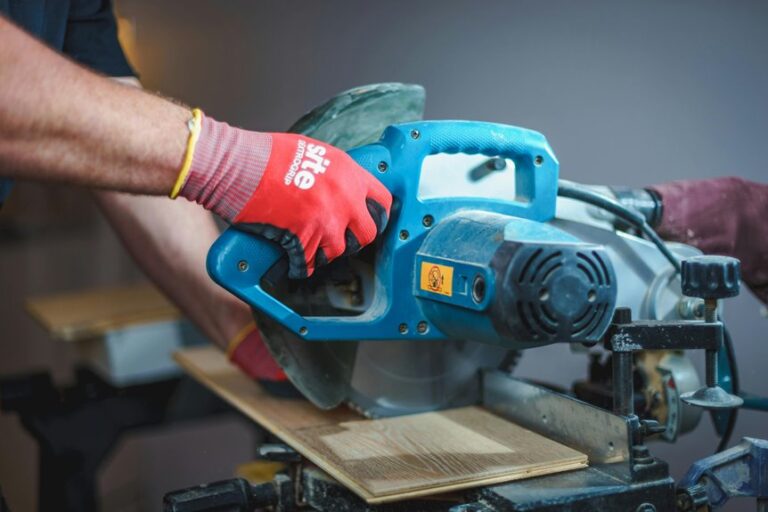
Woodworking chops and trim work ask for different tools, so a short list helps you sort out what fits your shop. Some of these picks are true saws for cutting stock, while others suit detail work, blade upgrades, or cordless trim jobs that often sit in the same conversation. You get a cleaner path to the right match without sorting through a pile of lookalikes.
That matters most when you’re working in a garage, finishing baseboards, or moving between a jobsite and a bench setup. The right choice depends on cut width, bevel range, power source, and how much space you can spare. A compact saw can feel wonderfully easy to live with, while a larger slider gives you more reach, like a longer workbench that keeps awkward cuts from feeling cramped.
Quick Look At The Shortlist

IRWIN Tools ProTouch Coping Saw 2014400

Evolution Power Tools R185SMS+ Sliding Miter Saw

DEWALT 20V MAX 7-1/4-Inch Miter Saw DCS361M1
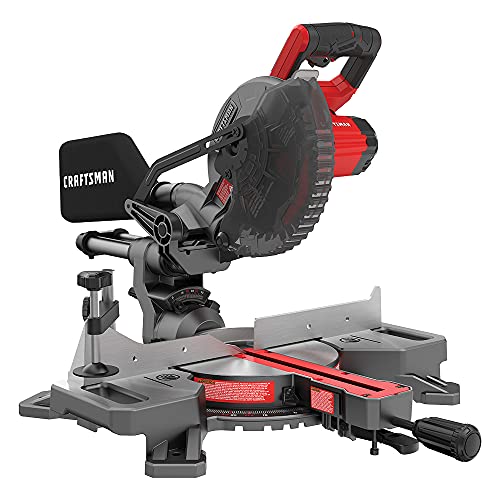
CRAFTSMAN V20 Cordless Sliding Miter Saw CMCS714M1

DOVAMAN Updated 10-Inch Sliding Miter Saw 5000/3200RPM

DOVAMAN Updated 10-Inch Sliding Miter Saw 5000/3200RPM

Makita LS1040 10-Inch Compound Miter Saw

WEN BL1248 12-Inch 48-Tooth Carbide-Tipped Woodworking Saw Blade
Hand work still has a place in a woodworking shop, and this coping saw fits that quieter side of the job. The flat-bar frame and DuraSteel pins point toward durability, while the high-speed steel blades suit detailed cuts in a range of materials.
You’ll get the most from it during trim fitting, pattern work, and other jobs where control matters more than raw reach. Compared with the larger saws farther down this list, it’s a very different tool, but that difference helps when you need finesse around tight joints or curved lines.
What We Like
- High-speed steel blades handle detailed cutting tasks with steady bite.
- Flat-bar frame adds a sturdier feel than flimsy hobby saws.
- DuraSteel pins support repeat use in a busy hand-tool drawer.
- Light, simple design makes storage and setup almost effortless.
Small Caveats
- It’s a hand tool, so larger stock calls for patience and a careful pace.
- Blade changes and cleanup matter more here than on powered saws.
Feature Snapshot
Who It Suits Best
Trim carpenters, hobby woodworkers, and detail-focused DIYers will get the most value from this compact hand saw.
A Better Fit Elsewhere
For long crosscuts and faster bulk work, the Makita LS1040 10-Inch Compound Miter Saw suits a shop that leans on powered cutting more often.
This one speaks to shops that don’t stay inside a single material lane. The sliding design, 45-degree bevel range, and 50-degree miter range give you room for angled trim and wider cuts, while the included blade and 210 mm slide add to its practical reach.
For mixed-material projects, that flexibility can save you from swapping tools as often. Compared with the IRWIN hand saw, this feels like a very different kind of convenience, and the trade-off is the usual one: more capability also means more machine to store and maintain.
Highlights
- Sliding action opens up broader cuts than a basic chop saw.
- Bevel and miter ranges cover a useful spread of angle work.
- Multi-material focus suits wood, plastic, and metal tasks.
- Included blade gets the machine into service without extra setup.
- 210 mm slide helps with longer pieces in a home shop.
Areas To Watch
- Its feature set asks for more bench space than the compact hand-tool option.
- Mixed-material cutting still depends on using the right blade and pace for the job.
- More moving parts usually means more cleaning around the rails and guard area.
Core Details
Built With In Mind
Woodworkers who handle trim, plastics, and occasional metal cutting in one space will appreciate the broad range.
Where A Sibling Pick Shines
The WEN BL1248 blade makes more sense for a wood-only shop that already owns a saw and wants a cleaner finish rather than a full machine upgrade.
Cordless convenience changes the rhythm of a cutting day. The 20V MAX platform and 7-1/4-inch size make this a sensible fit for jobs where outlet access is awkward, and the compact blade size keeps the saw easier to move between spaces.
It feels especially relevant for installers, finish carpenters, and anyone who works around porches, garages, or tight interior spaces. Compared with the Evolution model, you give up some material breadth, but you gain a cleaner path to mobile work.
Best Bits
- Cordless design keeps the saw useful in spaces without a nearby outlet.
- 7-1/4-inch size helps with transport and storage in a small van or shop.
- DEWALT’s 20V MAX ecosystem suits users already carrying compatible tools.
- Lower bulk makes setup easier for quick trim runs and punch-list jobs.
Points To Note
- Battery-powered tools usually ask you to think more about runtime management.
- Smaller blade size can feel limiting on wider lumber or oversized trim.
- Jobsite dust cleanup still matters around the fence and pivot points.
Technical Sheet
Whose Shelf It Belongs On
Mobile woodworkers and installers who move from house to house will get the most from this format.
Look Elsewhere When
The CRAFTSMAN V20 Cordless Sliding Miter Saw CMCS714M1 suits a trim setup better when you want a sliding head in the same cordless footprint.
CRAFTSMAN takes the cordless idea and adds sliding capacity, which makes this version feel more flexible than the DEWALT above for repetitive trim cuts. The 3,800 RPM motor and 8-inch crosscut at 90 degrees give you useful room for baseboard, hardwoods, and dimensional lumber around a small shop.
It makes sense for you if you want one saw to handle house trim and weekend projects without staying tied to a wall outlet. The single-bevel setup is simpler than dual-bevel machines, and that simplicity is part of the appeal, even if you’ll need to flip stock for some angled work.
Upsides
- Sliding head improves reach over standard cordless miter saws.
- 3,800 RPM motor gives the saw enough pace for common trim materials.
- Battery and charger included helps shorten the setup path.
- Compact blade size keeps it easier to move and tuck away.
Room For Improvement
- Single bevel means more stock handling for certain angled cuts.
- Owners in cramped garages may still need to plan for slide clearance.
- Keeping rails and the slide path clean matters for smooth operation.
At A Glance
Right Fit For
DIY trim work, weekend furniture projects, and small-shop users who want cordless convenience with sliding reach fit this saw well.
Skip It When
The DEWALT 20V MAX 7-1/4-Inch Miter Saw DCS361M1 suits you better for lighter mobile work where the simpler cordless format matters more than slide capacity.
Large-capacity sliders can feel like a breath of fresh air in a busy workshop, and this DOVAMAN model leans hard into that role. The 10-inch format, 0 to 45 degree bevel cut, laser guide, and nine positive stops give you a lot of control for repeat work, while the ambidextrous operation helps the tool suit more setups.
The max cut size of 3.5 by 13.4 inches makes this a strong match for wider stock, and the dual-speed layout is handy for different materials. Compared with the cordless 7-1/4-inch picks, this one is less about portability and more about a steady bench role that can handle serious trim or framing-style tasks.
Reasons To Buy
- 10-inch sliding format brings noticeably more cutting room.
- Laser guide helps line up cuts more quickly in a crowded shop.
- Nine positive stops support repeat angle work with less guessing.
- Ambidextrous layout suits shared use in family or class shops.
- Wide max cut size supports larger boards and awkward trim pieces.
Softer Spots
- It asks for more bench space than the smaller cordless saws.
- Sliding parts and the laser area will need regular dust cleanup.
- Heavier shop tools can be less convenient to move around often.
Details At A Glance
Made For
Serious home workshops and semi-dedicated cut stations suit this saw best, especially where wide boards and repeat angles show up often.
Another Choice May Suit
The Makita LS1040 10-Inch Compound Miter Saw fits a more classic shop setup better when you want a straightforward bench saw without the added sliding complexity.
This DOVAMAN listing matches the same core shape as the model above, but the value here is in the way it fits a shared workspace. Ambidextrous operation matters more than it sounds on paper, especially in a shop where left-handed and right-handed users take turns at the saw.
The 3 TCT blades, laser guide, and 9 positive stops make it feel prepared for a mixed workload of boards, trim, and repeat angle cuts. Compared with the Evolution pick, it looks more focused on woodworking flexibility inside one workshop rather than broad material cutting across very different jobs.
Standout Traits
- Ambidextrous layout suits shared workstations and team use.
- Three included TCT blades help cover different material needs.
- Laser guide supports faster line-up on common cuts.
- Dual-speed setup gives the saw a broader working range.
Worth Noting
- Shared use means the controls and fence need a little more care.
- Like most sliding saws, it rewards regular rail cleaning.
- The feature list is broad, so setup takes more attention than basic saws.
Feature Rundown
Best Suited To
Shared workshops, training spaces, and woodworkers who want a flexible bench saw with plenty of adjustment room fit this pick well.
Where Shoppers Go Wrong
The CRAFTSMAN V20 Cordless Sliding Miter Saw CMCS714M1 fits better for someone who wants less bench clutter and more grab-and-go convenience.
The Makita LS1040 has the feel of a steady shop fixture, which helps explain why it belongs in a woodworking shortlist. A 10-inch compound miter saw like this suits repeat trim jobs, framing-style cuts, and bench setups where you want a familiar layout instead of a lot of extra features.
Its strength is straightforward usefulness, and that can be a relief in a shop that already has enough complexity. Compared with the DOVAMAN sliders, this one looks simpler and easier to live with, though the trade-off is less of the expanded reach that sliding models bring.
Positives
- 10-inch format works well for common woodworking cut sizes.
- Compound miter layout supports angled work without extra fuss.
- Makita’s familiar shop profile may feel comfortable in long-term use.
- Straightforward design usually keeps maintenance more manageable.
Honest Caveats
- It does not bring the sliding reach of the larger DOVAMAN picks.
- Less feature depth can matter in shops that cut wider stock often.
Quick Facts
The Right Fit
Woodworkers who prefer a classic bench saw for regular trim and angled cuts will feel at home with this model.
Reach For A Different Pick When
The Evolution Power Tools R185SMS+ Sliding Miter Saw makes more sense for mixed-material jobs that need more angle range and sliding capacity.
Blade quality can change the feel of a saw more than many people expect, and this WEN blade is aimed squarely at that upgrade path. The 48-tooth carbide-tipped design suits cleaner woodworking cuts on miter saws and table saws, which makes it useful for finish work where edge quality matters.
It’s not a full saw, of course, but it belongs in this roundup because a better blade can sharpen the behavior of the machine you already own. Compared with the Makita saw, this is the more focused choice for owners who want a cleaner cut line without replacing the whole tool.
Best Bits
- 48-tooth layout supports smoother woodworking cuts.
- Carbide tips help the edge stay serviceable through regular use.
- Works with both miter saws and table saws.
- Good fit for finish carpentry and visible trim work.
Minor Gripes
- It’s an accessory, so it only helps when paired with a saw you already own.
- Blade care and storage matter more than with a full machine.
Core Details
Who Should Grab It
Owners who already have a compatible saw and want cleaner finish cuts for visible work will get the most from this blade.
Not Your Match When
The DEWALT 20V MAX 7-1/4-Inch Miter Saw DCS361M1 fits better for a portable setup that needs the whole cutting tool, not just an accessory.
How To Choose The Right Chop Saws For Woodworking
Cut Size Comes First
Blade size and slide capacity shape what you can cut in one pass. A 7-1/4-inch cordless saw works well for trim and mobile work, while a 10-inch slider gives you more room for wider boards and fuller casing pieces.
That difference matters in real use, not just on a spec sheet. A small shop that mainly handles baseboard may stay happy with a compact saw, while furniture work or room remodeling often benefits from the extra reach of a sliding head.
Match Power To Your Worksite
Cordless saws fit jobsite life, outdoor cuts, and garages where outlets are inconvenient. Corded models usually suit a fixed bench and longer work sessions, especially when you care more about steady power than portability.
Think about where the saw will live. A mobile trim carpenter may favor the DEWALT or CRAFTSMAN picks, while a dedicated home workshop often leans toward the Evolution, DOVAMAN, or Makita style of setup.
Angles Matter More Than Shiny Extras
Bevel means the blade tilts, and miter means the saw head swings for angled cuts. Those two settings decide how well a saw handles crown, framing corners, and compound joinery.
Positive stops help you return to common angles faster, which saves time during repeat cuts. A saw with a clear laser guide can help line up the cut path too, but it should support your layout, not replace careful measuring.
Think About Ownership, Not Just Purchase Day
Sliders need rail cleanup, blade changes matter, and blade storage matters even more for finish quality. Hand tools like the IRWIN coping saw ask less from your bench space but more from your patience and hand control.
That’s why a good match depends on the way you work every week. A tool that feels slightly overbuilt for your current projects can still be the better long-term fit, as long as you have room for it and a real need for its range.
Things Worth Knowing First
Mistakes Worth Dodging
Many shoppers focus on blade size and ignore workspace. A sliding saw with a long travel path can become annoying in a narrow garage, even if the cut capacity looks excellent on paper.
Another common slip is choosing a machine that does more than your projects require. That usually means more cleaning, more setup, and more weight to move around for no real gain.
Where The Extra Money Goes
Higher-tier saws often spend the budget on slide systems, angle memory, better fences, and smoother controls. Cordless units also carry the cost of battery-platform convenience, which helps more than it shows in a spec list.
That upgrade can be worth it for frequent trim work, shared workshops, or projects with mixed materials. For occasional weekend cuts, a simpler saw or even a better blade may give you a smarter return.
Frequently Asked Questions
Do You Need A Sliding Miter Saw For Woodworking?
No, a lot of trim and framing work can be handled by a standard compound miter saw. Sliding models help most when you need extra crosscut reach.
Is A Cordless Miter Saw Strong Enough For Shop Use?
For portable trim work, yes, cordless saws can fit well. A fixed shop saw still makes more sense when you cut for longer sessions at one bench.
What Does A Positive Stop Do?
A positive stop locks in a common angle, so you can return to it quickly. That helps a lot when you repeat the same trim setting over and over.
Why Buy A New Blade Instead Of A Whole Saw?
A better blade can improve cut quality without replacing the machine you already own. That’s a smart move when the saw itself still suits your space and workload.
Which Pick Works Best For Tight Spaces?
The DEWALT 20V MAX 7-1/4-Inch Miter Saw DCS361M1 fits tight spaces well because it’s cordless and compact. The IRWIN ProTouch Coping Saw also stays easy to store for detail-only jobs.
Closing Thoughts
Woodworking gets easier when the saw matches the way you actually build, not the way a spec sheet sounds on paper. For mobile trim work, the cordless DEWALT and CRAFTSMAN models make sense, while the DOVAMAN sliders suit a more fixed workshop. The Makita keeps things simple, and the WEN blade is a smart finishing upgrade for a saw you already trust. Choose the path that fits your space, your cuts, and your patience, and the rest tends to fall into place.