


Claw hammers earn their keep in garages, job sites, and kitchen junk drawers for a reason, and the right one makes hanging, prying, and light demolition feel far less awkward. You want the head weight, handle material, and grip shape to match your hand and your usual jobs, not just the label on the package. This roundup focuses on the details that matter in daily use, from shock control on a long project to a compact hammer for quick household fixes.
Quick Look At The Shortlist

IRWIN Fiberglass Claw Hammer 16 oz. (1954889)
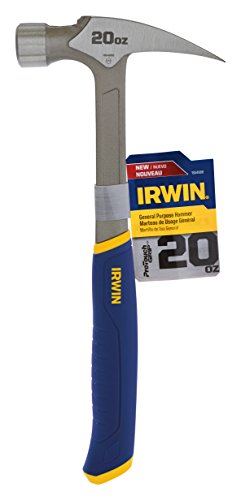
IRWIN Steel Claw Hammer 20 oz. (1954888)

ESTWING Ultra Series Hammer 19 oz E19S

Klein Tools H80718 Straight-Claw Hammer 18 oz.

Edward Tools 16 oz Claw Hammer

ESTWING Ultra Series Hammer 19 oz EB-19SM
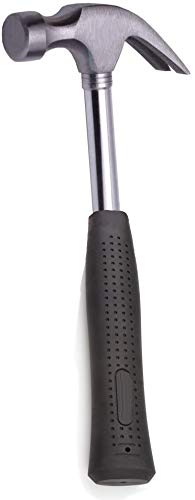
Edward Tools Harden 8 oz Claw Hammer
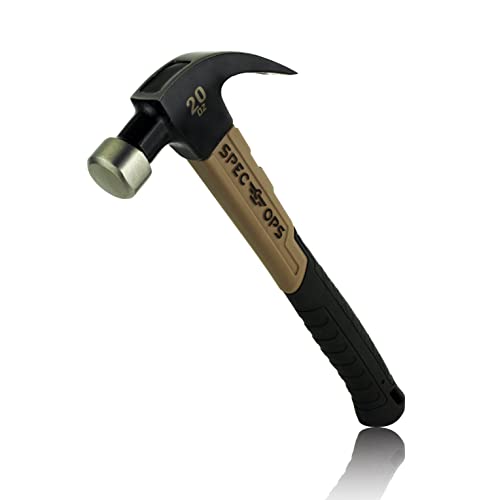
Spec Ops Tools Fiberglass Hammer 20 oz
More Details On Our Top Picks
The 16-ounce head keeps this IRWIN in a very familiar sweet spot, light enough for shelf work and picture hanging, sturdy enough for small repair jobs in a garage or laundry room. The fiberglass handle adds some give, while the ProTouch grip aims to stay comfortable through longer sessions, which matters more than people expect during a weekend punch list.
The forged steel head gives it a stronger, more workmanlike feel than a basic bargain hammer, though the trade-off is that it will not feel as refined as a one-piece all-metal model. For most households, that balance lands well.
Strong Points
- 16-ounce weight stays manageable for common home tasks.
- Fiberglass handle helps soften repetitive strikes.
- ProTouch grip supports steadier control with sweaty hands.
- Forged steel head adds confidence for regular use.
Things To Consider
- Not as compact as a small craft hammer.
- Fiberglass can feel less rigid than steel to some hands.
- Finish care still matters, especially in humid storage spots.
Feature Snapshot
Who It Suits Best
Homeowners who want a dependable all-around hammer for ordinary repairs will get the most from this one.
Look Elsewhere When
Edward Tools 16 oz Claw Hammer suits you better for a softer rubber-led grip feel and a more comfort-focused handhold.
Compared with the 16-ounce IRWIN, this steel-handle version brings more weight into the strike, and that extra mass can help when you want each swing to feel more planted. The ProTouch grip is aimed at reducing hand fatigue, so it makes sense for workshop use, remodeling touch-ups, or any job that keeps you reaching back for the tool again and again.
The honest read is that the steel build will feel firmer and less forgiving than fiberglass, which some people love and others do not. That stiffness is part of the appeal here.
What We Like
- 20-ounce head adds useful striking heft.
- Steel construction gives a solid, direct feel.
- ProTouch grip helps during longer work sessions.
- Good match for slightly tougher household jobs.
Softer Spots
- Heavier weight can tire smaller hands sooner.
- Steel handle transmits more strike feedback than fiberglass.
- Storage with other metal tools can mar the finish over time.
Core Details
Made For
This suits you best for tougher general-purpose work where a bit more mass helps each hit land with less effort.
Another Choice May Suit
IRWIN Fiberglass Claw Hammer 16 oz. (1954889) fits better for lighter home tasks and anyone who prefers a gentler handle feel.
ESTWING’s Ultra Series has a more classic framing-tool attitude than the first two IRWIN picks, and the leather grip gives it a distinctly traditional feel in hand. For carpentry jobs, nail pulling, and basic demo work, that combination usually appeals to people who want a hammer with a more established, shop-floor character.
The smooth face makes sense for cleaner striking, though it leaves you with less bite on the nail head than a milled face would. You may find that trade-off worth it for finish-sensitive jobs where surface marks matter.
Highlights
- 19-ounce size suits framing and repair work.
- Rip claw shape helps with nail removal and light prying.
- Leather grip offers a distinct, grippy feel.
- USA-made build may appeal to tool traditionalists.
Room For Improvement
- Leather grip can call for more care than synthetic wraps.
- Smooth face is less forgiving for nail starts.
- Heavier framing style can feel much more tool than household hammer.
Details At A Glance
Whose Shelf It Belongs On
Framers, carpentry-minded hobbyists, and anyone who likes a more old-school hand feel will appreciate this model most.
Where A Sibling Pick Shines
ESTWING Ultra Series Hammer 19 oz EB-19SM is the better fit for you if a milled face matters more than the smoother finish on this version.
That straight-claw shape makes this Klein stand apart from the curved-claw models earlier in the list, especially for electrical or renovation work where staple removal comes up often. The 15-inch handle gives you reach without turning the tool into a burden, and the tether hole is a useful touch for jobsite storage or elevated work setups.
The fiberglass core is there to absorb more shock, which matters once the workday stretches out. The trade-off is that straight-claw hammers can feel a little more specialized, so casual household use may not need this much purpose-built design.
Reasons To Buy
- Straight claw helps with NM-B staple removal.
- Shock-absorbing fiberglass core supports longer sessions.
- 15-inch handle gives useful reach and leverage.
- Tether hole adds jobsite practicality.
Minor Gripes
- Specialized shape is less universal than a general claw hammer.
- Smooth head may not suit every fastening style.
- Longer handle needs a bit more storage space.
Feature Card
Built With In Mind
Electricians, remodelers, and hands-on trade work benefit most from this hammer’s straight-claw shape and longer handle.
Skip It When
IRWIN Fiberglass Claw Hammer 16 oz. (1954889) makes more sense for you if your main jobs are light household fixes instead of staple removal.
This Edward Tools hammer aims for a comfortable middle ground, and the shock-absorbing rubber grip is the detail that most clearly sets it apart from the IRWIN fiberglass options. Around the house, that matters during fence repairs, trim work, or the kind of scattered fix-it tasks that turn up without warning.
The polished smooth face and hardened steel head point toward durability and clean contact, though the tool still stays in familiar 16-ounce territory. That makes it easy to recommend for people who want comfort first without drifting into oversized territory.
Upsides
- 16-ounce weight stays easy to manage.
- Rubber grip helps keep the hold secure.
- Fiberglass handle adds useful shock reduction.
- Polished face suits clean, everyday strikes.
Areas To Watch
- Less distinctive for specialized trade work than Klein Tools H80718.
- Rubber grip may show wear faster in rough storage.
- General-purpose shape leaves it a step behind purpose-built framing hammers.
Spec Overview
Right Fit For
This suits you well for routine repairs, hanging tasks, and any job where a softer grip matters more than extra heft.
Swap It Out When
IRWIN Steel Claw Hammer 20 oz. (1954888) is the better choice for you when you want a firmer, heavier tool feel.
Compared with the smooth-faced E19S, this version adds a milled face, which means a textured striking surface that helps the hammer bite into nail heads more securely. The magnetic nail starter also changes the day-to-day experience in a useful way, especially when you are framing overhead or trying to keep one hand free.
That said, the milled face is more specialized than the smoother options from IRWIN and Edward Tools, so it suits carpentry work better than quick household touch-ups. For people who build, repair, or demo often, the extra control is easy to understand.
Best Bits
- Milled face offers more grip on nail heads.
- Magnetic starter helps with one-handed nail placement.
- Rip claw supports pulling, prying, and demo tasks.
- Shock Reduction Grip helps soften repeated impact.
Points To Note
- Milled face can be more aggressive than some home users need.
- Specialized framing design is not the lightest choice for simple hanging jobs.
- Grip texture and face pattern may collect jobsite dust more readily.
Technical Sheet
The Right Fit
Carpenters, framing crews, and serious DIY remodelers get the most value from this model’s faster nail control.
Another Choice May Suit
ESTWING Ultra Series Hammer 19 oz E19S makes more sense for you if a smooth face and leather grip better match your feel preferences.
This small Edward Tools hammer fills a very different niche from the heavier framing models, and that’s exactly the point. At 8 ounces, it makes sense for picture hanging, craft work, glovebox storage, and quick fixes where a full-size hammer feels clumsy.
The tubular steel handle and non-slip rubber grip keep the tool simple and direct, though the lighter weight means it will not push large nails the way the 16- and 20-ounce picks can. Think of it as a neat little screwdriver drawer companion, just for tapping and pulling instead.
Positives
- 8-ounce size is easy to store and carry.
- Works well for crafts and light hanging tasks.
- Tubular steel handle brings a sturdy feel.
- Rubber grip helps keep small jobs controlled.
Small Caveats
- Too light for heavy framing or tough demolition.
- Compact length limits leverage on stubborn nails.
- Best kept for light-duty use, not a main workshop hammer.
At A Glance
Perfect Match For
Craft hobbyists, apartment dwellers, and anyone who wants a compact hammer for occasional jobs will like this size.
Reach For A Different Pick When
IRWIN Fiberglass Claw Hammer 16 oz. (1954889) is the better fit for you if you want one hammer that can handle broader home repair duties.
The Spec Ops hammer leans harder toward carpentry and tear-out work than the lighter household options, and the 20-ounce size reflects that focus. A smooth face, curved claw, and shock-absorbing grip give you a familiar setup for prying boards, pulling nails, and keeping control during repeated swings.
Compared with the Klein straight-claw model, this one is less specialized and more broadly demolition-friendly. The trade-off is simple, it gives you more all-purpose rough work capability and less of that electrician-style staple-pulling emphasis.
Best Bits
- 20-ounce weight supports tougher driving and prying tasks.
- Curved claw suits common nail removal work.
- Smooth face works well for cleaner contact.
- Shock-absorbing grip helps during longer demo sessions.
Worth Noting
- Heavier feel can be a lot for basic hanging jobs.
- Curved claw is less specialized than the Klein straight-claw option.
- Bulkier profile needs more space in a tool bag.
Quick Facts
Who Should Grab It
People doing carpentry, renovation tear-out, or occasional demolition will get the clearest benefit from this hammer.
Where Shoppers Go Wrong
Edward Tools Harden 8 oz Claw Hammer is the better fit for you if your jobs stay small, delicate, and storage-friendly.
How To Choose The Right Claw Hammers
Head Weight And Real-World Control
Head weight changes more than swing force, it also changes how long your arm feels fresh. A 16-ounce hammer suits picture hanging, trim work, and ordinary household repairs, while 19- and 20-ounce models feel more planted on framing or demolition jobs. The trade-off is simple, heavier hammers drive harder but ask for more control and more attention.
For someone patching a fence or building shelves on weekends, 16 ounces often feels like the safe middle. Trade work and rough carpentry usually justify the extra weight. Small craft tasks rarely do.
Handle Material And Shock Feel
Fiberglass handles, like the IRWIN and Spec Ops picks, usually soften feedback better than steel, which matters during repetitive use. Steel handles, like the 20-ounce IRWIN, feel firmer and more direct, and that can appeal to people who like a very solid strike response. Leather and rubber grips add their own comfort story, but they also change how the hammer feels in a gloved or sweaty hand.
The best choice comes down to how much impact you want to feel in your palm. For long renovation sessions, a shock-absorbing handle usually earns its keep. For short bursts of work, a firmer handle can feel more precise.
Claw Shape And Job Fit
Curved claws are the most familiar and they suit everyday nail pulling and light prying. Straight claws, like the Klein H80718, make more sense for specific trade tasks such as NM-B staple removal. Rip claws, seen on the ESTWING framing models, lean toward prying boards and demolition work.
There’s no universal winner here, just better matches. Households usually want curved claws, electricians often benefit from straight claws, and remodelers tend to appreciate rip claws.
Face Finish And Fastener Grip
Smooth faces are kinder to visible work and cleaner strikes. Milled faces have a textured surface that helps the hammer stay on nail heads better, which matters when you’re working overhead or trying to set fasteners with less slip. The trade-off is that a milled face feels more aggressive and less suited to delicate finish work.
That difference is easy to overlook until the first stubborn nail shows up. A smoother face is the more versatile choice for casual use, while a milled face starts to make sense once your projects become more construction-focused.
What To Weigh Before You Decide
Common Shopping Slip Ups
Many people start with weight alone and ignore grip shape, which is how a hammer ends up feeling awkward after ten minutes. Another common miss is choosing a specialty claw style for general home use, then wondering why it feels less natural in the toolbox.
The easier path is to match the hammer to your most common job, not your rarest one. Small repair work needs comfort and control. Framing and tear-out jobs need leverage and better nail bite.
The Upgrade Payoff
Higher-tier claw hammers usually cost more because of the handle design, face treatment, and better thought-out balance. Features such as shock reduction grips, magnetic nail starters, and more refined claw geometry add convenience you notice on longer jobs.
That upgrade starts to make sense once the hammer leaves the junk drawer and becomes a regular tool. For occasional hanging, a simpler model is enough. For repeated carpentry or demo work, the more capable build can feel easier to live with.
Frequently Asked Questions
What weight works best for general home use?
Most households do well with a 16-ounce claw hammer. It stays manageable without feeling too light for basic repairs.
Should you choose a fiberglass or steel handle?
Fiberglass usually feels gentler on your hand during repeated swings. Steel feels firmer and more direct, which some people prefer.
What does a straight claw do better than a curved claw?
A straight claw is useful for certain pull-and-pry jobs, especially in trade settings. A curved claw is easier to live with for everyday household tasks.
Is a milled face useful for casual use?
A milled face helps with nail grip, but it’s more specialized. Most casual hammering does fine with a smooth face.
Why does grip material matter so much?
Grip material affects comfort, traction, and how much shock reaches your hand. That becomes noticeable on longer repair sessions or heavier work.
Closing Thoughts
The right claw hammer should feel natural in your hand before you even start the first swing. For basic household jobs, the 16-ounce IRWIN and Edward Tools options make the most sense because they stay familiar and easy to control. For framing, demolition, or more specialized trade work, the ESTWING and Spec Ops models bring the extra features that justify a step up. Match the head weight, claw shape, and grip to your usual jobs, and you’ll end up with a tool that earns its spot.




