Sorting through coding tools for kids gets easier once you separate playful learning from flashy packaging. Some picks teach sequencing through stories, some lean on robots and tactile parts, and a few work better as books you can revisit at your own pace. That mix matters in a house with a curious beginner, a weekend tinkerer, or a child who learns best with hands-on steps.
The list below focuses on fit, not noise. You’ll see options for preschool STEM play, early programming, robot building, and Python basics, so you can match the tool to the child’s attention span and comfort level.
The Shortlist At A Glance

Craftzilla Colored Masking Tape 11-Roll Multi-Pack
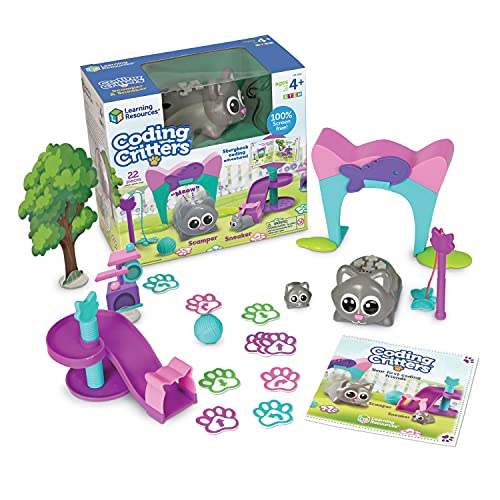
Learning Resources Coding Critters Scamper & Sneaker

AI for Kids Ages 8-12

Educational Insights Design & Drill Robot Workshop
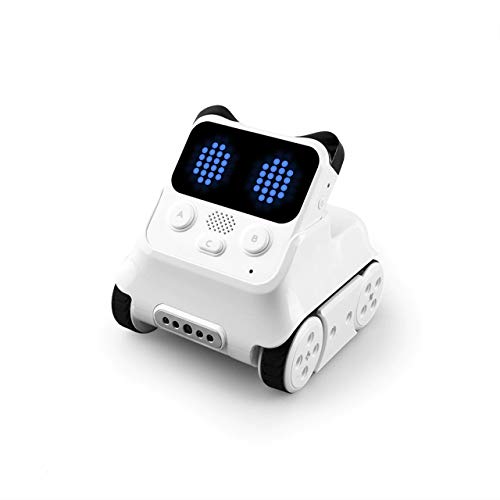
Makeblock Codey Rocky Interactive Coding Robot

Python for Kids: Build Games, Draw Art, and Learn Python from Scratch

Python for Kids: Build Games, Draw Art, and Learn Python from Scratch
More Details On Our Top Picks
Colored tape looks simple, but it solves a real problem in home learning spaces, shared desks, and busy craft bins. This Craftzilla set works like visual shorthand, so you can mark supplies, sort practice cards, or map out game-style coding paths without needing screens. The 11-roll format gives you enough variety for repeated use, which matters more than it sounds once projects start multiplying.
Compared with the robot-heavy picks later in the list, this one asks for almost no setup and almost no explanation. That makes it a good fit for younger kids, label-based activities, and any family that wants a low-pressure entry point into patterning and sequencing. The trade-off is obvious, it teaches through structure and color rather than code logic.
Positives
- Multiple colors help you separate steps, zones, or tasks fast.
- The 1-inch width suits labels, borders, and simple coding paths.
- Hands-on projects stay tidy because the rolls are easy to store.
- Great for art tables, classroom bins, and family game boards.
Points To Note
- It teaches visual organization, not programming syntax.
- Adhesive tapes can leave residue on delicate surfaces, so surface choice matters.
Feature Snapshot
Who It Suits Best
Homeschool families, craft-heavy homes, and early learners who need a visual way to sort ideas get the most from it.
A Better Fit Elsewhere
Learning Resources Coding Critters Scamper & Sneaker suits kids who need story-led sequencing and more direct code-style play.
Some kids need code concepts wrapped in a story, and this set leans hard into that strength. Scamper and Sneaker turn sequencing into play, with screen-free interaction that fits preschool attention spans better than a tablet lesson usually does. The book-guided format gives you structure, so a rainy afternoon or after-school block feels more like a game than a lesson.
Compared with Craftzilla’s tape-based approach, this pick adds a clearer logic path and more obvious cause-and-effect. It suits families who want early STEM skill building without jumping straight into app-based tools. One small caveat, the fun depends on your child liking pretend play and narrative prompts.
Strong Points
- Screen-free design keeps attention on hands-on play.
- Sequencing, logic, and problem-solving show up in a gentle way.
- The storybook format helps you guide play step by step.
- Works well for classrooms, home routines, and quiet afternoon time.
- Cat characters make the activity feel friendly, not stiff.
Small Caveats
- The story style matters, so it suits narrative-driven kids most.
- Small parts can need careful storage after play sessions.
- It’s more about early coding habits than open-ended robotics.
Quick Facts
Right Fit For
Preschool STEM families and early elementary kids who learn best through stories will get the most out of it.
Swap It Out When
Makeblock Codey Rocky works better for older kids who want a robot that stretches into Scratch and Python.
This one shifts the list toward concepts older kids hear about everywhere: machine learning, neural networks, and future-facing tech. That makes it a smart bridge between playful coding and broader tech literacy, especially for a child who already asks how apps and assistants seem to “know” things. The project-based angle should help keep the material from feeling too abstract.
Compared with Coding Critters, this is less toy-like and much more idea-driven. The honest read is that it suits kids who can stay with longer explanations and want to understand the why behind modern software. For a tween who likes building and asking questions, it feels far more substantial than a casual intro.
Upsides
- It introduces AI concepts in kid-friendly language.
- Project-based learning gives abstract ideas a concrete shape.
- Fits curious middle-grade kids who want more than basics.
- Good bridge between coding language and real tech conversations.
Room For Improvement
- The subject matter is more demanding than toy-first options.
- Younger kids may need a grown-up nearby for some sections.
- It suits reading stamina, so very casual learners may drift.
At A Glance
Built With In Mind
Tweens who ask big tech questions and like project-based reading will get the most from it.
Another Choice May Suit
Python for Kids: Build Games, Draw Art, and Learn Python from Scratch fits children who want direct coding practice instead of AI theory.
Robot building becomes much more engaging when the tools feel real in a child’s hands. This set leans into that idea with a true drill toy and more than 70 pieces, so the play pattern feels closer to construction than simple snapping together. For preschoolers who like to take things apart and make them their own, that can be a big win.
Compared with the softer story play of Coding Critters, this one feels more tactile and more active. It also gives you a stronger fine-motor workout, which matters for kids still learning how to line up pieces and control tools. The trade-off is that assembly takes more attention, so it suits kids who enjoy a little challenge.
Reasons To Buy
- Real-tool feel makes construction play more engaging.
- More than 70 pieces create plenty of mix-and-match options.
- Helps with fine-motor control during hands-on building.
- Robot theme keeps the activity anchored to STEM play.
Worth Noting
- The many pieces need sorting space and regular cleanup.
- Kids who want a screen-based coding lesson may want something else.
- It asks for more patience than a simple open-and-play toy.
Technical Sheet
Whose Shelf It Belongs On
Young builders who like tactile projects and robot themes fit this set best.
Where A Sibling Pick Shines
Craftzilla Colored Masking Tape suits kids who need a lighter, faster way to organize code-like activities.
Some coding toys stay at the level of cute interaction, and some push into real programming territory. Codey Rocky sits closer to the second group, with Scratch and Python support that gives it room to grow alongside a child’s skills. The panda-inspired design and sound effects keep it friendly, but the underlying value is in how much it can do once the basics stop feeling new.
Compared with the robot workshop, this pick asks for less physical assembly and more screen-connected thinking. That makes it a stronger match for kids who enjoy experimenting with logic, remote control, and block-based coding. You may find it especially useful once a child outgrows purely decorative robot toys and wants something with more depth.
Best Bits
- Supports Scratch and Python, so it can grow with skill level.
- Interactive sounds and emotions make the robot feel lively.
- Ready to use out of the box, which helps reduce setup friction.
- Works for coding practice, robot play, and STEM projects.
- Building-block compatibility adds extra creative room.
Areas To Watch
- The deeper features make more sense once a child knows basic coding terms.
- Screen-based programming can feel less immediate than hands-on-only toys.
Core Details
Perfect Match For
Kids who already enjoy block coding and want a robot with more programming room will fit it well.
Skip It When
Learning Resources Coding Critters makes more sense for preschoolers who need simpler sequencing play.
Books still matter in coding, especially once a child is ready to think in steps instead of just tapping icons. This one focuses on Python basics through games, art, variables, questions, loops, and lists, which gives a child a practical path into text-based coding. It fits a desk, a tablet, or a quiet afternoon without needing extra hardware.
Compared with Codey Rocky, this is less about a physical robot and more about learning the language behind the robot. That shift makes it a stronger fit for kids who can read comfortably and want to build real coding habits instead of just playing through guided actions. The honest read is that it suits steady learners more than impulsive ones.
Highlights
- Teaches Python through projects instead of dry theory.
- Covers core ideas like variables, loops, and lists.
- Builds skills that transfer to many beginner coding paths.
- Works well for independent reading or guided study.
Softer Spots
- It depends on reading confidence and attention span.
- Kids who want moving parts may prefer a robot or toy set.
- Progress can feel slower than a tactile activity.
Details At A Glance
Who Should Grab It
Self-motivated kids who like reading, puzzles, and computer time will get the most out of this book.
Not Your Match When
Learning Resources Coding Critters fits better for younger kids who need physical play and story cues.
This listing mirrors the previous book closely, so your decision here comes down to availability and presentation rather than a different learning path. The same Python topics, games, art projects, and starter-friendly structure make it useful for kids who are ready to move beyond block-based tools. For families building a small home library, a second copy of the same style can still make sense for different age groups or study spots.
Compared with the hands-on robot sets, this one is quieter and more focused. That can be a real advantage for a child who likes to sit with a notebook and work through code at a calm pace. The trade-off is simple, you give up movement and gadgets in exchange for a cleaner route into Python thinking.
Best Bits
- Projects help turn Python basics into something tangible.
- Good match for children who like independent learning.
- Teaches the same starter topics used in many beginner paths.
- Works well in a quiet study setup.
Minor Gripes
- It overlaps heavily with the other Python title here.
- It depends on a child’s reading comfort and patience.
- No physical components, so tactile learners may want a robot too.
Feature Rundown
The Right Fit
Kids who want a calm, text-first introduction to Python will benefit most from it.
Look Elsewhere When
Educational Insights Design & Drill Robot Workshop suits children who stay engaged with physical building more easily.
How To Choose The Right Coding Tools For Kids
Match The Tool To The Child’s Learning Style
Some kids need movement, some need stories, and some want to read instructions and build quietly. Hands-on tools like robot kits and tape-based organizers work well for kids who think with their hands, while books and app-connected robots suit children who can sit with a sequence and follow it through. That difference matters more than brand names or packaging.
For preschoolers, choose tools that use pictures, stories, or physical parts. For older elementary kids, look for options that introduce variables, loops, and cause-and-effect without burying the lesson under jargon.
Start With The Skill Gap, Not The Hype
“Coding” can mean anything from sorting colors to writing Python. A simple tape set helps with order and labeling, while a screen-free coding toy teaches sequencing, and a Python book moves into actual text-based code. The right choice is the one that sits just a step above what the child already knows.
Too advanced, and the tool gets ignored. Too basic, and it turns into a toy that never stretches the mind.
Think About Setup, Cleanup, And Repeat Use
Busy homes usually need tools that don’t become clutter magnets. Tape rolls store easily, books stay tidy on a shelf, and robot kits work best when you have a bin for pieces and a charger or batteries ready to go. The easier the reset, the more likely the tool gets used again next week.
That’s why maintenance matters as much as lesson quality. A great coding tool that’s annoying to put away often becomes a one-time activity.
Choose For Independence Or Guided Time
Some tools invite solo play, while others need a grown-up nearby for the first few sessions. Books and robot sets often work best once a child can follow multi-step directions, while story-based toys can make shared learning feel natural. For families with mixed ages, a blend of both styles usually works better than one all-purpose choice.
The cleanest setup is the one that matches your routine, not an ideal schedule that never happens.
What To Weigh Before You Choose
Where Shoppers Go Wrong
A common mistake is buying for age alone and ignoring attention span. A child who loves building may stay with a robot workshop longer than a book, while a quiet kid may prefer Python pages over noisy features. Another slip-up is treating a visual organizer like true coding instruction, because color sorting and programming basics are related but not the same thing.
Storage gets overlooked too. Small parts, loose pages, and multiple rolls all need a home, or the tool disappears into the closet before it earns repeat use.
When Paying More Pays Off
Higher-tier coding tools usually cost more because they do more than one job. A robot that supports Scratch and Python, or a detailed kit with many pieces, gives you a longer learning runway than a single-use toy. You’re paying for versatility, stronger materials, or a wider skill path, not just a busier box.
That upgrade makes sense once a child is ready to move past the first lesson. For casual dabblers, a simpler pick often works better and keeps the whole experience lighter.
Frequently Asked Questions
What age should start with coding tools?
Many kids can start with simple sequencing toys or visual sorting around preschool age. Text-based coding usually fits better once reading confidence is in place.
Are coding toys better than coding books?
They solve different problems, so the better choice depends on how the child learns. Toys help with interaction and motion, while books help with calm, step-by-step understanding.
Do kids need a screen to learn coding?
No, screen-free tools can teach sequencing, logic, and problem-solving very well. Screens become useful once a child is ready for block coding or Python.
How do you choose between a robot and a book?
Choose a robot for kids who like hands-on action and immediate feedback. Choose a book for kids who enjoy reading, puzzles, and quiet focus.
What should you watch for in beginner tools?
Look for clear instructions, age fit, and a learning path that matches the child’s patience level. Also think about cleanup, storage, and how often the tool will get used again.
Closing Thoughts
The right coding tools for kids feel playful, but they also give you a clear path forward. That might mean tape for visual order, a story-driven robot for early sequencing, or a Python book for a child ready to write real code. Start with the child’s attention span and preferred style, and the choice gets much easier. The best pick is the one they’ll return to without being pushed.