Color can drift fast, especially across laptops, studio displays, cameras, and even paint samples under mixed light. These Color Calibration Tools are built for you if your edits need to match across screens, your photo files need dependable white balance, or you want a more dependable way to identify a surface color before you choose materials. Some picks focus on monitor tuning, others on camera targets, and a few serve a very different job, like cable verification or paint matching, so the list covers a wider set of real-world needs than a single category usually does. The honest read is that the right tool depends on your workflow more than your budget.
Quick Look At The Shortlist

Datacolor Spyder4Pro S4P100 Colorimeter for Display Calibration

DKK 5′ x 7′ Set of 2 White Balance and Color Calibration Charts with 12% and 18% Gray
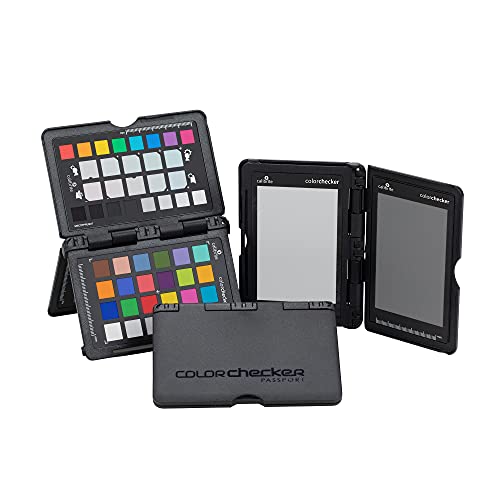
Calibrite ColorChecker Passport Photo 2 Portable Color Calibration Kit

Nix Mini 3 Color Sensor Colorimeter

Treedix USB Cable Tester 2.4″ Screen

Datacolor Spyder4Elite S4EL100 Colorimeter for Display Calibration

Datacolor Spyder Checkr
Calibrite Display Pro HL Monitor Calibration Colorimeter
More Details On Our Top Picks
For everyday monitor work, this Datacolor unit sits in the practical middle ground. It fits you well when your desk setup needs steadier color for editing, design, or general photo viewing without turning calibration into a weekend project.
The compact colorimeter form keeps the process straightforward, and that matters more than flashy extras in a home office. The trade-off is simple, too, since an older model like this may feel less feature-rich than newer display tools from Calibrite.
What We Like
- Small, self-contained shape makes it easy to store in a desk drawer or gear bag.
- Useful for keeping multiple displays closer in tone, which helps when you move between laptop and external monitor.
- Clear fit for routine screen tuning, especially in a home office or modest editing setup.
- Simple hardware approach keeps the learning curve lighter than more advanced color workflows.
Points To Note
- Older model status may matter to you if you want the newest software or display support.
- It is more about practical monitor correction than deeper studio color management.
- Setup can feel dated compared with newer Calibrite options.
Feature Rundown
Who It Suits Best
You fit this best when you want a straightforward display calibration tool for a personal workstation or modest creative setup.
Where A Sibling Pick Shines
Calibrite Display Pro HL Monitor Calibration Colorimeter is the stronger choice for high-brightness modern panels and more demanding screen work.
Chart-based tools like this make sense in controlled shooting spaces where you want a visible reference in the frame. The 12 percent and 18 percent gray targets give you a steadier starting point for white balance and exposure decisions, which is especially handy in studio portrait work or tabletop product shoots.
The included frame stand adds convenience, and the pair format gives you a little more flexibility on set. The honest caveat is that this style of tool asks for careful placement and lighting discipline, so it rewards a tidy workflow more than a hurried one.
Highlights
- Two-chart set gives you backup or a second setup angle without buying another kit.
- Gray targets are helpful for keeping color decisions grounded in a known reference.
- Frame stand helps the chart stay visible during stills work or video setups.
- Works well for creators who want a low-tech reference inside the scene.
Room For Improvement
- Needs deliberate placement, so it suits careful shoots more than fast grab-and-go work.
- Large chart size may feel awkward in tight spaces or very small rigs.
- Paper-like tools need sensible storage to keep surfaces clean and flat.
Core Details
Made For
You get the most from this in a studio or location shoot where you can control light and keep the reference chart in view.
Another Choice May Suit
Calibrite ColorChecker Passport Photo 2 suits traveling photo and video setups better because its folding case is easier to carry between locations.
Portable chart kits live or die by how easy they are to carry, and this one leans into that reality with a folding case and lanyard. The four-target layout gives you a white balance reference, exposure aid, and profiling tools in one compact package, so it fits cleanly into a camera bag for location work.
Compared with the DKK chart set, this is more about travel-friendly organization than larger studio staging. For solo shooters, that mix can feel like a tidy little toolkit, though you still need a consistent workflow to get the benefit.
Best Bits
- Four-target layout keeps several key reference tasks in one small kit.
- Folding case makes it easy to carry alongside lenses, cards, and batteries.
- Lanyard adds a useful bit of grab-and-go convenience on location.
- Well suited to photo and video workflows that move between spaces.
- Compact format stores neatly and stays ready in a bag pocket.
Minor Gripes
- Small format can feel cramped for larger set builds or group scenes.
- Works best with a repeatable routine, so it rewards organized shooters.
- The folding design asks for a little care during packing and unpacking.
Details At A Glance
The Right Fit
You suit this best when you move between shoots and want one compact calibration kit for both stills and video.
Skip It When
DKK 5′ x 7′ Set of 2 White Balance and Color Calibration Charts with 12% and 18% Gray works better for larger studio setups that benefit from a bigger in-frame reference.
This tool moves away from display tuning and into object color matching, which opens it up to paint, sample, and surface work. The IPX4 splash resistance rating means it can handle light exposure to moisture and debris better than delicate desk-only gadgets, a sensible detail for busy workshops or project rooms.
You may find the big draw is speed, since the device is meant to scan a surface and return a color match from a large paint library. That said, the usefulness depends on clean contact and a steady surface, so it suits practical color lookup more than creative interpretation.
Positives
- Portable shape makes it easy to carry between rooms, job sites, or sample boards.
- Useful for paint matching, especially when you want a closer starting point for purchase decisions.
- Large brand paint database supports faster comparison work in home projects or trade settings.
- Splash and debris resistance is a nice comfort in workshop environments.
Small Caveats
- Contact-based scanning asks for a clean, stable surface to stay useful.
- Most helpful for matching tasks, not for display profiling or camera calibration.
- Library-based matching still depends on the quality of the surface you scan.
Spec Overview
Best Suited To
You fit this well if you work with paint samples, swatches, or surface color checks in a home, studio, or job-site setting.
A Better Fit Elsewhere
Calibrite Display Pro HL Monitor Calibration Colorimeter is the better choice for monitor work, especially with bright LCD, mini-LED, and OLED panels.
From a category angle, this one is the outlier, but it still belongs on a color tools roundup because it serves the broader test-and-measure crowd. The 2.4-inch screen gives you a clearer readout than tiny utility testers, and support for eMarker and several USB cable types makes it useful in a desk full of charging leads and data cables.
The practical upside is obvious for tinkerers, repair benches, and people who keep mixed cable drawers. The trade-off is focus, because this tool checks cable behavior rather than color, so it only makes sense for you if your workspace needs both measurement and cable verification.
Strong Points
- Screen size helps you read results more easily than a very small tester display.
- Broad cable compatibility covers common USB and data cable families.
- Useful for bench organization, especially in repair corners or tech drawers.
- Pairs well with other measurement gear in a maker or troubleshooting kit.
Areas To Watch
- Not a color calibration device in the classic display or camera sense.
- Best for cable checks, so it may sit outside a pure photo workflow.
- Learning all supported cable types can take a little time at first.
Technical Sheet
Who Will Love This
You suit this best if your workbench includes USB cables, chargers, and device troubleshooting alongside other measurement tools.
Look Elsewhere When
Datacolor Spyder Checkr makes more sense for camera color reference work, especially in mixed lighting.
This is the more ambitious sibling in Datacolor’s older display-calibration lane. It suits you better than the Spyder4Pro when you spend more time dialing in multiple monitors or want a bit more room to refine a serious editing setup.
That extra headroom matters most in a workspace where small display shifts become noticeable during long sessions. The catch is the same one you see with older hardware, since the feature set may not feel as current as newer monitor tools from Calibrite.
Plus Points
- Good fit for users who want more depth than a basic screen-tuning tool.
- Works well for multi-monitor desks where consistency matters.
- Still straightforward enough for regular calibration habits.
- Strong match for more detail-sensitive editing or design routines.
Worth Noting
- Older-generation positioning may matter if you want current software support.
- Not the best fit for very bright modern panels compared with Calibrite Display Pro HL.
- Like most colorimeters, careful storage keeps the sensor cleaner and easier to handle.
Feature Card
Perfect Match For
You fit this best when your desk setup includes multiple displays and you want a more involved calibration routine.
Swap It Out When
Calibrite Display Pro HL Monitor Calibration Colorimeter is the smarter pick for bright OLED and mini-LED screens.
Camera calibration tools like this make the most sense when you shoot under mixed light and need a dependable in-frame color reference. The 48 target colors and gray card give you more room to match skin tones, props, and background color before the files ever hit your editing app.
Compared with the Passport Photo 2, this is a better desk-or-studio companion than a pocket travel kit. For photographers moving between wedding work, product sets, or editorial spaces, that larger reference set can feel more reassuring than a tiny foldout.
Reasons To Buy
- 48 target colors give you a wide reference range for camera color work.
- Gray card supports in-camera white balance decisions.
- Useful across different lighting conditions, which helps on set or in changing rooms.
- Good fit for shooters who want a familiar, low-tech reference tool.
Honest Caveats
- Less pocket-friendly than a folding travel kit.
- Works best when you have time to place it carefully in the scene.
- Storage matters, since card-style tools stay cleaner with gentle handling.
Core Details
Whose Shelf It Belongs On
You fit this best if you shoot stills or video in controlled and mixed lighting and want a larger chart reference.
Reach For A Different Pick When
Calibrite ColorChecker Passport Photo 2 is the easier carry for location shooters who want a compact folding kit.
This is the specialist monitor tool in the group, and the support for LCD, mini-LED, and OLED panels makes that clear right away. Measuring up to 3000 nits means it is built with very bright screens in mind, which gives it a real edge for modern HDR-style workflows.
The included PROFILER software, USB-C connection, and adapter make the package more complete than the older Datacolor models. That said, this is the one you choose for serious display work, not casual desk use, so the extra capability only pays off when your panels justify it.
Bright Spots
- Supports modern screen types, including OLED and mini-LED.
- High luminance range suits very bright displays and content work.
- USB-C with adapter keeps the connection setup flexible.
- Validation and color-uniformity tools add more depth for careful monitor setup.
- Best fit in the list for demanding display workflows.
Things To Consider
- Most useful when your monitor actually benefits from advanced brightness handling.
- More specialized than the Spyder4Pro or Spyder4Elite for basic home use.
- Software-heavy tools need a little setup time and regular updates.
Feature Snapshot
Built With In Mind
You fit this best if you work on high-brightness monitors and need more serious color management than a basic colorimeter provides.
Where Shoppers Go Wrong
Datacolor Spyder4Pro S4P100 is the simpler route for a standard office display, especially when you do not need bright-panel support.
How To Choose The Right Color Calibration Tools
Match The Tool To The Job
Screen colorimeters, chart targets, paint sensors, and cable testers all serve different tasks, even though they sit under a broad test-and-measure umbrella. A monitor calibrator like the Calibrite Display Pro HL belongs with displays, while the Datacolor Spyder Checkr belongs in a camera workflow, and the Nix Mini 3 belongs near paint samples or product swatches. That distinction matters more than brand loyalty, because the wrong tool can look impressive and still miss your actual workflow.
You also want to think about where the tool will live. A studio cart can handle a larger chart, but a travel kit or desk drawer benefits from the smaller folded shape of the Passport Photo 2 or the compact Datacolor colorimeters.
Look Closely At Workflow Speed
Some tools are built for repeat use with very little fuss, while others need a slower, more deliberate setup. A gray card or color chart works best when you can place it cleanly in frame, and a sensor like the Nix Mini 3 asks for stable contact on the surface you are checking.
For day-to-day ownership, that translates into how often you will actually reach for the item. The easier it is to deploy, clean, and pack away, the more likely it earns shelf space instead of drawer space.
Check The Feature Depth You Actually Need
Higher-end monitor tools usually spend more on support for brighter panels, software validation, and finer profiling control. That extra depth makes sense for photographers, editors, and motion creators who work on OLED or mini-LED screens, but it can be more than a simple home setup needs.
On the other side, chart-based tools and older colorimeters can be easier to live with. They often trade advanced control for lower complexity, which is a fair deal for casual editing or smaller studios.
Think About Handling And Storage
Color tools tend to last longer in daily use when they are easy to keep clean and protected from bent edges, dust, or screen scuffs. Folding cases, lanyards, and compact sensor bodies all help here, especially for photographers who carry gear between jobs or offices.
That practical side is easy to miss during shopping, yet it shapes the ownership experience more than most spec sheets do. A tidy kit saves time, and that can feel like a small steady rope pulling the whole workflow together.
A Quick Reality Check
Where Shoppers Go Wrong
One common mistake is buying a display tool for a camera job, or a camera chart for a monitor workflow. Another is picking a larger chart without thinking about storage, since that can become awkward in a small bag or crowded desk.
It also helps to match the tool to your lighting and screen type. Bright OLED and mini-LED panels call for different support than a basic office monitor, and a travel-friendly chart only helps when you can place it clearly in the frame.
The Upgrade Payoff
Higher-tier tools usually cost more because they support newer panels, broader validation features, better profiling software, or more complete reference sets. That extra engineering matters most in professional editing, HDR work, and mixed-device setups where small shifts show up fast.
Paying more makes sense when the tool is part of your daily income workflow or handles color-critical work. For casual use, a simpler chart or colorimeter often does enough without adding much setup overhead.
Frequently Asked Questions
What does a color calibration tool actually do?
It helps you bring a display, camera setup, or color reference closer to a known baseline. That makes your edits, captures, and surface matches more consistent across different conditions.
Do you need a monitor tool for photo editing?
You do need one when screen accuracy affects your work, especially on external monitors or bright modern panels. A camera chart alone will not solve display color drift.
Are chart-based tools better than sensor-based tools?
They do different jobs, so one is not inherently better than the other. Charts help with camera and lighting references, while sensors help with monitor or surface measurement.
Can a portable kit work for professional shoots?
Yes, especially when you move between locations and need a compact reference in your bag. The smaller format is convenient, but careful placement still matters.
Why does display type matter so much?
LCD, mini-LED, and OLED panels behave differently, especially at higher brightness levels. A tool built for those panels gives you more control over how the screen presents color and tone.
Closing Thoughts
The right Color Calibration Tools make your workflow steadier without getting in the way. You may only need a compact chart, or you may need a high-brightness monitor calibrator that handles modern panels with more care. The best match depends on where you work, what you shoot, and how much color drift you can tolerate before it starts slowing you down. Choose the tool that fits your setup today, and you’ll feel the payoff every time color looks closer to what you intended.