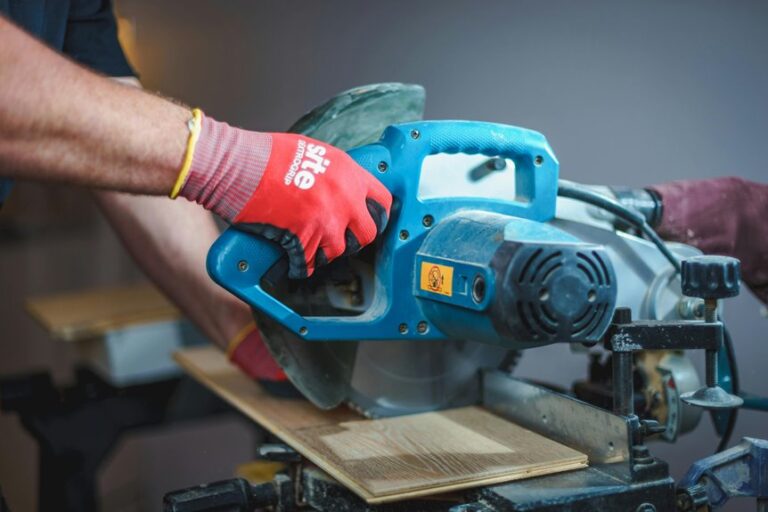
You want tools that fit the way you actually cut, not just the way a spec sheet looks. For trim work, cabinetry, framing, and shop setups, the right compound miter saw setup saves time on repeat angles, awkward corners, and long boards that never seem to sit still.
This roundup keeps the focus on woodworking use, from cordless saws that move around a jobsite to stands and accessories that make a bench layout feel calmer. You get a clear mix of full saws, support gear, and hand tools, so you can match the pick to your space, your workflow, and your comfort level.
Quick Look At The Shortlist

VEVOR Precision Miter Gauge 18 in Grating

DEWALT 20V MAX 7-1/4-Inch Miter Saw DCS361M1

BOSCH CM10GD Compact Miter Saw 10 Inch

DEWALT Miter Saw DWS716 12-Inch

ONEAND 18V Cordless 7-1/4 in. Compound Miter Saw
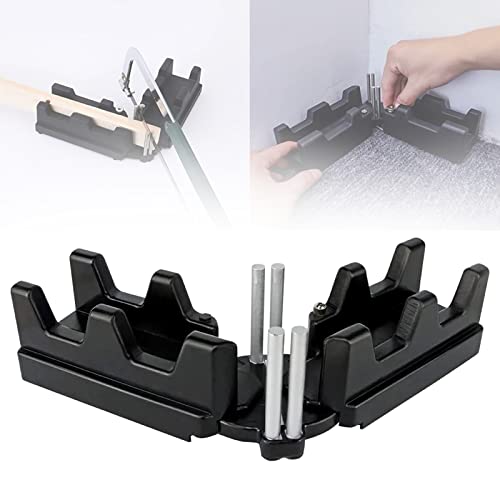
AUSTUFF 2-in-1 Mitre Measuring Cutting Tool

KF3001 Miter Saw Stand 500 lbs
More Details On Our Top Picks
For table saw work, this miter gauge speaks to the person who wants cleaner repeat angles without replacing the whole saw. The aluminum-alloy body and standard 3/4 inch by 3/8 inch slot fit point to a shop tool made for guided crosscuts, not portable trim duty.
The 18 inch grating, 15 angle stops, spring-loaded plunger, and removable disc give you more control than a basic slider usually offers. That matters in a busy garage shop, though the trade-off is clear, you need a compatible table saw and a setup that rewards careful alignment.
Strong Points
- 18 inch grating helps with steadier angle work on a table saw.
- 15 stops support repeat cuts for trim, boxes, and shop parts.
- Spring-loaded plunger adds a more secure feel during adjustments.
- Aluminum alloy construction keeps the build light enough to handle easily.
Things To Consider
- It only makes sense with a saw that matches the standard slot size.
- Cleaning sawdust from the moving parts keeps the travel smooth.
Feature Snapshot
Who It Suits Best
You benefit most here if your woodworking happens around a table saw and you want tighter angle control for repeated cuts.
Where Another Pick Suits Better
DEWALT Miter Saw DWS716 suits you better when you need a full saw for larger stock and on-site trim work.
Jobsite trim work gets easier when you can move the saw instead of dragging cords around the space. This 7-1/4 inch cordless setup fits that kind of work, especially for punch-list carpentry, closet trim, and quick cuts outside the main shop.
The smaller blade size keeps the unit easier to carry, but that also shapes the trade-off, since it is better matched to trim and light stock than bulky lumber. For commuters between jobs, or for anyone working from a truck bed or temporary station, that portability is the draw.
What We Like
- Cordless design makes it easier to move between rooms or job sites.
- 7-1/4 inch blade size keeps the tool more manageable to carry.
- Fits the kind of quick trim work that follows you through a house.
- DEWALT tools tend to suit owners who want a familiar service layout.
Room For Improvement
- Battery planning matters, since runtime depends on what you already own.
- The smaller cutting format will feel tight on larger boards.
- Regular blade changes and dust cleanup are part of cordless ownership.
Core Details
Made For
You get the most from this saw in trim-heavy work where moving quickly matters more than cutting very large stock.
A Better Fit Elsewhere
BOSCH CM10GD Compact Miter Saw suits you better for a corded shop station with a broader dual-bevel layout.
Some shops need a saw that doesn’t eat the whole bench, and this Bosch is built around that problem. The gliding arm design gives you sliding-saw reach without the same footprint a longer rail setup can demand, which is handy in a packed garage or basement shop.
The 15 amp corded motor and 60-tooth carbide blade point toward regular woodworking use, from moldings to more controlled crosscuts. The honest read is that the compact form is the selling point, so you’re trading some raw size for a cleaner setup around the saw.
Highlights
- Gliding arm design helps save bench space compared with some rail systems.
- 15 amp corded power suits steady shop use.
- 60-tooth carbide blade is a helpful starting point for cleaner wood cuts.
- Dual-bevel layout helps with angled work on both sides of a cut line.
Softer Spots
- Corded setup keeps you tied to a fixed work area.
- The compact frame may feel smaller than 12 inch alternatives for very large stock.
At A Glance
Right Fit For
You suit this saw best when your workspace is tight but you still want a sliding miter saw for regular woodworking.
Swap It Out When
DEWALT Miter Saw DWS716 makes more sense for you if a 12 inch platform matters more than a compact bench footprint.
This is the sort of saw that makes sense in a real trim shop, not just on paper. The 12 inch compound, double-bevel layout gives you room for larger molding profiles and more flexible angled work, which is useful for homeowners stepping up from basic cutting tools.
Compared with the Bosch CM10GD, this DEWALT leans toward a bigger cutting platform rather than a compact glide package. The trade-off is bench space, so you’ll want enough room to let the saw sit properly and enough patience to keep the area clear around it.
Best Bits
- 12 inch blade format suits wider trim and larger stock.
- Double-bevel setup helps reduce workpiece flipping on angled cuts.
- Compound capability gives you more flexibility for crown and trim tasks.
- Looks like a natural fit for a dedicated shop station.
Areas To Watch
- The larger footprint asks for more bench or stand space.
- Regular blade alignment checks matter more on a saw this size.
- Moving it around a house is less convenient than a cordless compact unit.
Technical Sheet
Whose Shelf It Belongs On
You’re a strong match for this saw if you cut trim often and have room for a larger fixed setup.
Another Choice May Suit
DEWALT 20V MAX DCS361M1 suits you better for mobile work where a cord can get in the way.
Small trim corrections don’t always need a full saw, and that’s where these shears make sense. The adjustable 45° to 135° range and handheld format suit quick molding jobs, quarter round touchups, and the kind of little cuts that happen after a longer layout session.
Compared with the larger saws in this roundup, the LeafLux tool is about convenience and fast handling rather than capacity. You’ll feel that advantage in a tight room or on a ladder, although the manual approach means it won’t replace a powered saw for bigger boards.
Upsides
- Handheld format keeps the tool easy to move around trim work.
- 45° to 135° adjustability helps with more than one angle pattern.
- Useful for quick molding cuts, quarter round, and similar trim tasks.
- No replacement blade mentioned, which simplifies basic upkeep planning.
Minor Gripes
- Manual operation is slower than a powered saw for longer sessions.
- Best suited to lighter trim work rather than larger woodworking stock.
Details At A Glance
Perfect Match For
You fit this tool best when your work stays small, quick, and close to the wall.
Where A Sibling Pick Shines
DEWALT Miter Saw DWS716 is the better route for you if your trim work regularly includes larger stock and powered cuts.
This ONEAND saw fits the kind of workshop where you already own compatible batteries and just want the tool body. That makes it appealing for repeat users in a battery ecosystem, since you skip extra charger clutter and keep the setup lean.
The cordless 7-1/4 inch format points to lighter cutting work, similar in spirit to the DEWALT cordless pick but without the bundled battery package. The trade-off is obvious, you need to plan power around the battery system you already have.
Reasons To Buy
- Tool-only format suits owners who already have the right battery setup.
- Cordless design keeps the work area less tangled.
- 7-1/4 inch size stays friendly for portable trim projects.
- Compact enough for quick setup and takedown between jobs.
Points To Note
- Battery and charger are sold separately, so planning matters.
- Smaller saw formats usually feel better on trim than on wider lumber.
- Battery maintenance and storage add another layer to ownership.
Quick Facts
Built With In Mind
You suit this saw best when you already have compatible batteries and want a portable trim cutter.
Look Elsewhere When
BOSCH CM10GD Compact Miter Saw makes more sense for you if you want a corded shop tool with a larger fixed station feel.
Good woodworking starts before the cut, and this AUSTUFF tool is about getting that first angle right. ABS, PC, and stainless steel give you a mixed-material layout tool that feels aimed at marking, measuring, and guiding cuts rather than powering through them.
The 85° to 180° measuring range and integrated saw guide help with carpentry and DIY jobs where the angle needs to be checked before the blade moves. It sits nicely beside the larger saws in this roundup, because careful layout often matters as much as the machine itself.
Best Bits
- 85° to 180° coverage gives you a wide layout range.
- Integrated saw guide helps shape more accurate cut planning.
- Mixed materials suggest a sturdier feel than a plain plastic gauge.
- Useful for carpentry and DIY where marking speed matters.
Worth Noting
- It supports layout work, not the cut itself.
- Keeping the markings clean will help preserve readability over time.
Feature Card
Who Should Grab It
You fit this tool best when layout accuracy matters more than raw cutting power.
Reach For A Different Pick When
VEVOR Precision Miter Gauge suits you better if your work happens at a table saw and you need a guided cutting accessory.
A solid stand can matter as much as the saw itself, especially in a garage where floor space is never generous. The KF3001 is built for heavier setups, with a large mounting base and support for slide compound saws from 8 inch to 12 inch, so it suits a more permanent shop station.
The 500 lb capacity gives you a clear sense of the stand’s purpose, which is holding a serious tool without wobble becoming the story. Compared with the compact Bosch or the cordless DEWALT, this is the anchor piece that makes sense once your cutting area stops changing every week.
Strong Points
- 500 lb capacity supports heavier saw setups with confidence.
- Fits slide compound saws from 8 inch to 12 inch.
- Large mounting base helps the station feel more settled.
- Useful for keeping a dedicated woodworking corner organized.
Small Caveats
- It makes the most sense once your saw station stays in one place.
- The larger base asks for enough floor area to work comfortably.
Core Details
The Right Fit
You suit this stand best when your miter saw has a permanent home and needs a sturdy base.
Skip It When
ONEAND 18V Cordless 7-1/4 in. Compound Miter Saw makes more sense for you if mobility matters more than station support.
How To Choose The Right Compound Miter Saws For Woodworking
Match The Saw To Your Space
Space changes the whole decision. A 12 inch compound saw on a permanent stand suits a dedicated shop, while a 7-1/4 inch cordless saw fits trim work in tight rooms, hallways, or temporary setups.
Sliding rails, dual-bevel heads, and large tables all add convenience, but they also add footprint. Measure bench depth, wall clearance, and the room you need behind the saw before you shop.
Think About Cut Size And Material
Blade size affects what you can cut comfortably. A 10 inch saw often lands in the middle ground, while 12 inch models feel better for wider moldings and larger boards.
For crown, baseboard, and repeat joinery, bevel flexibility matters just as much as blade diameter. Compound action helps with angled and beveled cuts, which is why it earns its place in woodworking shops.
Pick The Power Style That Fits Your Routine
Corded saws work well in a fixed shop because you get steady power without battery planning. Cordless saws make more sense for punch-list work, remodels, and houses where outlet access is awkward.
Tool-only models can save space and money for someone already inside a battery system. The trade-off is simple, you need to keep track of batteries, charging, and runtime.
Don’t Forget The Support Gear
A good saw stand, a layout tool, or a precision miter gauge can improve the whole workflow. The saw does the cutting, but support gear helps the cut land where you wanted it in the first place.
That matters most when you work alone or handle long stock. A stable station and clean angle marking often separate smooth work from frustrating do-overs.
A Quick Reality Check Before You Shop
Mistakes Worth Dodging
Many people focus only on blade size and ignore the workspace around the saw. That leads to a setup that feels awkward the first time you try to cut long trim in a crowded garage.
Another common miss is buying a saw without thinking about the rest of the system. A cordless tool without batteries, or a heavy saw without a proper stand, can slow you down more than expected.
The Upgrade Payoff
Higher-tier models usually spend the extra money on better cut control, larger platforms, smoother adjustments, and sturdier support parts. You feel that difference most during repeat work, where small savings of motion add up fast.
For weekend crafts, a simpler saw or hand tool can be enough. For frequent trim work, cabinet fit-up, or a shop that runs every week, the upgrade often pays back in time and consistency.
Frequently Asked Questions
What size miter saw works best for woodworking?
A 10 inch saw suits many home shops because it balances footprint and capacity. A 12 inch saw makes more sense for broader trim and larger stock.
Is a cordless compound miter saw good for trim work?
Yes, cordless models fit trim work well, especially in remodels and room-to-room projects. The main trade-off is battery planning.
Do you need a sliding saw for woodworking?
You do not need one for every project, but sliding action helps with wider boards and molding. A fixed-head saw can still work well for smaller cuts.
Why use a miter saw stand?
A stand gives the saw a steadier home and helps support longer boards. That matters most in a garage or jobsite setup.
Can a miter gauge help with woodworking even without a saw?
A miter gauge is an accessory, not a standalone saw, so it only helps on a compatible table saw. It improves angle control for guided crosscuts.
Closing Thoughts
Your best choice depends on how you cut, where you cut, and how much space your setup can spare. The DEWALT and Bosch saws cover most serious woodworking needs, while the stand, gauge, and layout tools round out a steadier workflow. Cordless picks make sense for mobile jobs, and the smaller hand tools are handy for trim work that doesn’t deserve a full station. Choose the setup that fits your shop rhythm, and the rest gets easier.