


Choosing the right fastening tool matters a lot more than the name on the box. For finish carpentry, flooring work, roofing, or concrete fastening, you need the right power source, nail size range, and handling feel for the job in front of you.
This roundup focuses on practical fit, not hype. You’ll see cordless brad nailers, pneumatic roofing and flooring tools, plus manual concrete nail kits for lighter household fastening tasks.
Quick Look At The Shortlist

Metabo HPT Brad Nailer NT1850DG 18V Kit

DEWALT Flooring Stapler DWFP12569

WORX Cordless Brad Nailer WX842L

AeroPro CN45N Pneumatic Roofing Nailer
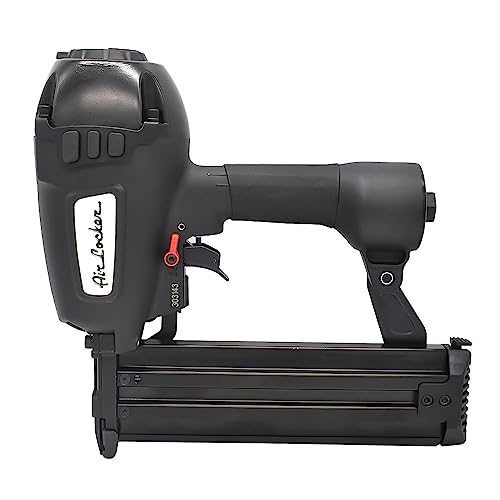
Air Locker CN64A3 Heavy Duty Concrete T Nailer

Freeman PSSCP Pneumatic 3′ Single-Pin Concrete Nailer
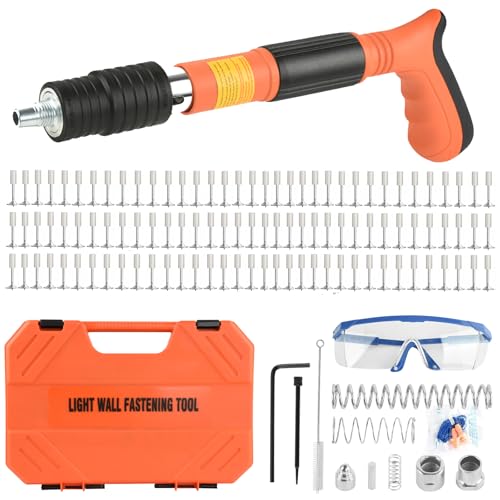
Concrete Nail Gun Kit with 110-Piece Set

Concrete Nail Gun Kit with 110-Piece 7.3mm Set
More Details On Our Top Picks
Cordless trim work gets easier here, especially for you if outlets are awkward or the job keeps moving from room to room. The 18-gauge format suits finish details, and the compact body should feel friendlier in tight corners than a bulkier framing tool.
The trade-off is simple: this is for brad nails, not heavy concrete fastening. For cabinet trim, molding, and baseboards, it’s a clean fit, while the 2.0Ah battery and claimed 700-shot capacity point toward practical day-to-day use rather than constant charging breaks.
What We Like
- Cordless setup keeps you from dragging an air hose across finished floors.
- Drives 5/8-inch to 2-inch brads, so you can move across trim sizes without changing tools.
- Compact shape helps in stair runs, corners, and cabinet edges.
- The 18V kit format suits homeowners who want a ready-to-work package.
- The MultiVolt compatibility broadens battery planning for existing Metabo HPT setups.
Areas To Watch
- It serves finish work, not concrete anchoring or roofing.
- A cordless trim tool carries more weight than a bare pneumatic gun, so long overhead sessions can feel different.
- Battery care matters more here than on a hose-fed tool, especially for irregular weekend use.
Feature Rundown
Who It Suits Best
Finish carpenters, DIY renovators, and homeowners doing molding or baseboard work get the most from this cordless layout.
Where A Sibling Pick Shines
Freeman PSSCP Pneumatic 3′ Single-Pin Concrete Nailer fits you better for actual concrete fastening and mixed-material pin work.
Flooring work asks for steadier placement than most trim jobs, and this DEWALT tool is shaped around that reality. The 2-in-1 format is useful on a house floor project where consistency matters more than flash.
Compared with the cordless Metabo HPT and WORX picks, this one is more purpose-built for flooring than general finish fastening. You may find the specialized approach reassuring on long runs of hardwood, though the narrower job focus also means it won’t pull double duty as gracefully as a brad nailer.
Highlights
- Flooring-focused design suits hardwood installation routines.
- The 2-in-1 tool format gives you more flexibility across flooring tasks.
- Brand familiarity helps many shoppers feel comfortable around replacement parts and support.
- It keeps the attention on floor fastening rather than general-purpose extras.
Worth Noting
- It is specialized gear, so it has little use outside flooring jobs.
- You will want to plan for air-tool setup and hose management.
- Cleaning and storage matter after dusty flooring sessions, especially around moving parts.
Core Details
Who Will Love This
Home remodelers and flooring installers who want a dedicated fastening tool should feel at home with this one.
Another Choice May Suit
Air Locker CN64A3 Heavy Duty Concrete T Nailer makes more sense for concrete fastening and broader anchor-style work.
This WORX model lands well for trim projects where convenience matters as much as nail capacity. The cordless layout and tool-free jam release are the kind of details that keep a small renovation from turning into a stop-and-start afternoon.
Compared with the Metabo HPT brad nailer, it leans more toward easy ownership than battery-system flexibility. For baseboards, molding, and quick interior repairs, that balance works nicely, though heavier carpentry still calls for a more specialized tool.
Upsides
- Tool-free jam release makes recovery less fussy when a fastener misfeeds.
- Battery and charger are included, so the setup is straightforward.
- Up to 2-inch nails cover a useful spread for trim work.
- Cordless handling helps in rooms with little outlet access.
Small Caveats
- It still serves finish carpentry, not concrete anchoring or roofing.
- Battery charging habits become part of normal ownership.
- The lighter trim focus means it is not the right tool for rough structural fastening.
Feature Snapshot
Best Suited To
Apartment updates, cabinet trim, and small home repair projects are the sweet spot here.
Skip It When
Freeman PSSCP Pneumatic 3′ Single-Pin Concrete Nailer is the better fit for concrete and mixed-material fastening.
Roofing work puts a different kind of pressure on a tool, and this AeroPro model is clearly aimed at that job. The 15-degree coil nail format suits asphalt shingles, so the design feels tightly matched to roof replacement work rather than general carpentry.
In most roof repairs, a tool like this is less about comfort and more about steady placement and task fit. Compared with the DEWALT flooring stapler, it is far narrower in purpose, but that narrowness is exactly what makes sense on shingles.
Reasons To Buy
- Built for roofing, so the tool focus matches the task closely.
- 15-degree coil nail compatibility suits asphalt shingle work.
- Heavy-duty positioning makes it better for demanding roof jobs than trim tools.
Points To Note
- It is not a general-purpose nailer, so the use range stays narrow.
- Pneumatic setup means you need air-tool gear and hose management.
- Roofing jobs can be dusty, so cleaning and inspection matter after use.
Details At A Glance
Whose Shelf It Belongs On
Roofing contractors and serious home renovators working on shingle repairs should look here first.
Look Elsewhere When
Metabo HPT Brad Nailer NT1850DG is the gentler fit for finish carpentry and interior trim.
This is the most direct concrete-focused option in the list, and that focus is the point. The 5/8-inch to 2-1/2-inch range gives you room to handle a wider spread of fastening tasks than the finish nailers above.
For basement framing, furring strips, and other jobs where concrete is the surface in front of you, the layout makes more sense than a general trim gun. The honest read is that the pneumatic setup asks for a little more gear, but it pays back in a tool that fits the category cleanly.
Standout Traits
- Concrete-specific design gives you the right tool family for masonry fastening.
- Wide nail range supports a broader spread of fastening depths.
- Heavy-duty positioning suits more demanding jobsite use than the cordless trim picks.
- Air-powered operation is a familiar format for crews already using compressors.
Room For Improvement
- It is less portable than battery-driven finish tools.
- Pneumatic gear means a compressor, hose, and setup time.
- After dusty concrete work, routine cleaning helps keep the mechanism moving smoothly.
Technical Sheet
The Right Fit
Contractors and advanced DIY users working with concrete or masonry-backed framing will get the most from this tool.
Reach For A Different Pick When
WORX Cordless Brad Nailer WX842L is better for trim, molding, and smaller interior tasks.
This Freeman option widens the conversation beyond pure concrete work, because it’s built for wood, steel, and concrete in one air-powered tool. That kind of versatility matters on remodel jobs where materials change from one section of the project to the next.
The included case is a practical touch for storage and transport, especially for contractors who keep tools moving between job sites. Compared with the Air Locker concrete nailer, this one feels more adaptable, though you give up some of that single-purpose focus.
Best Bits
- Compatible with Ramset and Hilti single pins, which helps with accessory planning.
- Works across wood, steel, and concrete, so it stretches across mixed-material jobs.
- Air-powered operation suits repeated fastening work.
- Case included for easier storage and transport.
Honest Caveats
- Pneumatic use means extra equipment compared with cordless tools.
- Mixed-material versatility can be less focused than a dedicated concrete-only tool.
- As with most air tools, routine cleaning helps keep jams and wear in check.
Spec Overview
Built With In Mind
Remodelers, maintenance crews, and contractors who move between multiple substrates will get the most use from this nailer.
A Better Fit Elsewhere
Air Locker CN64A3 Heavy Duty Concrete T Nailer is the cleaner choice for dedicated concrete fastening.
This EXCECAR kit is aimed at simple household fastening, not heavy contractor work. The manual format and five speed settings make it a lower-complexity way to handle light wall fastening, cable-slot work, and similar tasks around the house.
The 110-piece accessory count adds convenience for occasional use, and the included case helps keep the parts together between jobs. Compared with the air-powered picks above, this one is easier to store and carry, though the trade-off is less mechanical consistency.
Plus Points
- Manual operation keeps the setup straightforward.
- Five speed settings help you tune the tool to the task.
- The 110-piece set reduces the odds of running short on accessories mid-project.
- Case included for tidier storage in a garage or utility shelf.
Points To Note
- Manual tools ask more from your hand pressure than air-powered models.
- It suits household jobs better than demanding jobsite fastening.
- Keeping the included parts organized matters, especially in shared tool spaces.
Core Details
Made For
Occasional DIY work, light wall fastening, and small home projects suit this kit best.
Where Shoppers Go Wrong
Freeman PSSCP Pneumatic 3′ Single-Pin Concrete Nailer is the better route for more demanding fastening or mixed-material jobs.
This EXCECAR kit follows the same manual idea as the previous pick, but the 7.3mm nail mention gives it a clearer identity for people who want a specific size setup. Ceiling work, cable-duct fixing, and wall fastening are the sort of everyday tasks that make this format feel practical rather than ambitious.
The five-speed adjustment matters most on mixed household jobs, where you want a little control without moving up to a compressor-based tool. Compared with the 110-piece EXCECAR kit above, this one feels a touch more targeted, and that can help when you already know the size you want.
Positives
- Manual format keeps setup simple for home use.
- Five speed levels add useful control for different surfaces.
- The 110-piece supply supports repeated small tasks.
- It fits ceiling, wall, and cable-duct style jobs.
Ongoing Trade Offs
- Manual drive still asks more effort than pneumatic fastening.
- It remains a niche household tool, not a full-site solution.
- Storing small parts neatly helps keep the kit ready for the next project.
Feature Card
Perfect Match For
Homeowners handling ceiling fixtures, light wall work, or cable-duct fastening should feel comfortable with this kit.
Where A Sibling Pick Shines
AeroPro CN45N Pneumatic Roofing Nailer is the better route for roof work and shingle fastening.
How To Choose The Right Concrete Nail Guns
Match The Tool To The Surface
Surface type should come first. Concrete and masonry fastening need a purpose-built tool, while trim, flooring, and roofing each ask for their own nailer shape, nail angle, and drive style.
That matters because the wrong category looks capable but wastes time on the job. A brad nailer like the Metabo HPT or WORX makes sense for molding, while the Air Locker and Freeman options belong in concrete-focused work.
Pick The Power Source That Fits Your Workday
Cordless models help you move quickly through rooms, stairs, or punch-list work without compressor setup. Pneumatic tools suit repetitive fastening and usually feel at home on larger jobs where air gear is already part of the routine.
Manual kits sit at the lighter end of the scale, which works for household tasks and occasional fastening. The trade-off is effort, so they suit simpler jobs better than long runs or demanding materials.
Check Nail Size, Angle, And Compatibility
Nail length range decides how much ground a tool can cover. The Metabo HPT and WORX brad nailers handle up to 2-inch fasteners, the AeroPro roofing model works with 15-degree coil nails, and the Air Locker gives you a wider concrete range.
Compatibility matters just as much. Freeman’s support for Ramset and Hilti single pins makes life easier for mixed tool setups, and that kind of detail can save hassle later.
Think About Storage And Maintenance
Tools with cases are easier to keep organized, especially in garages, service trucks, or shared workshops. Air tools also need a bit more attention after dusty jobs, since concrete and roofing debris can build up around moving parts.
A little routine care goes a long way here. Clean the tool after use, store the fasteners together, and choose a form factor you’ll actually be willing to grab next month, not just today.
A Quick Reality Check Before You Choose
Common Shopping Slip Ups
One common mistake is buying for the material name instead of the job itself. A finish nailer can be useful around trim, but it won’t replace a concrete nailer on masonry.
Another slip is ignoring the power setup. Pneumatic tools need air gear, while cordless picks need battery attention, and both can frustrate you when the project starts moving faster than the setup did.
The Upgrade Payoff
Higher-tier tools usually pay for stronger build quality, better compatibility, or a more specialized drive system. In this category, that can mean cleaner concrete fastening, broader pin compatibility, or a cordless package that saves setup time.
That upgrade makes sense for regular use, mixed-material work, or jobs where consistency matters more than a low-friction starter tool. For occasional household fastening, a simpler kit can still be the smarter match.
Frequently Asked Questions
What Kind Of Tool Do You Need For Concrete?
You need a tool made for concrete fastening, not a standard trim nailer. The Air Locker and Freeman picks in this list are closer to that use than the brad or flooring tools.
Are Cordless Nailers Good For Home Projects?
Cordless nailers work well for trim, molding, and other room-to-room projects. They keep setup light, which helps when your work area moves around the house.
Why Do Some Concrete Nail Guns Use Air?
Air power helps with repeated fastening and is common in heavy-duty nailers. It also means you’ll need a compressor and hose, so the setup is less portable than cordless gear.
Do Manual Nail Kits Make Sense For You?
Manual kits suit light household fastening and small projects. They are less demanding to store and carry, but they ask more effort from your hand during use.
What Accessory Details Matter Most?
Fastener length, nail angle, and compatibility should be high on your list. Those details decide whether the tool works smoothly with the materials and pins you already plan to use.
Final Thoughts
The best fit depends on the surface in front of you and how often you’ll use the tool. For trim and molding, the cordless Metabo HPT and WORX models feel practical and easy to live with. For concrete and roofing, the Air Locker, Freeman, and AeroPro picks are much more on point. Manual EXCECAR kits make sense for lighter household fastening, where simple storage and modest effort matter more than speed. Choose the tool that matches your actual projects, and you’ll feel the difference every time you reach for it.




