Clean bends and tidy layout work save time in a crowded panel, a tight mechanical room, or a garage that doubles as a workbench. The right conduit bending tools help you shape wire, tubing, and conduit with less guesswork, fewer kinks, and better repeatability. This roundup leans into real jobsite fit, so you can match the tool to the material in your hand instead of forcing one tool to do everything.
Quick Look At The Shortlist

Rack-A-Tiers Bend-All Sr. 1/2″ Ratchet Cable/Wire Bender (77460)
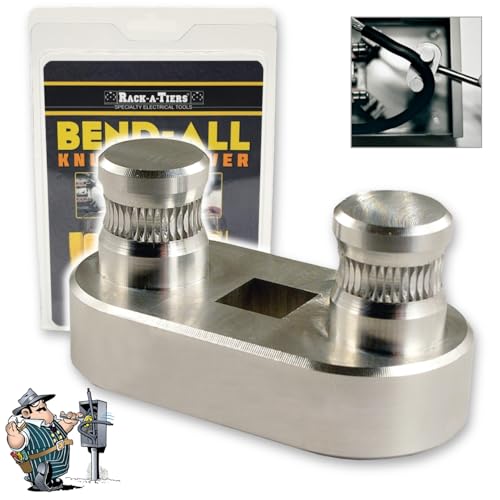
Rack-A-Tiers Bend-All Jr. 1/2″ Ratchet Cable/Wire Bender (77455)

Rack-A-Tiers Pipe Viper 3/4″ PVC Conduit Bender (58075)

Rack-A-Tiers Hoppy Bender 3/4″ for EMT and Rigid Conduits (57075)
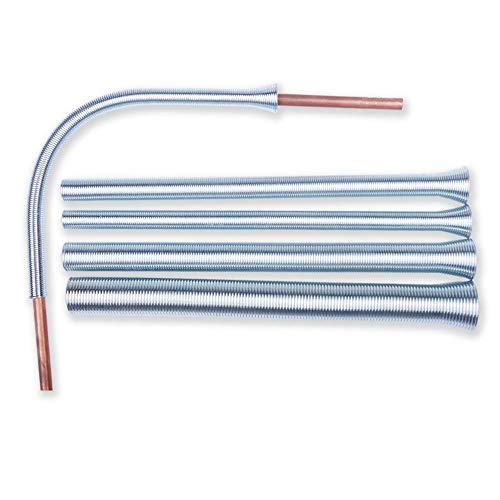
Wostore 5-in-1 Spring Tube Bender Set 1/4″ to 5/8″ OD

OEMTOOLS Tube Bender Pliers and Brake Line Bender for 1/4″ to 3/8″ Steel

Southwire Marksman Conduit Spacer

Imperial Tool 470FH Triple Head 180 Degree Tube Bender
More Details On Our Top Picks
For long feeder runs and panel work, this Bend-All Sr. leans into controlled cable shaping instead of brute force. The aircraft-aluminum body points to a tool that should stay light in hand, while the ratcheting style helps you feed wire into tight spaces with less wrestling.
The real advantage shows up on jobs where you need repeatable bends without abusing the conductor. The trade-off is that this is a specialized hand tool, so it makes more sense for electrical work than for a shop that only bends tubing now and then.
Strong Points
- Ratchet action suits awkward panel entries.
- Aircraft aluminum keeps the tool manageable for longer work sessions.
- Built for large feeder wire, which matters on bigger electrical installs.
- Helps you shape cable more cleanly than improvising with makeshift leverage.
Worth Noting
- Its focus is narrow, so it is not a general purpose bender.
- Bulkier wire work can still demand patience in crowded enclosures.
- Storage is easier in a service truck than in a tiny pouch.
Feature Snapshot
Who It Suits Best
Electricians working on feeder wire and panel-side routing will get the most from this one.
Where A Sibling Pick Shines
Rack-A-Tiers Bend-All Jr. is a better fit for lighter cable handling and smaller service jobs where the Sr. feels like more tool than you need.
Compared with the Sr., the Jr. trims the capacity range and keeps the same general cable-bending approach in a more compact package. That makes it a comfortable fit for service work, especially in cramped areas where a lighter hand tool feels easier to control.
The dowel design is the part worth paying attention to, because it is meant to grip wire without chewing up the conductor. In everyday work, that kind of detail matters more than flashier features, although the tighter range means you will still want to match it to the right cable size.
What We Like
- Compact enough to feel sensible in smaller service bags.
- Dowel grip is aimed at cleaner cable handling.
- Useful for stiff conductors that need controlled force.
- Same ratchet-style approach as the larger Bend-All, with a smaller footprint.
Points To Note
- Lower capacity than the Bend-All Sr., so heavier feeder work belongs elsewhere.
- Still a specialized electrical tool, not a general shop bender.
- Wire size matching matters more here than in broader-use tools.
Core Details
Built With In Mind
This suits electricians who want a wire bender for smaller feeder tasks and service calls.
Another Choice May Suit
Rack-A-Tiers Bend-All Sr. is the better match for larger feeder pulls and bigger cable sizes.
The Pipe Viper stands out because it is meant for cold bending PVC, which means you can skip a heat gun on the right material. That matters on job sites where speed, setup space, or tool simplicity counts more than a long prep routine.
It is a focused tool, though, and the source notes make that clear by limiting it to Schedule 40 PVC. For a plumber or electrician who works with that material often, it feels like a tidy single-purpose option rather than a compromise-filled universal tool.
Highlights
- Cold-bend approach cuts out extra heating gear.
- Designed to help keep PVC from kinking.
- Simple setup suits quick field changes.
- Useful for repetitive Schedule 40 work.
Small Caveats
- Made for Schedule 40 PVC only.
- Not suited to Schedule 80 conduit.
- Its value drops fast outside the intended material.
Details At A Glance
Whose Shelf It Belongs On
Installers who handle a lot of Schedule 40 PVC will benefit most from this tool.
Skip It When
Rack-A-Tiers Hoppy Bender makes more sense for EMT and rigid conduit work, especially when you need a more general metal-conduit option.
The Hoppy Bender leans into layout help, which is where a lot of field time gets lost on conduit work. The angle stopper, engraved multiplier marks, and handle reference chart give you a more guided bending process, so it feels especially helpful for installers who want fewer mental notes floating around during a run.
Compared with the Pipe Viper, this one is about metal conduit rather than PVC, so the use case shifts to EMT and rigid work. That makes it a stronger fit for electricians who want one bender that supports familiar conduit layouts without making the handle feel barebones.
Reasons To Buy
- Angle stopper helps you repeat bends with more confidence.
- Multiplier markings save time during offsets.
- Handle reference chart keeps key numbers close at hand.
- Works with EMT and rigid conduit, which broadens day-to-day usefulness.
Areas To Watch
- Still a dedicated conduit tool, so it does not replace every bending job.
- Markings help, but they do not remove the need for careful layout.
- More features can mean a little more to clean and keep legible over time.
Quick Facts
Right Fit For
Installers who want a layout-friendly 3/4-inch conduit bender will get a lot of mileage here.
Where Shoppers Go Wrong
Southwire Marksman Conduit Spacer is a better sidekick for spacing and marking work, not the bend itself, so it suits crews focused on layout accuracy first.
This spring set takes a simpler route than the rack-and-lever style tools above, and that makes sense for light tube work. Because it covers five common outer diameters, you can keep one set around for HVAC, plumbing, or automotive tasks without hunting for a different spring every time.
The main benefit is kink control on thin-wall tubing, especially in situations where a gentle hand matters more than speed. The trade-off is also clear, because spring benders are happiest on the right tube type and can feel limited once you move outside that narrow use case.
Upsides
- Five sizes cover a useful spread of common tube diameters.
- Good fit for light repairs around the house or shop.
- Helps keep bends smoother on thin-wall tubing.
- Simple enough for occasional work without much setup.
Trade Offs
- Best suited to specific tubing, not heavy conduit tasks.
- Spring tools require the right match between size and material.
- Storage is easy, but keeping the set organized matters.
Technical Sheet
The Right Fit
Home mechanics and light-duty trades work well with this set, especially for thin-wall tube bending.
A Better Fit Elsewhere
OEMTOOLS Tube Bender Pliers suit brake line and tighter angle work better, especially for shop users who want a more rigid tool than a spring set.
These bender pliers are built for tighter, more controlled bends, which is exactly what you want in brake line work or small-diameter tubing jobs. The ability to make left, right, and offset bends up to 90 degrees gives you a practical range without dragging in a larger bench tool.
That narrower size range is the catch, yet it is also the reason the tool stays so manageable in a small toolbox. Compared with the Wostore spring set, this feels more structured and better suited to jobs where you want a defined bend rather than a guided spring wrap.
Best Bits
- Three bend directions cover common shop needs.
- 90-degree capability supports standard line routing.
- Small size makes it easy to store and carry.
- Useful for steel, copper, and aluminum tubing in the listed range.
Honest Caveats
- Only covers a narrow tube range.
- Better for line work than broader conduit tasks.
- Small tools can still ask for a steady hand on tight bends.
Feature Rundown
Who Should Grab It
Shop users and automotive workbench setups suit this tool well.
Look Elsewhere When
Imperial Tool 470FH is the stronger fit for anyone who wants a more versatile triple-head tube bender for several sizes in one hand tool.
This one is not a bending tool in the usual sense, but it belongs in the same conversation because good conduit work starts with clean layout. The anodized aluminum body and laser-etched markings give it a durable, easy-to-read feel for crews who repeat the same spacing tasks all day.
The V-grooved edge is the detail that stands out in real use, since it helps hold a level steady on pipe or conduit. That makes it especially handy on jobs where spacing and alignment need to stay consistent across a run, though it will not replace an actual bender in your kit.
Bright Spots
- Removes a lot of measuring guesswork from conduit spacing.
- Anodized aluminum should hold up well in a hard-working bag.
- Laser-etched markings are easier to read than worn paint marks.
- V-groove helps keep the level in place during layout.
Room For Improvement
- It is a layout helper, not a bending tool.
- Best value shows up only for repeat conduit spacing tasks.
- Like any marked tool, the markings still deserve a little care during cleaning.
Spec Overview
Made For
Electricians and installers who spend a lot of time on spacing and layout will get the most from it.
Reach For A Different Pick When
Rack-A-Tiers Hoppy Bender suits anyone who needs the actual conduit bend plus built-in layout aids in one tool.
The 470FH feels like the most traditional all-around tubing tool in this group, with a triple-head setup that covers several common sizes. The Roto-Lok handle adds indexing control, so the tool suits careful bends in a shop where clean repeatability matters more than speed alone.
Comfort matters here too, thanks to the cushioned grips and lightweight die-cast aluminum build. Compared with the OEMTOOLS pliers, this Imperial tool is the better step-up for anyone who wants a more versatile hand bender for multiple materials and more size options in one place.
Positives
- Triple-head layout covers several tube sizes with one tool.
- Indexing handle helps you set bends with more control.
- Cushioned grips make longer sessions feel less tiring.
- Works across soft copper, brass, aluminum, and thin-wall stainless steel.
- Lightweight body helps keep the tool easy to move around a shop.
Softer Spots
- Dedicated tube work tool, so it does not replace conduit-specific gear.
- Multiple size slots add a little setup attention.
- Best results still depend on matching the tube size carefully.
Feature Card
Best Suited To
Shop users who want a versatile tube bender for several material types will appreciate this one most.
Swap It Out When
OEMTOOLS Tube Bender Pliers are the better call for compact brake line tasks where a smaller tool feels easier to stash and carry.
How To Choose The Right Conduit Bending Tools
Start With The Material In Your Hand
Material is the first filter, because a tool built for Schedule 40 PVC does not belong in the same conversation as one made for EMT, rigid conduit, or brake line tubing. Spring sets, ratchet cable benders, and triple-head tube benders each solve a different problem, so the right match depends on what you shape most often.
That matters in real work, not just on paper. A shop that bends copper and aluminum tube can live with a spring set or a compact plier-style bender, while an electrician pulling feeder wire needs a tool that respects the conductor and the enclosure.
Match The Bend Style To The Job
Some tools guide the bend, some hold the tube, and some help you lay out the run before you bend anything at all. Ratchet cable benders make sense for feeder work, while layout helpers like the Marksman Spacer reduce measuring mistakes before the bend starts.
Think about the bend geometry too. Left, right, and offset bends are common in tubing work, and 90-degree capability is useful, but only when the tool is built for the sizes you use every week.
Weight, Grip, And Storage Still Matter
A light aluminum body is easier to live with during repeated use, especially in a service van or up on a ladder. Cushioned grips and indexing handles are not decoration, they help you stay controlled when your hand gets tired halfway through a long run.
Storage also deserves attention. A spring set tucks away easily, while a larger conduit bender or feeder-wire tool asks for more room and a little more care so the markings, grips, and working edges stay readable and clean.
Buy For Your Real Workload
A once-a-month home project can make do with a simpler tool, but daily field work rewards better layout aids, broader size support, and stronger ergonomics. That is where the more expensive tools earn their keep, because saved minutes and fewer do-overs matter fast on active jobs.
For most people, the smartest move is to choose the narrowest tool that still covers the jobs you actually face. That keeps the kit lean and avoids paying for features that sit untouched in the drawer.
Things Worth Knowing First
Wrong Turns To Avoid
Many shoppers grab a tool by size alone and miss the material rating, which is where problems start. A PVC-specific bender will not replace a conduit tool, and a tube spring will not stand in for a wire bender on a panel job.
Another common slip-up is ignoring the size range in the fine print. That can leave you with a tool that looks versatile but only fits one narrow slice of the work you actually do.
The Upgrade Payoff
Higher-tier tools usually cost more because they add better materials, clearer markings, and smoother control. An anodized aluminum layout tool or a cushioned die-cast bender tends to feel more useful over time than a barebones, single-purpose option.
Spending up makes sense for frequent installs, repeated offsets, or jobs where a bad bend wastes material. For occasional use, a simpler tool is often enough, and the spare money is better kept for a second size or a layout helper.
Frequently Asked Questions
What is the difference between a conduit bender and a tube bender?
A conduit bender is aimed at electrical conduit such as EMT, rigid, or PVC. A tube bender is built for tubing, including copper, brass, aluminum, or brake line materials.
Do you need different tools for PVC and metal conduit?
Yes, the material changes the tool choice in a big way. A PVC-focused bender like the Pipe Viper serves a different job than a metal conduit bender like the Hoppy Bender.
Why do some benders use ratchet or indexing handles?
Those handle styles help you control the bend in tighter spaces or across repeated angles. They also make it easier to keep the motion steady during longer jobs.
Is a spring tube bender enough for home use?
It can be, especially for light tubing in HVAC, plumbing, or automotive work. The key is matching the spring size to the tube diameter and the material.
What should you check before choosing one?
Start with the material, then check the size range and bend type. After that, look at grip comfort and whether the tool fits the kind of work you do most often.
Closing Thoughts
The best conduit bending tools are the ones that match your material, your space, and your pace. A heavy feeder-wire bender, a PVC-specific shaper, and a layout helper each earn their place for different reasons, and that is the real lesson here. Choose the tool that fits the work you actually face, not the one that promises to do every job. That keeps your kit simpler and your bends cleaner, which is usually the point.