Contractor Table Saws need to earn their space, whether you’re trimming sheet goods in a garage, setting up for finish carpentry, or moving between jobsites. The right setup saves time on alignment, dust control, and repeat cuts, which matters fast once the workday starts. Some picks here are full saws, while others support the cut line with better fences, blades, stands, or dust handling. That mix makes sense for real projects, where the saw itself is only part of the system.
Quick Look At The Shortlist
SKIL 10 Inch Heavy Duty Worm Drive Table Saw SPT99-11

BORA Portacube Miter Saw Stand PM-8000

DOVAMAN Updated 10-Inch Sliding Miter Saw

CMT Orange Tools 256.050.10 Combination Saw Blade

Makita LS1040 10-Inch Compound Miter Saw

Milescraft 1500 DustCutter Contractor Saw Dust Collection System

Saker Thin Rip Jig Table Saw Jig Guide
Delta 36-T30T3 30 in. DELTA T3 Fence System
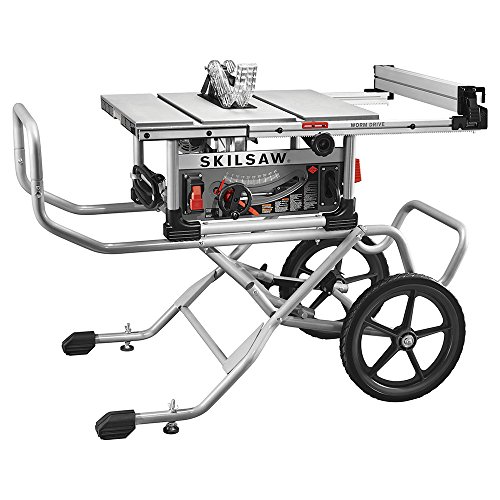
The worm-drive layout gives this SKIL saw a more serious, jobsite-minded feel than lighter contractor setups. That style usually appeals to carpenters who rip framing lumber, plywood, or decking all week and want steadier torque behavior. The included stand matters too, because a saw this size should travel like a working tool, not a project of its own.
The honest trade-off is weight and bulk, so garage shops with tight storage may not love it. Even so, the worm-drive format is often the reason people reach for this class in the first place, especially for rough carpentry where confidence matters more than compactness. For crew use or a busy home build, it fits the brief well.
Strong Points
- Worm-drive drive train suits demanding rip work.
- Stand included, so setup is less piecemeal.
- Feels more jobsite-ready than lighter benchtop options.
- Good match for framing and renovation work.
Small Caveats
- Not the easiest choice for small storage areas.
- Heavier gear can slow solo loading and unloading.
- Regular cleaning around the stand and fence keeps it easier to live with.
Feature Rundown
Who It Suits Best
Carpenters and remodelers who move between spaces and need a sturdy primary saw fit this model well.
Where A Sibling Pick Shines
Delta 36-T30T3 Fence System suits you better when you already own a saw and want tighter fence control instead of a full machine.
Compared with the SKIL saw above, this BORA piece is less about cutting power and more about making your workspace flexible. The rotating top workbench format is the real draw, because it helps a miter saw setup do double duty in a shop that never stays still for long. Rolling mobility also matters for one-person setups where moving a heavy station is part of the day.
For a shared garage or a remodel space, that kind of adaptability can feel like breathing room. The trade-off is simple, it’s a stand and work surface, not the cutting machine itself, so you need to pair it with the saw you already trust. That makes it a smart upgrade for organized setups, not a first tool for someone starting from zero.
What We Like
- Rotating top adds flexibility to the work area.
- Wheels help the station move more easily.
- Useful for spaces that serve more than one task.
- Pairs well with an existing miter saw.
Areas To Watch
- Doesn’t replace the saw itself.
- Best fit depends on your current tool collection.
- Moving parts and wheels need occasional upkeep.
Core Details
Made For
Workshop owners and remodelers who already have a miter saw and want a more adaptable base.
Another Choice May Suit
SKIL 10 Inch Heavy Duty Worm Drive Table Saw SPT99-11 suits you better when you need the saw and the stand in one primary cutting setup.
Sliding miter saws like this one are for crosscut work that needs more reach than a basic chop saw usually offers. The three TCT blades, that is, carbide-tipped tooth blades, make the package feel more ready for mixed materials straight out of the box. Ambidextrous operation is a useful touch in a shared shop, because left-handed and right-handed setups both get a fair shot at comfort.
The laser guide and 9 positive stops add repeatability, which helps when trim, decking, or framing parts need to match without constant re-marking. The trade-off is that feature-heavy saws ask for more bench space and more attention to setup. For a shop that does varied work and wants one saw to cover a lot of ground, this is a sensible fit.
Highlights
- Sliding action extends cutting reach.
- Three included blades broaden material coverage.
- Ambidextrous design helps shared-use shops.
- Laser and stop positions support repeat cuts.
- Strong fit for trim and framing overlap.
Worth Noting
- More features usually mean more setup attention.
- Sliding saws ask for extra bench depth.
- Blade changes and dust cleanup stay part of routine upkeep.
Feature Snapshot
Best Suited To
Trim carpenters and home-shop users who want broader cut flexibility in one saw.
A Better Fit Elsewhere
Makita LS1040 10-Inch Compound Miter Saw suits you better when you want a simpler, more compact miter saw layout for routine cuts.
Unlike the saws above, this CMT blade is the part that shapes how your contractor saw actually feels at the cut line. A 10-inch blade with a 50-tooth combination grind usually aims for a middle ground between ripping and crosscutting, so it suits shops that don’t want to swap blades for every task. The 5/8-inch arbor is the mounting opening, which matters because it has to match your saw spindle exactly.
The carbide-tipped teeth should appeal to you when cleaner everyday work matters more than a specialty setup. The trade-off is the familiar one with combination blades, they’re versatile rather than laser-focused on one cut style. For mixed carpentry and general shop use, that’s often the right compromise.
Reasons To Buy
- Combination tooth pattern supports both rip and crosscut work.
- Carbide-tipped teeth suit regular shop use.
- Good middle-ground choice for one-blade setups.
- Helps reduce blade swapping during mixed jobs.
Points To Note
- Needs a compatible 5/8-inch arbor.
- Combination blades rarely specialize as hard as task-specific ones.
- Blade cleaning matters to keep cut quality consistent.
Spec Overview
Who Will Love This
General contractors and garage-shop users who want one blade for everyday switching between cut styles.
Look Elsewhere When
DOVAMAN Updated 10-Inch Sliding Miter Saw suits you better when you need a complete saw with more cut capacity instead of a replacement blade.
The Makita LS1040 is the sort of saw that feels familiar the moment you picture a trim bench or framing station. A 10-inch compound miter saw gives you angled crosscuts and bevel-capable work in a format many carpenters already know how to live with. That makes it easy to slot into an established workflow without a lot of fuss.
For a home shop or a contractor van, the simpler profile is part of the appeal. You do give up the extra reach and specialty flexibility of a sliding model like the DOVAMAN, but that trade-off often pays off in straightforward use and easier storage. It’s a steady, no-drama choice for people who want a familiar tool rather than a feature-heavy one.
Best Bits
- Familiar compound miter layout keeps the learning curve modest.
- Useful for trim, framing, and general angled cuts.
- More compact than sliding alternatives.
- Easy to integrate into basic shop routines.
Softer Spots
- Not as reach-friendly as a sliding saw.
- Less feature depth than newer multi-material options.
- Regular dust clearing helps the fence and pivot stay smoother.
Technical Sheet
Right Fit For
Trim carpenters and homeowners who want a direct, familiar saw for everyday angled cuts.
Swap It Out When
SKIL 10 Inch Heavy Duty Worm Drive Table Saw SPT99-11 suits you better when rip capacity and table saw workflow matter more than miter saw convenience.
Dust control changes the whole feel of a contractor saw station, and this Milescraft system focuses on that exact headache. It’s an accessory, not a saw, so the value shows up in cleaner floors, less debris drifting around your cut line, and less time spent sweeping around the base. For enclosed garages or shared shops, that can make a big difference to comfort and cleanup.
The catch is fit and installation, because dust collection accessories usually work best when you’re willing to match them carefully to the machine and port layout. That’s not a flaw so much as the nature of the category. Compared with the BORA stand or Delta fence, this is the pick that changes everyday use in the most visible way without replacing the saw itself.
Upsides
- Helps keep the work area cleaner.
- Useful in garages, sheds, and shared workspaces.
- Can reduce cleanup time around the saw station.
- Adds comfort without changing your cutting habits.
Room For Improvement
- Fit depends on the saw and dust port layout.
- Installation takes some patience.
- Dust accessories need occasional clearing to stay effective.
Details At A Glance
Whose Shelf It Belongs On
Shop owners and garage woodworkers who want a cleaner cutting area without changing saws.
Reach For A Different Pick When
Delta 36-T30T3 30 in. DELTA T3 Fence System suits you better when cut accuracy and fence control matter more than dust handling.
This Saker jig is for repetitive narrow rip work, the kind that gets annoying fast when you’re relying on a fence alone. Its slot fit, listed for 3/4-inch by 3/8-inch grooves, means compatibility matters a lot here, so you’ll want a saw or table setup that matches before anything else. For trim stock, strips, or small repeated pieces, that consistency can save a surprising amount of patience.
The trade-off is obvious, it solves a narrow job very well and not much else. That’s fine for a dedicated shop routine, especially when compared with the broader-purpose CMT blade or Delta fence. The honest read is that you reach for this when repeated strip cuts matter more than general versatility.
Positives
- Helps make repeated thin strips more consistent.
- Useful for detailed shop and trim work.
- Compact size keeps the accessory easy to store.
- Good helper for workflow that repeats the same cut.
Minor Gripes
- Only suits setups with matching slot dimensions.
- Special-purpose tool, so it won’t replace a fence.
- Needs routine checking to keep alignment steady.
Feature Card
The Right Fit
Woodworkers who make the same thin strip cuts over and over will get the most from it.
Where A Sibling Pick Shines
CMT Orange Tools 256.050.10 Combination Saw Blade suits you better when your table saw needs a more general-purpose cutting upgrade.
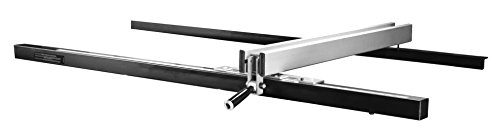
A better fence can change a contractor saw more than people expect, and this Delta T3 system is aimed right at that part of the setup. The 30-inch size gives you a clear sense of reach, which matters for larger stock and more repeatable ripping. For shops where the saw itself is fine but the fence feels like the weak link, this is the kind of upgrade that can make daily work calmer.
It’s not a full saw, so the value lives in accuracy and confidence rather than raw power. Compared with the Milescraft dust system, this is the accessory that affects cut quality more directly. For an older contractor saw that still has good bones, a fence upgrade can be the sensible middle path.
Bright Spots
- Improves fence control on an existing saw.
- 30-inch reach supports larger workpieces.
- Helpful for repeat rip cuts and layout consistency.
- Good way to modernize an older setup.
Honest Caveats
- Only makes sense when your current saw is worth upgrading.
- Fence installs call for careful alignment.
- Tracks and rails benefit from regular cleaning.
Core Details
Built With In Mind
Contractors and shop owners who want steadier rip control from an existing table saw.
A Better Fit Elsewhere
SKIL 10 Inch Heavy Duty Worm Drive Table Saw SPT99-11 suits you better when you want a full saw-and-stand package instead of an upgrade part.
How To Choose The Right Contractor Table Saws
Cut Capacity And Daily Workflow
Contractor table saws earn their keep through rip capacity, fence stability, and how smoothly they handle repeated cuts. A wider table and a dependable fence help when you work with sheet goods, decking, or long framing stock, because constant re-measuring slows everything down. For a garage shop, a compact footprint may matter more than maximum reach, so the right balance depends on the spaces you actually use.
Drive style also changes the feel of the tool. Worm-drive setups usually bring a tougher ripping personality, while lighter layouts can be easier to move and store. You end up choosing between muscle, mobility, and convenience, and there’s no single answer that works for every shop.
Accuracy Parts That Matter More Than Hype
Fence quality, miter stops, and blade choice often affect your results more than flashy extras. A combination blade like the CMT model can make everyday cuts feel more even, while a precise fence system like the Delta option helps the saw keep its line. That’s the sort of detail that shows up in less sanding, fewer recuts, and less frustration at the bench.
Think about your common materials too. If your work jumps between trim, plywood, and framing stock, a saw or accessory with a broader operating range usually makes more sense than a narrow specialist. For shop owners, the right match often looks boring on paper and excellent in daily use.
Dust, Mobility, And Setup Reality
Dust collection matters more than many people expect, especially in enclosed garages or shared work areas. An accessory like the Milescraft DustCutter can keep cleanup more manageable, while a rolling stand such as the BORA Portacube helps a station move when the room layout changes. Both features save time in small ways that add up fast.
Storage and assembly deserve attention too. A heavier saw may feel steadier during work, but it asks more from your back and your floor space, while a lighter setup can be easier to stage but less confidence-inspiring on big cuts. The better choice usually reflects how often you move the tool versus how often you leave it parked.
Things Worth Knowing First
Wrong Turns To Avoid
Many shoppers focus on blade size alone and ignore the rest of the system. That can lead to a saw that cuts well in theory but feels awkward because the fence, stand, or dust path never quite fits the way you work.
Another common misstep is buying a specialty accessory for a general need. The thin rip jig is useful for repeated narrow strips, but it won’t replace a fence system or a full saw upgrade.
The Upgrade Payoff
Higher-tier contractor saw setups often cost more because they put money into alignment parts, sturdier fence mechanisms, smoother mobility, and better capacity. Those differences matter most in shops that cut every day, because tiny annoyances become real delays when they repeat all week.
Spending more makes sense when your current saw feels unstable, hard to square, or weak on repeatability. For occasional weekend use, a simpler setup can be perfectly sensible, but frequent crews usually feel the upgrade in speed and confidence.
Frequently Asked Questions
What makes a contractor table saw different from a portable saw?
Contractor table saws usually aim for better stability, more cut capacity, and a more fixed shop feel. Portable saws lean harder toward light weight and easy carry.
Do you need a sliding saw for trim work?
No, a basic compound miter saw handles plenty of trim work. A sliding model helps when wider boards or deeper crosscuts are part of the job.
Is a fence upgrade worth it on an older saw?
It often is, especially when the saw motor still runs well but the guide system feels loose or inconsistent. A better fence can improve repeat cuts without replacing the whole machine.
Why does blade choice matter so much?
The blade shape affects cut smoothness, speed, and how often you swap parts. A combination blade works well for mixed use, while a more focused blade suits a narrower job.
Should dust collection be a priority in a garage shop?
Yes, because sawdust builds up fast in small enclosed spaces. A dust accessory can make cleanup easier and help the work area stay more usable between cuts.
Closing Thoughts
The best fit depends on how your shop actually works, not just on the biggest spec sheet. For heavy ripping and jobsite muscle, the SKIL saw stands out as the most complete primary machine in this group. For setup flexibility, the BORA stand and Delta fence tackle real workflow problems without asking you to replace everything. Match the tool to the way you cut, store, and move gear, and you’ll feel the difference the next time the workday gets busy.