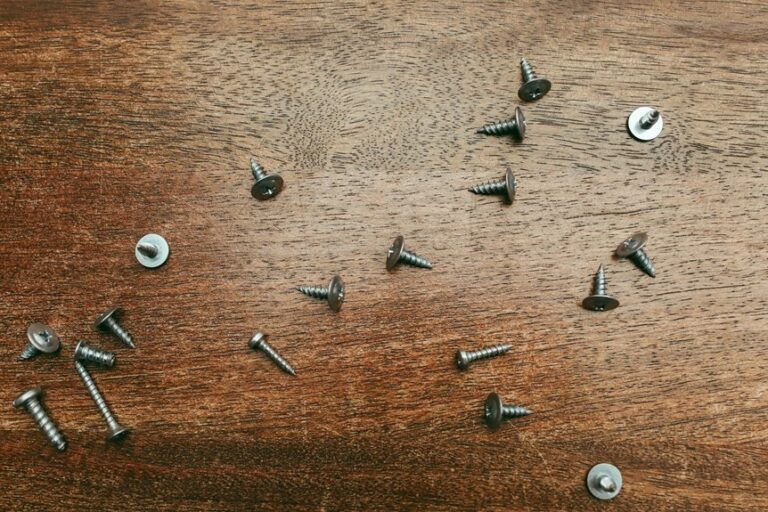
Nearly 1 in 3 fastener jobs fail because the wrong screw was chosen, so you want self tapping screws when you need a fast, clean way to join metal, plastic, or wood without pre-cut threads. You drive them in, and they create their own grip, which saves time and cuts down on mistakes. The real trick is knowing which type fits each material, because that choice can make the difference between a tight hold and a sloppy mess.
What Are Self Tapping Screws Used For?
At a glance, self-tapping screws are used when you need a fast, secure hold without a lot of extra steps. You reach for them when you’re joining metal roofing, HVAC parts, plastic housings, or soft wood. They also help you fasten thin metal, fiberglass, and some masonry with the right pilot hole. Because they form their own grip in many materials, you save time and keep projects moving.
You can choose from different head styles for a cleaner finish, and corrosion resistance matters when your work faces moisture or weather. In your shop or jobsite, that means fewer hassles and more confidence. When you need a reliable connection, these screws let you get the job done with less fuss and a lot more ease.
How Self Tapping Screws Work
When you drive a self tapping screw into the right material, it doesn’t just sit there and hope for the best. You feel it bite, then it starts making its own path as you turn it.
The tip leads first, and the threads follow by cutting or shaping the material around them. That action creates material displacement, so the screw can grip tightly instead of slipping.
In softer materials, the threads form a firm hold with less effort, which helps you work with confidence. In tighter spaces, the screw also saves you a step because you don’t need a separate tap.
As the material settles, small changes from thermal expansion can still happen, but the screw’s built-in threads help keep the joint secure and steady.
Self Tapping Screws in Metal Projects
Metal projects are where self tapping screws really prove their worth, especially when you need a fast, secure hold without a lot of extra steps. You can join thin steel, aluminum, or sheet metal and feel confident the connection will stay tight.
- Pick screws with good corrosion resistance so the joint lasts in damp or outdoor spots.
- Drill a small pilot hole in harder metal, then let the screw cut its own threads.
- Leave a little room for thermal expansion, so panels can move without stressing the fastener.
When you work this way, you keep your build clean and strong. The screw bites, the parts align, and you get the kind of reliable hold that makes you feel like you’re on the right team.
Self Tapping Screws for Plastic Parts
Choosing the right self tapping screw for plastic parts can save you a lot of stress, because plastic is strong in some ways and tricky in others. You need a screw that matches the plastic’s material compatibility, so it won’t crack, split, or strip the hole.
A thread-forming screw often works well because it shapes its own path and grips without extra tools. Still, you should avoid forcing it, since plastic can flex and bite back with a ruined fit.
Also, watch thermal expansion, because plastic moves with heat and cold more than metal does. That means you want enough hold, but not so much pressure that the part warps.
When you choose carefully, you help your project feel solid, neat, and built for real everyday use.
Self Tapping Screws in Wood
A wood screw can feel like a small tool, but it does a lot of heavy lifting in your project. You can use self tapping screws in soft wood when you want a fast, solid hold without extra fuss. First, mark your spot, then follow simple pre drill tips if the wood feels tight or brittle. That keeps the screw from splitting the board and helps you stay confident.
- Start straight so the threads bite cleanly.
- Choose a screw length that matches your joint.
- Stop when the head sits snug, not crushed.
When you care about the wood finish, drive slowly and keep the surface neat. You’ll get a cleaner look, stronger grip, and a smoother build that feels like it belongs.
Common Self Tapping Screw Types
You’ll often run into thread cutting screws, thread forming screws, and sheet metal screws when you pick a self-tapping option.
Each type works a little differently, so you can match the screw to the material and make the job smoother.
Once you know the basic differences, you’ll choose faster and avoid a lot of small fastening headaches.
Thread Cutting Screws
Because they work so well in hard, brittle materials, thread cutting screws are one of the most useful self tapping screw types when you need a clean, secure hold without extra tapping tools. You get better Material compatibility when you match the screw to metal, plastic, or fiberglass, and you also protect the part from cracking. Good Torque control matters too, because you want the screw to cut threads smoothly, not force them.
- You can use them for thin metal sheets.
- You can rely on them for tight HVAC parts.
- You can choose them for housings that need a neat finish.
When you mark the spot first and drive with steady pressure, you make the job feel easier and more like you’re working with the material, not against it.
Thread Forming Screws
As the screw turns, it pushes material flow outward, then locks into that new path for a snug hold. Because of that, you get steady support without much fuss, and your project feels easier to finish.
You’ll also notice that heat treatment helps the screw stay tough enough to keep its form while driving in. So, when you want a clean fit and a confident hold, these screws give you a simple path forward with less effort and more control.
Sheet Metal Screws
Their sharp threads bite into metal, so you get grip fast. Look for coated finishes when you want better rust resistance, especially outdoors. Many styles use hex countersinks, which help the head sit flush and keep the surface neat.
- You can drive them from one side.
- You save time on thin sheets.
- You get a tight fit that feels solid and dependable.
How to Choose the Right Screw Size
To pick the right self-tapping screw size, you need to match the screw length to the material thickness so it grips well without poking through.
You should also choose the right thread gauge, because a thicker gauge gives more holding power while a finer one works better in lighter materials.
When you balance length and gauge, you make the joint stronger, cleaner, and much easier to trust.
Screw Length Basics
When you choose a self-tapping screw, length matters just as much as thread type, because the right screw needs to bite firmly without poking through or crushing the material. You’re not guessing here. You’re matching the screw to the job, so the hold feels solid and clean. Check length standards for your material, then think about drive compatibility so your bit seats well and you avoid slip.
- Measure the total thickness you’re joining.
- Choose a screw that reaches deep enough for grip, but not too deep.
- Test the fit in a scrap piece before you install the real part.
If you’re working with metal, plastic, or wood, the right length helps you feel confident, and your project looks neat too.
Thread Gauge Selection
Length gets the screw close, but thread gauge decides how well it actually holds, so you’ll want to match the screw’s thickness to the job before you start twisting. For thin metal, plastic, or soft wood, a smaller gauge often bites cleanly and keeps the material from splitting.
For thicker panels or load-heavy spots, choose a larger gauge so the threads grab with more confidence. Next, check thread pitch, because fine threads suit harder materials and coarse ones work better when you need fast bite.
You should also think about material compatibility, since the wrong gauge can strip, crack, or wobble. If you’re unsure, test one screw first. That small check helps you feel like you’re building with the right crew, not fighting the project.
Tools for Installing Self Tapping Screws
Choosing the right tools makes self tapping screws much easier to install, and it also helps you avoid damaged threads, stripped heads, and a lot of frustration.
You’ll feel more in control when your kit fits the job. Start with these:
- Magnetic bitsets so you can hold the screw steady and work faster in tight spots.
- Torque limiting drivers so you can keep pressure consistent and stop short of overdriving.
- A drill or driver with the right bit size so the screw seats cleanly in metal, plastic, or wood.
When you match the tool to the material, your work feels smoother and cleaner.
That small setup choice helps you join the crew of people who get solid, tidy results without extra hassle.
How to Avoid Stripped or Loose Screws
A screw can seem solid at first, but it can loosen or strip fast if you rush the job or miss a small detail. You can avoid stripping by matching the driver tip to the screw head and keeping steady pressure while you turn.
Next, use proper torque, because too much force crushes threads, and too little leaves the joint shaky. For extra grip, choose washer use when the head needs a wider contact area. Then add thread locker on clean metal threads when vibration could back the screw out.
Also, start straight, slow down near the end, and stop if you feel slipping. When you work this way, you protect the joint and keep your project feeling tight, safe, and well built.
Frequently Asked Questions
Can Self Tapping Screws Be Reused After Removal?
Yes, sometimes they can be reused, but each removal wears the threads and can weaken the screw. If the hole still grips firmly and the screw head and threads are intact, it may hold again.
What Pilot Hole Size Should I Drill?
Drill the pilot hole just under the screw’s root diameter, then check the fit. For threaded inserts, use the manufacturer’s hole size. For countersunk screws, match the opening to the head so it seats flush and stays secure.
Are Self Tapping Screws Suitable for Masonry?
Not really. Masonry needs masonry anchors or concrete fasteners. Ordinary self tapping screws do not hold reliably in brick or concrete, so use the right hardware for a secure fit.
Do Self Tapping Screws Need Special Tools?
No, you usually do not need special tools. Standard power tools with the right bit and torque settings are enough for most jobs.
How Do I Prevent Screws From Stripping?
Use the correct size bit, apply steady pressure, and stop as soon as the screw is snug. You can prevent stripping by lubricating the threads, using a good screwdriver with a comfortable grip, matching the screw to the material, and predrilling harder surfaces.