Coping saws look simple, but the right one saves time, reduces wandering cuts, and makes detail work feel much less fussy. That matters whether you’re trimming trim in a small room, shaping wood for a craft project, or keeping a tool kit light enough for weekend jobs. The eight picks below cover sturdy frames, blade flexibility, replacement blade support, and a few specialty options for sharper turns or mixed materials.
The Shortlist At A Glance

IRWIN ProTouch Coping Saw (2014400)

Magic Frame Depth Coping Saw with 5 Saw Blade

Stanley 15-106 Coping Saw
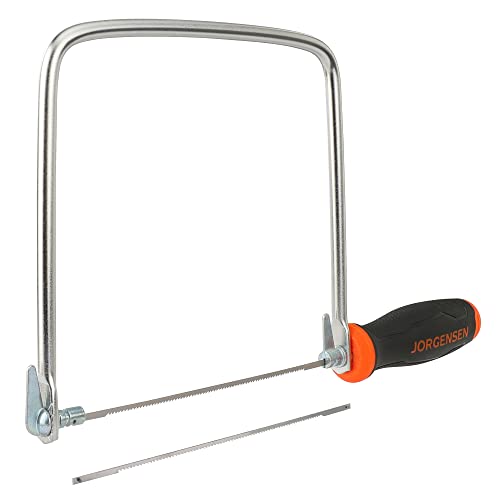
JORGENSEN Pro Coping Saw and Replacement Blades

Knew Concepts 5 inch Mk.IV Heavy Duty Fret Saw

FOXBC 6-1/2-Inch Coping Saw Blades

6 Inch Japanese Pull Saw, Hand Saw Woodworking Tools

FreeStyle Coping Saw with 360° Spyral Tooth
More Details On Our Top Picks
IRWIN keeps this one straightforward, which is part of the appeal. The flat-bar frame gives you a familiar stance, and the DuraSteel pins point to a build that should hold up through recurring shop use.
The high-speed steel blades are the useful part here, especially for trim work, craft shaping, and other jobs where you want a cleaner curve than a standard saw usually gives. It’s a good fit for a home tool drawer, though the plain setup means you’re not getting any special adjustability.
What We Like
- High-speed steel blades suit a range of common materials.
- Flat-bar frame gives you a steady, familiar feel.
- DuraSteel pins add a more durable hardware profile.
- Works well for trim, hobby work, and general shaping.
Things To Consider
- The design stays basic, so you do not get extra adjustment features.
- Blade changes and tension setup may feel old-school compared with fancier frames.
Feature Snapshot
Who It Suits Best
Home woodworkers and general hand-tool users will get the most from this one.
A Better Fit Elsewhere
JORGENSEN Pro Coping Saw and Replacement Blades suits you better when you want spare blades in the box from day one.
This pick is aimed at mixed-material work, and that makes it stand apart from the more ordinary frames above it. The listing points to a very broad cutting range, so you may find it useful in a garage or repair kit where wood, plastic, and light metal all show up.
It comes with five blades, which helps you get started without hunting for extras right away. The trade-off is obvious, though, since a tool that promises broad material coverage often asks you to be a bit more careful about blade choice and cut speed.
Positives
- Handles a wide spread of common materials.
- Five included blades add immediate working flexibility.
- Useful for repair jobs where material type changes often.
- Fits DIY spaces that need one saw for several tasks.
Softer Spots
- The broad claim set suggests you still need the right blade for the job.
- That kind of flexibility can mean more setup attention before each cut.
- Mixed-use tools can feel less specialized than a saw built for one job.
Core Details
Who Should Grab It
You benefit most when your projects shift between repair work, craft tasks, and light shop use.
Another Choice May Suit
IRWIN ProTouch Coping Saw (2014400) makes more sense for straightforward woodworking and a simpler frame feel.
Stanley keeps this one close to the classic coping-saw formula, and that makes it easy to understand at a glance. The listed frame depth and blade length suit routine trim work, hobby cuts, and the sort of household jobs where you want a familiar hand tool without a learning curve.
Because the source data is sparse, the honest read is that this pick stands more on brand familiarity and a standard format than on extra features. That can be a plus for someone who just wants a simple saw that does the core job and stays out of the way.
Highlights
- Standard dimensions make it easy to picture the working size.
- Familiar layout suits basic coping-saw tasks.
- Good fit for light household or hobby use.
Worth Noting
- The source details leave little room for feature comparison.
- You do not get extras like spare blades or special frame hardware in the provided data.
At A Glance
Made For
You’re the right fit for this saw if you want a straightforward tool for occasional trim and craft work.
Where A Sibling Pick Shines
JORGENSEN Pro Coping Saw and Replacement Blades is the better match for anyone who wants extra blades bundled in.
This JORGENSEN setup leans into usefulness right away, because the included blades make it feel more complete out of the box. The 15 TPI blade, meaning 15 teeth per inch, suggests a finer, slower cut than a coarse blade, which matters for tight curves and cleaner corners.
The listed frame depth and light 9.3-ounce weight point to a tool you can manage comfortably on longer sessions. For wood, plastic, rubber, and softer metal, that balance of size and blade support makes sense, though a heavier-duty frame would still suit rougher shop abuse better.
Best Bits
- Two extra blades help you stay ready for repeat work.
- 15 TPI blade supports cleaner detail cuts.
- Light weight helps reduce fatigue during longer sessions.
- Works across several softer materials, not just wood.
Areas To Watch
- The lighter build may not feel as rugged as the stoutest frames.
- Fine-tooth cutting can be slower on thicker stock.
- Replacement blades are useful, though you still need to store them carefully so they stay organized.
Details At A Glance
Best Suited To
You’ll like this most for detailed woodworking and mixed soft-material cutting in a home shop.
Look Elsewhere When
Knew Concepts 5 inch Mk.IV Heavy Duty Fret Saw suits you better when fine adjustment hardware matters more than bundle value.
This is the precision-minded option in the group, and you can feel that from the lever tension and swivel blade clamps. Lever tension makes blade setup quicker to adjust, while swivel clamps help the blade angle suit more intricate cuts.
That kind of hardware matters for fret work, model detail, and other fine projects where tiny course corrections matter more than brute strength. The trade-off is straightforward, since a more refined mechanism usually costs more and can feel like overkill for casual trim jobs.
Reasons To Buy
- Lever tension supports quicker blade adjustments.
- Swivel clamps add control for complex shaping.
- Compact 5-inch frame fits delicate work.
- Feels well matched to detail-oriented shop tasks.
Minor Gripes
- The fine-control focus makes it less of an all-purpose shop saw.
- It can be more tool than you need for basic trimming.
Technical Sheet
The Right Fit
You’re the best match for this saw if your projects lean toward fretwork, models, and careful detail shaping.
Swap It Out When
IRWIN ProTouch Coping Saw (2014400) is a better fit for general household cutting and a simpler frame.
Blade packs matter more than they first seem to, especially once you use a coping saw often enough to wear through the original edge. FOXBC focuses on replacements, so this listing makes sense for anyone who already owns a frame and wants a sensible backup supply.
The listed 6-1/2-inch length between pins and the 15 TPI and 18 TPI options give you a choice between finer control and a slightly different cutting feel. In a busy shop, that kind of spare-pack approach is handy, though it does nothing for someone who still needs the saw frame itself.
Strong Points
- Replacement-focused pack keeps your tool usable longer.
- Two tooth options support different cutting needs.
- Standard blade length fits common coping saw frames.
- Useful backup for people who cut often.
Small Caveats
- You are buying blades only, not a complete saw.
- Storage matters here, since thin blades can bend or get mixed up in a cluttered drawer.
Quick Facts
Perfect Match For
You’ll get the most value here if you already own a compatible coping saw and just want replacement blades on hand.
Where A Sibling Pick Shines
JORGENSEN Pro Coping Saw and Replacement Blades is the better fit when you also want the frame in the same box.
This one steps a little outside the coping-saw lane, but it earns a place for woodworkers who value a light, crisp-feeling hand saw. The SK5 high-carbon steel blade and the reported HRC60 to 63 tooth hardness point to a tooth edge built for sharp cutting action, while the two-sided tooth layout splits the job between harder and softer wood.
That said, the pull-saw motion is different from a coping saw, so it suits a different rhythm in the hand. It makes sense for someone trimming boards on the bench or packing a lighter tool for travel, yet it is not the first choice for interior curve work.
Upsides
- Lightweight format is easy to carry and control.
- Two tooth counts help with different wood types.
- High-carbon steel blade suits sharp, confident cuts.
- Wood handle gives it a familiar hand-tool feel.
Room For Improvement
- It is a pull saw, so it does not replace a coping saw’s curved-cut strengths.
- Two-sided teeth need a little care in storage to avoid damage.
Feature Rundown
Who Will Love This
You’re the right fit for this saw if you want a compact hand saw for straightforward woodworking and bench tasks.
Skip It When
Spyral FreeStyle Coping Saw with 360° Spyral Tooth suits you better for curved cuts that need directional freedom.
The 360° spiral tooth is the whole story here, and it changes how you think about cutting direction. Instead of twisting the frame to keep the blade lined up, you get more freedom to move through curves in a way that can feel calmer for decorative work and tight inside shapes.
That makes this model especially appealing for craft users and anyone who spends time on irregular patterns. The honest trade-off is that specialty blades can feel less familiar than flat ones, so there’s a short adjustment period for the hand and eye.
Bright Spots
- Spiral tooth design cuts in multiple directions.
- Helps reduce awkward repositioning during curved work.
- Includes five spiral blades for ongoing use.
- Well suited to decorative cuts and pattern work.
Honest Caveats
- The spiral approach takes a little getting used to.
- Specialty blades may not suit every everyday trimming job.
- Replacement storage matters, since the blade shape is not as ordinary as a flat profile.
Spec Overview
Whose Shelf It Belongs On
You’re a strong match for this saw if decorative curve work and direction changes come up often in your projects.
Reach For A Different Pick When
IRWIN ProTouch Coping Saw (2014400) is the simpler fit for everyday trimming and a more conventional blade feel.
How To Choose The Right Coping Saws
Frame Feel And Reach
A coping saw lives or dies by frame depth, stiffness, and how steady it feels in your hand. Deeper frames give you a little more room for interior cuts, while a lighter or simpler frame can feel easier for quick trim work around the house. The trade-off is that more reach can add bulk, so the right size depends on whether you work in tight corners or on open bench pieces.
Blade Count And Tooth Pattern
Blade teeth per inch, often written as TPI, tell you how fine the cut will feel. Higher TPI usually favors cleaner, slower work on detail pieces, while lower TPI can move faster through softer stock. Spare blades matter too, because a saw that ships with replacements keeps you working without interruption.
Material Match Matters
A coping saw for pine trim is not automatically the same fit as one for plastic, soft metal, or mixed repair jobs. High-speed steel and similar blade materials help a saw stay useful across common shop tasks, while specialty spiral blades change the cutting style entirely. Match the blade to the material first, then look at frame comfort.
Hand Comfort And Storage
Grip shape and overall weight matter more than people expect, especially during longer sessions. A tool that feels balanced in a short trim job can feel tiring when you spend an hour on curves or patterns. Storage matters too, because loose blades bend easily and a cluttered drawer can turn a useful saw into a hassle.
A Quick Reality Check
Mistakes Worth Dodging
A lot of confusion starts when the saw frame looks fine but the blade type doesn’t suit the job. A mixed-material listing can sound flexible, yet you still need to match the tooth pattern and cut speed to the material in front of you. Another common slip is buying only blades when you actually need a complete frame.
The Upgrade Payoff
Higher-tier coping saws often spend the extra money on tension hardware, clamp design, and more precise feel in the hand. That matters most for detailed hobby work, fret work, and repeated use where tiny adjustments add up. For casual trim jobs, a simpler frame often makes more sense, because you’re paying for control you may not use often.
Frequently Asked Questions
What Is A Coping Saw Used For?
A coping saw handles curved cuts, inside cutouts, and trim shaping better than many basic hand saws. It’s especially handy for woodworking, molding, and detail projects.
How Do You Pick The Right Blade?
You match the blade to the material and the finish you want on the cut. Finer teeth usually give you more control, while coarser teeth can move through stock faster.
Can You Cut Metal With A Coping Saw?
Some coping saws and blades are suited to light metal work, especially softer stock. You still need the right blade type and a slower, steadier hand.
Are Replacement Blades Important?
Yes, because coping saw blades wear out and bend faster than many people expect. A frame that uses standard blade lengths makes replacements easier to source and store.
Does A Specialty Blade Help?
A spiral blade can help with directional cutting and awkward curves. It also asks for a little practice, so a standard flat blade still makes sense for simple jobs.
Closing Remarks
The best coping saw for you depends on how often you cut, what materials you handle, and how much control you want in the hand. A straightforward frame like the IRWIN or Stanley works well for general home use, while the Knew Concepts and Spyral picks make more sense for detailed work. Blade packs such as FOXBC matter once you use the tool regularly, and the Magic Frame option fits mixed-material jobs better than most. Pick the tool that matches your most common project, and the rest becomes much easier.