


You want a drill that can push through masonry, wood, or metal without turning a simple job into a slog. This roundup focuses on corded and corded-style hammer drills that suit garage projects, basement work, renovation days, and the occasional heavy-duty task.
You’ll see a mix of lighter all-purpose picks and tougher rotary hammers, so you can match the tool to the hole, the material, and the amount of strain you want to feel in your hands. That matters more than brand loyalty, because the right grip, chuck style, and mode selection can make long sessions feel a lot less punishing.
Quick Look At The Shortlist
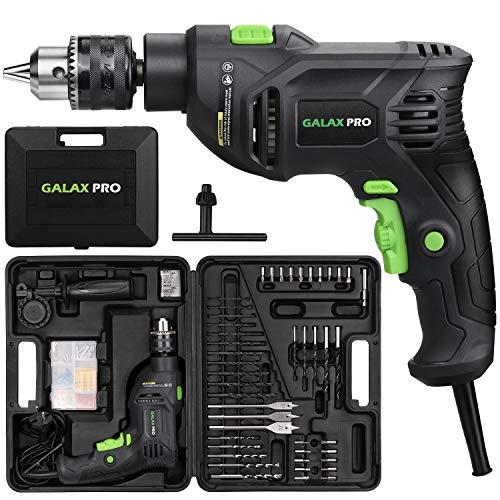
GALAX PRO 5Amp 1/2-inch Hammer Drill with 105pcs Accessories

Makita XRH04Z 18V LXT Lithium-Ion Cordless 7/8 Rotary Hammer

DEWALT Electric Drill Spade Handle 1/2-Inch 9-Amp DW130V
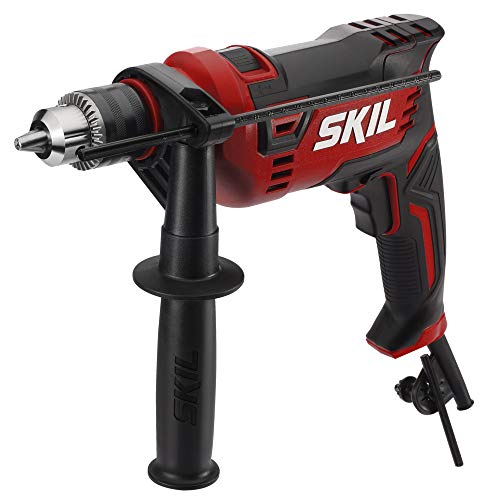
SKIL 7.5-Amp 1/2-Inch Corded Hammer Drill HD182001

Berserker 1-1/8 SDS-Plus Rotary Hammer Drill for Concrete 26FA

DCK 20V Brushless Hammer Drill KDJZ05-13

DEWALT Hammer Drill 1/2-Inch 7.8-Amp DW511

Makita XPH10Z 18V LXT Lithium-Ion Cordless 1/2 Hammer Driver-Drill
More Details On Our Top Picks
For garage repairs and occasional wall work, this GALAX PRO gives you a lot of useful bits in one box, which cuts down the first-trip scramble. The 360-degree rotating handle and depth gauge point to steadier control, especially when you want cleaner hole depth in brick or masonry.
The 1/2-inch chuck supports a wide range of common bits, while the hammer and drill modes make the tool more versatile than a basic drill. The trade-off is that an accessory-heavy kit like this usually suits lighter ownership expectations, so it’s a smarter match for home tasks than all-day contractor use.
Strong Points
- 105-piece accessory set helps you start work sooner.
- Two operating modes cover regular drilling and hammering.
- Rotating side handle improves control during tougher pushes.
- Depth gauge supports more consistent hole depth.
- Carrying case keeps the kit easier to store.
Things To Consider
- Accessory bundles can include more than you’ll use often.
- The build is aimed more at home projects than hard daily abuse.
- Side handles and cases add bulk in a crowded shelf.
Feature Snapshot
Who It Suits Best
Home repair shoppers who want a ready-to-go kit for mixed small jobs will get the most from this one.
A Better Fit Elsewhere
Look at the SKIL HD182001 when you want a simpler corded drill without so many accessories taking up space.
This Makita leans into serious hole-making with a 7/8-inch rotary hammer format, which suits concrete, masonry, and other tougher surfaces better than a basic hammer drill. The SDS-PLUS bit acceptance matters too, because it gives you a more secure bit interface and a broader path into masonry accessories.
You also get three modes, rotation only, hammering with rotation, and hammering only, so the tool can move from drilling to chiseling-style work without changing platforms. The catch is that tool-only packaging keeps the value tied to your existing battery ecosystem, so it fits best when you already own Makita LXT batteries.
What We Like
- Three operating modes cover a wide range of tasks.
- SDS-PLUS compatibility opens up masonry bit options.
- Variable-speed motor gives you more control on delicate starts.
- Torque-limiting clutch helps reduce gear stress when bits bind.
- Cordless layout helps you move around job sites more freely.
Small Caveats
- Tool-only packaging means batteries and charger are separate.
- Rotary hammer power can feel like more tool than needed for simple shelf mounting.
- Heavier-duty design usually asks for more storage room than a compact drill.
Quick Facts
Best Suited To
Contractors, remodelers, and serious DIYers who already own Makita batteries will benefit most here.
Where A Sibling Pick Shines
The DEWALT DW511 makes more sense for a corded setup that stays parked near a workbench.
The spade handle makes this DEWALT feel more like a control tool than a grab-and-go household drill, which matters during long, straight drilling sessions. Its 9-amp corded motor is the kind of spec that suits sustained work, especially in wood framing or repetitive hole drilling where grip stability matters.
Compared with the Makita rotary hammer above, this one is less about aggressive masonry action and more about sturdy handling in a traditional drill form. The honest read is that you’ll appreciate it most when torque control and hand position matter more than compact size.
Highlights
- Spade handle gives you a steadier two-hand grip.
- 9-amp corded motor suits longer drilling sessions.
- 1/2-inch chuck fits common bit sizes.
- Traditional drill layout feels familiar to many shop setups.
Worth Noting
- Spade-handle drills take up more storage space than compact models.
- The format favors control over portability.
- Masonry work tends to suit hammer-drill models better than this style.
Core Details
Right Fit For
Shop users and remodelers who want a stable corded drill for controlled, repeated drilling will like this more than casual one-off users.
A Better Fit Elsewhere
The GALAX PRO 5Amp 1/2-inch Hammer Drill with 105pcs Accessories suits someone who wants a broader starter kit in one purchase.
SKIL keeps this one straightforward, and that’s the appeal. A 7.5-amp corded hammer drill with a 1/2-inch chuck makes sense for someone who wants a practical tool for fastening, drilling, and the occasional masonry task without stepping into a bulkier rotary hammer.
Compared with the DEWALT spade-handle model, this is easier to live with in a normal home workshop. The trade-off is that it’s not the first pick for people expecting deep concrete work, but for weekday repairs and weekend shelf installs, it fits neatly.
Bright Spots
- 7.5-amp motor gives you respectable corded power.
- 1/2-inch chuck keeps bit compatibility broad.
- Hammer-drill format covers more than plain drilling.
- Simpler footprint works well in smaller tool storage.
Areas To Watch
- It lacks the specialized reach of a rotary hammer.
- Best results come from matching it to lighter masonry jobs.
- Like many corded drills, cord management matters in tight spaces.
Details At A Glance
Who Should Grab It
Homeowners who want a simple, dependable hammer drill for regular maintenance and small upgrades will feel at home with this one.
Swap It Out When
Choose the Berserker 26FA instead when your work leans hard toward concrete drilling and tile removal.
This Berserker is built for the kind of work that makes lesser drills stall out, especially concrete drilling and tile removal. The 1-1/8-inch SDS-Plus format signals a serious masonry focus, and the 9-pound corded body is the sort of weight that usually feels steadier during downward pressure.
Compared with the SKIL and GALAX PRO picks, this one is much less about casual versatility and much more about material removal and aggressive drilling. The safety clutch is the part worth noticing, because it gives you a better chance of reducing gear stress when the bit catches.
Reasons To Buy
- Three functions cover drilling and removal-style tasks.
- SDS-Plus system suits masonry accessories well.
- Safety clutch adds a useful layer of mechanical protection.
- 9-pound weight can feel steadier in vertical work.
Softer Spots
- Heavier rotary hammers ask more from your arms and storage space.
- Its focus is specialized, so it’s not the most flexible everyday drill.
- Tile removal work can leave more cleanup and dust to manage afterward.
Technical Sheet
Whose Shelf It Belongs On
Contractors and serious remodelers who spend real time around concrete, block, or tile work will get the most out of this model.
Not Your Match When
The DEWALT DW511 is easier to live with for general-purpose drilling that does not need this much masonry muscle.
The DCK sits in a useful middle ground, because it combines a brushless motor with a 4.0Ah battery and an all-metal chuck. Brushless means the motor uses electronic control instead of carbon brushes, which usually helps with efficiency and lower upkeep, and that matters for someone who drills often around the house or job site.
The 22+1+1 clutch and 36,000 BPM figure give it a more layered feel than the simpler corded drills above, though it’s still better thought of as a mixed-material drill than a dedicated concrete breaker. The honest read is that cordless convenience is the headline here, but battery weight and charging habits are part of the ownership picture.
Positives
- Brushless motor usually means less wear-related fuss.
- All-metal chuck adds a sturdy feel at the bit end.
- 4.0Ah battery supports longer stretches between charges.
- 22+1+1 clutch gives you more control choices.
- Works across brick, metal, and wood tasks.
Points To Note
- Battery-powered tools need charging discipline and spare storage planning.
- It’s less natural for all-day heavy masonry than the Berserker rotary hammer.
- Higher feature density can mean a little more to learn at first.
Spec Overview
The Right Fit
DIYers who want a cordless drill with more hardware detail and a stronger feel than a basic homeowner model will appreciate this setup.
Another Choice May Suit
The SKIL HD182001 is the easier pick for someone who wants a simpler corded tool and does not want to manage batteries.
This DW511 is the kind of corded hammer drill that fits neatly between casual and heavy-duty use. A 7.8-amp motor and 1/2-inch chuck give you enough body for regular drilling work, and the hammer-drill format keeps it relevant for light masonry without pushing into rotary-hammer territory.
Compared with the more specialized Berserker, this DEWALT is easier to treat as a general workshop tool. The trade-off is simple: you give up some hard-surface aggression, but you get a friendlier everyday shape for shelves, anchors, and routine renovation tasks.
Best Bits
- 7.8-amp motor offers a steady middle ground.
- 1/2-inch chuck supports standard drilling accessories.
- Corded power keeps output consistent for repetitive jobs.
- General-purpose shape suits a lot of home and shop tasks.
Room For Improvement
- It does not replace a true rotary hammer for serious concrete work.
- Long cords and extension leads can add storage clutter.
- More specialized users may want a model with explicit extra modes.
Feature Rundown
Made For
Home renovators and shop users who want a straightforward all-round corded drill with a familiar feel will find this easy to slot in.
Look Elsewhere When
Choose the Makita XRH04Z when your work leans harder into masonry and you want rotary-hammer versatility.
This Makita is the lightest-feeling everyday option in the group, especially for drilling and fastening around the house. As a hammer driver-drill, it gives you a more compact body than the rotary hammers above, which helps in cabinets, closets, and other awkward spots where bulk becomes annoying fast.
Because it’s tool-only, the real fit depends on whether you already own the LXT battery platform. The trade-off is obvious, less kit in the box, but a smaller, easier-to-handle tool for jobs that do not call for the heavier bite of the XRH04Z or Berserker.
Upsides
- Compact size makes overhead and close-in work easier.
- Hammer driver-drill format adds versatility beyond plain drilling.
- Makita LXT compatibility helps existing users stay in one battery family.
- Tool-only format can suit people who already have chargers and packs.
Honest Caveats
- Battery and charger are separate purchases.
- It is not meant to replace a true rotary hammer on concrete-heavy jobs.
- Smaller size usually means less planted feel than the heavier corded picks.
Key Specs
Built With In Mind
Apartment maintenance, light carpentry, and frequent home assembly all fit this tool’s size and shape well.
Reach For A Different Pick When
The DEWALT DW130V is a better match for sessions that call for a more planted spade-handle grip.
How To Choose The Right Corded Hammer Drills
Match The Tool To The Material
Hammer drills are built for more than just spinning a bit, they add a rapid pounding action that helps bite into masonry. That matters for brick, block, and concrete, where a plain drill can feel like it’s just polishing the surface.
For wood and metal, the hammer setting is usually less important than steady speed, bit control, and a comfortable grip. A 1/2-inch chuck gives you room for common accessories, while SDS-PLUS style rotary hammers belong in tougher masonry work.
Think About How You’ll Hold It
Grip style changes the whole experience. A spade handle or side handle helps when you’re pushing through dense material, because two-handed control keeps the bit aligned and the torque calmer in your wrists.
Lighter hammer driver-drills are easier overhead and in cabinets, but they can feel less planted on hard surfaces. For long renovation days, a steadier handle shape often matters more than a flashy motor spec.
Choose Power By Job Size
Amps and wattage give you a rough picture of how much load the tool can handle. A 7.5 to 9 amp corded drill works well for household repairs and repeat drilling, while heavier rotary hammers fit concrete drilling and removal work better.
Speed range also matters, because lower RPM helps with control and higher RPM helps with quicker holes in softer material. BPM, or blows per minute, becomes more relevant once hammer action is part of the job.
Plan For Ownership, Not Just Purchase
Consider bit compatibility, storage space, and cord management before you settle on a pick. A compact drill fits a small workshop drawer more easily, while a rotary hammer usually needs a little more room and a little more cleanup after dusty jobs.
Accessory kits can be useful, especially for someone starting from zero, but they also add clutter. That’s where a simpler tool can be easier to live with, even when the spec sheet looks less exciting.
Things Worth Knowing First
Mistakes Worth Dodging
It’s easy to overbuy for light shelf work or underbuy for concrete. A basic hammer drill handles plenty, but a rotary hammer makes far more sense once masonry becomes a routine task.
Another common slip is ignoring handle shape. A drill can look similar on paper and still feel very different in your hands once the bit meets a stubborn wall.
Where The Extra Money Goes
Higher-tier models usually bring stronger motors, better clutches, more refined bit systems, or sturdier chuck construction. That extra spend often buys smoother control under load, not just raw muscle.
It also buys better fit for repeated work. A brushless motor, for example, often adds efficiency and lower upkeep, which is useful for frequent use around the house or on jobs that keep coming back.
Frequently Asked Questions
What’s the difference between a hammer drill and a rotary hammer?
A hammer drill adds percussion to help with brick and lighter masonry. A rotary hammer is built for tougher concrete work and removal tasks.
Do you need SDS-PLUS bits for every masonry drill?
No, SDS-PLUS is tied to rotary hammers that use that shank system. Standard hammer drills usually take regular round-shank or hex-shank bits, depending on the chuck.
Are corded hammer drills better than cordless models?
Corded tools keep power steady as long as you have access to an outlet. Cordless models give you more mobility and less cord clutter.
Which chuck size works best for most home use?
A 1/2-inch chuck is a practical middle ground for many common bits and accessories. It covers a lot of household and workshop work without feeling overly specialized.
What should you think about before drilling concrete?
You need enough power, the right bit type, and a tool meant for masonry. For frequent concrete work, a rotary hammer usually fits better than a basic hammer drill.
Closing Thoughts
Your best corded hammer drill depends on how often you hit masonry and how much control you want in your hands. The GALAX PRO makes a friendly starter kit, the DEWALT and SKIL picks stay grounded in everyday use, and the Berserker steps up hard for concrete work. Makita’s cordless options bring mobility, while the DW511 sits in a reliable middle zone. Choose the tool that matches your material and your space, and the job tends to feel a lot less like a fight.




