


You want a cordless hammer drill that feels steady in your hands, drills cleanly into wood and metal, and still has enough punch for brick or masonry tasks around the house. The tricky part is sorting compact all-rounders from heavier rotary hammers, especially when some picks are tool-only and others include batteries.
This roundup keeps the differences plain. You’ll see which models suit tight cabinets, jobsite carry, or tougher anchor work, so your pick matches the kind of drilling you actually do.
Quick Look at the Shortlist

DCK 20V Brushless Hammer Drill KDJZ05-13

DEWALT 20V MAX 1/4 Inch Hydraulic Impact Driver DCF870B
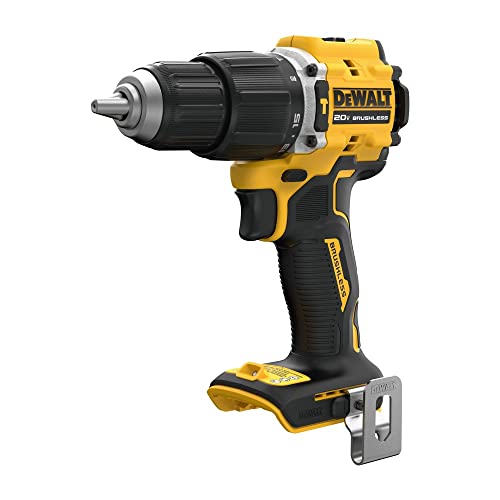
DEWALT DCD799B 20V MAX ATOMIC Compact Hammer Drill
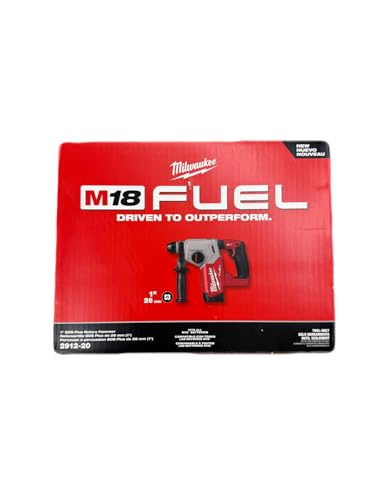
Milwaukee 2912-20 M18 Fuel Rotary Hammer

DEWALT 20V MAX XR Hammer Drill DCD1007B

RYOBI ONE+ HP 18V Brushless Hammer Drill Driver PBLHM101B
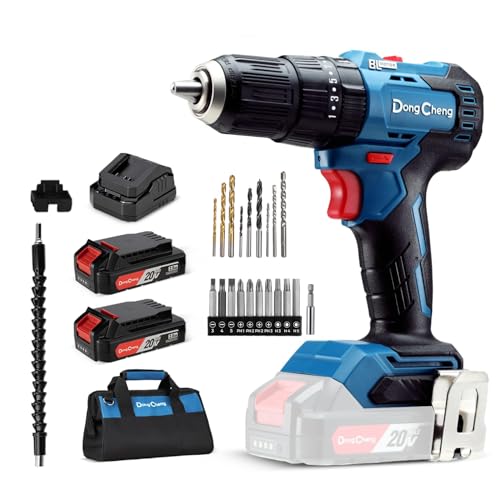
Dong Cheng 20V Brushless Heavy-Duty Impact Drill

DEWALT DCH293B 20V Max XR SDS Plus Rotary Hammer
More Details On Our Top Picks
The DCK model leans into force first, with 531 in-lbs of torque and 36,000 BPM, which is the kind of setup that helps when you move between wood framing, metal brackets, and brick touch-ups. The included 4.0Ah battery also makes it feel more self-contained than the tool-only picks lower in the list.
You may notice the all-metal chuck gives it a more work-ready feel than lighter compact drills. For a garage, basement, or renovation cart, that extra substance matters more than flashy styling.
Strong Points
- 531 in-lbs gives it useful turning force for tougher fastening and drill bits that need more push.
- 36,000 BPM helps in hammer mode, so masonry drilling feels more appropriate than on a plain drill driver.
- The 1/2-inch keyless chuck makes bit changes quicker and keeps common accessories easy to use.
- An all-metal chuck is a practical durability cue for messy jobsite storage and repeated use.
- The included 4.0Ah battery helps you start working without building a battery kit from scratch.
Things To Consider
- The stronger build brings a little more bulk, so long overhead sessions may feel less effortless.
- This is more tool than trim household drill, so it’s not the most nimble choice for tiny cabinet work.
- Cleaning dust from the chuck and vents after masonry jobs is worth the habit, especially in a workshop.
Feature Rundown
Who It Suits Best
Home renovators and hands-on hobbyists who want a single drill for brick, wood, and metal will get the most from this setup.
A Better Fit Elsewhere
DEWALT DCD799B 20V MAX ATOMIC Compact Hammer Drill suits you better for tight spaces, overhead work, and lighter carry.
This one isn’t a hammer drill, but it still belongs in the conversation because quiet fastening matters in the same homes and garages where cordless drills live. The hydraulic drive design is aimed at softening the usual impact-driver racket, so it’s easier to imagine in a hallway remodel or late-evening shelf build.
The LED halo ring is a small but useful touch, especially in shadowy cabinets or under-sink spaces. Compared with the louder, more force-forward tools in this list, it suits jobs where control and lower noise matter more than masonry punch.
What We Like
- The hydraulic mechanism is designed for quieter fastening, which helps in shared living spaces and indoors.
- Brushless motor design usually supports better runtime and less internal friction than older motor types.
- The LED halo ring gives even light around the bit, which is handy in cramped corners.
- Its compact 1/4-inch drive format suits screws, lag bolts, and repetitive assembly work.
Worth Noting
- This is an impact driver, not a hammer drill, so masonry drilling is outside its main role.
- The tool ships without a battery, which means your total setup depends on what you already own.
- Owners who switch between drill bits and driver bits often may want a separate drill in the kit.
Quick Facts
Who Should Grab It
Fastening-focused DIY work in apartments, bedrooms, and shared spaces is where this tool makes the most sense.
Swap It Out When
DEWALT DCD1007B is the better fit for you when you want a true 1/2-inch hammer drill rather than an impact driver.
The shape of this drill matters as much as its numbers. At 6.49 inches long and 2.53 pounds, it’s the sort of tool you notice less in your belt or overhead, which helps a lot during cabinet installs, trim work, and jobs inside a van or crawlspace.
Compared with the heavier DCK pick, this DEWALT is all about easier handling rather than raw battery-backed bulk. You may find the battery-only setup a bit inconvenient at first, though that trade-off pays off for anyone already invested in the platform.
Upsides
- The compact 6.49-inch body reaches into tighter spaces more easily than full-size drills.
- 2.53 pounds keeps fatigue down during repeated overhead drilling or long assembly sessions.
- 552 UWO gives you a clear power rating for a small drill, which helps it feel less compromised.
- The 1/2-inch chuck keeps it compatible with standard drill bits and accessories.
- Brushless construction fits the kind of use where you want efficient runtime from a familiar 20V setup.
Areas To Watch
- Battery and charger are sold separately, so the first setup step takes more planning.
- The compact frame is easier to handle, but it gives up some of the planted feel of larger drills.
- For repeated masonry work, a heavier rotary hammer still has the edge in comfort and bite.
Feature Snapshot
Built With In Mind
Apartment fixes, shelf installs, and anyone doing a lot of work at arm height will appreciate this compact shape.
Look Elsewhere When
Milwaukee 2912-20 M18 Fuel Rotary Hammer is the better fit for hard concrete, anchor holes, and heavier masonry duty.
This is the point in the list where masonry stops being a side task and becomes the main event. An SDS Plus rotary hammer uses a splined bit interface that lets the tool deliver hammer action more efficiently, so it’s a much better match for concrete holes than a standard hammer drill.
In a garage, basement, or construction-style setting, that extra aggressiveness helps. The honest read is that it’s less versatile for light home use than the DEWALT compact, but it earns its place when the surface gets stubborn.
Best Bits
- The SDS Plus setup is well suited to concrete drilling and anchor work.
- Brushless motor design usually supports efficient output for demanding tasks.
- The rotary hammer format handles harder surfaces with more confidence than a standard hammer drill.
- It fits the kind of serious renovation work where a lighter all-purpose drill starts feeling underpowered.
Small Caveats
- The rotary hammer format is stronger than many home users need for simple shelving or cabinet jobs.
- SDS Plus bits are a different accessory family, so your bit drawer may need an update.
- Routine cleaning matters after dusty concrete work, especially around the chuck area and vents.
Details At A Glance
The Right Fit
Contractor-grade concrete drilling and frequent anchor setting are where this tool feels most at home.
Where A Sibling Pick Shines
DEWALT DCD799B is the easier carry for mixed household tasks and lighter overhead work.
This DEWALT sits closer to the polished end of the hammer-drill pool, with the XR line usually aimed at stronger runtime and a more refined feel. For frequent drill-and-drive work, that matters more than flashy extras, especially in a tool that may live on a shelf, in a truck box, or in a pro-style kit.
Unlike the smaller DCD799B, this one is better suited to people who want a full-size 1/2-inch hammer drill without stepping into rotary-hammer territory. Battery not included is the obvious trade-off, though that’s less of a hurdle for anyone already inside the platform.
Highlights
- The XR platform is geared toward users who want a more refined cordless drill feel.
- Brushless construction helps efficiency and keeps upkeep simpler than brushed designs.
- The 1/2-inch format works well for common bits and broader project variety.
- It suits frequent use across drilling and fastening without feeling overly specialized.
Room For Improvement
- Battery is sold separately, so the setup cost depends on what’s already on hand.
- It still sits above compact models in size, so tight cabinetry work may feel less convenient.
- A larger body can also mean more tool bag space and a bit more weight on the belt.
Core Details
Whose Shelf It Belongs On
Frequent DIYers and trades-focused users who want a dependable all-around hammer drill will feel right at home here.
Consider Something Else When
RYOBI ONE+ HP PBLHM101B makes more sense for you when platform value matters more than a premium-feeling build.
RYOBI’s ONE+ HP line is built for household owners who already like a shared battery platform, and that makes this drill-driver feel easy to slot into a garage kit. It’s a sensible middle ground, less costly in spirit than the premium DEWALT models and less specialized than the Milwaukee rotary hammer.
The tool-only format keeps the package lean, which suits a shopper who already owns compatible batteries. For weekend repairs, fence hardware, and furniture assembly, that kind of flexibility often matters more than chasing a bigger-looking spec sheet.
Reasons To Buy
- The 1/2-inch hammer-drill format keeps it useful across common home tasks.
- Brushless design supports better runtime and less motor wear over time.
- Tool-only packaging works well for anyone already on the ONE+ battery system.
- It feels like a practical bridge between light-duty drills and pricier pro-leaning models.
Minor Gripes
- Battery and charger are not included, so first-time setup needs extra pieces.
- It does not have the same specialized masonry focus as a rotary hammer.
- Shared-tool systems can get cluttered, so label and store batteries with some care.
Feature Card
Made For
Home maintenance, light remodeling, and anyone already invested in ONE+ batteries are the best match here.
Another Choice May Suit
DEWALT DCD799B is the better fit for tighter spaces and users who value a more compact drill body.
This Dong Cheng kit is interesting because it gives you two batteries, which lowers the stop-and-wait feeling that can happen with smaller starter sets. The 443 in-lbs torque figure and 27,000 IPM rate make it look aimed at common drilling tasks first, with brick and wood listed in the same working territory.
Compared with the DCK model, it gives up a bit of raw muscle but comes with a more accessible kit setup for someone starting from zero. The honest read is that it makes the most sense for general home and light-job use, not as a hard-use specialty tool.
Standout Traits
- Two included batteries reduce downtime and make the kit easier to use right away.
- The 1/2-inch keyless metal chuck gives the nose a sturdier, more durable feel.
- 20+1+1 clutch settings help separate drilling, driving, and hammer-style control.
- Its torque and IPM figures suit everyday drilling better than tiny trim-only tools.
Points To Note
- It is less forceful than some of the larger names above it in the list.
- The brand may be less familiar to some shoppers, so the product page deserves a careful read.
- Battery storage and rotation matter more with two packs, especially in a shared garage.
Technical Sheet
Best Suited To
Starter tool kits and homeowners who want a usable cordless drill with a practical battery pair fit this model well.
Reach For A Different Pick When
DCK 20V Brushless Hammer Drill makes more sense for you when higher torque and a larger included battery matter more.
The L-shape body and SDS Plus system make it clear that this one is built for real masonry work, not casual shelf assembly. DEWALT lists 3.5 joules of impact energy, which is the kind of figure that helps explain why rotary hammers feel more composed on concrete and block.
It also includes E-Clutch control for bind-up moments and Active Vibration Control to soften the feel at the handles, both of which matter during longer drilling runs. For anyone dealing with anchors, overhead masonry, or a run of hard surfaces, that steadier handling is the real selling point.
What We Like
- 3.5 joules of impact energy points to serious masonry capability without needing a cord.
- E-Clutch helps control sudden bind-up situations, which is reassuring in dense material.
- Active Vibration Control is useful during longer sessions because it helps reduce hand fatigue.
- The L-shape layout gives the tool a familiar rotary-hammer stance for vertical work.
Softer Spots
- This is a tool-only purchase, so battery planning still sits on your side of the equation.
- The rotary hammer format is overkill for light duty, so casual users may not need this much tool.
- After dusty concrete drilling, brush-out and storage in a dry case help keep the tool in better shape.
Core Details
Who Will Love This
Serious DIY masonry, retrofit work, and heavier anchor drilling are the sweet spot for this model.
Where Another Pick Suits Better
DEWALT DCD1007B is the more sensible choice for you when your work stays closer to standard drilling and driving.
How To Choose The Right Cordless Hammer Drills
Match The Tool To The Material
Wood and metal jobs are comfortable territory for most 1/2-inch hammer drills, so a compact model like the DEWALT DCD799B often covers shelves, brackets, and repairs well. Masonry changes the picture, because brick and concrete reward more hammer action, more stability, and in some cases an SDS Plus rotary hammer rather than a standard drill. The material matters more than the brand badge.
Hammer drills use a pulsing action to help the bit bite into hard surfaces, while rotary hammers use a different mechanism that tends to be better suited to concrete. That difference is the line between a tool that feels helpful and one that feels strained. For mixed home use, a balanced hammer drill is enough, but frequent masonry work pushes you toward the heavier rotary-hammer end.
Look Beyond Torque Numbers Alone
Torque tells you how much turning force the drill can put out, and it matters for bigger bits and stubborn fasteners. Still, torque numbers do not tell the full story, because weight, clutch control, and body length shape comfort just as much. A compact drill with moderate output can feel better than a bulky one with more force on paper.
Clutch settings also deserve attention. A wider clutch range helps you avoid overdriving screws and gives you more control in softer materials, which is handy in cabinets, trim, and furniture assembly. For extended overhead work, lighter weight and shorter length usually matter more than squeezing out another spec point.
Think About Battery Strategy
Some of these picks are tool-only, while others include a battery, and that changes the real setup cost. Platform ownership matters too, because a drill that shares batteries with your other tools can feel much easier to live with. That is especially true in garages where chargers, packs, and cases already take up shelf space.
Battery capacity, usually shown in amp-hours, affects how long the tool can keep going before you swap packs. Higher amp-hours can be useful for larger projects, though they can also add weight. For weekend use, a smaller pack may feel fine, but busy renovation days reward a more generous battery setup.
Things Worth Knowing First
Mistakes Worth Dodging
A common misstep is buying a rotary hammer for light household work that never needs that much force. Another is assuming any drill labeled hammer mode will handle concrete equally well, which usually leads to disappointment once the bit hits harder material. The cleaner move is to match the tool to the hardest material you plan to drill often.
Tool-only listings also trip people up. A drill without battery and charger can be a smart platform move, yet it frustrates anyone starting from zero. Check the package contents before you settle on a model, because the first use should not require a second shopping round.
The Case For Spending Up
Higher-tier models usually pay for better motors, sturdier housings, more refined control, and in some cases vibration management that keeps the tool more pleasant in hand. Those upgrades matter most on long job days, overhead drilling, and repetitive anchor work. The extra cost is easier to justify when the drill is part of regular house work or light trade use.
Premium builds also tend to feel less abrupt under load. That smoother response can matter more than raw punch for anyone who drills often and values consistency. For occasional furniture assembly, a simpler drill often makes more sense, but frequent users usually notice the difference fairly quickly.
Frequently Asked Questions
What makes a hammer drill different from a regular drill?
A hammer drill adds a pulsing action that helps the bit work into harder materials. A regular drill spins without that extra impact motion.
Do you need an SDS Plus rotary hammer for home projects?
Not usually. A standard cordless hammer drill covers most wood, metal, and lighter masonry jobs, while SDS Plus rotary hammers make more sense for frequent concrete drilling.
Are tool-only drills worth it?
They can be, especially when you already own compatible batteries. Tool-only models often make platform ownership more efficient.
How much does brushless motor design matter?
Brushless motors usually help with efficiency and reduce internal wear points. That matters most for frequent use and longer runtime needs.
What size chuck works best for general use?
A 1/2-inch chuck is the most flexible choice for general drilling and driving. It works with a broad range of common bits and accessories.
Final Thoughts
Your best cordless hammer drill depends on the hardest material in your usual routine, not just the biggest torque figure on the page. A compact model fits cabinet work and overhead fixes, while a rotary hammer earns its keep on concrete, block, and anchor drilling. The DEWALT and Milwaukee picks here cover the more serious end, while RYOBI, DCK, and Dong Cheng make sense for mixed home use and kit value. Choose the body style that matches your space, your battery setup, and how often the tool leaves the shelf.




