


Cordless plunge routers matter most when you want clean starts, smoother edge work, and less cord clutter around the bench. Your use case decides a lot here, because some picks are built for compact trim work while others make more sense as powered systems with plunge control or accessory bases. That split is exactly why this list mixes cordless tools, corded routers, and a few key accessories. You get a practical view of what fits real shop work, not just spec sheets.
Quick Look At The Shortlist

WEN 20V Max Cordless Brushless Compact Trim Router 20610

DEWALT Router Fixed/Plunge Base Kit DW618B3

TWOWIN Router Tool 6.5 Amp 1.25 HP Hand held Wood Router Tool
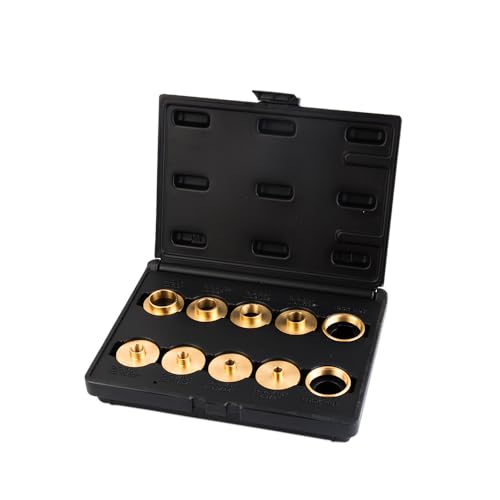
O’SKOOL Router Bushing Set Brass Template Guide Bushings 10-Piece

Makita RT0701CX3 1-1/4 HP Compact Router Kit

Bosch PR011 Plunge Base for PR20EVS and PR10E Colt Palm Router Motor

Bosch MRC23EVSK 2.3 HP Electronic Modular Router System

RYOBI ONE+ 18V Cordless Compact Fixed Base Router Tool Only PCL424B
More Details On Our Top Picks
The WEN 20610 fits the sort of work that happens around trim, edging, and quick cleanup passes. Its brushless motor matters because brushless designs usually waste less energy than brushed ones, so cordless runtime tends to feel more sensible in real shop use. You also get the 4Ah lithium-ion battery and charger in the kit, which makes it easier to start working without piecing together a separate power setup.
Compared with the heavier corded picks farther down the list, this one makes more sense for small spaces and quick mobile jobs. The trade-off is simple, though, because a compact cordless router usually gives up some raw reach and sustained power compared with a 2.3 HP class system. For trim carpentry, shelf edges, and touchups between larger builds, that balance feels sensible.
Strong Points
- Cordless layout keeps the work area less cluttered.
- Brushless drive should suit repeat trim sessions well.
- Included battery and charger help you get moving faster.
- Compact size fits tight bench and jobsite spaces.
Things To Consider
- Compact routers can feel less steady on broad routing passes.
- The smaller format may not match heavy cabinet work.
- You still need to manage battery charging between jobs.
Feature Snapshot
Who It Suits Best
You get the most from this pick in a small workshop, on trim jobs, or during light remodeling where mobility matters more than sheer muscle.
Where A Sibling Pick Shines
Makita RT0701CX3 is the better fit for you if you want a more polished corded compact router for frequent bench use and don’t mind staying tethered.
This DEWALT kit stands out because it leans hard into classic shop power, not battery convenience. A 12-amp motor and 2-1/4 HP output put it in a different lane from the WEN cordless trim router, especially for deeper cuts and denser stock. The fixed and plunge base setup gives you more routing modes from one package, which is useful for anyone building furniture, doors, or cabinetry.
The honest read is that this is better for a fixed shop or a bench-heavy workflow than for quick one-hand portability. You also need to plan around cord management, which matters more than some people expect once the workpiece and the hose, fence, or guide all share the same area. For serious woodworking, that compromise often feels worth it.
What We Like
- 12-amp power suits tougher routing tasks.
- Fixed and plunge bases add useful versatility.
- Higher horsepower helps on larger material passes.
- Solid fit for a dedicated woodworking station.
Minor Gripes
- It depends on a cord, so mobility is narrower.
- Heavier-duty routing can take more setup time.
- Not the right match for quick mobile trim work.
At A Glance
Made For
You benefit most here in a workshop where plunge cuts, edge shaping, and heavier passes happen often.
Another Choice May Suit
WEN 20V Max Cordless Brushless Compact Trim Router 20610 fits better for trim work in tight areas where cord freedom matters more than horsepower.
TWOWIN is the kind of kit that makes sense for a first real router setup, especially because it bundles a dust hood and 15 bits. The 6-variable-speed control helps you slow things down for delicate work or open it up for faster passes, which is useful in a starter shop where one tool often has to cover a lot of jobs. Compared with the DEWALT above, this feels more approachable than industrial.
The included bits matter because they shorten the gap between opening the box and making your first cut, though you still need to check bit quality and compatibility before leaning on them for long-term use. That’s the trade-off with a value kit, and it’s a fair one. For hobby builds, shelves, and laminate trimming, the setup looks practical rather than flashy.
Bright Spots
- Dust hood adds some cleanup help around the cut line.
- Six speed settings broaden the kinds of tasks you can handle.
- Fifteen included bits make the kit feel more complete.
- Handheld form works well for casual woodworking spaces.
Room For Improvement
- Included bits may not suit every long-term project need.
- Starter kits often need a careful setup check before use.
- The more basic chassis may feel less polished than Makita.
Details At A Glance
Right Fit For
You fit this router well when you want a starter-friendly tool for a garage bench or weekend projects.
Look Elsewhere When
Makita RT0701CX3 suits you better for more refined compact-router handling and a more polished long-term feel.
This O’SKOOL set is not a router by itself, but it matters in any plunge-routing setup that relies on templates and guides. Brass bushings are the little rings that help a router follow a pattern more accurately, and that matters when you’re cutting repeated shapes or matching parts. The 10-piece spread, plus two lock nuts, makes the set more useful than a single-size accessory.
Compared with the routers ahead of it, this is a support tool, so the value sits in compatibility rather than motor power. You need to confirm that your sub-base and style match the 1-3/16-inch fit and Porter Cable style layout, or the set loses most of its appeal. For pattern work, that detail is the whole story.
Best Bits
- Brass construction feels suited to repeated template use.
- Ten sizes cover a wide spread of routing needs.
- Included lock nuts help complete the setup.
- Useful for jigs, patterns, and repeated shapes.
Softer Spots
- Compatibility checks matter before you place an order.
- It’s an accessory, so it does not replace a router.
- Template work depends on proper router base matching.
Spec Overview
Built With In Mind
You get the most value from this set in a shop that already uses template guides for repeated cuts.
Swap It Out When
Bosch PR011 is the better route when you need a plunge base built for Bosch palm router motors instead of a bushing set.
Makita’s compact kit sits in that sweet spot where a router feels carefully tuned rather than overbuilt. The 1-1/4 HP motor gives you more substance than a tiny trim tool, yet the body still belongs on a bench where control matters more than brute force. Compared with the WEN cordless model, this one looks better suited to repeat use on a corded workstation.
That balance makes sense for trim profile work, flush trimming, and small joinery tasks in a home shop. The trade-off is obvious, because corded use keeps you tied to an outlet and a little more cleanup around the bench. Still, for many woodworkers, the steadier feel is the point.
Highlights
- Compact body helps keep routing controlled.
- 1-1/4 HP suits routine woodworking tasks.
- Kit format feels ready for regular bench use.
- Makita’s compact layout is easy to organize and store.
Worth Noting
- You need a corded setup and outlet access.
- Compact routing still has limits on heavier stock.
- It may feel modest beside Bosch’s larger modular system.
Core Details
Whose Shelf It Belongs On
You fit this router best if you want a dependable compact tool for frequent shop work and straightforward storage.
Reach For A Different Pick When
RYOBI ONE+ 18V Cordless Compact Fixed Base Router Tool Only PCL424B suits you better when cordless convenience matters more than a corded bench setup.
The Bosch PR011 is a narrow-purpose accessory, but that’s exactly what makes it useful. It turns compatible Colt palm router motors into a plunge-capable setup, so you can do controlled starts without buying a whole new router system. Compared with the O’SKOOL bushing set, this changes the tool’s behavior rather than just refining the cut path.
That kind of upgrade makes the most sense for Bosch users who already know the PR20EVS or PR10E platform and want more routing flexibility. The limitation is also plain, because compatibility is strict and the base only serves one ecosystem. For the right setup, though, it’s a tidy way to add plunge work.
Reasons To Buy
- Converts compatible Colt motors to plunge use.
- Targets a specific Bosch platform, which simplifies matching.
- Smaller accessory footprint is easier to store.
- Useful for controlled entry cuts in detail work.
Small Caveats
- Only works with the listed Bosch motors.
- Accessory-only format leaves the rest of the system to you.
- It helps most when your existing router already fits the platform.
Technical Sheet
The Right Fit
You benefit most here if your shop already runs Bosch Colt motors and you want plunge capability without changing brands.
A Better Fit Elsewhere
DEWALT Router Fixed/Plunge Base Kit DW618B3 is the stronger choice when you want a full router package rather than a platform-specific accessory.
Bosch’s MRC23EVSK sits near the heavy end of this roundup, and the 2.3 HP rating explains why. Modular routing systems are built for swapping bases and matching different jobs, so this one makes sense for you when a single routing platform needs to do a lot of different work. Compared with Makita’s compact kit, this is much more about shop flexibility than light touch.
The trade-off is size and complexity, which usually come with stronger output and more setup options. That extra capability helps in cabinets, edge shaping, and deeper passes, but it also asks for more bench space and a more deliberate workflow. For serious woodworking, that is often the right bargain.
Upsides
- 2.3 HP gives strong routing headroom.
- Modular layout supports multiple work styles.
- Good fit for heavier shop tasks.
- More flexible than a single compact router body.
Areas To Watch
- More setup pieces usually mean more bench planning.
- High-output tools can feel excessive for light trim.
- Storage and organization matter more with modular gear.
Feature Rundown
Who Should Grab It
You suit this router system best when you run a busy shop and want one platform for more than basic trim work.
Skip It When
WEN 20V Max Cordless Brushless Compact Trim Router 20610 is the easier fit for quick mobile work where portability matters most.
RYOBI’s ONE+ compact router is aimed at people already living in that battery ecosystem, which keeps it practical from the start. Since it’s tool only, you keep using the same 18V battery and charger you already own, and that can make the upgrade feel clean instead of repetitive. Compared with WEN’s battery-included bundle, this is a better fit for platform loyalists who want a lighter purchase path.
The fixed base keeps the tool straightforward for edging, flush trimming, and light routing around the house or in a garage shop. The catch is that you need the battery platform first, so it’s not the easiest first router for a brand-new setup. Still, for household projects and repeat maintenance work, it’s a sensible cordless option.
Positives
- Cordless design helps keep the work area open.
- ONE+ platform fit can reduce duplicate battery purchases.
- Compact body works well in smaller shops.
- Fixed base keeps routine routing simple.
Honest Caveats
- You need an existing ONE+ battery and charger setup.
- Fixed base limits some routing flexibility.
- Light-duty format is less suited to heavy cuts.
Core Details
Best Suited To
You fit this router best when you already own ONE+ batteries and want a compact cordless addition for light routing jobs.
Not Your Match When
Makita RT0701CX3 is the smarter choice for you if you want a more established corded compact router for regular bench work.
How To Choose The Right Cordless Plunge Routers
Power Source And Runtime
Cordless plunge routers live or die on power planning. A battery-included kit like the WEN makes sense when you want a ready-to-run setup, while a tool-only model such as the RYOBI fits a home that already owns batteries. Brushless motors usually help battery tools feel more efficient, which matters during trimming, edge work, or repeated passes on a small project.
Corded routers still belong in this conversation because many plunge jobs push beyond what small cordless tools do best. The DEWALT and Bosch systems show how much extra output changes the feel of the work. A cord may be less convenient, but the steady supply matters on longer sessions.
Base Type And Control
Plunge bases matter because they let the bit enter the workpiece in a controlled vertical motion. That is useful for mortises, stop cuts, and centered cutouts where a straight edge entry would be awkward or unsafe to manage by hand. Bosch’s PR011 shows how a plunge base can expand what an existing compact router motor can do.
Fixed bases, on the other hand, are simpler and usually easier to live with for edging and flush trimming. You trade some plunge flexibility for easier handling and less setup. For casual woodworking, that trade often feels fair.
Size, Weight, And Job Fit
Compact routers are friendlier in tight shops, on ladders, and during quick trim work. The WEN, Makita, and RYOBI all fit that smaller-tool logic, though each takes a different path through cordless convenience or corded stability. Bigger systems like Bosch’s MRC23EVSK make more sense for repeat cabinetry, furniture parts, or deeper cuts.
The right weight depends on your routine, not just the number on the box. Light tools are easier to guide for detail work, but heavier builds usually feel steadier on broad passes. That’s the trade-off behind most router choices.
Accessories And Compatibility
Router work gets much easier when the accessory path is clear. Template bushings, plunge bases, and bundled bits can save time, but only when they fit your exact base or router family. The O’SKOOL bushings are useful only if your sub-base matches the listed style and size.
Compatibility should sit near the top of your checklist because router accessories are rarely universal. That matters more than it sounds, especially in a mixed shop where one person owns a Bosch palm router and another runs a full-size DEWALT. The right accessory can extend the tool you already own instead of adding clutter.
Things Worth Knowing First
Wrong Turns To Avoid
Plunge-router shoppers often focus on power alone, then end up with a tool that feels awkward for the actual job. A high-output router can be excessive for light trim, while a compact cordless model can feel underpowered for deep shaping. Match the tool to the cut, not just the headline number.
Another common miss is ignoring what comes in the box. Tool-only kits, like the RYOBI, assume you already own batteries, and accessory-only parts, like the Bosch PR011, need a compatible motor before they matter at all. A quick compatibility check saves a lot of frustration later.
The Upgrade Payoff
Higher-tier routers cost more because they usually bring more power, more base options, or a more adaptable build. Modular systems, plunge-capable kits, and brushless cordless tools all add parts or engineering that basic trim routers do not need. That extra cost can make sense in a shop where you use the tool often.
The upgrade pays off most for you when routing is a regular part of your workflow. If you only trim edges a few times a year, a simpler tool may be enough. For furniture work, cabinetry, or frequent detail routing, the extra flexibility usually earns its place.
Frequently Asked Questions
Can a cordless router handle plunge work?
Some cordless routers can handle plunge work only with a plunge base or compatible accessory. A standard fixed-base cordless router stays better suited to trimming and edge shaping.
Do you need brushless motor technology?
Brushless motors are not mandatory, but they often make battery tools feel more efficient. That helps more on repeated cuts than on a single short pass.
Why would you choose a compact router over a full-size one?
Compact routers are easier to guide in tight spaces and on lighter tasks. Full-size routers bring more power and usually suit deeper or longer cuts.
Are accessories worth adding to a router setup?
Yes, especially template bushings and plunge bases, because they expand what the tool can do. The key is making sure the accessory matches your router’s base and motor platform.
What matters most for a first router?
Start with the cut type you use most, then check power, base style, and compatibility. A sensible first pick feels easy to control before it feels impressive on paper.
Closing Thoughts
Your best choice depends on how you work, not just how much power sounds attractive on a listing. Cordless models make sense for trim, quick fixes, and tighter spaces, while corded systems still carry the load for heavier shop work and plunge control. Accessories matter too, because the right base or bushing set can turn a good router into a much more useful one. Pick the tool that fits your bench, your battery setup, and the cuts you make most often.




