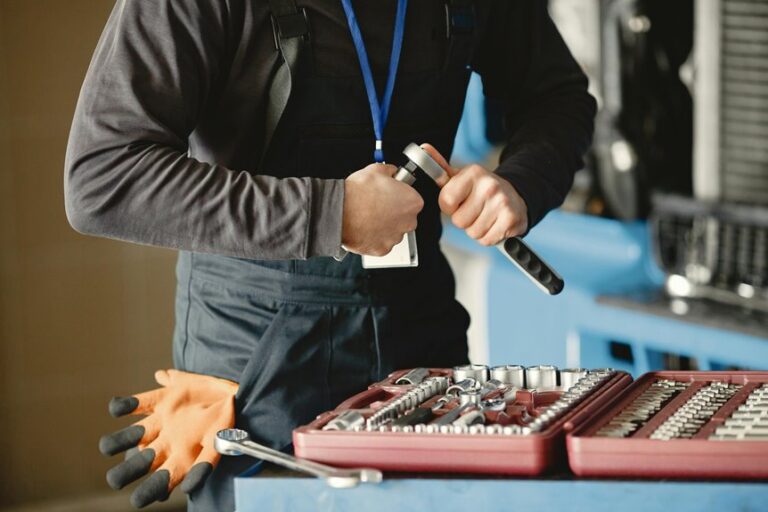
Choosing the right impact wrench torque isn’t about grabbing the biggest number on the box. You need enough force for the fastener, the job, and your own peace of mind. Small bolts and tire work need far less than stubborn lug nuts or rusty suspension parts, and the wrong choice can waste time or cause damage. So before you buy one, it helps to know what your actual jobs demand, because the answer changes faster than you’d think.
What Is Torque in an Impact Wrench?
Torque is the twisting force that lets an impact wrench break loose tight fasteners and keep your work moving. You feel it as the tool turns a bolt with steady punch, even when rust fights back. Inside, the impact mechanism sends quick hits to the anvil, and those hits build torque without you wrestling the tool all day.
That matters because rotational inertia helps the wrench keep spinning through resistance. So when you grab one, you’re not just holding power. You’re joining a tool that shares the load with you. It’s a small boost of confidence, and yes, your knuckles will thank you.
When you know this basic idea, you can work with more ease and feel right at home in the garage.
How Much Torque Do You Need?
Choosing the right impact wrench starts with the job in front of you, because the torque you need can change fast from one task to the next.
You’ll want to match your tool to the required ranges, not just the biggest number on the box. For light work, a 3/8-inch model can handle small parts without overkill.
For most passenger car jobs, a 1/2-inch wrench with midrange power fits better. Practical examples help here: interior trim calls for less force, while stubborn bolts need more muscle.
If you work on trucks or rusted hardware, step up to a stronger wrench so you’re not fighting the tool. When you choose this way, you save time, protect fasteners, and feel like part of the job gets easier too.
Impact Wrench Torque for Tire Changes
A tire change goes a lot smoother when your impact wrench has the right power for the job. You want enough torque to spin off stubborn wheel nuts without turning the task into a wrestling match.
For most passenger vehicles, a mid-range wrench does the job well, especially when rust and road grime show up uninvited. That extra muscle also helps after seasonal storage, when fasteners can feel stuck from sitting too long.
Still, you should finish with a hand torque wrench so your wheel alignment stays true and your tires sit evenly. If you’re working on a family car or SUV, choose a tool that feels confident, not reckless. That way, you’ll stay in control and keep the job friendly, fast, and safe.
Best Torque for Lug Nuts and Bolts
You need the right torque for lug nuts and bolts, because too little can let parts loosen and too much can damage threads or wheels.
For most passenger cars, lug nuts usually sit around 80 to 120 ft-lbs, while many other bolts need different specs based on the job.
If you match the torque to the fastener, you protect the part and make your repair feel a lot less nerve-wracking.
Lug Nut Torque Ranges
For most lug nut jobs, the right torque lands in a pretty narrow range, and that’s good news because it keeps the work safe and predictable.
You’re usually aiming for 80 to 120 ft-lbs on passenger cars, while light trucks and SUVs often sit a bit higher.
- Check your wheel patterns, because different setups can change the fit.
- Match thread standards so the nut seats the way it should.
- Use your vehicle’s listed range, not a guess from the garage crowd.
When you stay in that sweet spot, you protect the wheel, the studs, and your peace of mind.
If you’re unsure, take a breath and read the label.
You’re part of a smart crowd when you verify first.
Bolt Tightening Requirements
Bolt tightening starts to matter even more once you move past simple lug nuts, because many vehicle fasteners need far more holding power than people expect.
You should always check torque specs before you grab the impact wrench, since the right setting depends on the job and the fastener materials.
For passenger cars, lug nuts usually sit around 80 to 120 ft-lbs, while brake, driveshaft, and flywheel bolts often land in similar ranges.
Light trucks and SUVs may need more.
As you work, match your tool to the task so you stay in control and feel confident with the rest of your garage crew.
If you hit stubborn hardware, a stronger wrench helps, but the spec still sets the target.
Avoiding Over-Tightening Damage
A little caution goes a long way when you tighten lug nuts and bolts, because too much force can turn a simple job into a costly headache. You protect your wheels, studs, and brackets when you stop at the right spec. Use calibrated torque, not guesswork, so each fastener feels the same. Remember that thread friction can change how tight a bolt feels, so a sticky thread may fool your hand.
- Tighten in a star pattern for even pull.
- Check the maker’s torque chart before you squeeze the trigger.
- Finish by hand with a torque wrench for peace of mind.
That’s how you keep your ride solid and stay in the garage crew’s good graces. When you work this way, you avoid warped rotors, stripped threads, and those awkward roadside surprises.
When Higher Impact Wrench Torque Helps
Higher torque helps when you’re fighting stubborn fasteners that won’t budge with a smaller wrench.
It also makes rusted bolts and corroded parts easier to break loose without you leaning on the tool like it owes you money.
For heavy-duty jobs, that extra power can save time and help you keep moving on tough suspension, axle, and engine work.
Stubborn Fasteners
Stubborn fasteners can turn a simple repair into a frustrating fight, and that’s where more impact wrench torque starts to matter. You’re not alone when a bolt won’t budge; many DIYers hit the same wall.
A stronger wrench gives you the muscle to keep moving without wrecking your confidence.
- A rust breaker can help the threads relax before you try again.
- Heat treatment around the fastener can also loosen the grip a bit.
- More torque helps when you need a firm, steady hit instead of endless rattling.
For jobs like suspension parts or old hardware, a 450 ft-lbs tool often feels like your best teammate. It gives you room to work, stay calm, and finish the job with less drama and more pride.
Rusted Bolt Removal
When rust locks onto a bolt, your impact wrench has to do more than shake things loose. You need steady torque, because corrosion binds threads and steals motion. Start with penetrating oil, then give it time to soak into the rust.
Next, add brief bursts from a higher-torque wrench, since long hammering can round the head. If the bolt still resists, use heat application to expand the metal and break the bond.
You’ll often do best with a 450 ft-lbs tool on older fasteners, while stronger models help when rust runs deep. Stay patient, keep the socket square, and let the tool work with you. That way, you protect the bolt, your part, and your confidence.
Heavy-Duty Applications
Big jobs ask more from your impact wrench, and that’s where extra torque really earns its keep. When you’re handling axle servicing, stubborn suspension bolts, or industrial removal, you want a tool that keeps your pace and your confidence up. Higher torque helps you work with the crew, not against the fastener.
- Heavy trucks often need 450+ ft-lbs just for lug nuts.
- Axle nuts can call for 900+ ft-lbs when rust digs in.
- Construction and farm gear may need 1,000+ ft-lbs or more.
If you’re tackling these tasks, a 3/4-inch or 1-inch drive usually fits better than a smaller model. That extra strength gives you cleaner removals, less strain, and a smoother day in the shop.
When Too Much Torque Becomes a Problem
Too much torque can turn a simple repair into a costly headache, because the wrench doesn’t just loosen stuck parts, it can also stretch bolts, crush threads, and snap fasteners that were meant to stay intact. You may feel proud when a bolt moves fast, but that rush can hide damage.
When you overtighten, you create excessive clamping force that can warp parts and make the next repair harder. You may also cause thread deformation, which makes nuts bind or strip. That means more time, more cost, and more stress for you and your crew.
Cordless vs. Air Impact Wrench Torque
Cordless impact wrenches give you great freedom, and many models hit around 600 ft-lbs, which is enough for a lot of garage jobs.
Air impact wrenches usually push harder, so they can help you break loose stubborn fasteners that a cordless tool might struggle with. The tradeoff is simple: you gain mobility with cordless tools, or you gain extra muscle with air tools.
Cordless Torque Output
When you compare cordless torque output with air impact wrench torque, the gap usually comes down to power source and job size. You can still get solid results with a cordless tool, especially when battery chemistry improves punch and runtime estimates stay honest. That’s why a well-matched wrench feels like a team tool, not a compromise.
- 350 to 450 ft-lbs works for many truck jobs
- Around 600 ft-lbs covers tougher fasteners
- Extra torque helps on rusted parts
If you handle passenger cars, your cordless wrench can fit right in. For older, stubborn hardware, you may need a higher-output model. Choose one that matches your weekend crew’s tasks, and you’ll feel ready instead of stuck.
Air Tool Power
Air tools often feel stronger because they can keep hitting hard without battery fade, and that matters a lot once the bolts fight back. You’ll notice the difference on stubborn lug nuts and rusty suspension hardware. A good air impact wrench can outmuscle many cordless models, but only if your setup stays healthy.
| Check | Why it matters |
|---|---|
| Compressor maintenance | Keeps pressure steady |
| Air filtering | Protects tool parts |
| Hose size | Supports smooth airflow |
| Moisture removal | Cuts internal wear |
When you keep the air clean and dry, you help your tool stay ready for the shop crew feel. That reliability makes you feel like you’ve got backup on every job. For heavy work, air power can give you the edge that saves time and stress.
Torque Tradeoffs
Because torque needs shift fast from one job to the next, the real tradeoff between cordless and air impact wrenches comes down to how much raw punch you need versus how much freedom you want while working. Cordless tools give you easy movement, solid energy efficiency, and less setup, so you can stay in your flow. Air tools usually hit harder, though they need a compressor and a hose that can slow you down.
For many garage tasks, that balance feels right:
- Cordless: best for quick tire work and light repairs
- Air: better for stubborn bolts and heavier jobs
- Both: useful when you want control and confidence
If noise control matters, cordless often feels friendlier, while air tools can sound like they’re arguing with the whole neighborhood.
Match Torque to Your Fasteners
Start by matching your impact wrench to the fastener, not just the job title, since the right torque keeps the work smooth and helps you avoid stripped threads, rounded heads, and that sinking feeling when a bolt refuses to budge. You belong in the job when you size up each fastener first. Use thread locker on parts that need extra hold, and check torque stickers for the maker’s target. Then match the wrench to the task:
| Fastener | Usual Torque | Fit |
|---|---|---|
| Lug nuts | 80-120 ft-lbs | Passenger cars |
| Brake bolts | 250-650 ft-lbs | Service work |
| Axle nuts | 650-900+ ft-lbs | Stuck assemblies |
| Flywheel bolts | 60-100 ft-lbs | Engine work |
That way, you work with confidence, not guesswork.
How Drive Size Affects Torque Output
If you’ve already matched the wrench to the fastener, the next step is to match it to the drive size, since that choice shapes how much torque you can actually get. You’re not just picking a socket holder. You’re choosing how hard the tool can push when the job gets stubborn.
Bigger square drives usually give you stronger torque scaling, so they fit tougher work and help you feel ready for the task.
- 3/8-inch drives suit lighter jobs and tight spaces.
- 1/2-inch drives cover most car and truck repairs.
- 3/4-inch and 1-inch drives bring the muscle for heavy jobs.
When you choose the right drive, you join a better fit for your garage crew. That match helps you work with confidence, and it keeps the tool from feeling underpowered.
Other Specs That Affect Performance
Torque is only part of the story, and the other specs can make or break how well an impact wrench works in your hands. You’ll feel the difference in battery efficiency, trigger responsiveness, and how the tool handles heat under load.
| Spec | Why it matters |
|---|---|
| Battery efficiency | Keeps power steady longer |
| Trigger responsiveness | Gives you better control |
| Weight | Reduces hand fatigue |
| Noise level | Makes long jobs easier |
| LED light | Helps you see fasteners |
If you work with rusted bolts, a tool that stays lively matters. A fast trigger helps you ease in, so you don’t overcook a small fastener. Good balance also helps you belong in the garage crew, because you’ll work smoother and with less strain. A strong impact wrench should feel ready, not clunky, when you grab it.
How to Choose the Right Impact Wrench
Choosing the right impact wrench comes down to matching the tool to the work you actually do, not just chasing the biggest number on the box. If you mostly handle tire changes, a mid-range cordless model can fit your routine and still feel like part of the crew. For rusted suspension bolts, step up to more torque and better battery life.
- Check your usual jobs first
- Match drive size to the fasteners
- Pick an ergonomic grip for long sessions
A 3/8-inch wrench suits light work, while a 1/2-inch model covers most car repairs. If you work on trucks, choose higher output and pneumatic power when cordless starts to fade. Then you’ll get a tool that works with you, not against you.
Frequently Asked Questions
What Torque Do Flywheel Bolts Typically Need?
Flywheel bolts typically need 60 to 100 ft lbs. Follow the correct torque pattern and check bolt stretch so the flywheel stays secure and the engine runs properly.
How Much Torque Do Driveshaft Bolts Require?
You’ll usually torque driveshaft bolts to 50 to 100 ft lbs, depending on your vehicle. Use thread locker, and make sure shear washers seat properly so the joint stays tight and secure under the car.
Which Torque Range Suits Corroded Fasteners Best?
You’ll want 650 to 1,000 ft lbs for corroded fasteners. Use penetrating oil to help loosen rust, and stubborn bolts will come free more easily.
How Does Drive Size Change Maximum Torque Output?
Drive size affects maximum torque by changing how much force the tool can handle and how well it resists twisting at the anvil. A 1/2 inch drive works for many tasks, while 3/4 inch and 1 inch drives are built for higher torque applications.
Do Pneumatic Impact Wrenches Outperform Cordless Models?
Yes, pneumatic impact wrenches usually deliver more torque than cordless models, especially on stubborn bolts. Many air tools can exceed 600 ft lbs, while battery powered models often top out around that level.