


Choosing a cordless sander is mostly about matching the tool to the job, not chasing the biggest motor or the longest spec list. A furniture refresher, a car detailing session, and a weekend cabinet touch-up all ask for different shapes, speeds, and battery setups. This roundup keeps that in view so you can sort out which cordless sander fits your space, your project size, and how much cleanup you want afterward.
Quick Look At The Shortlist

ONEAND 18V Cordless 5 in. Random Orbit Sander
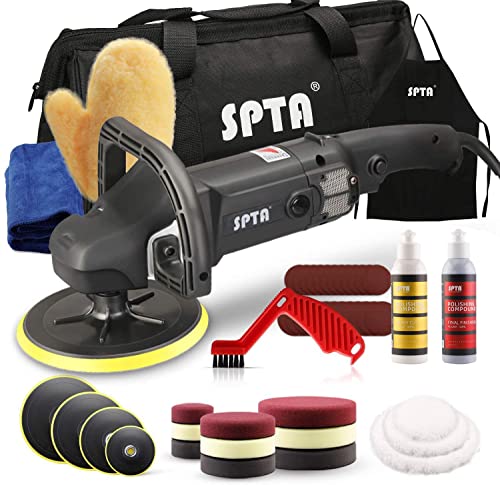
SPTA 7 Inch Rotary Polisher
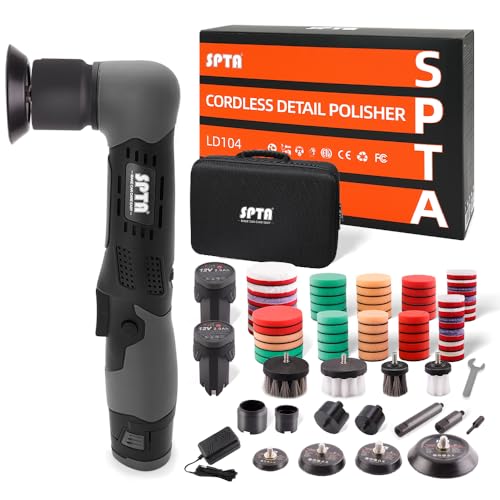
SPTA Cordless Mini Polisher 12V

Cordless Car Buffer Polisher Kit

AVID POWER 20V Cordless Orbital Sander 5 Inch

BOSCH GEX18V-5N 18V Brushless 5 Inch Cordless Random Orbit Sander

GALAX PRO Cordless Detail Sander 20V
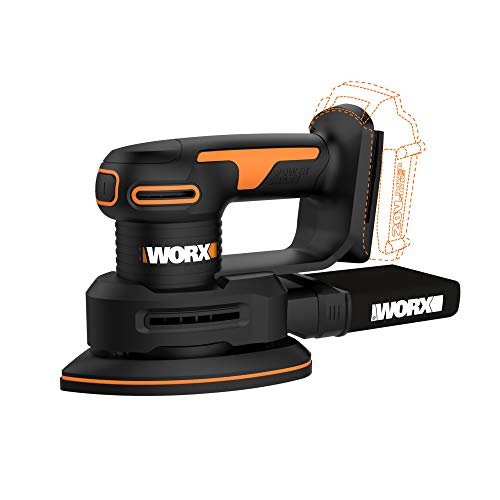
WORX Cordless Detail Sander WX822L.9
More Details On Our Top Picks
A 5-inch random-orbit sander like this one suits shelf refinishing, door prep, and the kind of weekend sanding that needs control more than brute force. The bare-tool format keeps the package lean, which matters for anyone already using a compatible battery platform. That trade-off is easy to live with in a shared tool system, less convenient for a first-time setup.
Compared with the car-focused picks later in this roundup, the ONEAND points you toward wood and general-purpose surface smoothing instead of polishing pads. You may find it a smarter fit for home trim and tabletop work than for auto detailing, and that narrower focus is part of its appeal.
Strong Points
- 5-inch random-orbit format helps spread sanding marks more evenly than a more aggressive rotary style.
- Compact cordless setup keeps cord management out of the way on ladders, benches, and cramped work areas.
- Bare-tool packaging suits anyone already invested in the same battery family, which can simplify storage.
- Works well for routine prep jobs such as paint scuffing, edge softening, and light finish cleanup.
Things To Consider
- You need a separate battery and charger, so the first-use setup is not complete on its own.
- One tool in this style still asks for regular pad and disc changes, so keeping abrasives organized helps.
- It is more suited to flat and gently curved surfaces than tight, carved detail work.
Feature Snapshot
Whose Shelf It Belongs On
Home improvers who already own compatible batteries and want a straightforward sander for wood, paint prep, and light cleanup will get the most out of it.
Another Choice May Suit
AVID POWER 20V Cordless Orbital Sander 5 Inch suits you better when you want a more speed-focused package with sanding sheets and a dust bag in the box.
This one sits closer to car care than woodshop sanding, and that matters because a rotary polisher behaves differently from a random-orbit sander. A rotary head spins on a single axis, so it can cover broad panels quickly, but it also asks for a steadier hand and a little more patience around curves. For driveway detail work, that mix makes sense.
Compared with the more compact SPTA mini polisher below, this 7-inch format is the larger, less delicate choice. You may find it better for hood, door, and panel work, while the smaller SPTA model feels easier around mirrors, badges, and tighter trim.
What We Like
- 7-inch pad size helps you cover wide paint sections without a lot of pass overlap.
- Rotary motion gives a more direct polishing feel, which suits experienced hands and larger flat panels.
- The included pad set adds flexibility for common buffing and finish work.
- Good match for garage detailing where cord management and battery charging are not the main concern.
Worth Noting
- Rotary tools can feel less forgiving on delicate contours than a dual-action style.
- The larger body is not as nimble for narrow trim, small bumpers, or intricate edges.
- Pad care matters here, because a loaded or dirty pad can leave cleanup work behind.
Core Details
Best Suited To
Garage detailers and hobbyists working on larger car panels will appreciate the size and direct rotary feel.
Where A Sibling Pick Shines
SPTA Cordless Mini Polisher 12V is the better fit for tighter trim, smaller correction spots, and more delicate control.
Small correction tools earn their keep in the awkward spots, and this 12V mini polisher leans hard into that role. The lighter footprint makes sense for emblems, mirrors, bumper edges, and other places where a larger pad starts to feel clumsy. That also means you sacrifice wide-area speed, so it suits detail jobs more than whole-panel work.
Compared with the 7-inch SPTA rotary polisher, this model is the more nimble option and the easier one to carry around the garage. The honest read is that you reach for it when accuracy matters more than coverage.
Highlights
- Mini format works well around tight curves, badges, and small correction areas.
- 12V cordless design keeps the tool light enough for one-handed detail work.
- The included polishing and wool pads expand what you can do straight out of the box.
- Useful for sanding, cleaning, and polishing tasks where a full-size tool feels oversized.
Small Caveats
- Shorter reach on large surfaces means more passes for full-panel coverage.
- Small pads can wear faster in repeated use, so pad rotation matters.
- Battery life depends on the condition of the included pack, which is worth keeping in mind for longer detailing sessions.
Feature Rundown
Who Will Love This
Detail-minded car owners who spend more time on small correction spots than full-body polishing will feel right at home with it.
Look Elsewhere When
Niusken Cordless Car Buffer Polisher Kit suits you better if you want more battery capacity and a larger accessory set for longer garage sessions.
Dual batteries change the rhythm of a detailing session, because one pack can sit on charge while the other stays in rotation. That matters most on a full car or on a weekend where you do not want the work to stop halfway through. The LED display also adds a more modern feel, which helps you keep an eye on settings without guessing.
Compared with the smaller SPTA mini polisher, this Niusken kit is clearly built for broader ownership use, not just quick spot correction. The trade-off is size, since a larger accessory bundle and dual batteries naturally add more to store and manage.
Upsides
- Two 21V batteries make it easier to keep working while one pack is resting.
- Six speed settings give you more control over different polishing stages.
- LED display helps you verify the chosen setting at a glance.
- 18 included pads give you a broader starter kit for common detailing tasks.
- Random-orbital motion suits owners who want a less direct feel than a rotary tool.
Areas To Watch
- The larger kit asks for more storage space than a basic tool-only setup.
- Battery charging and pad organization become part of the routine with a fuller accessory package.
- Random-orbital tools still reward a steady hand and some patience on uneven surfaces.
Details At A Glance
Who Should Grab It
Car owners who want a fuller cordless detailing setup, including extra batteries and more pad choices, are the natural fit here.
Skip It When
SPTA Cordless Mini Polisher 12V is the better match for quick trim work, smaller hands, and lighter storage needs.
This AVID POWER sander reads like the most practical middle ground in the wood-focused group. Six speed settings covering 7,000 to 11,000 RPM gives you room to slow down for finish work and speed up for more assertive material removal, and that range matters more than a flashy label. The included sandpaper pack and dust collection bag also make it friendlier for a garage bench or spare-room project area.
Compared with the ONEAND sander, this one is more clearly sold as a ready-to-work kit rather than a bare tool. You may find that convenience helpful when you want to start sanding right away, though the trade-off is a little more accessory clutter to store.
Bright Spots
- Five-inch orbital format gives you a familiar size for shelves, tables, and flat panels.
- Six speed levels make it easier to match the tool to rough prep or lighter finishing.
- Sandpaper assortment in the box reduces the need to piece together a starter setup.
- Dust bag helps keep debris more contained during indoor or garage work.
- Battery-powered use keeps the cord out of the way on stairs, decks, and wider work areas.
Points To Note
- A starter kit can still leave you sorting through grits, so storage discipline helps.
- Dust collection bags on compact sanders usually work best as cleanup support, not total containment.
- For detailed corners, a smaller detail sander will still feel more precise.
Quick Facts
Right Fit For
DIY woodworkers who want a cordless orbital sander with a useful speed range and a more complete accessory bundle will appreciate it.
A Better Fit Elsewhere
ONEAND 18V Cordless 5 in. Random Orbit Sander makes more sense for you when you already own batteries and want a leaner tool-only purchase.
A brushless motor usually matters most to people who use a tool often, because fewer internal parts touch each other as the motor runs. That usually supports smoother feel and less routine wear, and the BOSCH format leans into that expectation without turning the tool into a bulky beast. You still need a battery and charger from the same system, so it fits best into an existing setup.
Compared with the AVID POWER sander, this BOSCH is the more stripped-back choice, which is exactly what some garages need. The honest read is that you pay for a cleaner tool platform rather than a bigger accessory bundle.
Reasons To Buy
- Brushless motor design supports a smoother-running feel for repeated use.
- 5-inch random-orbit format keeps it versatile for furniture, trim, and panels.
- Tool-only setup works neatly for households already using the same battery family.
- Compact cordless shape helps you move from bench to room without dragging a cord.
Softer Spots
- Bare-tool packaging means you still need the matching power setup.
- No accessory bundle is mentioned, so you may be building your sanding kit separately.
- Brushless tools feel like a long-term play, but they do not replace the need for good abrasives.
Technical Sheet
The Right Fit
Home improvers already invested in a compatible battery platform, and who want a cleaner long-term tool platform, are the best match here.
Where Shoppers Go Wrong
AVID POWER 20V Cordless Orbital Sander 5 Inch works better for you when you want a fuller starter kit with sandpaper and dust collection included.
Detail sanders earn their place in cabinets, corners, and trim edges where a round pad can’t reach cleanly. This GALAX PRO model leans into that role with a 12000 RPM top speed, a dust collection system, and a rubber handle that should feel steadier during longer touch-up sessions. For home decoration work, that combination makes it easier to stay neat in tighter spots.
Compared with the WORX finger sander, this GALAX PRO gives you a broader detail-sanding surface and includes 20 sandpaper pieces. The trade-off is that it feels a little more like a general detail tool and a little less like a precision fingertip instrument.
Best Bits
- Detail head suits corners, cabinet edges, and other hard-to-reach sections.
- 12000 RPM rating gives you a brisk pace for surface cleanup.
- Dust collection system helps keep sanding mess more contained around interior projects.
- Rubber handle adds a more secure feel during longer sessions.
- Twenty sanding sheets give you a useful starting spread for home jobs.
Room For Improvement
- Detail tools naturally cover less area than a 5-inch orbital sander.
- Sheet changes and dust-bin cleanup are part of the ownership routine.
- The included accessories help, though a serious project may still call for extra abrasives.
Core Details
Built With In Mind
Cabinet builders, trim finishers, and home decorators working around corners and tight edges will get the most use from it.
Where A Sibling Pick Shines
WORX Cordless Detail Sander WX822L.9 suits you better when a slimmer finger-style sanding head matters more than broader detail coverage.
The finger-sander format has a very specific job, and WORX keeps that job focused on edges, narrow bands, and furniture details. At 12000 OPM, or oscillations per minute, it moves fast enough for small-area sanding without pretending to be a full-size machine. That makes it a handy tool for chair rails, shelf lips, and the kind of corner work that frustrates bigger sanders.
Compared with the GALAX PRO detail sander, this WORX model is the more specialized choice, and that narrow profile is the whole point. The catch is simple: battery not included, so it fits best into an existing WORX 20V setup.
Positives
- Finger-style head reaches furniture edges and skinny profiles with less fuss.
- 12000 OPM speed gives you quick action on small sanding zones.
- Compact body is easier to control in one hand.
- Tool-only format works well for people already using the same battery family.
Minor Gripes
- Battery is not included, so the package is not ready to run on its own.
- Very narrow contact area means larger surfaces take more time.
- As with most finger sanders, pad wear and dust cleanup become part of the routine.
Spec Overview
Who It Suits Best
Furniture finishers and home improvers with an existing WORX 20V battery setup will get the best match from it.
Swap It Out When
GALAX PRO Cordless Detail Sander 20V is the better fit for you when you want included sandpaper, dust handling, and a broader detail-sanding shape.
How To Choose The Right Cordless Sanders
Start With The Surface You Actually Sand
Flat panels, tabletops, and cabinet faces usually point you toward a 5-inch random-orbit sander. Tight trim, corners, and narrow furniture profiles call for a detail sander or finger sander instead, because the head shape matters as much as the motor.
Rotary polishers belong in a different lane again, mostly for car paint and buffing work. The tool that looks strongest on paper can still feel wrong in the hand if the head size doesn’t match the surface.
Check The Battery Setup Before Anything Else
Tool-only models make sense when your garage already runs on the same battery family. They save you from duplicating chargers and packs, but they also require that the rest of the platform is already in place.
Full kits are easier for a first setup, especially for weekend projects in a shed or apartment storage closet. The trade-off is extra weight, more charging gear, and a bit more to organize after each job.
Speed Control Changes The Feel More Than You Think
Variable speed helps you slow down for finishing and speed up for rougher prep. That flexibility matters in real use because soft wood, painted trim, and car panels do not all want the same pace.
RPM and OPM are both speed measures, but they describe different motion styles. RPM means revolutions per minute, while OPM means oscillations per minute, and that difference tells you whether the tool is rotating or making short side-to-side strokes.
Dust Handling And Grip Deserve Real Attention
Dust bags and dust collection ports do not make sanding mess vanish, but they do help keep a room more manageable. A comfortable rubber grip matters too, especially on longer touch-up sessions where vibration and awkward angles start to add up.
For home use, those comfort details often separate a tool that gets used from one that sits in a cabinet. A sander that feels steady in your palm is easier to control and less tiring to live with.
Things Worth Knowing Before You Choose
Common Shopping Slip Ups
One common mistake is matching the tool to the category name instead of the task. A car polisher, a random-orbit sander, and a finger sander each solve a different problem, so the shape should lead the choice.
Another easy miss is forgetting the battery question. A tool-only listing can be a smart value for an existing system, but it becomes a hassle when you still need packs and chargers.
When Paying More Pays Off
Higher-tier cordless sanders usually cost more because of motor design, battery count, accessory depth, and control features like displays or multiple speeds. Those parts do not just pad the listing, they affect how long you can work and how precisely you can tune the tool.
The upgrade makes the most sense for frequent use, larger projects, and detail work where consistency matters. For light household sanding, a simpler cordless model can still be enough.
Frequently Asked Questions
What size cordless sander works for most home projects?
A 5-inch random-orbit sander covers the widest range of everyday sanding jobs. It handles shelves, tabletops, trim prep, and paint cleanup without feeling overly specialized.
Is a detail sander better than a random-orbit sander?
A detail sander is better for corners, edges, and narrow furniture parts. A random-orbit sander is the better all-around choice for flat surfaces and broader prep work.
Do tool-only cordless sanders make sense?
They make sense when you already own the matching battery system. They are less convenient for a first-time setup because you still need the power source.
What does variable speed change in real use?
Variable speed helps you match the tool to the surface and finish stage. Slower settings feel calmer for finishing, while faster settings suit more aggressive cleanup.
Should you choose rotary or random-orbit for car work?
Rotary tools cover large panels quickly and feel more direct. Random-orbit models are usually the gentler, more forgiving choice for general polishing control.
Final Thoughts
The right cordless sander is the one that fits your surface, your battery setup, and the amount of control you want in your hand. For wood projects, a 5-inch random-orbit model usually makes the easiest everyday companion, while detail sanders earn their keep around trim and edges. Car polishing sits in its own lane, and those tools deserve a separate look. Match the shape to the job, and the rest tends to fall into place.




