Drywall edge work gets messy fast, especially around outlet boxes, pipe openings, and repair patches that need a cleaner finish than a torn edge can give. The right chamfer tool helps you shape material with more control, less fuss, and fewer do-overs, whether you’re trimming wood, refining sheetrock, or smoothing a cutout before the next step.
This roundup focuses on tools that fit real shop and home-repair jobs, from hand planes to rasps, a folding jab saw, and a scoring square. You get a practical mix here, so you can match the tool to your project instead of forcing one tool to do everything.
Quick Shortlist For Cleaner Edge Work

Saker Chamfer Plane with Auxiliary Locator

JORGENSEN Chamfer Plane with 4 Cutter Heads

MARSHALLTOWN Drywall Rasp Tool with Rails 5 1/2 Inch

CONQUER Deburring External Chamfer Tool 1/8″-3/4″


KATA Folding Drywall Jab Saw with Soft Grip Handle
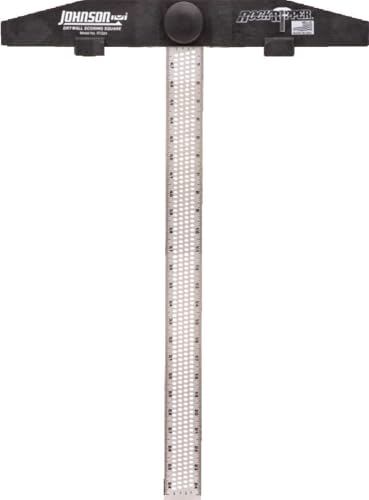
24″ RockRipper Drywall Scoring Square

Sound Panels Peel and Stick 47.2″ x 23.6″ 2 Pack
More Details On Our Top Picks
The auxiliary locator gives this hand plane a more guided feel, which matters when you want repeatable edge trimming instead of a wandering cut. It makes more sense for woodworking benches than for drywall repair, but that precision can be useful in a garage shop where square corners and tidy chamfers matter side by side.
Compared with the simpler Goldblatt rasp later in the list, this one asks for a little more control but gives you a cleaner, flatter result on wood edges. The combination upgrade with six cutter heads also points to a tool built for someone who likes to keep options close at hand, though you’ll still want to clear shavings and keep the cutting faces in good shape.
What We Like
- Auxiliary locator helps keep edge angle steadier.
- Six cutter heads give you more setup flexibility.
- Good fit for fast wood edge trimming.
- Works well for tidy corner flattening on benches or small projects.
Room For Improvement
- It leans more toward woodworking than drywall patch work.
- Hand guidance still matters, so beginners may need a little practice.
- Shavings can build up, so cleanup stays part of the routine.
Feature Rundown
Who It Suits Best
You get the most out of this one in a small woodworking shop, especially for corner cleanup and quick edge trimming.
Where A Sibling Pick Shines
MARSHALLTOWN Drywall Rasp Tool with Rails suits drywall patch work better, since it is built around sheetrock shaping rather than wood edge planning.
The built-in storage is the detail that stands out here, because spare cutter heads tend to disappear in real workshops. That makes this JORGENSEN a neat fit for anyone who values order as much as edge cleanup, and it stays more shop-friendly than the Saker plane if you like keeping parts in one place.
Four cutter heads also give you useful flexibility without turning the tool into a cluttered gadget. The honest trade-off is that a more capable hand plane still rewards patient technique, so this suits steady hands and repeat work better than rushed, one-off fixes.
Highlights
- Built-in cutter storage keeps spare parts together.
- Four cutter heads cover more edge-shaping needs.
- Good match for regular carpentry and trim work.
- Feels organized, which helps in busy shops.
Softer Spots
- It still depends on careful hand guidance.
- More of a woodworking tool than a drywall specialist.
- Storage helps, but it also adds a little extra bulk.
Core Details
Made For
You’ll like this most in a woodworking space where you want a tidy hand tool with parts kept together.
Another Choice May Suit
Saker Chamfer Plane with Auxiliary Locator suits you better for guided edge trimming when a locator matters more than built-in storage.
For drywall trimming, this is the clearest fit in the whole group. The 5 1/2-inch body gives you a compact rasping surface, while the rails and stainless blade aim to keep the cut more square and more controlled than a plain file would.
The ability to work in both directions is handy on a repair ladder or in a cramped room where tool strokes are short and awkward. Compared with the JORGENSEN plane, this one feels more directly aimed at sheetrock rather than woodworking, and that focus makes it easier to trust for patch prep.
Strong Points
- Rails help keep the edge shape more consistent.
- Cuts in both directions, which helps in tight spaces.
- Stainless blade adds durability for regular jobsite use.
- Compact size suits patch work and quick adjustments.
- Good choice for cleaner openings before fitting a piece.
Minor Gripes
- Best suited to drywall, so it is less versatile than a general hand plane.
- Rasp tools leave dust, so cleanup is part of the job.
Spec Overview
Best Suited To
You benefit most here during drywall repairs, outlet openings, and any job that needs fast edge correction.
Skip It When
Goldblatt Drywall Rasp is the simpler match for someone who wants a straightforward rasp without the added guide feel.
This one moves beyond drywall and into pipe and thread cleanup, so it belongs in a more mixed-material toolkit. The quick-release 1/4-inch hex shank makes it easier to swap into compatible drivers, and the listed 1/8-inch to 3/4-inch range gives you a clear sense of its working window.
Compared with the hand-operated plane and rasp picks above, this is more about fitting the right attachment to the right material than about traditional edge trimming. You may find the HSS blade, short for high-speed steel, pays off in tougher work, though the trade-off is that it’s not the tool you reach for on a simple drywall patch.
Best Bits
- Quick-release hex shank speeds tool changes.
- Works across copper, aluminum, brass, and PVC.
- Useful for deburring and external chamfering in one tool.
- High-speed steel blade suits harder, repeat use.
Points To Note
- Less relevant for straight drywall finishing.
- Needs a compatible driver setup to make sense.
- Metal chips and plastic shavings can collect around the work area.
Details At A Glance
Right Fit For
You get the most value from this in plumbing-adjacent work, light fabrication, or mixed repair jobs that involve pipe ends and threaded pieces.
Look Elsewhere When
MARSHALLTOWN Drywall Rasp Tool with Rails fits drywall patch work better, especially when your main job is shaping sheetrock instead of metal or plastic.
Sometimes the simplest tool is the easiest one to keep using, and that’s the appeal here. Goldblatt keeps the focus on drywall rasping without extra complexity, so it suits patch jobs, field repairs, and the sort of cleanup that happens after a utility cut or outlet opening.
The stainless steel blades are a nice durability note, especially for a tool that can live in a tote and come out whenever the wall edge needs a quick correction. Compared with the MARSHALLTOWN rasp, this one looks like the straightforward pick for anyone who wants a no-frills routine and doesn’t need the extra guide hardware.
Reasons To Buy
- Simple rasp design keeps the tool easy to understand.
- Stainless steel blades help with long-term wear resistance.
- Good match for routine wall patch cleanup.
- Easy to stash in a tool bag or drawer.
Small Caveats
- Less specialized than the MARSHALLTOWN model with rails.
- No extra guidance hardware for square-focused shaping.
- Like most rasps, it will need regular dust cleanup.
Feature Card
Whose Shelf It Belongs On
You’ll appreciate this most as a dependable basic for home repair kits and day-to-day drywall touch-ups.
Where A Sibling Pick Shines
MARSHALLTOWN Drywall Rasp Tool with Rails suits you better for faster, more guided sheetrock shaping.
The folding blade is the most practical part of this KATA saw, because it cuts down on exposed edges during storage and packing. That matters for a tool bag, garage drawer, or jobsite pouch, and the soft grip handle gives you a steadier hold than a bare hard shell.
The 65Mn steel blade with a 7 TPI tooth count, meaning seven teeth per inch, is built for fast starts and controlled drywall cuts. Compared with the MARSHALLTOWN rasp, this one solves a different part of the job, since it opens wallboard rather than refining the edge afterward.
Bright Spots
- Folding design makes storage easier and safer.
- Soft grip handle adds comfort during longer cuts.
- Pointed blade tip helps start openings cleanly.
- Useful for outlet holes, pipe access, and wallboard repair.
- Compact format suits repair kits and small tool bags.
Areas To Watch
- It is a cutting tool, not a finishing rasp.
- Drywall dust and debris will still need cleanup.
- The compact folding format can feel different from a full fixed saw at first.
Feature Snapshot
Built With In Mind
You’ll get the most from this in trim-out work, small repairs, and tight spaces where a compact saw earns its keep.
Reach For A Different Pick When
Goldblatt Drywall Rasp is the better fit for finish work after the cut is already made.
This scoring square is for straight layout more than edge shaping, and that makes it useful in a different part of the drywall workflow. A 24-inch tool gives you a longer guide for marking and scoring, which helps when you want cleaner, straighter cuts before a saw or rasp ever comes out.
It complements the KATA saw nicely, since a good score line can make the rest of the cut feel far less messy. The trade-off is simple, though, it is a layout tool, so it belongs with cutters and layout gear rather than beside the rasps and planes you use for final edge work.
Upsides
- Long 24-inch format helps with straight drywall layout.
- Useful for scoring before larger cuts.
- Pairs well with saws and patch tools.
- Helps keep long lines more consistent.
Things To Consider
- It does not trim edges by itself.
- Best value appears in layout-heavy drywall work.
- Needs space to store because of its length.
At A Glance
Who Should Grab It
You’ll like this most for layout work on larger drywall sheets or repeated straight cuts in a renovation project.
Not Your Match When
MARSHALLTOWN Drywall Rasp Tool with Rails is the better fit once you need to shape the cut edge itself.
This one sits in a different lane, but the chamfer edge design makes it relevant to the broader edge-finishing theme behind this roundup. The peel-and-stick format, plus the 47.2 by 23.6 inch size, means it suits wall or room treatment jobs where coverage and placement matter more than hand-tool control.
Compared with the drywall tools above, this is less about shaping a cut and more about the finished surface around it. In a home studio, media room, or hobby space, that can be useful, though the trade-off is obvious, you are dealing with acoustic panels rather than a repair tool.
Best Points
- Large panel size helps cover more wall area.
- Self-adhesive backing simplifies placement.
- Chamfered edge finish gives it a cleaner look.
- Two-pack format works for small treatment zones.
Room To Improve
- Not a drywall shaping tool in the usual sense.
- More suited to acoustic treatment than repair work.
- Best results depend on careful surface prep before sticking.
Quick Facts
The Right Fit
You’ll get the most out of this in a studio corner, media room, or home office where wall treatment matters.
Swap It Out When
Goldblatt Drywall Rasp is the better choice for actual wallboard edge cleanup and patch prep.
How To Choose The Right Drywall Chamfer Tools
Start With The Material Under Your Hand
Drywall, wood, pipe, and acoustic panels all need different edge tools, even though the listings can sound similar. A chamfer plane belongs on wood trim and corner cleanup, while a drywall rasp belongs on sheetrock edges and patch openings. A jab saw handles the cut itself, not the finish, so matching the tool to the material saves time and avoids ragged results.
Think About Control, Not Just Speed
Rails, locators, built-in storage, and soft grips all change how steady the tool feels in use. That matters most in a small apartment repair, a crowded workshop, or any job where you only get one clean pass before dust and debris start piling up. Faster tools can be handy, but more guidance usually means fewer mistakes on delicate edges.
Match The Tool To The Job Stage
Layout tools help you mark straight lines, saws open the cut, and rasps or planes refine the edge after the opening is made. That sequence keeps the work tidy and makes each step easier to manage. A scoring square pairs well with a saw, while a rasp or chamfer plane belongs near the finishing stage.
Storage And Maintenance Still Matter
Hand tools last longer when the cutting surfaces stay clean and the blades are stored safely. Folding saws and tools with built-in storage are helpful in busy garages, because loose cutter heads and exposed blades create clutter fast. A little attention to wiping off dust and keeping parts together goes a long way.
What To Weigh Before You Pick One
Common Shopping Slip Ups
Many people mix up layout tools, cutting tools, and finishing tools, then end up with something that solves only half the job. That’s why the RockRipper square belongs in a straight-cut setup, while rasps like the MARSHALLTOWN and Goldblatt handle the edge cleanup afterward.
Another common miss is choosing a woodworking plane for drywall repair, or the reverse. The material matters, and the wrong tool can feel awkward even when the listing looks close enough.
The Upgrade Payoff
Higher-tier tools usually bring better guidance, more durable blades, or smarter storage. In this category, that can mean a rail system that keeps cuts square, a quick-release shank for faster changes, or a folding design that makes storage less awkward.
The upgrade is worth it when you do repeat work or need fewer corrections. For occasional patch jobs, a simpler rasp or saw often makes more sense and keeps the toolkit lean.
Frequently Asked Questions
Can dry wall chamfer tools be used on wood?
Some can, especially the hand planes in this list. The Saker and JORGENSEN models are better suited to woodworking than to sheetrock finishing.
What tool should you use after cutting drywall?
A drywall rasp is the usual next step for smoothing the edge. MARSHALLTOWN and Goldblatt both fit that role well.
Do you need a folding saw for drywall repair?
You do not need one, but it helps in tight spaces and for tool storage. The KATA saw is useful for outlet openings and small access cuts.
What is a chamfer edge?
A chamfer is a sloped edge cut that removes the sharp corner from a material. It helps create a cleaner transition, whether you are working on wood, pipe, or a finished panel.
Which tool in this list fits straight layout work best?
The 24″ RockRipper Drywall Scoring Square is built for straight scoring and marking. It works best with a saw or rasp as part of the full cut-and-finish process.
Closing Thoughts
The best choice depends on where your work starts and where it ends. For drywall patching, MARSHALLTOWN and Goldblatt cover the cleanup side, while KATA handles the openings and RockRipper helps with layout. For woodworking, the Saker and JORGENSEN planes make more sense, and CONQUER fills a different repair niche altogether. Match the tool to the material and the stage of the job, and the whole task gets easier to manage.