


Drywall work asks a lot from your belt, especially on ladder-heavy days, long taping runs, and jobs where you keep reaching for the same handful of tools. The right setup keeps weight manageable, pockets where your hand expects them, and the tape or fasteners close enough to keep your pace steady. That matters just as much in a small remodel as it does on a full framing and hanging day.
The Shortlist At A Glance

Bucket Boss AirLift Tool Belt with Suspenders (50100)

DEWALT Professional Tool Belt Organizer With Suspenders (DWST540602)

Occidental Leather FatLip Fastener Bag 10 Pockets
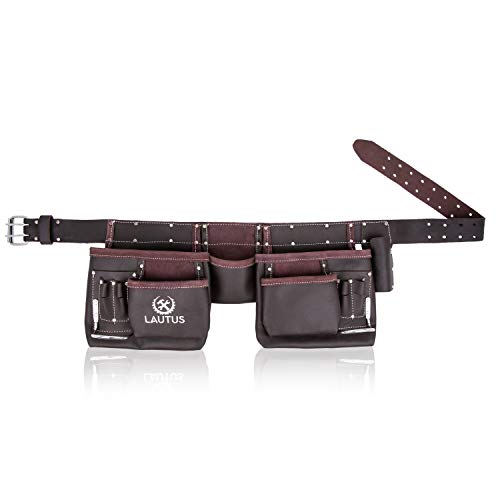
LAUTUS Oil Tanned Leather Tool Belt Pouch Bag
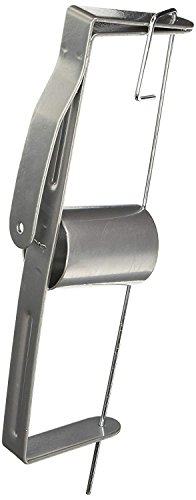
Edward Tools Drywall Tape Holder

CLC Custom Leathercraft 5605 Professional Carpenters Combo Tool Belt

Dead On Tools 1680 Denier Poly Carpenter’s Tool Belt with Suspenders (HDP400945)
OX 3 Inch Leather Tool Belt for Tool Pouch Bags Small Medium
More Details On Our Top Picks
Bucket Boss leans into support first, which matters on drywall days that start with loading sheets and end with a hundred small reaches. The 12-pocket layout keeps the carry simple rather than crowded, and the 52-inch size gives you a clearer sense of fit than many generic belts.
The suspenders help spread weight across your shoulders, so the belt does not feel like it is hanging everything from one line around your waist. It suits remodel work, punch-list days, and anyone who wants a calmer load than a bare waist belt, though the materials mix suggests a more utility-first feel than a premium leather setup.
Strong Points
- Suspenders help distribute load across the upper body.
- 12 pockets keep fasteners and hand tools sorted.
- 52-inch sizing gives wider fit headroom.
- Useful for long hanging sessions and mixed tasks.
Points To Note
- The mixed-material build may feel less refined than full leather.
- More pockets can tempt overpacking, which adds weight fast.
- Cleaning and drying take a little care after dusty jobs.
Feature Rundown
Who Should Grab It
Drywall hangers and remodel crews who want shoulder support with simple pocket organization fit this one well.
Look Elsewhere When
Reach for the Occidental Leather FatLip Fastener Bag 10 Pockets if you want a tighter leather-focused pouch for trim-heavy work.
This DEWALT organizer is aimed at people who carry a full spread of hand tools and want each one to have a place. Twenty-five pockets is a lot of real estate, so your tape, pencils, fasteners, and small accessories can stay split up instead of piling together.
The suspenders matter here because the pocket count invites a heavier load, especially on framing and hanging days where your belt can fill quickly. That trade-off works well for seasoned crews, though the setup may feel like more belt than a minimalist drywall finisher needs.
What We Like
- 25 pockets give you strong tool separation.
- Suspenders help manage a fuller carry.
- Good fit for jobsite days with many small items.
- Heavy-duty construction language points to tougher daily use.
- Useful for crews who like a fixed place for everything.
Room For Improvement
- The larger layout can feel bulky for light finish work.
- More compartments mean more organizing before the day starts.
- Heavier setups need regular emptying to stay comfortable.
At A Glance
Best Suited To
You fit this best if you keep a full load of tools close at hand and spend long stretches on framing or installation work.
Skip It When
Choose the Bucket Boss AirLift Tool Belt with Suspenders (50100) if you want a lighter, more straightforward pocket layout for everyday drywall carry.
This bag looks built for the person who wants fasteners and small tools close without carrying a sprawling belt system. Ten pockets and tool holders keep the footprint tighter than the DEWALT option, and that can feel far easier to live with during trim work or cleaner drywall finishing.
The Made in USA note will matter to some shoppers, though the bigger story is how focused the layout feels. It is not the right call for every trade, but for a trim carpenter or finishing helper, the simpler carry can feel like a well-cut jacket, snug where it needs to be and out of the way elsewhere.
Highlights
- 10 pockets and holders keep the pouch streamlined.
- Compact layout works well for trim and finish tasks.
- Leather construction suits heavy daily use.
- Smaller footprint can reduce side swing while moving.
Small Caveats
- Less total storage than the larger multi-pocket belts here.
- Leather needs routine care to stay looking good.
- Specialized layout may feel narrow for all-purpose carry.
Technical Sheet
Whose Shelf It Belongs On
You benefit most here if you work trim, finish carpentry, or lighter drywall tasks and want a compact leather pouch.
Where A Sibling Pick Shines
The CLC Custom Leathercraft 5605 Professional Carpenters Combo Tool Belt suits you better when you want a broader, more traditional belt layout.
The LAUTUS pouch leans on a classic leather feel, which makes sense for carpentry, framing, and handyman work where you want something that feels substantial rather than flashy. Oil-tanned leather usually carries a softer, more broken-in character over time, so the first impression and the long-term feel often line up nicely.
Compared with the more tool-dense DEWALT belt, this one looks like a cleaner, less crowded carry for people who prefer a simpler pouch setup. The honest read is that leather brings charm and durability potential, but it also asks for regular attention so the finish does not get ignored after dusty jobs.
Best Bits
- 100% leather construction gives it a classic jobsite feel.
- Oil-tanned finish tends to age with character.
- Good fit for carpentry and general construction carry.
- Simple pouch style stays easy to understand and pack.
Softer Spots
- Leather usually needs more care than synthetic materials.
- Less suited to shoppers who want lots of built-in organization.
- May feel overbuilt for light home tasks.
Feature Snapshot
Built With In Mind
You will like this most as a general trade pouch for carpentry or construction days where leather matters as much as function.
Another Choice May Suit
The Occidental Leather FatLip Fastener Bag 10 Pockets is the better fit for finish-focused work that benefits from a tighter pouch layout.
This is the most task-specific item in the list, and that makes it especially useful for finishing work where tape management can slow you down. Powder-coated steel is the kind of build detail that matters because it helps the holder stand up better to wear and storage in a damp truck box or crowded shop corner.
The 500-foot capacity is generous for drywall tape work, and the belt clip keeps the tool close instead of floating around in a pouch. A fast-loading retaining pin is a small detail, but on repetitive taping days, small details are often the ones that save the most annoyance.
Upsides
- Dedicated drywall tape storage keeps the job focused.
- Holds up to 500 feet of tape.
- Powder-coated steel resists wear better than plain metal.
- Belt clip keeps the holder easy to reach.
Worth Noting
- Single-purpose design will not replace a full tool belt.
- Steel construction adds weight compared with soft pouches.
- Needs basic drying and storage care after messy jobs.
Core Details
The Right Fit
You should look here first for drywall finishers and tapers who want a dedicated tape holder instead of a general tool pouch.
Reach For A Different Pick When
The Bucket Boss AirLift Tool Belt with Suspenders (50100) is the better choice for you if you want broader tool storage in one setup.
The CLC 5605 sits in the comfortable middle ground between a compact pouch and a highly loaded belt system. Eighteen pockets give you room for assorted tools without jumping all the way to the more crowded DEWALT setup, so it can suit a lot of carpentry and drywall-adjacent work.
That balance is its main appeal, and it also explains the wear pattern you should expect, because more compartments usually mean more sorting and a bit more upkeep. For general jobsite use, though, the layout feels sensible, especially when you want a belt that covers a wide range of tasks without feeling specialized in just one direction.
Bright Spots
- 18 pockets provide flexible storage for mixed trade tools.
- Good middle ground between compact and oversized layouts.
- Useful for carpentry, framing, and general jobsite carry.
- Black finish keeps the look straightforward and practical.
Areas To Watch
- More pockets mean more time spent organizing gear.
- General-purpose design may not feel specialized enough for some finishers.
- Heavier load can creep up fast once fully packed.
Details At A Glance
Made For
You fit this best when you want one belt that can handle carpentry, framing, and general repair work without feeling overloaded.
Swap It Out When
The Edward Tools Drywall Tape Holder makes more sense for you if your main headache is keeping tape close rather than carrying a full tool spread.
Dead On gives you a long-work-session setup with a lot of pocketing and support hardware, which suits crews that keep their tools on them from setup to cleanup. The 17 inside pockets and 7 outside pockets create clear separation, and the drill holder, steel-loop hammer holder, and tape-measure holder help the belt feel trade-specific rather than generic.
The gel-padded suspenders are a real comfort cue here, especially on days when the belt carries enough to make shoulder support worth having. Compared with the CLC 5605, this one feels more purpose-built and more structured, though that added structure can be a little much for light-duty home jobs.
Reasons To Buy
- Many pockets help keep tools split by function.
- Dedicated holders suit common carpenter carry items.
- Gel-padded suspenders can make longer wear easier.
- Vinyl reinforcement adds a tougher feel to the pouches.
- Waist range covers 29 to 46 inches.
Minor Gripes
- Large pocket count can feel overbuilt for simple drywall tasks.
- Heavier organization takes more time to pack and maintain.
- Poly build may not appeal to leather-first shoppers.
Spec Overview
Perfect Match For
You will get the most from this belt on active framing or carpentry days where comfort, separation, and extra carry space all matter.
Not Your Match When
The OX 3 Inch Leather Tool Belt for Tool Pouch Bags Small Medium is the simpler choice for pouch users who want a lower-profile leather base.
The OX belt is for people who want a solid leather base without a lot of bulk around the waist. Its 3-inch width gives pouch bags a sturdy anchor point, and the small-medium sizing makes the fit more focused than the bigger, more universal styles earlier in this list.
Perimeter stitching and rivets point to a belt meant to take repeated wear, which matters when your pouches stay loaded most days. You may find it especially sensible for pouch-based setups where the belt is really there to support the load rather than dominate the whole carry system.
Best Points
- 3-inch width gives a stable base for pouch bags.
- Leather construction feels suited to hard jobsite wear.
- Perimeter stitching adds a tidy reinforcement detail.
- Rivets help strengthen stress points.
- Low-profile shape works well with compact setups.
Honest Caveats
- Small-medium sizing narrows the fit range.
- Meant as a support belt, not a full storage solution.
- Leather still benefits from periodic cleaning and care.
Feature Card
Right Fit
You should look at this as a support belt for pouch users who want a compact leather base and a cleaner waist profile.
A Better Fit Elsewhere
The Dead On Tools 1680 Denier Poly Carpenter’s Tool Belt with Suspenders (HDP400945) suits you better when you want a fuller carry with built-in shoulder support.
How To Choose The Right Drywall Tool Belts
Fit And Carry Balance
Start with how the belt rides on your body, not just how many pockets it claims. Suspenders help when you spend hours hanging board or moving around a jobsite, because they shift some load off your waist and onto your shoulders.
Waist range matters too, especially on belts that come in a narrower fit band like the OX 3 Inch Leather Tool Belt for Tool Pouch Bags Small Medium. A sloppy fit turns into sliding pouches, uneven pull, and a more tiring day.
Pocket Layout For The Job
Drywall work usually rewards clear organization over sheer pocket count. A tape holder like the Edward Tools Drywall Tape Holder makes sense for finish work, while a broader belt such as the DEWALT Professional Tool Belt Organizer With Suspenders (DWST540602) suits people carrying a wider mix of hand tools.
Look at pocket spacing, not just total number. A smaller, smarter layout can feel easier to use than a crowded belt, especially on ladder work or in tight rooms.
Material Choice And Maintenance
Leather has a more traditional feel and often suits people who want a belt that settles in over time. Synthetic or mixed-material builds can be easier to live with on dirty jobs, since they usually ask for less care after dust and compound get into seams.
That trade-off is real, and it shows up in daily upkeep. Leather options like the Occidental Leather FatLip Fastener Bag 10 Pockets ask for more attention, while a powder-coated steel tool like the Edward tape holder brings a different kind of durability story.
Match The Belt To Your Work Pace
Full-time crews and finishers do best with belts that keep weight controlled and tools separated. Light DIY drywall jobs may call for a simpler pouch or even a dedicated holder instead of a full combo system.
Think about how often you reach for the same few tools. A setup that mirrors your habits will feel more natural than one built around a generic pocket count.
Things Worth Knowing First
Mistakes Worth Dodging
Shoppers often grab too much belt for light drywall work, then spend the day carrying extra bulk they never use. Another common miss is ignoring suspension support, which can make a loaded pouch feel much heavier than the pocket count suggests.
Fit mistakes happen too, especially with one-size or narrow size-range models. Measure your waist, consider the gear you actually carry, and keep the belt focused on your real workflow.
The Upgrade Payoff
Higher-tier belts usually cost more because of leather quality, stronger stitching, better padding, or more specialized hardware. Those details matter most when your belt stays on for long stretches and your tools ride there day after day.
The upgrade is worth it for full-time carpenters, drywall crews, and finishers who need comfort that lasts through a long shift. For lighter home projects, a simpler option often makes more sense than paying for build features you will barely notice.
Frequently Asked Questions
Do drywall tool belts need suspenders?
Suspenders help when your belt carries tape, fasteners, and hand tools for long periods. They are especially useful on heavy jobsite days and less necessary for very light carry.
Is leather better than synthetic material?
Leather usually feels more traditional and can age well with care. Synthetic or mixed-material belts can be easier to maintain after dusty work.
How many pockets should you look for?
Count only the pockets that match your actual tools. More pockets help with organization, but too many can make the belt bulky and harder to manage.
What makes a belt good for drywall work?
Good drywall belts keep tape, knives, fasteners, and small tools close without swinging too much. Weight balance matters as much as storage.
Can a regular carpenter belt work for drywall?
Yes, many carpenter belts work fine for drywall if the pocket layout fits your tools. A dedicated tape holder becomes more useful when finishing is your main task.
Closing Thoughts
Your best drywall belt is the one that fits your carry style, not the one with the loudest pocket count. A lighter pouch, a suspenders setup, or a dedicated tape holder can each make sense depending on how you work and how long you stay on the job. Choose the layout that keeps your tools close, your waist comfortable, and your workflow steady. That usually leads you to the belt you’ll be happiest wearing all day.




