


Dual-band routers earn their keep in homes where streaming, gaming, video calls, and everyday browsing all happen at once. You need enough range for the far room, enough bandwidth for the main desk, and enough stability that a busy evening does not turn into a guessing game. This roundup keeps the focus on fit, so you can match the router to your space instead of sorting through marketing fluff.
The list runs from easy starter choices to stronger Wi-Fi 7 upgrades, with a few feature-rich options in between. You’ll also see where each pick makes sense, and where a different model in this lineup is the better match.
Quick Look At The Shortlist

NETGEAR Nighthawk Dual-Band WiFi 7 Router (RS200)

NETGEAR WiFi 6 Router 4-Stream (R6700AX)

NETGEAR Nighthawk WiFi 6 Router (RAX36)

ASUS RT-BE58U WiFi 7 Router
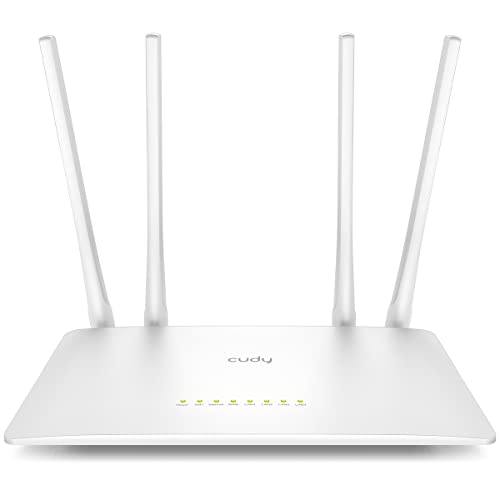
Cudy AC1200 Dual Band 4 Antennas Wi-Fi Home Internet Wireless Router WR1200

GL.iNet GL-BE6500 Flint 3e Wi-Fi 7 Router with VPN for Home and Gaming

NETGEAR Nighthawk Dual-Band WiFi 7 Router (RS140)
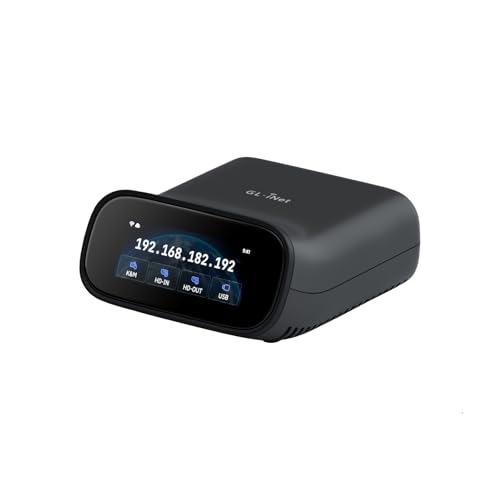
GL.iNet GL-RM10 Comet Pro Remote KVM Over Wi-Fi 6 Dual Band 4K Passthrough
RS200 makes sense for a home that feels crowded by laptops, phones, and streamers all evening. The 2.5 Gig internet port gives it room to breathe on faster service plans, and the stated 2,500 square feet and 80-device support point to a router that aims beyond a studio or starter flat.
Compared with the smaller NETGEAR R6700AX, this one is the pick for larger spaces and busier traffic. The trade-off is simple, it looks like overkill for a modest apartment, but that extra headroom helps once you have a few people gaming, working, and streaming at the same time.
Strong Points
- Wi-Fi 7 support gives you a modern path for newer devices.
- The 2.5 Gig port helps match faster home internet service.
- Coverage claims point to better reach in larger layouts.
- 80-device support suits homes full of connected gear.
- Expert help can make setup less stressful for nontechnical households.
Things To Consider
- The feature set makes more sense in a bigger home than a small one.
- Router-only packaging means you still need your own modem setup.
- Like many high-capacity routers, placement in a central spot matters for the best reach.
Feature Snapshot
Who It Suits Best
Busy households with several heavy internet users will get the most from this one.
Where A Sibling Pick Shines
NETGEAR WiFi 6 Router 4-Stream (R6700AX) suits smaller homes that do not need this much reach or device headroom.
The R6700AX is the calmer choice in this group, with a 1,500 square foot coverage claim and support for up to 20 devices. That makes it a neat fit for an apartment, a townhouse, or a smaller home that does not need the heavier footprint of the RS200.
Compared with the Wi-Fi 7 models above it, this router keeps the feature set simpler and more approachable. In most households, that is the point, less complexity, fewer moving parts, and enough speed for streaming, calls, and everyday browsing without paying for extras you may not use.
What We Like
- The 4-stream design helps spread traffic across more data paths.
- Its size and device ceiling fit modest homes well.
- Setup help is useful for households that want less guesswork.
- Dual-band operation keeps everyday connections straightforward.
Softer Spots
- The 20-device limit feels tight for homes packed with smart accessories.
- Coverage suits smaller spaces better than large, open floor plans.
- It is a sensible step-down from the Wi-Fi 7 choices, not a feature-heavy showcase.
Details At A Glance
Right Fit For
Smaller households and first-time router shoppers will find the balance here easier to live with.
A Better Fit Elsewhere
NETGEAR Nighthawk Dual-Band WiFi 7 Router (RS200) suits larger homes that need more range and a wider device ceiling.
RAX36 sits in the middle of the lineup with more features than the simpler R6700AX and less reach than the Wi-Fi 7 routers. The built-in VPN support and USB 3.0 port make it appealing in a home office or gaming setup where you want more than basic wireless duty.
That extra flexibility does come with a practical trade-off, though, because not everyone needs VPN tools on the router itself. For a desk-heavy household, it feels useful and tidy, while casual web use will probably not tap into all of its extras.
Highlights
- Built-in VPN support suits privacy-conscious home networks.
- USB 3.0 adds room for shared storage or peripherals.
- The 2,000 square foot claim bridges modest and larger homes.
- 25-device support helps with mixed work and entertainment loads.
- Dual-band gigabit internet support gives the router solid day-to-day breathing room.
Room For Improvement
- The feature set may feel more complex than some households need.
- Router-only packaging means your network stack still depends on the rest of your gear.
- USB and VPN features matter most to users who will actually configure them.
Core Details
Built With In Mind
Home office users and gamers with a few extra connected devices will get the most from this router.
Swap It Out When
NETGEAR WiFi 6 Router 4-Stream (R6700AX) makes more sense for simpler homes that do not need VPN or USB features.
ASUS takes a different angle from the NETGEAR models, with dual-WAN support and mesh compatibility giving it a more flexible network role. Dual-WAN means two internet connections can be used, which matters in a home office or a setup that needs more resilience than a basic single-line router.
It feels especially relevant for homes that may grow into mesh coverage later. The honest read is that the extra flexibility has value, but only when your network plan is ready for it, so this is less about casual browsing and more about a setup you expect to expand.
Reasons To Buy
- Dual-WAN support gives you more connection flexibility.
- Mesh compatibility helps the router fit a growing home network.
- Wi-Fi 7 support sets a strong foundation for newer devices.
- The 3.6 Gbps rating suits busier wireless households.
- VPN compatibility adds another layer of network versatility.
Points To Note
- Its feature mix makes the most sense in a planned setup.
- Mesh and dual-WAN strengths matter more once you use them fully.
- Like many advanced routers, placement and configuration can shape the experience.
Feature Card
Who Will Love This
Home office setups and network tinkerers who want room to expand will get the most value here.
Another Choice May Suit
NETGEAR Nighthawk Dual-Band WiFi 7 Router (RS200) is the cleaner fit for a large household that wants coverage without as much setup complexity.
Cudy’s WR1200 keeps the focus on basics done sensibly. The four antennas, five Fast Ethernet ports, and AC1200 class make it a practical fit for a home that still uses wired desktops, game consoles, or older network gear alongside wireless devices.
Compared with the NETGEAR and ASUS picks, this one speaks more clearly to straightforward home networking than to high-end throughput. You may find that refreshing in a smaller place, especially since the port layout and WPA3 support give it a more modern feel than the price-minded look might suggest.
Upsides
- Four antennas help widen wireless coverage in a room-to-room layout.
- Five Fast Ethernet ports are handy for wired gear.
- WPA3 support gives you a newer security protocol for home use.
- IPv6 readiness helps with newer network environments.
- Mesh support leaves room for later expansion.
Small Caveats
- Fast Ethernet is useful for many devices, though it is not as quick as gigabit wiring.
- The AC1200 class suits everyday tasks better than very heavy traffic.
- Its best fit is a simple setup, not a sprawling multi-user home.
Spec Overview
Whose Shelf It Belongs On
Households that want a simple, wired-friendly router for modest use will appreciate this one.
Look Elsewhere When
NETGEAR Nighthawk Dual-Band WiFi 7 Router (RS140) is a smarter step-up for a larger home that needs more coverage and more device support.
Flint 3e leans hard into fast wireless and privacy-minded network control. The MLO feature, which combines multiple wireless links for a smoother connection path, and 4K-QAM, a higher-order modulation method that packs more data into each transmission, both point to a router built for newer devices and demanding households.
That makes it a natural fit for long streaming evenings, video calls, and gaming in a busy home. Compared with ASUS RT-BE58U, it looks more focused on raw home performance than on broader network expansion, so the better choice depends on whether you care more about speed and VPN use or future mesh planning.
Best Bits
- Wi-Fi 7 BE6500 support gives it strong current-generation headroom.
- MLO can help newer devices stay more responsive on crowded networks.
- 4K-QAM raises data density for compatible devices.
- The VPN focus suits privacy-conscious home users.
- Its stated speed ceiling works well for streaming-heavy homes.
Honest Caveats
- The advanced features matter most with newer client devices.
- VPN and Wi-Fi 7 advantages are less exciting in a very basic setup.
- Placement still matters, especially in homes with dense walls or long floor plans.
Technical Sheet
The Right Fit
Power users who want a performance-first Wi-Fi 7 router with VPN emphasis will get the most from this model.
Reach For A Different Pick When
ASUS RT-BE58U WiFi 7 Router is the better match for a household that wants dual-WAN and mesh planning in the same box.
RS140 lands close to the RS200 in spirit, but with a slightly smaller coverage claim and a lighter speed rating. That makes it a useful middle path for a bigger home that still wants Wi-Fi 7, 80-device support, and a 2.5 Gig port without stepping all the way up the feature ladder.
It should feel comfortable in a house where the network has to support work calls, streaming, and several smart devices at once. Compared with the RS200, the trade-off is a bit less stated headroom, though many households will never notice that gap in daily use.
Bright Spots
- Wi-Fi 7 support keeps it current for newer home networks.
- The 2.5 Gig internet port helps on faster service plans.
- 80-device support is a strong fit for connected households.
- Its coverage claim suits open-plan or multi-room homes.
- Free expert help can ease setup for first-time owners.
Areas To Watch
- It still looks more at home in a larger space than a tiny one.
- Router-only packaging means the rest of the setup still matters.
- RS200 gives you a little more stated coverage and speed headroom.
Core Details
Made For
Large households that want a balanced Wi-Fi 7 router with a little less complexity than the RS200 will appreciate this one.
Another Choice May Suit
NETGEAR Nighthawk Dual-Band WiFi 7 Router (RS200) is the better fit for a home that wants the larger coverage claim and more speed headroom.
The RM10 is not a standard home router, and that is exactly why it stands apart from the rest of this list. Remote KVM means you can control a connected computer at a distance, while the 4K@30FPS passthrough, two-way audio, touchscreen, and built-in Tailscale support push it into a more specialized desk-management role.
For someone managing a home lab, a remote workstation, or a small business corner, it feels almost like a control panel rather than a networking box. The catch is that casual home networking shoppers may not need this kind of tool at all, but the right setup will find it very useful.
Reasons To Buy
- Remote KVM access gives you hands-on control from another location.
- 4K passthrough supports sharp output at 30 frames per second.
- Two-way audio adds another layer of remote interaction.
- The 2.22 inch touchscreen makes local navigation easier.
- 32GB eMMC storage gives the unit built-in onboard space.
- Tailscale integration helps users set up secure remote access more easily.
Worth Noting
- This is a niche tool, not a general family router.
- Its value rises sharply only in remote-control setups.
- The feature set can feel overbuilt for simple browsing and streaming.
Feature Rundown
Best Suited To
Home lab owners, remote admins, and desk-side technicians will get the most value from this specialized device.
Skip It When
GL.iNet GL-BE6500 Flint 3e Wi-Fi 7 Router is the better fit for a household that wants a conventional high-speed router with VPN support.
How To Choose The Right Dual Band Wireless Routers
Match The Router To Your Floor Plan
Coverage matters more than raw speed in many homes. A router that claims 2,500 square feet, like the NETGEAR RS200, makes sense for open layouts and multi-room houses, while a 1,500 square foot model such as the R6700AX fits smaller spaces better.
Device count matters just as much. A home with laptops, phones, smart speakers, and streaming boxes can outgrow a modest 20-device ceiling faster than expected.
Use Case Should Shape The Feature Set
Busy gaming homes and work-from-home setups benefit from higher-capacity models with stronger ports and newer wireless standards. Wi-Fi 7 routers such as the ASUS RT-BE58U and GL.iNet Flint 3e bring more headroom than older Wi-Fi 6 choices, especially once several people are online at once.
Not every home needs that much capability. A straightforward dual-band router can be the calmer, easier-fit option for casual browsing, streaming, and light smart-home use.
Look Past The Speed Label
Speed claims tell only part of the story. A 2.5 Gig internet port, VPN support, mesh compatibility, or USB 3.0 can matter more than a higher headline number, depending on how you use your network.
Think about what you actually connect, not just the strongest spec on the page. That keeps you from paying for features that sit unused while the basics do all the work.
Plan For Setup And Maintenance
Central placement usually helps dual-band routers more than people expect. Long hallways, thick walls, and tucked-away cabinets can make even a strong router feel weaker than it should.
Easy-to-manage gear is worth a lot in real homes. Expert help, simple admin tools, and a cleaner feature set can save time later, especially for someone who wants a working network without a weekend project.
What To Weigh Before You Click
Wrong Turns To Avoid
Do not chase speed labels alone. A router that looks impressive on paper can still feel cramped in a larger home or too complex for a small apartment.
Also avoid paying for advanced features you will not use. VPN support, dual-WAN, and mesh compatibility make sense for specific setups, not every household.
What The Higher Tier Buys
Higher-tier routers usually spend their extra cost on newer wireless standards, stronger ports, and more flexible network tools. That shows up in features like Wi-Fi 7, 2.5 Gig internet ports, MLO, and dual-WAN support.
The upgrade matters most in homes with many active devices or a network that needs to grow later. For simpler use, a more modest model can feel easier to live with and easier to set up.
Frequently Asked Questions
What does dual-band mean?
Dual-band routers use two wireless bands, usually 2.4 GHz and 5 GHz. That split helps spread devices across a network in a more practical way.
Is Wi-Fi 7 worth it for a normal home?
Wi-Fi 7 makes the most sense when you own newer devices and want more headroom. For lighter use, Wi-Fi 6 can still feel perfectly comfortable.
How much coverage should you look for?
Match the coverage claim to your floor plan rather than chasing the highest number. A smaller apartment rarely needs the same reach as a multi-room house.
Do more antennas always mean better performance?
More antennas can help shape coverage, but they do not solve every layout problem. Placement, walls, and interference still matter a lot.
Which features matter most for gaming?
Look for stronger wireless capacity, a fast internet port, and enough bandwidth for other people in the home. VPN and USB extras matter less than stable, low-stress connectivity.
Closing Thoughts
You have a wide spread here, from simple Wi-Fi 6 choices to newer Wi-Fi 7 routers with serious headroom. The best match comes down to your home size, your device count, and whether you need extras like mesh support, VPN tools, or dual-WAN flexibility. For many homes, the smartest pick is not the flashiest one, it is the router that handles your daily routine without fuss. Choose for your space first, and the rest falls into place.




