


Dust control gets messy fast once you add a router table, a shop vac, and a few different machines. You want parts that fit cleanly, move air without constant fuss, and make cleanup feel less like a chore you keep putting off. The picks below focus on practical setups for woodworking shops, garages, and compact work areas. Some are full dust collectors, others are fittings, separators, and hoses that help you build a better system piece by piece.
Quick Look at the Shortlist
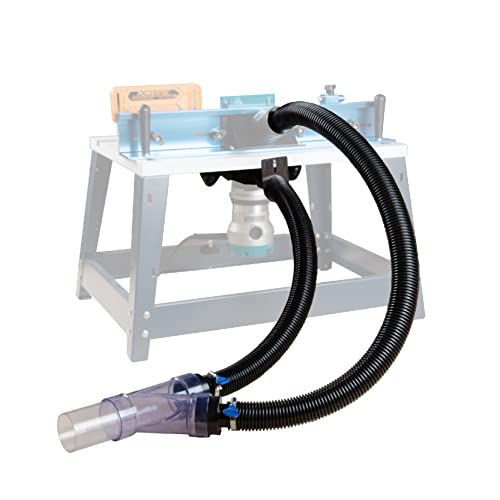
POWERTEC Dust Collector Fittings Router Table System

POWERTEC 2-1/2 Inch Dust Collection Fittings Kit

POWERTEC 6 x 20 Dust Collection Hose

POWERTEC 6 x 5 Dust Collection Hose
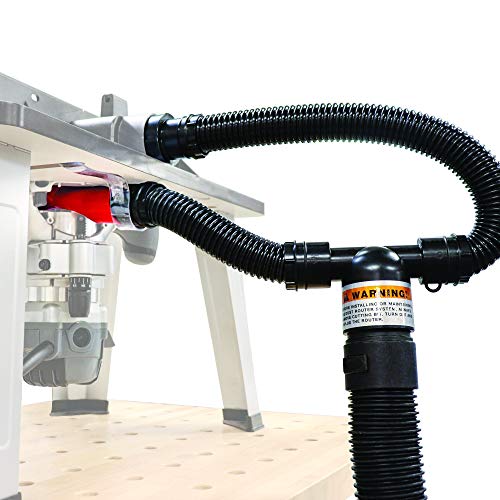
Milescraft 1501 Dust Router

Rockler Dust Right Dust Separator
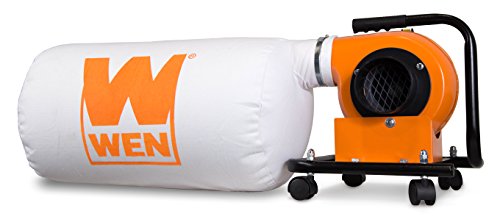
WEN Woodworking Dust Collector DC3401

DEWALT 6 Gallon Dust Separator DXVCS002
This set makes sense for you if your router table needs a cleaner path from bit to vacuum hose. It’s built around fittings, reducers, Y pieces, and hose connections, so the real value sits in compatibility rather than drama.
POWERTEC also calls out fitment around BOSCH PR20EVS, Makita, and Porter Cable handheld routers, while noting it won’t suit lift-router tables. That narrow focus helps in a small shop, though it also means you should match your router model before assuming a snug fit.
What We Like
- Useful for tying a router table into a shop vac setup.
- Y fittings help you shape a cleaner hose layout.
- The reducer approach can save space in tight work zones.
- Compatible router references make the fit target clearer.
Points To Note
- It does not work with lift-router tables, so the fit scope is narrow.
- You’ll want to check your router and hose size before ordering.
Feature Rundown
Who It Suits Best
You benefit most from this set when you already own a compatible handheld router and want a tidier dust path around a compact bench setup.
A Better Fit Elsewhere
POWERTEC 2-1/2 Inch Dust Collection Fittings Kit suits you better when you need a broader three-machine layout instead of router-specific parts.
After the router-specific first pick, this kit looks like the more flexible shop organizer. It’s aimed at 2-1/2 inch dust collection hose setups and gives you the parts needed to manage air flow across multiple machines.
The blast gates matter here, because they let you close off unused branches instead of bleeding suction through every line at once. Stainless steel hose clamps are a nice practical touch, though the whole setup still depends on your existing hose and machine ports being in the right range.
Highlights
- Designed for a three-machine setup, which helps multi-tool shops stay organized.
- Blast gates make branch control more straightforward.
- Stainless steel clamps add a sturdier feel at the connection points.
- 2-1/2 inch sizing fits many small-shop vac and dust lines.
Small Caveats
- It depends on your current hose sizes and machine ports.
- Outfitting several machines can take a bit of planning.
Core Details
Built With In Mind
You’ll get the most from this kit in a small woodworking shop where several tools share one dust path and you want simple branch control.
Swap It Out When
POWERTEC 6 x 20 Dust Collection Hose makes more sense when your focus is long hose runs rather than fittings and gates.
Long hose runs can be awkward, and that’s where this 6 inch, 20 foot hose starts making sense. It gives you distance for larger shop layouts, so your collector can sit in one corner while the machine work happens somewhere else.
The trade-off is plain enough: a long hose is handy, but it also takes more space to route and store. You may find it best in a garage shop or basement setup where the machine layout stays fixed, not in a cramped bench corner.
Reasons To Buy
- The 20-foot reach supports larger work areas.
- Six-inch sizing suits higher-volume dust lines.
- Useful for keeping a collector farther from the work zone.
- Helps reduce the need for extra hose extensions.
Worth Noting
- Storage can be cumbersome because of the hose length.
- You’ll want enough room to avoid tight bends.
At A Glance
Who Will Love This
You’ll appreciate this hose most in a fixed workshop layout where distance matters more than compact storage.
Look Elsewhere When
POWERTEC 6 x 5 Dust Collection Hose is the tighter fit for small benches, mobile carts, and shorter reaches.
This shorter hose is the practical sibling to the 20-foot model, and that difference matters fast in a crowded garage. The 6 inch flexible PVC build gives you reach without piling on extra hose to coil, drag, or stash after the job.
POWERTEC also mentions garage use and even a cyclone separator connection, which makes the hose more versatile than a single-purpose line. The honest read is that short length helps convenience, but you’ll want to measure twice in case your machine sits farther away than expected.
Upsides
- Shorter length is easier to manage in small spaces.
- Flexible PVC can simplify placement around benches and carts.
- Works well where quick setup and takedown matter.
- The 6 inch size matches bigger dust paths cleanly.
Areas To Watch
- Five feet can feel short in a spread-out shop.
- Less reach means less tolerance for awkward machine placement.
Details At A Glance
Who Should Grab It
You’ll get the most value from this hose in a compact bench setup or a garage where the collector sits close to the machine.
Reach For A Different Pick When
POWERTEC 6 x 20 Dust Collection Hose is the better move for a larger shop that needs long-distance routing.
Router-table work leaves fine mess in all the wrong places, so a dedicated dust solution can save a lot of cleanup time. This Milescraft setup keeps the focus on that one job, which is exactly why it feels different from the hose-and-fitting pieces earlier in the list.
It suits you best when your router table stays put and you want a cleaner work surface without assembling a mixed bag of separate parts. The trade-off is also clear, because a dedicated system like this has less flexibility than a hose kit you can reconfigure across tools.
Best Bits
- Built specifically around router-table dust control.
- Reduces the need to improvise with separate fittings.
- Cleaner fit for a fixed table setup.
- Good match for routine bench routing work.
Room For Improvement
- Less versatile than a multi-purpose hose kit.
- Best suited to a dedicated router table area.
Quick Facts
The Right Fit
You’ll like this best when your router table is a permanent part of the shop and you want a purpose-built cleanup solution.
Another Choice May Suit
POWERTEC 2-1/2 Inch Dust Collection Fittings Kit works better for a shop that needs one setup to serve several machines.
A separator is one of the easiest ways to make a shop vac feel less overworked, and this Rockler setup follows that idea closely. By giving dust and chips somewhere else to land before they hit the vac, it can help keep filters from loading up so fast.
The included 36 inch hose and 10 gallon bucket make it feel more complete than a bare separator head. You may find the bucket size handy in a dusty garage shop, though it still asks for floor space and a little routine emptying.
What We Like
- Separator setup helps keep debris out of the vac stream.
- The 36 inch hose adds useful connection reach.
- A 10 gallon bucket gives you a larger collection base.
- Good fit for heavy dust cleanup around woodworking tools.
Softer Spots
- The bucket footprint takes up room on the floor.
- Emptying the container is part of regular upkeep.
Spec Overview
Whose Shelf It Belongs On
You’ll appreciate this most if your shop vac sees steady use and you want an easier way to manage chips and dust before they reach the filter.
Where Shoppers Go Wrong
WEN DC3401 makes more sense when you want a full collector rather than a separator that works alongside a vac.
After the separator-focused picks, this is the first true standalone collector in the list. The 5.7-amp motor, 12-gallon bag, mobile base, and optional wall mount make it a more complete dust station for a small woodworking shop.
That mix gives you flexibility: roll it where the mess happens, or mount it out of the way and keep floor traffic clearer. The trade-off is size and setup effort, so it suits a space where you have room for a dedicated collector rather than a carry-around vac solution.
Bright Spots
- Standalone collector format suits a dedicated shop corner.
- Mobile base helps move it around a workspace.
- Optional wall mount adds placement flexibility.
- 12-gallon bag gives you a useful collection capacity.
Honest Caveats
- It takes more room than hose-only or separator picks.
- Wall mounting or rolling placement needs some planning.
Key Specs
Made For
You’re the right fit for this collector if your shop needs a dedicated dust unit and you have the room to place it with purpose.
Where A Sibling Pick Shines
DEWALT DXVCS002 is the simpler choice when you want a separator that pairs with a wet/dry vac instead of a full collector.
This DEWALT separator is aimed at people who already rely on a wet/dry shop vac and want less clogging before debris reaches the filter. The 6 gallon barrel, caster base, and dual port sizing make it feel designed for workshop movement rather than a fixed corner.
It also stands out for the broad list of materials it’s meant to handle, from wood chips to ash and metal shavings. That versatility is useful in a mixed-use garage, although you’ll still need to keep up with emptying and hose checks like any separator setup.
Strong Points
- Separator design helps keep larger debris out of the vac.
- Four caster base makes repositioning simple.
- Dual port sizing broadens compatibility with common vac setups.
- Works well in mixed garage and workshop cleanup jobs.
- Heat-resistant material references add confidence for rugged use.
Minor Gripes
- It still needs regular emptying, especially in chip-heavy jobs.
- You’ll want to confirm port size before pairing it with your vac.
Core Details
Who It Suits Best
You’ll get the most from this separator if your cleanup routine already revolves around a wet/dry vac and you want an easier way to manage debris before the filter.
Where Shoppers Go Wrong
Rockler Dust Right Dust Separator is the more bucket-centered path when you want a larger 10 gallon collection base.
How To Choose The Right Dust Collection Systems
Match The System To Your Shop Layout
Start with how your tools sit in the room. A fixed router table, a wall-mounted collector, and a rolling cart all call for different hose lengths and connection styles.
Long hoses help in bigger spaces, but they also take more room to store and route. Short hoses feel tidy near a bench, though they can leave you short on reach in a spread-out garage.
Think In Terms Of Airflow And Port Size
Port size shapes how well parts fit together, especially around shop vacs, separators, and machine dust ports. A 2-1/2 inch setup is common in small shops, while 6 inch hose pieces suit larger dust lines.
That difference matters because a mismatch can leave you hunting for adapters. You want the hose, fittings, and machine ports to speak the same language, or the whole setup turns fussy.
Choose Between Full Collectors And Add-On Parts
A standalone collector like the WEN DC3401 fits a shop that needs one central dust unit. Add-on pieces, such as the POWERTEC fittings kit or the Rockler separator, make more sense when you already own a vacuum or collector and need to improve the path.
That split also affects maintenance. Full collectors ask for more floor space and setup, while add-ons can be easier to place but depend more on the equipment you already have.
Buy For The Work You Actually Do
Table routing, cabinet work, and sanding cleanup each place a different load on the system. Router-table users tend to care most about exact fit, while heavier dust makers benefit more from separators, larger bags, or longer hose runs.
The smartest choice usually feels boring in the best way. It fits your machines, matches your space, and doesn’t make cleanup another puzzle to solve after the job is done.
Things Worth Knowing First
Traps First Timers Fall Into
One common mistake is buying a hose or fitting before checking the port size on the tool. Another is overlooking storage, which becomes obvious once a 20-foot hose lands in a small garage.
You can avoid most of that by measuring the machine, the collector, and the path between them. The cleanest setup is usually the one that leaves enough slack without turning the floor into a tangle.
The Upgrade Payoff
Higher-tier dust setups usually cost more because they bring better materials, more stable bases, and more complete connection hardware. A separator with a bucket, hose, and casters gives you more than a bare shell, and a dedicated collector gives you a more finished station.
That extra money tends to matter most in busy shops, where frequent emptying, moving, or reconfiguring would get old fast. For light weekend use, a simpler hose or fitting kit can be enough.
Frequently Asked Questions
What size dust setup works best for a small woodworking shop?
A 2-1/2 inch hose or fittings kit usually fits compact spaces well. Larger 6 inch hoses make more sense once the shop layout and machine ports call for higher-volume routing.
Do you need a separator with a shop vac?
A separator helps keep chips and heavier debris out of the vacuum filter path. That can make cleanup easier in woodworking spaces where dust loads build fast.
What’s the main difference between a hose kit and a full collector?
A hose kit helps you connect and route air between tools and a vacuum or collector. A full collector gives you a dedicated dust station with its own motor and collection bag.
Why does hose length matter so much?
Length affects how far your collector can sit from the machine. Too short, and the layout feels cramped, too long, and storage becomes a headache.
Can one setup handle both router tables and general shop cleanup?
Yes, but the fit depends on the parts you choose and the machine ports involved. A router-specific kit and a vacuum separator solve different problems, so the better answer usually depends on the tool you use most.
Closing Thoughts
Your best dust setup is the one that fits your machines without turning the shop into a parts puzzle. Router-table users will lean toward purpose-built fittings, while bigger garages often benefit from longer hoses, separators, or a full collector. Start with the tool you use most, then build outward from there. That keeps the whole setup calmer, cleaner, and easier to live with.




