


Dust control gets messy fast in a garage, woodworking shop, or renovation space, and the right setup saves you from constant filter clogs and sweeping marathons. Some of these picks are full vacs, some are separators, and one is a useful accessory kit, so you can match the tool to the job instead of forcing one machine to do everything. The mix here leans practical: portable cleanup, wall-mounted convenience, cyclone-style separation, and shop-ready dust collection for different spaces and budgets.
Quick Look At The Shortlist

Vacmaster Beast Series VFB511H 0201 5-Gal Wet/Dry Vac

DEWALT Portable 6 Gallon Wall-Mounted Garage Vacuum DXV06G

Rockler Dust Right Dust Separator with 36-Inch Hose and 10-Gal Bucket
WEN Woodworking Dust Collector DC3401 12-Gallon Bag

DEWALT 6-Gallon Dust Separator DXVCS002
Festool CT Midi I HEPA Bluetooth Dust Extractor 574837

DEWALT Dust Extractor Accessory Kit DWV2759 5-Piece

DEWALT 10-Gallon Cyclone Dust Separator DXVCS003
More Details On Our Top Picks
The Vacmaster Beast Series fits the person who wants a straightforward wet-dry vac for garage dust, sawdust, and spill cleanup. The 5-gallon tank keeps the footprint manageable, while the 5.5 PHP motor tells you this pick is aimed at real cleanup work, not light dusting. It’s a sensible match for a busy garage where storage space matters.
The honest read is that a compact tank can fill quickly during heavier sessions, so this is better as a regular cleanup tool than a whole-shop collector. Still, for small workspaces or mobile use, that trade-off makes sense, and the Vacmaster feels more practical than bulkier units when you need to stash it away fast.
Strong Points
- 5-gallon capacity keeps the body easy to store.
- 5.5 PHP gives you a strong cleanup setup for debris and liquid messes.
- Good fit for garage corners where space is tight.
- Works well as a grab-and-go vac for routine shop messes.
Things To Consider
- The smaller tank means more frequent emptying during heavier jobs.
- It makes more sense for cleanup than for stationary dust collection.
Feature Snapshot
Who It Suits Best
Garage users, weekend fixers, and anyone who wants a compact cleanup vac with serious pull will feel at home with this one.
A Better Fit Elsewhere
DEWALT 10-Gallon Cyclone Dust Separator DXVCS003 suits woodworkers who generate a lot of chips and want more separation before debris reaches the vac.
The wall-mount angle changes the whole story here, because you get floor space back in a garage that already feels crowded. A 6-gallon tank lands in a comfortable middle ground, and the 5 horsepower rating gives this model a more serious feel than many small shop vacs. For a home shop with a designated cleanup spot, that setup is very appealing.
You may find the fixed placement less flexible than the Vacmaster if your cleanup happens in different parts of the property. Still, DEWALT’s format makes storage cleaner and the hose setup easier to live with when you want one dedicated station for dust and debris.
What We Like
- Wall-mounted design helps keep floors clear.
- 6-gallon capacity gives you a usable middle size for routine messes.
- 5 horsepower is a solid match for garage and workshop cleanup.
- Good fit for a permanent cleanup station.
Room For Improvement
- Less convenient than a portable vac for work across multiple spaces.
- Wall placement asks for a bit more planning up front.
Details At A Glance
Made For
Garage owners who want a fixed cleanup station and do not want another floor-standing machine taking up room will get the most from this pick.
Look Elsewhere When
Vacmaster Beast Series VFB511H 0201 fits better for someone who wants a lighter grab-and-go vac instead of a mounted setup.
This is the kind of accessory that makes a regular shop vac feel more specialized. The separator sits between the vac and the debris stream, so larger chips and heavier material can be caught before they load up the main filter, and that can mean less clogging during woodworking cleanup. The included 36-inch hose and 10-gallon bucket make it a more complete setup than a bare separator.
For a woodshop, that extra buffer is helpful, though the bucket adds another piece to empty and manage. Compared with the Vacmaster or DEWALT vacs, this pick makes sense when you already own a shop vac and want to improve its dust handling rather than replace it.
Upsides
- Helps separate larger debris before it reaches the vacuum.
- Can reduce filter loading during chip-heavy projects.
- 36-inch hose adds reach in a shop layout.
- 10-gallon bucket gives collected material more room.
- Good upgrade path for a vac you already own.
Minor Gripes
- It adds another container to empty and maintain.
- Works best as part of a larger vacuum setup.
Core Details
The Right Fit
Woodworkers who already own a capable shop vac and want cleaner filter management will appreciate this more than someone shopping for a whole new machine.
Another Choice May Suit
WEN DC3401 fits better for a small woodworking area that needs a full dust collector rather than a separator attachment.
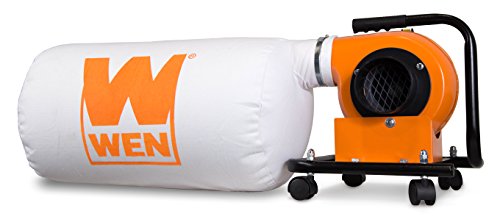
The WEN DC3401 shifts from simple cleanup to true woodworking dust collection. A 5.7-amp motor and 12-gallon bag make it better suited to saws, sanders, and benches that throw off steady debris, and the mobile base helps it follow the work instead of sitting in one awkward corner. The optional wall mount gives you another storage path, which matters in a small shop.
Compared with the separator-based Rockler pick, this is the better fit when you want a dedicated collector rather than an add-on. The honest trade-off is that more shop-focused gear usually asks for more setup and maintenance, so it suits people who keep a regular woodworking station rather than occasional cleanup jobs.
Highlights
- 12-gallon bag gives you more collection capacity than the smaller vacs.
- Mobile base helps it move around a shop without much fuss.
- Optional wall mounting adds storage flexibility.
- Better match for woodworking dust than general-purpose cleanup tools.
Worth Noting
- Needs more space than a compact wet-dry vac.
- Best suited to people with a steady woodworking routine.
- Bag-based collection means you’ll want to stay on top of maintenance.
Technical Sheet
Built With In Mind
Home woodworkers with a fixed bench area and regular sawdust cleanup needs will get the most value from this collector.
Where A Sibling Pick Shines
DEWALT 6-Gallon Dust Separator DXVCS002 suits a shop that already relies on a wet-dry vac and only needs better filtration support.
This separator is built for people who already depend on a wet-dry shop vac but want the filter to stay cleaner for longer. The bucket-style design catches wood chips and other debris before they reach the vacuum, and that can save time on cleanup between jobs. The four-caster base also makes it easier to roll around a garage or workshop without dragging the whole setup.
The 1-7/8-inch and 2-1/2-inch port compatibility gives it a useful range, though you’ll still want to confirm your vacuum connection before you commit. Compared with the Rockler separator, this DEWALT model feels more like a broad utility piece for mixed materials and less like a shop-specific accessory bundle.
Best Bits
- Helps keep chips out of the vacuum filter.
- Can cut down on clog-related maintenance.
- Four-caster base makes it easier to move.
- Works with 1-7/8-inch and 2-1/2-inch ports.
- Useful for mixed cleanup in garage and shop spaces.
Softer Spots
- Needs a compatible connection, so port sizing matters.
- Still adds another piece to empty and keep organized.
Feature Card
Whose Shelf It Belongs On
Shop vac owners who want easier filter care and a tidier cleanup routine will get the most out of this separator.
Skip It When
Festool CT Midi I HEPA Bluetooth Dust Extractor fits better for a dust-control setup that leans toward premium extraction and a more specialized tool ecosystem.
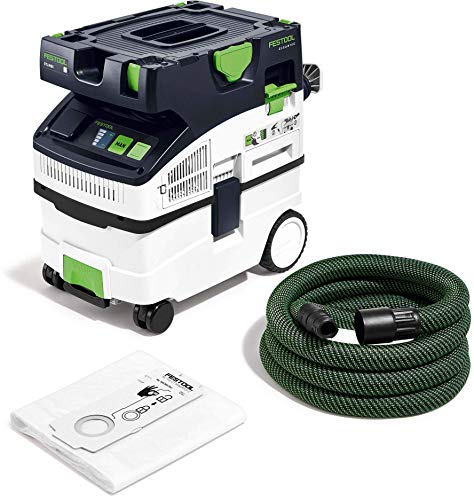
The Festool CT Midi I stands apart because it sits in the more refined end of dust extraction, where clean airflow, workspace control, and tool integration matter a lot. HEPA means high-efficiency particulate air filtration, so the filtration setup is built with finer dust handling in mind, and Bluetooth adds a convenient control layer for compatible workflows. In a professional shop, that combination feels organized rather than fussy.
The trade-off is simple: this is a more specialized pick than the DEWALT vacs and separators above, so it makes the most sense in a shop that already values premium dust management. You may not need this much refinement for casual cleanup, but in a busy work area it can feel like the polished option that keeps the station calmer and cleaner.
Bright Spots
- HEPA filtration setup suits finer dust control needs.
- Bluetooth control adds convenience for supported workflows.
- Well matched to professional or highly organized shops.
- Feels more purpose-built than a general cleanup vac.
Small Caveats
- Most useful in a shop that already needs a more advanced setup.
- Less necessary for simple garage cleanup.
Spec Overview
Who Should Grab It
Pros who want a more refined dust extraction setup and already work inside a compatible tool system will get the clearest benefit here.
Reach For A Different Pick When
DEWALT 6-Gallon Dust Separator DXVCS002 is the easier match for a standard shop vac that just needs better chip handling.
Not every dust-control upgrade has to be a machine, and this five-piece kit proves that point. It’s aimed at people who already use DEWALT extractors and need the right cleanup pieces to keep the setup working smoothly, especially around attachment changes and day-to-day shop use. In practice, accessory kits often save frustration by filling the gaps that a bare extractor leaves behind.
The limitation is obvious, though, because this is not a standalone extractor or separator. Compared with the bigger units in this roundup, it makes sense as a companion purchase for owners who already have the main machine and just want better compatibility and reach.
Reasons To Buy
- Five-piece bundle covers common attachment needs.
- Useful for keeping a DEWALT extractor setup more complete.
- Helps round out day-to-day shop cleanup tasks.
- Small size makes storage simple.
Areas To Watch
- Works as an accessory set, not a full extractor.
- Best value depends on already owning compatible gear.
Key Specs
Best Suited To
DEWALT extractor owners who need extra attachments for routine shop work will get more out of this than someone shopping for a full machine.
Where Shoppers Go Wrong
Vacmaster Beast Series VFB511H 0201 makes more sense for anyone expecting a standalone cleanup tool rather than add-on pieces.
This cyclone separator is the bigger, more debris-friendly sibling to the 6-gallon DEWALT separator earlier in the list. Cyclone-style separation helps spin heavier material away from the airflow before it reaches the vacuum, which is especially useful in woodshops that produce steady chip volume. A 10-gallon capacity gives you more breathing room before emptying, and that matters in larger cleanup sessions.
The main trade-off is size, because larger capacity usually asks for more floor space and a little more attention to setup. For a busy workshop with a regular debris load, though, that extra room can be exactly what keeps your vac from feeling overworked.
Standout Traits
- Cyclone separation helps keep heavier debris away from the vacuum.
- 10-gallon capacity supports longer cleanup sessions.
- Useful for shops that create a lot of chips and dust.
- Pairs well with a wet-dry shop vac setup.
Points To Note
- Needs more room than a smaller separator.
- Best suited to regular workshop use rather than occasional light cleanup.
Feature Rundown
The Right Fit
Woodworkers and garage users with heavier debris loads will appreciate the added capacity and separation more than casual cleanup users.
A Better Fit Elsewhere
DEWALT 6-Gallon Dust Separator DXVCS002 suits smaller shops that want a lighter separator with a smaller footprint.
How To Choose The Right Dust Extractors
Match The Tool To The Mess
Cleanup tools in this category serve different jobs, and that distinction matters more than brand name. Wet-dry vacs like the Vacmaster and the wall-mounted DEWALT handle general debris and spills, while separators such as the Rockler and DEWALT units sit between the vac and the mess to keep filters from loading up too fast. Dust collectors like the WEN move the conversation toward woodworking stations, where sawdust shows up all day instead of in one burst.
Your workspace should guide the choice. A garage with occasional cleanup needs a different setup from a table saw corner that throws off dust every afternoon. The right match saves space, cuts maintenance, and keeps you from paying for features you won’t use.
Think About Capacity And Footprint
Tank or bucket size shapes how often you empty the system, and that changes the daily rhythm. A 5-gallon vac is easier to stash, while a 10-gallon separator or 12-gallon dust collector gives you more room before you stop to clean out the unit. Bigger usually helps in busy shops, but it also asks for more storage space and a little more planning.
Placement matters just as much as volume. Wall-mounted units suit tidy garages, mobile bases fit workshops that shift from one bench to another, and accessory kits make more sense when the main extractor is already in place. The best fit is the one that feels easy to live with after the first week.
Look Closely At Filtration And Compatibility
Fine dust is where the details start to matter. HEPA filtration, which stands for high-efficiency particulate air, is a sign that the extractor is built with smaller particles in mind, while separators focus on catching larger debris before it reaches the vacuum. That difference affects filter life, cleanup frequency, and how much attention the system needs over time.
Compatibility can be the hidden make-or-break point. Port sizes such as 1-7/8 inches and 2-1/2 inches help determine whether a separator works cleanly with your vac, and accessory kits make the most sense when they match an existing tool line. A little checking here prevents a lot of hassle later.
Choose For Your Real Routine
Weekend DIY work calls for simplicity, while a regular woodworking schedule rewards a more purpose-built setup. If your cleanup happens all over the house or yard, a portable wet-dry vac usually feels easier to manage. For a fixed shop station, a collector or separator often makes better long-term sense.
Noise, maintenance, and emptying frequency also belong in the decision. The most convenient product is not always the most compact or the most specialized, it’s the one that fits the way you actually work.
Things Worth Knowing First
Wrong Turns To Avoid
Shoppers often focus on suction talk and ignore how the machine will be stored or emptied. That’s a mistake in a small garage, because a great unit that has nowhere to live quickly becomes a nuisance. Port compatibility gets overlooked too, especially with separators and accessory kits that depend on a matching vacuum setup.
Another common slip is buying a full dust collector when a separator would do the job. The reverse happens too, where someone expects a simple shop vac to behave like a purpose-built woodworking system. Matching the tool to the mess keeps the setup sensible.
The Upgrade Payoff
Higher-tier models usually cost more because they add refinement, not just size. Better filtration, stronger collection design, sturdier rolling bases, and more polished fit with specific workflows all raise the value of the unit. That extra money often goes toward keeping filters cleaner and cleanup smoother.
Spending up makes sense in a shop that runs often or generates heavier debris. For casual garage cleanup, the premium can feel unnecessary, but for regular woodworking or fine-dust work, the extra structure pays off in day-to-day convenience.
Frequently Asked Questions
What makes a dust extractor different from a regular shop vac?
A dust extractor is usually aimed more directly at tool dust and shop collection, while a shop vac is often broader in cleanup use. Separators and collectors push the setup even further toward managing sawdust and chips before they clog filters.
Do separators replace a vacuum?
No, a separator works with a vacuum instead of replacing it. You add it to improve debris capture and reduce how quickly the vacuum filter loads up.
Is HEPA useful for woodworking dust?
HEPA filtration matters when you want finer dust handling in a workshop. It does not change the machine into a miracle fix, but it does show a more serious filtration setup.
What size works best for a small garage?
A compact wet-dry vac around 5 to 6 gallons usually fits a small garage better than a large collector. Wall-mounted designs also help when floor space is tight.
Should you get a separator or a full collector?
A separator suits you when you already own a solid vacuum and want to improve debris management. A full collector makes more sense for a shop that produces dust all the time.
Final Thoughts
The best dust control setup depends less on the label and more on your space, your tools, and how often you clean up. A small garage usually does well with a compact wet-dry vac, while a woodworking area benefits from a separator or dedicated collector that keeps filters from getting buried in debris. For a premium shop workflow, the Festool stands apart, but most home setups will feel more comfortable with the DEWALT or WEN options. Match the machine to the mess, and the whole job gets a lot easier.




