Clean borders change the way a yard, a paint job, or a craft project feels. You get sharper edges, less wobble, and a finish that looks planned instead of patched together. The mix here covers lawn edging, crack cleanup, wall paint cut-in, woodworking, and tumbler craft, so you can match the tool to the task instead of forcing one shape to do everything. A few are built for hard outdoor work, while others are better suited to detail work on a bench or table.
Quick Look At The Shortlist
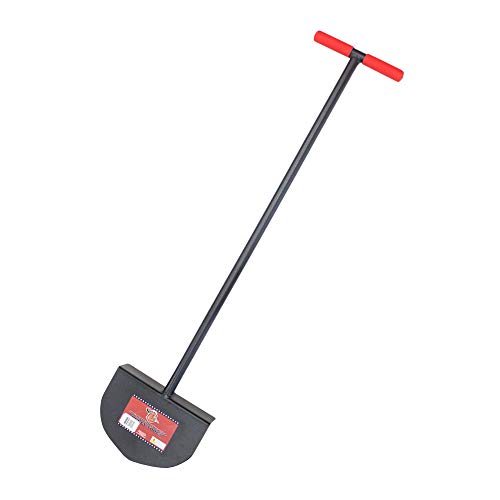
BULLY TOOLS 12-Gauge Manual Lawn Edger 61.5" Steel Grip

Root Slayer 22711 XL Serrated Garden Edger

Root Slayer 22611 Serrated Garden Edger

SWANSOFT Crack Weeder Stainless Steel Crevice Tool

RSL43 Paint Edge Trimmer Plus Two Replace Pads

JORGENSEN Chamfer Plane Edge Corner Plane

Cup Edging Tool Tumbler Edge Trimmer
More Details On Our Top Picks
The straight steel shaft and T-style grip make this feel built for yards that get a real workout, not just a trim now and then. At 61.5 inches, it gives you reach that helps keep your back straighter while you work along beds, driveways, or a gravel edge.
The 12-gauge steel points to a thicker metal build, which usually matters most in packed soil and border cleanup. The honest trade-off is that a heavier manual edger asks more from your arms, so this suits steady weekend work better than quick touch-ups.
Strong Points
- Steel construction suits repeated outdoor use.
- Long handle helps reduce bending over borders.
- T-style grip gives you two-handed control.
- Works well for lawn edges, shallow trenches, and sod cuts.
Small Caveats
- Manual effort is part of the package.
- Heavier build can feel tiring during long runs.
- Steel tools need basic cleaning and dry storage after wet use.
Feature Snapshot
Who It Suits Best
Long-driveway owners and gardeners who want a sturdy manual tool for regular border work will get the most out of it.
A Better Fit Elsewhere
Root Slayer 22611 Serrated Garden Edger makes more sense for you if you want a lighter-feeling manual option for routine edging rather than thicker steel heft.
The serrated blade shape gives this one a more aggressive stance than the simpler straight-edged tools in the list. In a yard with compacted soil or stubborn border growth, that extra tooth can matter more than a polished-looking handle.
The XL sizing also suggests a tool aimed at bigger edging jobs, not delicate trimming around a tiny patio. That makes it a strong fit for someone who wants more bite from a manual tool, though the sharper profile may feel like more tool than you need for light upkeep.
What We Like
- Serrated edge helps cut through dense material.
- XL format suits broader edging tasks.
- Manual operation avoids fuel and cord hassle.
- Good match for rougher soil conditions.
Points To Note
- More aggressive design may be overkill for tidy, soft lawns.
- Manual use still depends on your own pressure and rhythm.
Core Details
Who Should Grab It
You get the most from this pick when your yard has dense edges, packed ground, or a lot of border work to clear in one go.
Swap It Out When
BULLY TOOLS 12-Gauge Manual Lawn Edger is the better match for you if a longer handle and more upright stance matter more than a serrated blade.
This version leans toward the same serrated-family approach as the XL model, but it reads as the more routine-minded option. For regular border shaping around sidewalks, beds, or driveways, that quieter manual setup can feel easier to live with.
The powder-coated carbon steel blade is the detail that matters most here, since the coating helps the metal hold up better over time. You also get a fiberglass shaft with a non-latex grip, which should feel steadier in hand than a bare-metal shaft during repeated pushes.
Highlights
- Serrated blade helps with compact soil and shallow roots.
- Carbon steel blade adds strength for yard edging.
- Fiberglass shaft keeps the tool from feeling overly harsh in hand.
- Good for straight runs and curved landscape borders.
Worth Noting
- Manual edging means slower progress than powered gear.
- Blade care matters, especially after damp garden work.
Details At A Glance
Built With In Mind
Home gardeners who want one manual tool for regular border cleanup and tidy finishing work will find this one easy to place in the shed.
Another Choice May Suit
Root Slayer 22711 XL Serrated Garden Edger suits you better if your edging runs are bigger and you want the larger format from the same family.
This tool shifts the job from broad lawn edges to the narrow spaces that collect grit and growth. Around sidewalk joints, driveway seams, and tight garden cracks, a slim stainless tool like this often makes more sense than a full-size edger.
The ergonomic handheld shape should suit detail work where control matters more than reach. One thing worth considering is that crevice tools usually reward regular upkeep, because packed debris can build up fast in tiny gaps.
Reasons To Buy
- Stainless steel build fits repeated use in wet outdoor spaces.
- Thin profile helps reach narrow cracks and seams.
- Handheld format gives close control for detail work.
- Useful for cleanup around pavement and garden borders.
Room For Improvement
- Smaller format is not meant for long border runs.
- Needs cleaning after gritty crack work to stay easy to handle.
Technical Sheet
Whose Shelf It Belongs On
You benefit most here when your yard work centers on paving cracks, patio seams, or other tight spaces that a larger edging tool cannot reach.
Where A Sibling Pick Shines
Yard Butler Step Edger is the better match for you if you want to shape long lawn lines instead of working in narrow crevices.
This one lives in a different world from the lawn tools, but the edging idea is the same, clean lines without a shaky finish. For wall and ceiling cut-in work, the pad-based approach is handy because it gives you more controlled coverage than a brush on its own.
The swivel head and extension-pole compatibility make it easier to handle corners, tall edges, and awkward reaches. Two replaceable pads also matter in day-to-day ownership, since spare pads keep the tool useful after the first pad starts wearing down.
Best Bits
- Pad applicator format helps create crisp paint borders.
- Swivel head supports awkward angles and trim lines.
- Works with extension poles for higher spots.
- Two replaceable pads add practical staying power.
Areas To Watch
- Pad tools need careful loading to avoid uneven paint edges.
- Best suited to detail work, not broad wall coverage.
Feature Card
Right Fit For
Home painters who care about tidy cut-in lines along ceilings, trim, and corners will get the most value from this one.
Look Elsewhere When
JORGENSEN Chamfer Plane Edge Corner Plane is the smarter pick for woodworking tasks, especially when your work is all about shaping wood edges rather than painting them.
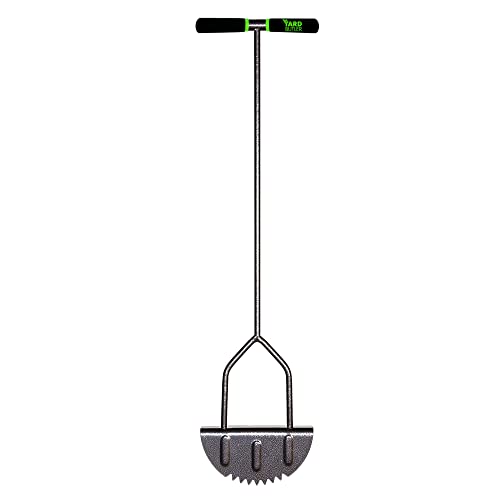
The step-driven design makes this feel very straightforward, which is part of its appeal. You press with your foot, guide the line, and get the kind of crisp edge that suits sidewalks and planted beds without extra gadgetry.
The cushioned handles and powder-coated steel frame push it toward repeat use in ordinary home yards. It is not the lightest-feeling path to edging, yet for steady spring and summer maintenance, the layout keeps the job simple.
Upsides
- Foot-operated design supports controlled edging.
- Powder-coated steel helps resist rust.
- Cushioned handles improve comfort during repeated use.
- Good fit for clean lines along beds and walks.
Softer Spots
- Foot-powered style still asks for physical effort.
- Best for basic lawn lines, not narrow detailing.
At A Glance
The Right Fit
You will like this most when you want a simple lawn edging tool for regular neighborhood-yard maintenance.
Skip It When
SWANSOFT Crack Weeder Stainless Steel Crevice Tool fits better for tight seams and pavement cracks where a full step edger would be awkward.
Woodworking edging asks for a different kind of precision, and this plane fits that world better than the yard tools above. The chamfer shape is meant for trimming corners and softening edges, so it suits carpentry benches, small shop projects, and finish work.
The built-in storage for four cutter heads gives it a practical edge for anyone who likes keeping accessories together. The trade-off is that a hand plane rewards careful setup and patient strokes, so it suits detail-minded work more than fast rough shaping.
Bright Spots
- Chamfer design helps shape wood edges cleanly.
- Four cutter heads give you more setup flexibility.
- Built-in storage keeps extra heads together.
- Good fit for carpentry finishing and corner work.
Minor Gripes
- Hand-plane use depends on steady technique.
- More useful for finish work than heavy stock removal.
- Tool organization matters so the cutter heads stay easy to find.
Quick Facts
Perfect Match For
Carpenters and hobby woodworkers who want controlled edge trimming and corner flattening will appreciate what this brings to the bench.
Reach For A Different Pick When
RSL43 Paint Edge Trimmer Plus Two Replace Pads makes more sense for painted walls, especially in rooms where the edge work is all about clean lines rather than wood shaping.
This is the most specialized item in the mix, and that narrow focus is exactly why it makes sense. For tumbler craft, a tool that helps remove rough edges and mark a level line can save time during repeat projects and keep the finished rim looking more deliberate.
The integrated line-drawing approach also sets it apart from the yard and paint picks above. The trade-off is simple, though, since a craft-specific tool only earns shelf space in a workshop that actually makes those cups and tumblers.
Standout Traits
- Made for tumbler edge cleanup.
- Helps mark a level drawing line.
- Compact size suits a craft bench.
- Focused design keeps the task straightforward.
Areas To Watch
- Very narrow use case compared with the other picks.
- Best suited to craft setups, not general home repair.
Core Details
Made For
You get the most value here when your workbench is already set up for tumbler making and repeat craft finishing.
Where To Look Instead
JORGENSEN Chamfer Plane Edge Corner Plane is the better fit for woodworkers, since it handles edge shaping on lumber rather than drinkware.
How To Choose The Right Edging Tools
Match The Tool To The Material
Lawn edging, crack cleanup, paint cut-in work, woodworking, and tumbler craft all ask for different shapes. A half-moon blade suits turf and soil, a narrow crevice tool fits pavement seams, and a pad applicator makes more sense for painted trim.
Think About Reach And Body Position
Long handles matter most for yard work because they let you stay more upright. Handheld tools win in tight spaces, while step-operated models spread effort through your legs and feet instead of your wrists and forearms.
Check The Parts You’ll Live With
Blade material, grip style, and replacement parts change how a tool feels after the first session. Powder-coated steel and stainless steel generally fit outdoor chores better, while replaceable pads and built-in storage matter more in shop or paint settings.
Choose For The Job You Repeat
A tool that matches your most common task usually feels worth it fast. For weekly lawn borders, a durable manual edger makes sense, while occasional craft cleanup calls for a smaller, more focused tool that won’t crowd your storage shelf.
A Quick Reality Check
Traps First Timers Fall Into
A common mistake is buying a broad-purpose tool for a narrow job, then wondering why it feels clumsy. Another is overlooking upkeep, since steel blades, paint pads, and crack tools all work better when you clean them and store them dry.
The Upgrade Payoff
Higher-tier edging tools often spend more on steel quality, handle layout, extra cutter heads, or replaceable parts. That extra cost makes the most sense for frequent use, tougher soil, or work where cleaner control saves time on repeat passes.
Frequently Asked Questions
What kind of edging tool works best for lawns?
A manual lawn edger with a long handle suits sidewalks, beds, and driveways. For tougher ground, a serrated blade usually gives you more bite.
Do handheld crack tools replace full-size lawn edgers?
No, they serve a different purpose. A crack tool is for seams, joints, and narrow gaps, while a lawn edger handles longer border runs.
Are paint edge trimmers useful for ceiling lines?
Yes, they fit cut-in work well because the pad shape helps keep a cleaner border. Swivel heads and extension-pole support make them more practical in larger rooms.
What makes a woodworking plane different from yard edging tools?
A woodworking plane is built for shaping wood corners and smoothing edges, not cutting soil or grass. Its control matters more than reach.
Is a specialized craft edge tool worth it?
It makes sense for regular tumbler work because it fits that exact task. For general home use, a broader tool from this list will serve you better.
Final Thoughts
You get the best results from edging tools when the shape matches the job, not the other way around. The lawn picks here suit different levels of effort, the paint and craft options solve much narrower problems, and the woodworking plane fills its own niche cleanly. That kind of match-up saves frustration and usually leaves you with a tidier finish. Pick the tool that fits your most common project, and the rest of the work gets easier.