Electric hand planers earn their keep on door edges, rough boards, trim adjustments, and cleanup after a bad cut. You get a faster path to flatness and a cleaner edge, which matters whether you work in a garage shop or keep a small kit for home fixes.
This roundup focuses on cordless, corded, and specialty edge tools so you can match the tool to the job instead of forcing one shape to do everything. A compact planer can feel like a pencil sharpener for lumber, while a blade set or chamfer tool serves a very different purpose.
Quick Look at the Shortlist


FOXBC 12-1/2 Inch Planer Blades for DeWalt DW734


BOSCH PL2632K 3-1/4 In. Electric Hand Planer Kit

Saker Chamfer Plane Woodworking Edge Corner Tool
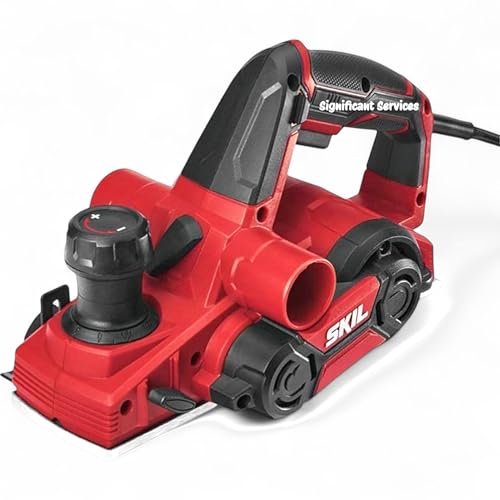
SKIL 6.5 Amp Electric 3-1/4 Inch Corded Planer PL201201
More Details On Our Top Picks
Battery-powered planers make the most sense when you’re moving between rooms, decks, or jobsite spots without a cord to babysit. The brushless motor means less internal friction than a brushed design, which usually helps with efficiency and wear, and the included 20V Max 4.0 Ah lithium-ion battery gives this one a more complete out-of-box setup.
You’ll likely appreciate the 3-1/4-inch blade path for door edges, shelves, and light stock removal. The trade-off is simple, cordless tools ask you to manage battery runtime, so this suits mobile work better than all-day production passes.
Strong Points
- Brushless design supports steadier efficiency in mobile use.
- Included battery and charger reduce setup friction.
- 3-1/4-inch cutting width fits common trim tasks.
- Good match for garage repairs away from outlets.
Things To Consider
- Cordless runtime depends on how hard you push the cut.
- Battery care adds another piece to store and charge.
- Better suited to intermittent work than nonstop bench use.
Feature Snapshot
Who It Suits Best
Mobile DIYers and homeowners who need a planer for scattered jobs around the house fit this WEN well.
A Better Fit Elsewhere
Makita KP0800K 3-1/4 In. Planer suits you better for steadier corded shop use and a more traditional bench-side routine.
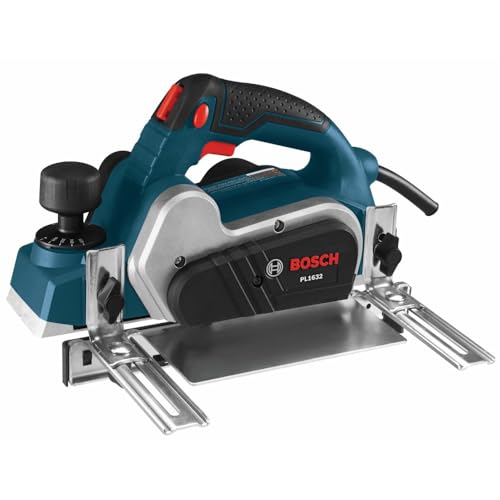
This Bosch lands in the practical middle ground, which is useful in a home shop where you want one planer to handle door nibs, board edges, and general fitting work. Its 3-1/4-inch format keeps it in the same useful size class as the WEN, but the corded layout removes battery management from the equation.
That makes it a steady choice for repeat garage sessions and projects near an outlet. The honest read is that corded convenience tends to suit longer bench time better, while the lighter mobile crowd may still prefer the WEN cordless setup.
What We Like
- Compact 3-1/4-inch format suits common trim jobs.
- Corded setup avoids charging interruptions.
- Feels well matched to routine home-shop work.
Room For Improvement
- Cord management matters in tight workspaces.
- Less convenient for jobs far from outlets.
- Tool feel depends more on corded workflow.
Core Details
Who Will Love This
Homeowners and weekend woodworkers who stay near an outlet will get the most from this Bosch.
Where A Sibling Pick Shines
WEN Cordless Planer 20653 suits you better for scattered tasks around a property where a cord would slow everything down.
This one is a replacement blade set, so the value comes from keeping a compatible planer working smoothly rather than from the tool body itself. For someone running a DeWalt DW734 in a busy shop, that kind of upkeep can matter as much as the planer housing.
It’s also the most specific item in the roundup, which narrows the fit and makes the choice easier. The trade-off is that you need the right planer model, so this belongs with owners who already know their machine and want to keep it in service.
Highlights
- Made for the DeWalt DW734 platform.
- Three-blade set supports routine maintenance cycles.
- Useful for keeping cut quality consistent over time.
Minor Gripes
- Only makes sense for the matching planer model.
- Blade installation and alignment take careful handling.
Details At A Glance
Built With In Mind
Owners of a DeWalt DW734 who want a straightforward blade replacement will find the fit narrow and useful.
Skip It When
Bosch PL1632 3-1/4 In. Planer makes more sense for someone shopping for a complete tool instead of a parts refresh.
Once you move from general home touch-ups to more frequent planing, the Makita starts to make sense. The included tool case matters more than it sounds, because a planer that travels between storage shelves and a workbench tends to stay cleaner and easier to grab.
Compared with the Bosch PL1632, this one feels aimed at users who value a tidier kit and a more polished ownership routine. You may still prefer the WEN cordless model for jobsite mobility, but for corded shop work this is the more composed choice.
Bright Spots
- Tool case supports organized storage and transport.
- 3-1/4-inch size suits familiar trim and edge work.
- Good fit for a dedicated shop shelf or tote.
- Blue housing gives it easy visual identity in a tool kit.
Softer Spots
- Case adds bulk compared with a bare tool.
- Corded format keeps you near an outlet.
- Storage care matters to protect the case and tool together.
Technical Sheet
The Right Fit
Home shops that need a tidy, corded planer with a proper storage case suit this Makita well.
Look Elsewhere When
WEN Cordless Planer 20653 suits better for work that jumps between rooms or outdoor spots.
The 6-amp class puts this CRAFTSMAN in a more forceful lane than the lighter 3-1/4-inch corded options above. That matters in rougher garage projects where you want a planer that feels ready for stubborn stock and more demanding cleanup.
Its 5/64-inch depth figure helps show the kind of material removal range you’re dealing with, though actual results still depend on feed rate and the wood itself. The trade-off is weight and cord dependence, so this one suits a more serious shop rhythm than a quick trim touch-up.
Reasons To Buy
- 6-amp motor class suits tougher material removal.
- 5/64-inch depth figure suggests useful cutting range.
- Good match for heavier home workshop work.
- Corded setup avoids charging stops.
Points To Note
- Bulk and cord management matter in smaller spaces.
- Best suited to stronger hands-on control.
Feature Rundown
Who Should Grab It
DIYers who take on rougher boards and bigger cleanup tasks in a garage shop suit this CRAFTSMAN.
Swap It Out When
Bosch PL1632 3-1/4 In. Planer is the calmer fit for lighter trim work and a smaller work area.
Kit bundles matter most when you want one purchase to feel finished, not pieced together later. Compared with the simpler Bosch PL1632, this PL2632K signals a more complete setup for someone who likes fewer missing parts and less guessing around accessories.
That makes it a sensible step-up for a hobby shop or a first serious planer purchase. The catch is that bundled kits can feel like more than you need, so casual users may be perfectly happy with a plain planer body instead.
Positives
- Kit format suits a more complete setup.
- 3-1/4-inch size keeps it in a familiar use range.
- Helpful for someone building a dedicated planer station.
- Good bridge between entry-level and more organized ownership.
Worth Noting
- Kit extras may be more than you need for light use.
- Storage takes a bit more room than a bare tool.
- Corded workflow still keeps you tied to outlets.
At A Glance
Made For
Shop owners and hobby woodworkers who like a more complete tool package suit this Bosch.
Another Choice May Suit
Bosch PL1632 3-1/4 In. Planer works better for someone who wants the plain tool without kit extras.
This Saker stands apart from the powered planers because it is built for edge shaping, not broad stock removal. The auxiliary locator helps keep the tool aligned, and the six cutter heads give you a more focused setup for corner work in a small bench station.
That narrower purpose is a plus for cabinet edges, trim corners, and detail finishing, especially when a full electric planer would be too much tool. The trade-off is obvious, though, since this is a specialty hand tool and not a replacement for a corded or cordless planer.
Best Bits
- Auxiliary locator supports steadier edge control.
- Six cutter heads give the tool a focused edge-trimming role.
- Good for chamfering corners and light finishing.
- Compact shape suits bench-top detail work.
Areas To Watch
- Only fits a narrow set of woodworking tasks.
- Not a substitute for a powered planer.
- Detail tools reward careful setup and storage.
Core Details
Whose Shelf It Belongs On
Woodworkers who focus on corner finishing and edge trimming rather than broad planing will get the most from this Saker.
Reach For A Different Pick When
SKIL 6.5 Amp Electric 3-1/4 Inch Corded Planer PL201201 suits you better for wider surface cleanup and general board flattening.
The SKIL gives you a straightforward corded planer with a 6.5 amp motor class, which places it alongside the heavier-duty CRAFTSMAN but in a more familiar 3-1/4-inch format. That mix works well for garage projects where you want dependable material removal without moving into specialty territory.
In a small shop, its plain layout is a plus because it keeps the learning curve low and the storage routine simple. You may prefer the Makita if you care more about a tool case, but for direct everyday use this SKIL keeps the focus on the cut itself.
Upsides
- 6.5 amp motor class suits routine demanding work.
- 3-1/4-inch width matches common planer tasks.
- Simple corded setup fits a bench or garage.
- Good starting point for home improvement projects.
Small Caveats
- Corded use keeps you close to power.
- Plain setup offers less carrying convenience than the Makita.
Feature Card
Best Suited To
DIYers who want a direct, no-fuss planer for garage and basement projects will feel at home with this SKIL.
Where A Sibling Pick Shines
Makita KP0800K 3-1/4 In. Planer suits you better for a neater storage setup with the included tool case.
How To Choose The Right Electric Hand Planers
Corded Or Cordless Changes The Whole Routine
Cordless planers make sense for porch repairs, trim work in unfinished rooms, and any job that moves around the house. Corded models stay simpler for longer bench sessions because you never stop to think about battery charge.
The choice is less about raw theory and more about how you work on a normal Saturday. A cordless tool like the WEN helps when mobility matters, while a corded model like the Bosch PL1632 fits a shop that stays near outlets.
Cut Width And Motor Strength Should Match The Job
Most of the full-size tools here use a 3-1/4-inch cutting width, which suits doors, shelving, and common edge cleanup. Bigger motor numbers, such as 6 amp or 6.5 amp, usually point to more demanding work, though the wood itself still controls the feel of the cut.
That matters because a heavy motor can be overkill for tiny touch-ups, while a lighter planer may feel underfed on rough lumber. The CRAFTSMAN and SKIL lean harder toward shop work, while the Bosch and WEN are easier fits for typical home tasks.
Think About Storage, Accessories, And Maintenance
Tool cases, battery packs, and replacement blades all change the ownership experience in practical ways. A case like the one with the Makita keeps the planer together with its parts, and a blade set like the FOXBC matters when your existing planer still has plenty of life left.
Maintenance is part of the category, not an afterthought. Keeping blades clean, storing the tool dry, and matching replacement parts to the exact model usually saves more trouble than chasing a fancier spec sheet.
A Quick Reality Check Before You Pick
Where Shoppers Go Wrong
Many first-timers focus on the motor number and ignore fit. A 6.5 amp tool sounds impressive, but a garage hobbyist who only trims a few doors a month may be happier with a lighter Bosch or WEN.
Another common miss is buying a specialty edge tool when a general planer is needed. The Saker chamfer plane is useful, just not for flattening broad boards.
The Upgrade Payoff
Higher-tier tools often bring better handling, sturdier storage, or a more complete kit. That extra money usually goes into convenience and day-to-day ease, not magic performance.
The upgrade makes sense for frequent use, more demanding stock removal, or anyone who wants a tidier long-term setup. The Makita and BOSCH PL2632K show that pattern clearly, while the SKIL and CRAFTSMAN keep the focus on plain workhorse value.
Frequently Asked Questions
What size planer suits most home projects?
A 3-1/4-inch planer handles doors, boards, and trim work well. That size gives you broad enough coverage without feeling oversized in a home shop.
Do cordless planers make sense for occasional use?
Yes, especially for scattered jobs around a property. The trade-off is battery management, which matters more than cord length ever will.
Is a blade replacement item useful without the planer?
Only for someone who already owns the matching machine. The FOXBC set matters because it keeps a compatible DeWalt DW734 in service.
Why do some planers come with a case?
A case helps with storage and transport, especially in a crowded garage. It also keeps the tool and its parts together instead of floating around separately.
What does amp rating tell you here?
It gives a rough sense of motor strength in corded tools. Higher numbers often suit tougher work, but fit and handling still matter just as much.
Closing Thoughts
The right planer depends on how much movement, storage help, and cutting muscle you need in ordinary use. For mobile jobs, the WEN cordless model stands out, while the Bosch and SKIL make steady sense for everyday corded work. The Makita feels more polished, the CRAFTSMAN leans harder, and the Saker fills a specialty role that the others do not. Match the tool to your space, your stock, and how often you’ll reach for it, and the choice gets much easier.