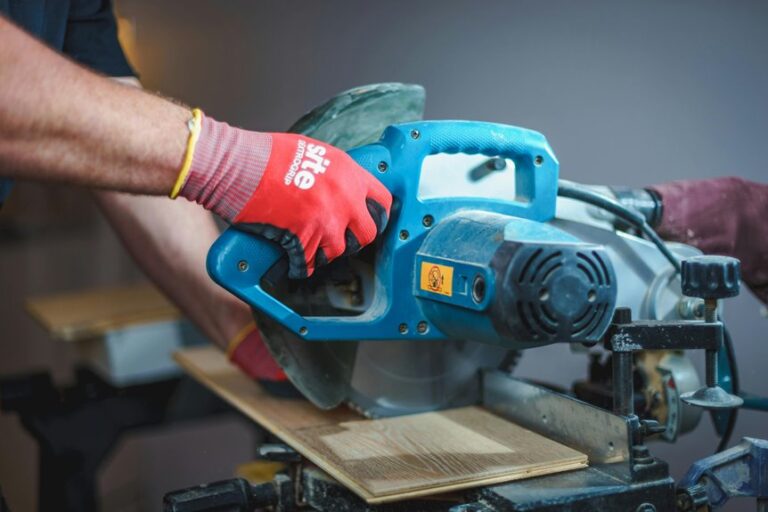
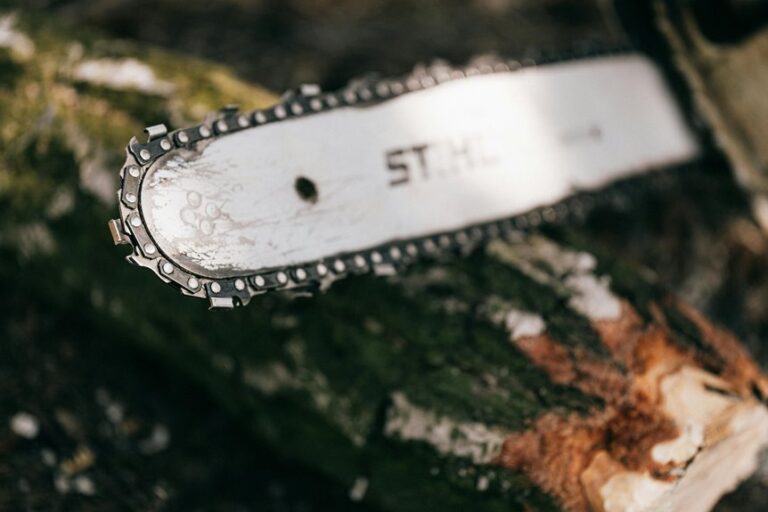
A circular saw can seem handy, but it’s one of the worst tools for a live tree because green wood can pinch the blade and throw the cut off fast. You can get a cleaner result with the right tool, and that matters more than speed when the trunk is still under tension. Before you reach for anything, you need to know when a saw turns risky, which tools work better, and how to stay out of trouble.
Is It Safe to Use a Circular Saw on a Tree?
No, a circular saw isn’t a safe tool for cutting a standing tree, especially if the tree is larger than a small sapling.
You may feel tempted to try, but that choice can put you and others in danger fast. A standing tree can shift, pinch the blade, and send the saw back at you. That risk alone makes the job unsafe, and it can also create personal liability if someone gets hurt.
On top of that, legal restrictions may apply to tree cutting on your property or near public land.
If you want to belong with the people who do this work well, choose the right tool and follow proper tree-cutting methods. You’ll protect your safety, your home, and your peace of mind.
Why Circular Saw Blades Struggle With Live Wood
Live wood holds a lot of moisture, so your circular saw blade has to fight wet fibers that drag and slow every cut.
That extra resistance can make the blade bind, which raises the chance of kickback and a jerky, uneven cut.
You may notice the saw start strong, then wander or stall as the wood closes in around the teeth.
Wet Wood Resistance
Wet wood fights back harder than dry wood, and that’s a big reason circular saw blades struggle with live trees.
When you cut fresh wood, its high moisture content keeps the fibers soft, heavy, and springy. At the same time, sap viscosity can gum up the teeth, so the blade has to work harder with every turn. You may notice the cut feels slower, rougher, and less clean than you expected. That’s because wet fibers don’t break apart neatly. Instead, they flex and press back against the blade. So, even if you stay steady, the saw loses some of its bite.
If you’re working around live wood, you’re not alone in seeing this challenge. It’s a common reason the cut feels stubborn and tiring.
Blade Binding Risks
That same soggy, springy wood that slows the cut can also trap the blade, and that’s where circular saw trouble really starts.
When you push into live wood, the fibers squeeze the teeth and pinch the plate. You feel the saw drag, then the speed drops, and a motor stall can hit fast.
That sudden stop can pull the tool backward and shake your grip. Even a small twist can make the blade lock tighter. If you try to fight it, you can worsen the bind.
A guard modification won’t fix that core problem, and it may add risk. Instead, you need a saw designed for this job, steady footing, and a cut path that respects the wood’s tension.
Uneven Cutting Performance
Because live wood changes from one spot to the next, a circular saw can cut unevenly even when the blade feels sharp at the start.
You may notice the saw drift, chatter, or leave a ragged edge as wet fibers and knots fight back.
That’s not you failing; it’s the wood shifting under the blade.
When cut depth is shallow, the saw may skim and stall.
When it’s deeper, tooth wear climbs fast because the teeth chew through sticky sap and dense grain.
- Fresh wood bends the cut line.
- Bark can push the blade off track.
- Knots slow the feed rate.
- Repeated passes make the finish rough.
When You Shouldn’t Use a Circular Saw
You shouldn’t reach for a circular saw when the tree is too large, too dense, or still standing in a way that needs careful felling cuts.
If the trunk is wider than the blade’s depth, you’ll force extra passes and invite kickback. Green wood can bind fast, and that can lead to blade overheating while draining portable battery life on cordless models.
You should also skip it when knots, bark, or hard hardwood make the saw bog down, because the cut can wander and leave you off balance.
If you’re on uneven ground, tired, or unsure of the cut line, step back and reassess. That choice helps you stay calm, stay in control, and stay part of the crew that does the job right.
Safer Tools for Cutting Trees
When you need a safer way to cut trees, the best tool is usually the one built for the job, not the one sitting closest to your hand. You fit in better with the crew when you choose tools that respect the work. A chainsaw gives you more control, depth, and speed than a circular saw on standing wood.
- Use a chainsaw for trunks and limbs.
- Choose a handsaw for small saplings.
- Try a pole saw for high branches.
- Call an arborist for bigger jobs.
Good chainsaw maintenance keeps the saw steady and sharp, which helps you stay calm and confident. With arborist training, you learn how pros read the tree and make clean cuts. That knowledge helps you work safely and feel like you belong on the job.
How to Prepare for Tree Cutting Safely
Before you make any cut, check the tree, the lean, and the ground around it so you can spot anything that could shift, snag, or fall your way.
Then clear the area of people, pets, tools, and trip hazards so you’ve got room to work without surprise chaos.
After that, put on your safety gear, because good prep can save your day before the saw even starts.
Assess Tree And Surroundings
A careful scan of the tree and its surroundings sets the whole job up for safer cutting. During tree inspection, you check the trunk for splits, lean, dead limbs, and hidden rot that could change how it falls. Then you make site clearance part of your routine, so brush, toys, cords, and loose rocks won’t trip you or catch the blade.
- Look up for wires and snagged branches.
- Check the ground for soft spots and slopes.
- Mark your exit path before you start.
- Notice nearby people, pets, and cars.
When you read the whole scene first, you join the crew that plans ahead. That simple habit helps you stay calm, cut cleaner, and avoid surprise moves from the tree.
Gather Safety Gear
Usually, the safest tree cut starts with the gear you wear, not the tool you hold. Before you touch the saw, build a simple safety checklist so nothing gets missed.
Put on protective clothing that fits well, including long sleeves, long pants, and sturdy gloves. Add eye protection, ear protection, and a respirator if dust will fly. Wear steel-toe boots with good tread so you stay steady on uneven ground.
If the tree is larger or the wood is wet, choose chainsaw chaps too, because kickback and debris don’t play fair. Keep a helmet handy when branches can drop.
When you suit up this way, you join a safer crew and give yourself room to work with confidence and care.
What to Do Instead of Using a Circular Saw
If you need to cut a tree, step back from the circular saw and pick a tool that fits the job. For smart tool selection, look at safe tree alternatives that match the size of the work and keep you in the crew. Try these instead:
- Chainsaw for trunks and larger limbs.
- Hand saw for small saplings and clean cuts.
- Pole saw for branches you can’t reach.
- Axe for tiny stems when you want control.
You’ll get better results, less kickback, and more confidence with tools built for tree cutting. If the tree is already down, a circular saw can help with bucking short logs. Otherwise, choose the right tool, wear your gear, and work like you belong out there, not like you’re fighting the tree.
Frequently Asked Questions
Can a Circular Saw Cut Wet Green Wood Effectively?
Not really. Wet green wood can gum up the blade with sap and resin, especially during the wet season. You can still cut it, but you will need a sharp blade, extra patience, and a safer, stronger tool.
What Blade Tooth Count Works Best for Rough Tree Cuts?
A blade with 24 to 40 teeth makes rough tree cuts and clears wood faster. Rip teeth reduce clogging and help the saw move through the cut more smoothly, but cutting trees with this setup still carries risk.
How Fast Does a Circular Saw Cut Small Branches?
You can cut small branches in just a few seconds with a steady saw and a clean, controlled motion. Keep each cut short to prevent the blade from overheating and to reduce wear on the saw.
Can I Use a Battery Circular Saw for Pruning?
Yes, you can cut small branches with a battery circular saw, but use a sharp blade, keep a firm grip, charge the battery fully, and wear safety gear. For thicker limbs, a pruning saw or chainsaw is the safer choice.
Does Wood Species Affect Circular Saw Performance?
Yes. Wood species affects circular saw performance because hardness, density, and resin content change how the blade cuts. Hardwoods can slow the saw and increase feed resistance. Resinous woods can cause buildup on the blade. Use a sharp blade, keep a steady feed rate, and cut more safely.