


You want a nailer that matches the job, not a tool that makes you adapt your whole workflow. That matters whether you’re trimming baseboards, fastening roofing shingles, or tackling weekend carpentry in a garage that never seems to have enough space.
This roundup keeps the focus on fit, battery setup, coil compatibility, and the small details that matter once the tool is in your hand. Some picks lean cordless and convenient, while others stay pneumatic for roof work that demands steady pace and familiar handling.
Quick Look At The Shortlist

CRAFTSMAN V20 Brad Nailer (CMCN618B)

WORX Cordless Brad Nailer WX842L
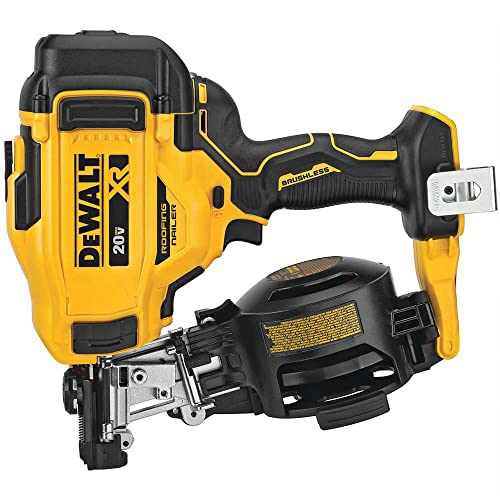
DeWalt 20V MAX Brushless Roofing Nailer

AeroPro CN45N Pneumatic Roofing Nailer

SILVEL 2-In-1 Cordless Brad Nailer

MtiolHig Cordless 2-In-1 Brad Nailer

Bostitch 15-Degree Coil Roofing Pneumatic Nailer

ADOTOCAM Cordless Brad Nailer for Dewalt 20V Battery
More Details On Our Top Picks
CORDLESS brad nailers like this shine in trim-heavy spaces where dragging a hose would slow you down. CRAFTSMAN’s V20 setup keeps the focus on mobility, and the stated motor output, up to 420 nails per charge, points to a tool that can handle a fair amount of casing, baseboard, or panel work before you need to stop.
The trade-off is simple, bare tool only means you need a V20 battery system already in hand. That makes it a cleaner upgrade for someone already invested in the brand, while jobsite newcomers may prefer a kit that includes power storage from the start.
Strong Points
- Up to 420 nails per charge gives you practical range for trim sessions.
- Cordless layout keeps you moving around rooms without hose management.
- 18-gauge brads suit detailed interior work where smaller fasteners matter.
- Bare-tool format can make sense for existing V20 owners.
Points To Note
- You need compatible batteries and a charger separately.
- Trim nailers are better for finish work than heavy structural fastening.
- Tool-only packaging leaves setup dependent on your current kit.
Feature Card
Who It Suits Best
Trim carpenters, remodelers, and DIY finish work shoppers who already use the V20 battery platform get the smoothest fit here.
Where A Sibling Pick Shines
WORX Cordless Brad Nailer WX842L is the better match for someone who wants a battery and charger included from the start.
For trim, molding, and baseboards, this WORX option leans into practical convenience. The cordless 20V setup pairs with a tool-free jam release, which matters more than it sounds when you’re in the middle of a room and want to keep moving instead of hunting for tools.
It’s also one of the easier picks to recommend for a first cordless brad nailer, especially since the bundle includes the battery and charger. Compare that with the bare-tool CRAFTSMAN above, and you can see the real difference between platform ownership and a ready-to-go kit.
What We Like
- Battery and charger are included, so setup is simpler.
- Tool-free jam release helps keep interruptions short.
- Handles nails up to 2 inches for broader trim tasks.
- Good fit for baseboards, molding, and similar interior work.
Minor Gripes
- Best suited to finish work, not rough framing.
- Battery-powered tools still need charging discipline on longer project days.
- Some shoppers may want a heavier-duty roofing tool instead.
Details At A Glance
Made For
Home trim projects, moldings, and baseboard installs are the sweet spot for someone who wants a ready kit rather than a bare tool.
Look Elsewhere When
CRAFTSMAN V20 Brad Nailer (CMCN618B) fits better for shoppers already tied into the V20 battery platform.
Roofing tools live in a different lane from trim nailers, and this one is built for that lane. The 15-degree coil format and tool-free nail tray point to faster reloading on roof surfaces, where a small pause can feel larger than it looks from the ground.
The brushless motor is the feature that separates it from the simpler cordless brad nailers in this list. Brushless motors usually mean less internal friction and fewer wear parts, so the practical appeal is steadier use on roof jobs where repetition matters more than fancy extras.
Highlights
- Brushless drive supports demanding roofing work.
- 15-degree coil format fits roofing-style fastening needs.
- Tool-free nail tray helps speed up reloads.
- Cordless design gives you more freedom than a hose-bound roof setup.
Room For Improvement
- Roofing use is specialized, so it is not a general trim tool.
- Battery systems add management compared with pneumatic setups.
- Finish carpentry shoppers usually have better options elsewhere in this roundup.
Core Details
Perfect Match For
Roofing crews and seasoned DIYers working on shingle projects get the most from this cordless roof-specific setup.
Another Choice May Suit
AeroPro CN45N Pneumatic Roofing Nailer fits better for someone who wants a compressor-based roof tool instead of battery power.
This AeroPro stays unapologetically job-specific, and that’s part of its appeal. It’s a pneumatic roofing nailer, which means it depends on compressed air rather than batteries, a setup that still makes sense on roofing jobs where a compressor is already part of the routine.
The listed 15-degree coil compatibility and nail range from 3/4 inch to 1-3/4 inch make it feel purpose-built for asphalt shingles. In most roofing crews, that narrower focus is a strength, though homeowners who want one tool for several finishes will likely find it too specialized.
Best Bits
- Dedicated roofing format suits shingle installation work.
- Pneumatic operation avoids battery charging concerns.
- 15-degree coil compatibility fits standard roofing use.
- Nail range covers common asphalt shingle needs.
Softer Spots
- You need a compressor and hose setup.
- It is far less versatile than a brad nailer.
- Storage and transport get more cumbersome than cordless options.
Spec Overview
Built With In Mind
Roofers and remodelers who already run compressor gear will find the setup familiar and efficient.
Swap It Out When
DeWalt 20V MAX Brushless Roofing Nailer is a better fit for anyone who wants cordless movement on the roof.
Some tools are aimed at people building out a first kit, and this SILVEL bundle fits that lane neatly. You get two 2.0Ah batteries, 1000 nails, and 18-gauge staples, so the box covers more of the early setup than a bare tool does.
The adjustable depth feature matters in real use because it helps you set fastener depth for different woods and trim surfaces. That’s useful in a home shop where pine, hardwood, and softer trim boards may all show up in the same week.
Bright Spots
- Two batteries are included, which reduces first-day setup friction.
- Staple and brad support adds flexibility for mixed shop tasks.
- Adjustable depth helps tune fastening for different materials.
- Starter fastener supply supports immediate project work.
- Handy for home improvement and woodworking spaces.
Areas To Watch
- Tool bundles can take more storage room than a bare unit.
- Mixed fastener designs are helpful, but not as specialized as dedicated tools.
- Battery upkeep still matters for longer projects.
Quick Facts
Whose Shelf It Belongs On
Home DIYers and woodworking beginners who want a fuller kit in one box will get the most value here.
Reach For A Different Pick When
WORX Cordless Brad Nailer WX842L suits someone who wants a simpler branded kit with a more familiar trim-only focus.
Compatibility is the angle that makes this one stand out. It works with DeWalt 20V batteries, so you can slot it into a setup you already own instead of committing to another battery line, and that can simplify life in a mixed-tool garage.
The 7.2-pound weight also matters in real use, because a heavier nailer can feel tiring during overhead trim or long runs of casing. For that reason, this one makes more sense for someone who values platform compatibility over the lightest possible carry.
Reasons To Buy
- DeWalt battery compatibility can cut down on charger clutter.
- 2-in-1 design handles both nails and staples.
- 1000 included nails support early project work.
- 7.2-pound weight is clearly stated, which helps with planning.
Small Caveats
- Tool-only packaging means the battery comes from your existing setup.
- Heavier tools can feel less comfortable during long overhead runs.
- Mixed-use tools usually trade some specialization for flexibility.
Feature Rundown
Right Fit For
Shoppers already invested in DeWalt batteries and looking for a mixed nail-and-staple tool should feel at home here.
Where A Sibling Pick Shines
ADOTOCAM Cordless Brad Nailer for Dewalt 20V Battery fits better for someone who wants a lighter, more compact tool-only option.
Some roofing tools earn their keep by staying familiar, and this Bostitch follows that script. It is a 15-degree coil pneumatic nailer, so the setup works best for crews that already rely on compressor-driven gear and want a roof-focused tool with a predictable feel.
Compared with the cordless DeWalt above, this one removes battery management from the picture but keeps you tied to air supply. That trade-off makes sense for regular roofing work, though it feels less friendly for a small homeowner project that happens once in a while.
Upsides
- 15-degree coil layout is suited to roofing fasteners.
- Pneumatic operation keeps power delivery tied to an air setup.
- Familiar format should feel comfortable to roof crews.
- Good fit for regular shingle installation routines.
Worth Noting
- You need compressor gear and hose management.
- It is specialized for roofing rather than broad carpentry.
- Storage can be less convenient than with cordless tools.
At A Glance
Who Should Grab It
Roofing crews and seasoned DIY roof installers who already use air tools are the strongest match.
Another Choice May Suit
DeWalt 20V MAX Brushless Roofing Nailer is better for anyone who wants cordless movement on steep or awkward roof sections.
This ADOTOCAM tool keeps things lean by leaning on DeWalt 20V batteries you already own. That approach makes sense in a workshop that has grown around one battery family, because it trims down charger clutter and makes storage a little easier.
It also ships with 1000 nails and 500 staples, which broadens the first few projects you can handle without extra trips for supplies. The trade-off is that tool-only packaging asks for an existing battery setup, so it suits established tool collections better than first-time setups.
Positives
- DeWalt 20V compatibility helps simplify battery sharing.
- Compact layout suits lighter carpentry and trim work.
- Includes both nails and staples for broader use.
- Starter fastener counts help you begin projects quickly.
Honest Caveats
- Tool-only format means the power source is on you.
- Mixed-use tools are flexible, but not as specialized as dedicated units.
- Small projects are the best match, not heavy jobsite use.
Core Details
The Right Fit
Home improvement hobbyists and woodworkers with DeWalt batteries already in rotation should find this one convenient.
Skip It When
WORX Cordless Brad Nailer WX842L is the easier route for someone who wants a complete battery-and-charger bundle.
How To Choose The Right Electric Roofing Nail Guns
Match The Tool To The Fastener Job
Roofing nailers and brad nailers serve different jobs, and that split matters more than branding. Coil roofing tools are built for shingles and roofing fasteners, while brad nailers handle trim, molding, and finish carpentry with thinner nails that leave smaller marks.
That difference helps you avoid the common mistake of choosing by power alone. A cordless brad nailer can feel convenient, but it will not replace a roofing nailer on a shingle job, and a roofing nailer will feel overbuilt for cabinet trim.
Decide Between Cordless And Pneumatic
Cordless tools give you freedom of movement, which pays off on ladders, in remodels, and in tight spaces where hoses get in the way. Pneumatic tools still make sense when you already run a compressor and want long, familiar sessions with less battery housekeeping.
The catch is setup. Cordless ownership shifts attention to batteries and charging, while pneumatic ownership shifts it to compressor access, hose reach, and the extra space those parts take up.
Pay Attention To Compatibility And Kit Contents
Battery platform fit can shape the whole purchase. A bare tool makes sense only when you already own the right batteries, while a full bundle is easier for first-time setup.
Also watch the included fasteners and depth adjustment features. Starter nails or staples can get you moving right away, and adjustable depth helps tune how the fastener sits in the material, which matters in softer trim and mixed-wood projects.
Think About Weight, Access, And Maintenance
Weight sounds minor on a listing, but overhead trim, ladder work, and long roofing sessions make it noticeable fast. Heavier tools often feel steadier on some jobs, though lighter options are easier to carry through a full day.
Maintenance also differs by style. Cordless tools need battery care and occasional jam clearing, while pneumatic tools ask you to keep the compressor and hose setup organized and clean enough for regular use.
What To Weigh Before You Choose
Hidden Buying Traps
One common slip-up is mixing up trim nailers and roofing nailers because both use the word nailer. Another is overlooking whether the listing is tool only, which can leave you short on batteries or charging gear.
It also helps to confirm gauge, angle, and fastener length before you settle on a model. Those details are the difference between a tool that fits your project and one that sits in the garage waiting for the right use.
The Upgrade Payoff
Higher-tier models usually cost more because of motor design, kit completeness, and the material and build choices that support longer sessions. Brushless motors, included batteries, and roofing-specific feed systems all add practical value, especially on heavier or more frequent jobs.
The upgrade makes the most sense for crews and repeat users. Casual weekend trim work often does fine with a simpler tool, while frequent roofing or mixed carpentry can justify the extra spending through better fit and less friction in daily use.
Frequently Asked Questions
What Is The Difference Between A Roofing Nailer And A Brad Nailer?
A roofing nailer is built for shingles and coil-style roofing fasteners. A brad nailer handles trim, molding, and finish work with slimmer nails.
Do Cordless Nailers Work Well For Roofing?
Cordless roofing nailers are useful where hoses get in the way or where mobility matters on the roof. They still depend on battery planning, so they suit organized setups better than last-minute use.
What Does 15-Degree Coil Mean?
It refers to the angle of the nails in the coil magazine. That angle is common in roofing tools because it helps the fasteners feed in a roof-friendly layout.
Is A Bare Tool A Good Choice?
A bare tool works well when you already own compatible batteries and chargers. It is less convenient for a new setup that needs everything at once.
Why Do Some Nailers Include Both Nails And Staples?
That kind of bundle gives you more starting flexibility for mixed woodworking tasks. It is handy in a home shop where trim, small repairs, and light assembly can overlap.
Final Thoughts
You get the best results from an electric roofing nail gun when the tool matches the job instead of forcing the job to match the tool. Cordless brad nailers make sense for trim and finish work, while pneumatic roofing models suit roof crews who already rely on compressors. Battery platform fit, included accessories, and the real weight in your hand all matter more than broad marketing language. Pick the setup that matches your daily work, and the tool will feel much easier to live with.




