


Anyone who pulls wire for a living knows the frustration of a screwdriver that slips at the worst moment, deep inside a crowded junction box. The right driver holds the screw, fits your hand through a full shift, and survives being dropped off a ladder more than once. This roundup covers five options built around those exact problems, from multi-bit workhorses to fully insulated sets. Whether you’re an apprentice stocking your first pouch or a journeyman replacing a worn favorite, there’s a fit here for your daily routine.
Your Options, Compared
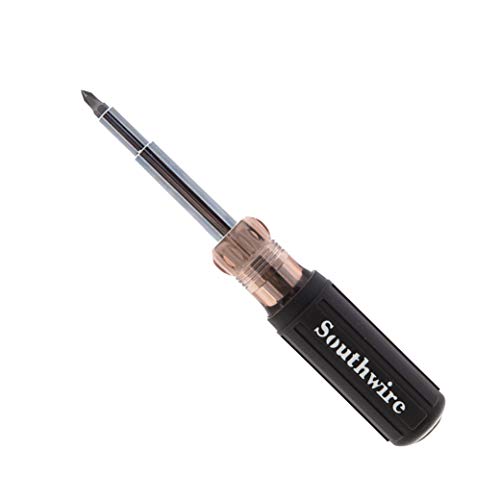
Southwire 59723940 12-In-1 Multi-Bit Screwdriver

Klein Tools 85153K Slotted Screw-Holding Screwdriver Set (2-Piece)

IDEAL Electrical 35-9305 Insulated Screwdriver Set (Orange)
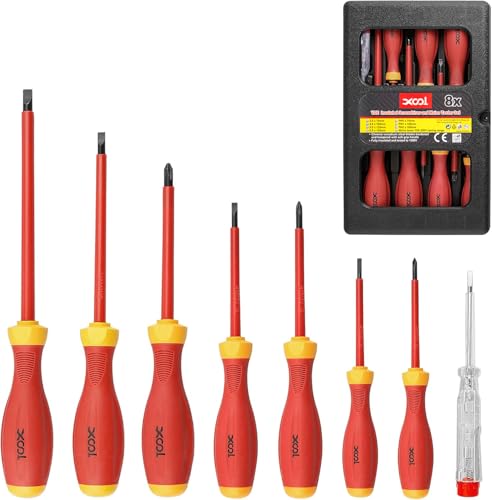
XOOL 1000V Insulated Electrician Screwdriver Set (8-Piece)

IDEAL Electrical Twist-A-Nut Ratcheting Screwdriver 35-688
A Breakdown Of The Leading Choices
One tool covering hex, Phillips, slotted, and square fasteners changes how you pack a tool pouch. Instead of carrying six separate drivers to a rough-in, you carry this one and swap bits as the job demands. Southwire’s comfort-grip handle matters most during long trim-out days when your palm starts complaining.
The bit range here is genuinely broad: three hex sizes, three Phillips points, three slotted widths, and two square drives. For apprentices building a first kit or homeowners tackling outlet swaps, that coverage handles nearly every residential fastener you’ll meet.
Key Advantages
- Twelve interchangeable bits mean one tool replaces a small drawer of drivers.
- Square-drive coverage suits North American outlets and switches, which many generic multi-bits skip.
- The cushioned grip reduces hand fatigue across a full install day.
- Bits store in the handle, so nothing rattles loose in a pouch.
Things To Consider
- Multi-bit designs have moving parts; owners commonly report that grit in the bit channels needs occasional cleaning to keep swaps smooth.
- No insulation rating is listed, so treat it as a de-energized-work tool only.
Who It Suits Best
Apprentices, maintenance techs, and DIYers who want maximum fastener coverage from a single pouch slot.
Where Another Pick Suits Better
Working near energized gear calls for the XOOL 1000V Insulated Set instead, since its shafts carry a verified insulation rating.
Here’s a niche solved properly: starting a slotted screw overhead with one hand while the other steadies a fixture. The split-blade tip wedges into the screw slot and grips it, so the fastener stays put until threads catch. Anyone who has chased a dropped screw across a finished ceiling will understand immediately why this exists.
You get two sizes, 3/16-inch and 1/4-inch flat blades, which covers the common terminal and cover-plate screws in residential work. Klein’s Cushion-Grip handles add torque and comfort, a detail that shows up when breaking loose an old painted-over plate screw.
Noteworthy Benefits
- The split-blade tip physically holds the screw, cutting drop risk in ceilings and cabinets.
- Cushion-Grip handles transfer more torque than hard plastic equivalents.
- Two blade sizes match the majority of slotted electrical hardware.
- Klein’s long track record in trade tools suggests replacement parts and consistency over time.
Worth Noting
- This set is slotted-only, so Phillips and square fasteners still need another driver from your kit.
- A wedge-tip design works best on undamaged slots; heavily stripped screws may still slip.
At A Glance
Made For
Service electricians and finish carpenters who regularly start screws single-handed in awkward positions.
Consider Something Else When
For a full insulated lineup on live-panel work, the IDEAL 35-9305 set gives you rated shafts across multiple tip types.
Insulation is the whole point of a dedicated electrician’s driver, and IDEAL builds these shafts for exactly that environment. The bright orange coating isn’t cosmetic either; it makes the tools easy to spot in a cluttered gang box, which saves real minutes on busy sites.
The four-inch shaft length hits a sweet spot for panel interiors, long enough to reach recessed breakers without becoming unwieldy in a packed enclosure. Cushion-Grip style handles keep your hand comfortable during repetitive torquing of terminal lugs.
Positive Points
- Insulated shafts are designed for work around energized equipment, a baseline requirement for panel service.
- Four-inch shafts balance reach against control inside breaker panels.
- High-visibility orange bodies cut down on lost-tool time.
- Cushioned handles hold up well to repeated high-torque turns, based on how owners describe long-term use.
Trade Offs
- Insulated coatings demand care; nicked or gouged shafts should be retired, so storage away from sharp tools matters.
- Fixed tips mean less flexibility than the Southwire multi-bit for odd fasteners.
Right Fit For
Residential and commercial electricians who spend their days in panels and need dependable insulated drivers without overspending.
Not Your Match When
Techs who want magnetic tips and a broader piece count may prefer the XOOL 8-piece set for its added versatility.
Compared with the two-piece IDEAL set above, this XOOL kit doubles your coverage while keeping the safety story intact. Each driver carries insulation tested to 1000 volts AC under VDE and GS standards, which is the certification framework European trade tools follow for live-work protection. Chrome vanadium steel shafts resist wear where cheaper alloys round over.
Magnetic tips are the quiet luxury here. Holding a machine screw on the blade while you guide it into a recessed terminal saves fumbling, especially in dim basements or cramped closets. Non-slip handles keep grip secure even with sweaty hands on summer attics jobs.
A Few Highlights
- VDE and GS certified insulation up to 1000V AC supports safe work near live circuits.
- Magnetic tips hold fasteners in place during one-handed starts.
- Chrome vanadium steel offers better tip durability than basic carbon steel.
- Eight pieces cover both slotted and Phillips needs in one roll-up kit.
- Non-slip handles maintain control in hot or damp conditions.
Small Caveats
- Insulation layers can degrade with abrasion, so periodic visual checks of each shaft are smart ownership practice.
- No square-drive bits are included, which some US outlet work still calls for.
Quick Facts
Who Will Love This
Working electricians doing frequent service calls on live-adjacent equipment who want certified protection and modern conveniences together.
Look Elsewhere When
Speed-driven production crews twisting wire connectors all day will get more done with the IDEAL Twist-A-Nut ratcheting driver.
This is the tool you reach for after the first thousand wire nuts of your career. A patented connector wrench built into the handle twists wire nuts without chewing up your fingertips, and the ratcheting mechanism means no repositioning your wrist in tight enclosures. Twenty-one bits ride along, stored in the ergonomic slip-free grip itself.
The vanadium-steel shaft adds abrasion and corrosion resistance, useful in damp mechanical rooms where plain steel drivers pit over time. There’s also an accu-loop wire looping device built in, handy for forming clean hooks on receptacle terminals.
Benefits That Matter
- The integrated wire-nut wrench cuts finger fatigue during bulk connector work.
- Ratcheting action speeds up repetitive driving in confined boxes.
- Twenty-one stored bits make this a near-complete driver system in one handle.
- Vanadium-steel construction resists the corrosion that kills cheap shafts in humid spaces.
- Built-in wire looping helps form consistent terminal hooks.
Points To Note
- Ratchet mechanisms have more internal parts than fixed drivers, so debris buildup occasionally needs blowing out.
- It’s a single-handle system, meaning a lost or damaged handle sidelines all twenty-one functions at once.
Feature Snapshot
The Right Fit
Production electricians wiring panels and devices all day, where every saved twist adds up by quitting time.
A Better Fit Elsewhere
Newcomers wanting a simple, low-cost starter should look back at the Southwire 12-in-1 before committing to a premium multi-function handle.
What Matters Most Before Choosing Electrician Screwdrivers
Insulation Comes First
Any driver destined for panel work needs insulated shafts rated for live environments. VDE testing to 1000 volts AC is the benchmark professionals reference, and it’s worth checking before anything else. Uninsulated multi-bits belong in de-energized work only, no matter how convenient they feel.
Tip Coverage and Fit
Match the tips to your actual fasteners. North American residential work leans heavily on square-drive and Phillips, while fixtures often use slotted. A driver that skips square heads forces you back to the truck mid-job, which nobody enjoys.
Handle Comfort Over Long Shifts
Grip design determines how your hand feels at hour six. Cushioned, non-slip handles reduce fatigue and improve torque transfer, especially on corroded terminal screws. Repetitive tasks like wire-nut twisting benefit enormously from purpose-built features such as connector wrenches.
Durability and Maintenance
Chrome vanadium and vanadium steel shafts outlast basic alloys, holding their tips through years of abuse. Whatever you choose, plan on inspecting insulated coatings periodically and retiring any driver with visible damage. Storage away from sharp edges extends usable life considerably.
Key Considerations Across These Picks
Traps First Timers Fall Into
The most common mistake is buying a general-purpose hardware-store set and calling it an electrician’s kit. Without insulation ratings, those drivers offer no protection near energized parts. Another trap is ignoring tip type entirely; a beautiful set missing square-drive bits won’t finish a standard outlet swap.
The Case For Spending Up
Higher-tier drivers earn their cost through certified insulation, harder steels, and ergonomics that survive daily professional use. A ratcheting mechanism or screw-holding tip pays for itself in saved minutes across hundreds of repetitions. Occasional DIYers can stay budget-friendly; full-time tradespeople usually can’t afford not to upgrade.
Frequently Asked Questions
What does 1000V insulation actually mean?
It indicates the shaft’s insulating layer was tested to protect against voltages up to 1000 volts AC under standards like VDE. Always verify the marking on the tool itself before live work.
Are multi-bit screwdrivers suitable for electrical work?
They’re fine for de-energized tasks like cover plates and device swaps. For anything near live circuits, a certified insulated driver is the appropriate choice.
Why do electricians prefer square-drive tips?
Square (Robertson) screws grip the driver firmly and resist cam-out, which helps with one-handed installs. They’re standard on much North American electrical hardware.
How long do insulated screwdrivers last?
With reasonable care, several years of daily trade use is realistic. Retire any driver whose insulation shows cuts, cracks, or heavy abrasion regardless of age.
Is a ratcheting screwdriver worth the extra cost?
For anyone driving dozens of screws daily, yes, since it eliminates constant wrist repositioning. Casual users rarely notice the difference enough to justify it.
Closing Thoughts
Every driver here solves a specific problem well: the Southwire covers fastener variety, the Klein handles awkward one-handed starts, the IDEAL and XOOL sets bring certified insulation, and the Twist-A-Nut speeds up production work. Match the tool to your actual workload rather than the longest feature list. Start with the job you do most often, and the right choice tends to make itself obvious.




