


Learning to sew shouldn’t feel like assembling furniture in the dark. The right starter machine handles hems, mending, and first garment projects without fighting you on every seam. This roundup focuses on five entry level sewing machines that keep the learning curve shallow while leaving room to grow, whether you’re patching kids’ clothes at the kitchen table or working through your first quilting class.
A Side-By-Side Look

Brother XM3700 Sewing Machine 37 Built-in Stitches
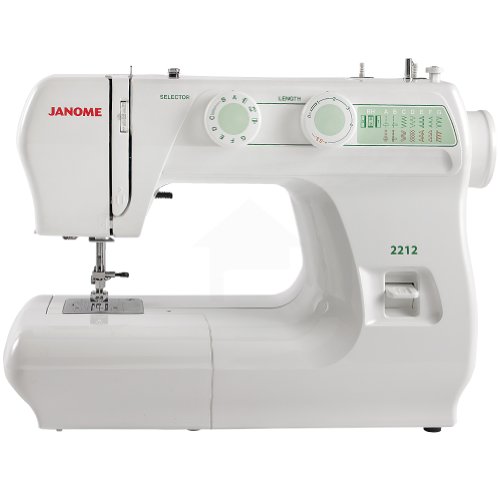
Janome 2212 Front-Loading Sewing Machine
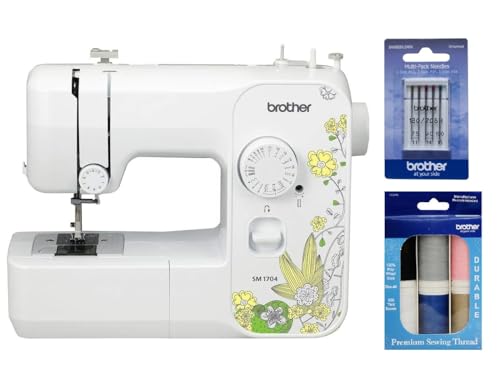
Brother SM1704 17-Stitch Free Arm Sewing Machine

Brother LX3817 Lightweight Full-Size Sewing Machine
SINGER M1000 Portable Mending Machine (White)
A Breakdown Of The Leading Choices
Most starter machines top out around a dozen stitches, so the XM3700’s 37 built-ins give you genuine headroom. Garment construction, decorative topstitching, heirloom work, and light quilting all sit within reach without upgrading hardware.
The five included presser feet cover the tasks that trip up newcomers most: zippers, blind hems, buttonholes, buttons, and general zigzag work. A built-in storage compartment keeps those feet and bobbins from wandering off, which matters more than it sounds once a project table gets busy.
Everyday Advantages
- 37 stitches mean you won’t outgrow the machine during your first year of projects
- Zigzag, zipper, blind stitch, buttonhole, and button feet arrive in the box, so specialty jobs need no extra purchases
- Integrated accessory storage keeps small parts organized between sessions
- Suits decorative stitching and heirloom techniques that simpler models can’t attempt
Things To Consider
- More stitch options add a little setup time per project compared with the Janome 2212’s stripped-back layout
- Owners commonly report that keeping the feed dogs lint-free matters here, since heavier fabrics shed more into the bobbin area
Key Specs
Who It Suits Best
Ambitious beginners who want one machine to carry them from first hems into quilting and garment sewing.
Where A Sibling Pick Shines
Total newcomers who feel overwhelmed by options will find the Janome 2212’s simpler twelve-stitch layout easier to learn on.
Where the Brother XM3700 leans generous, the Janome 2212 leans simple, and that’s deliberate. Twelve built-in stitches cover straight seams, zigzag, and basic utility work, which is honestly all a first project demands. There are no digital menus to decode, just dials and levers you can understand at a glance.
The front-loading bobbin system is worth understanding here: the bobbin (the small spool of thread beneath the needle plate) drops in from the front rather than the side, making threading checks quick. Its modest size also means it moves easily from a closet shelf to a class or kitchen table, a real plus in shared living spaces.
Where It Helps
- Mechanical controls teach you how stitching actually works instead of hiding it behind menus
- Front-loading bobbin makes threading mistakes easy to spot and fix mid-project
- Compact enough to store in a closet and carry to sewing classes
- Twelve essential stitches handle mending, hems, and simple garments cleanly
Worth Noting
- You’ll hit the ceiling fast on decorative work; quilters and crafters should look higher up this list
- As an older mechanical design, periodic oiling and cleaning of the bobbin race keeps it running smoothly, per common owner guidance
Made For
First-time sewists who want a dependable, distraction-free machine for lessons, mending, and basic home projects.
Another Choice May Suit
Hobbyists planning decorative stitching or heirloom projects will get more mileage from the Brother XM3700’s wider stitch set.
This bundle thinks about what actually happens on day one: you unbox a machine and realize you have no thread. The SM1704 ships with six spools of premium thread and five machine needles alongside the unit itself, so a repair job can start the same afternoon.
The free-arm design deserves a plain-language note: sliding off the flat bed exposes a narrow arm, letting you sew cuffs, sleeves, and pant hems in a loop. Seventeen utility and decorative stitches are selected by turning a single dial, and a dedicated tension control plus reverse lever give you fingertip command over seam quality. Four presser feet round out the kit.
Noteworthy Benefits
- Thread and needles included, removing the most common first-session roadblock
- Free arm makes sleeve and cuff repairs far less awkward than flat-bed-only machines
- Dial-based stitch selection keeps operation intuitive under time pressure
- Tension control dial helps you tune seams across different fabric weights
Small Caveats
- Seventeen stitches trail the XM3700’s 37, so growth room is narrower
- The bundled thread is handy but basic; serious garment work usually calls for upgraded spools
- Lightweight builds like this can shift slightly on slick tables during fast seams, a behavior some owners mention
Quick Facts
Right Fit For
Household menders and students who want a complete, ready-to-run kit for clothes repairs and school projects.
Reach For A Different Pick When
Dorm dwellers and travelers prioritizing minimum weight over bundled extras will prefer the SINGER M1000 below.
The LX3817 occupies sensible middle ground: full-size sewing capability in a body light enough to relocate without drama. Its 17 built-in stitches include a blind hem stitch, four-step auto-size buttonhole, zigzag, and couching, which covers nearly everything a casual home sewer attempts in the first two years.
Setup guidance comes via an included instructional CD, a genuinely useful touch for anyone whose last sewing exposure was a middle-school home economics class. Compared with the SM1704, you trade the bundled thread for couching capability and auto-sizing buttonholes, a fair swap depending on your project list.
A Few Strong Suits
- Four-step auto-size buttonhole takes the guesswork out of a task beginners dread
- Blind hem and couching stitches expand what you can finish at home
- Instructional CD walks new owners through setup step by step
- Full-size work area with a lightweight frame suits occasional movers
Points To Note
- The instructional CD assumes a computer with an optical drive, which newer laptops often lack
- Like the SM1704, its 17-stitch range limits decorative ambition compared with the XM3700
Best Suited To
Casual home sewers tackling garments, curtains, and repairs who value guided setup over bundled consumables.
Skip It When
Shoppers wanting supplies in the box should grab the Brother SM1704 instead, since it includes thread and needles outright.
At roughly 5.5 pounds, the M1000 is the only machine here that genuinely travels. It tucks into a dorm drawer, RV cabinet, or weekend bag, then handles popped seams and hem emergencies wherever they happen. Think of it as a first aid kit for fabric.
The white body houses 32 stitch applications spanning straight, zigzag, and decorative options, and the accessory kit arrives with an all-purpose foot, transparent Class 15 bobbins, a spare needle, and a manual threader. In our view, expectations matter: this is a mending companion, not a garment-production workhorse, and lighter frames demand gentler handling through thick seams.
Key Advantages
- 5.5-pound weight makes it the easiest machine here to store or carry
- 32 stitch applications offer surprising flexibility for a compact unit
- Accessory kit covers threading and bobbin needs from day one
- Fits apartments, classrooms, and travel kits where bench space is scarce
The Fine Print
- Compact frames generally struggle with heavy denim or layered canvas; owners commonly report slower going on dense fabric
- Lower user satisfaction scores than the full-size picks suggest tempering expectations for daily production work
At A Glance
Whose Shelf It Belongs On
Students, renters, and travelers needing a light backup machine for emergency repairs in tight quarters.
Swap It Out When
Anyone planning regular garment construction should step up to the Brother LX3817’s fuller-size frame and steadier handling.
What Matters Most Before You Choose
Match The Machine To Your Projects
Hemming pants and patching jeans need far less than quilting or garment construction. Count the tasks on your actual to-do list, then pick a stitch count with modest headroom. A 12-stitch mechanical model handles mending beautifully; decorative work wants 30-plus.
Weight And Storage Reality
Full-size machines sew steadier but demand a permanent table spot. Lighter units slide into closets and travel bags, though very light frames can shift during aggressive seaming. Measure where the machine will live before ordering, not after.
Learning Support Matters
An instructional CD, clear manual, or guided threading path shortens the frustrating first week enormously. Beginners consistently stall on threading and bobbin issues, so favor machines that make those steps visual and forgiving.
Consumables And Ongoing Care
Thread, needles, and presser feet add up when bought separately. Bundles save a supply run, and any mechanical machine needs occasional lint cleaning around the bobbin case to stay reliable.
Key Considerations Across These Picks
Traps First Timers Fall Into
The classic error is buying maximum features for a hobby you haven’t started yet, then feeling intimidated every time you sit down. The opposite mistake hurts too: choosing a bare-bones unit for ambitious quilt plans and hitting its ceiling within weeks. Also check what’s actually in the box, since some listings exclude thread entirely.
What Separates Premium From Basic
Higher-tier machines buy you stitch variety, metal internal components, smoother tension systems, and quieter motors. Paying up makes sense once sewing becomes a weekly habit; until then, a well-chosen entry model does the job without straining your budget.
Frequently Asked Questions
How many stitches does a beginner actually need?
Twelve covers straight seams, zigzag, and basic utility work for most newcomers. Thirty-plus only pays off once decorative stitching or quilting enters your plans.
Are mechanical machines better than computerized ones for learning?
Mechanical dials show cause and effect clearly, which builds real understanding faster. Computerized models add convenience later, not necessarily better fundamentals.
Can these machines handle denim and heavy fabric?
Full-size models manage occasional denim layers with the right needle. Very lightweight portable units tend to struggle, so match the machine to your heaviest planned material.
How much maintenance do entry level sewing machines require?
Regular lint removal around the bobbin area and occasional oiling per the manual keep them healthy. Skipping cleaning is the most common cause of skipped stitches.
Is a free arm important for a first machine?
Yes, especially for clothing repairs. Sliding off the bed lets you sew sleeves, cuffs, and pant legs in a continuous loop instead of wrestling flat fabric.
Closing Thoughts
Every machine here solves the same problem differently: getting comfortable fabric under a needle without frustration. Start honest about your projects, choose the stitch count and portability that fit your life, and let the hobby grow into the upgrade. The best machine is the one you’ll actually plug in this weekend.




