


Gutters need clearing, siding needs paint, and that second-story window isn’t going to clean itself. The right extension ladder turns those weekend chores from white-knuckle events into routine work. This roundup covers five options spanning heavy-duty fiberglass workhorses to ladders that collapse small enough to ride in a trunk, so you can match reach and weight to your actual projects rather than guessing.
A Closer Look At The Lineup
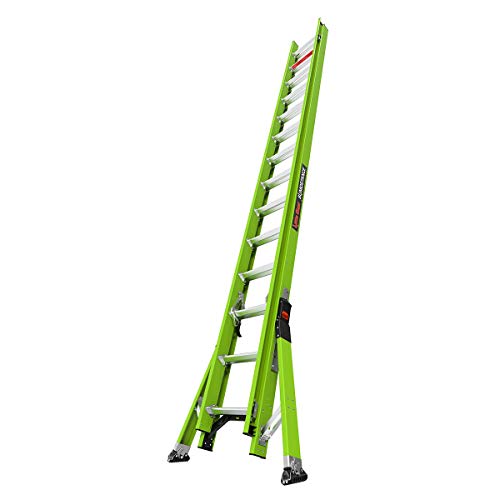
Little Giant SumoStance M28 28 ft Fiberglass Extension Ladder
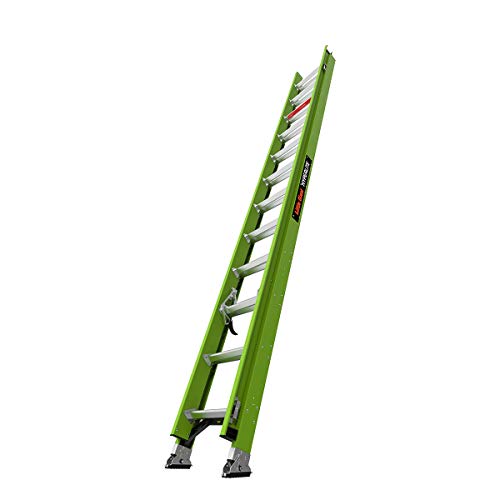
Little Giant HyperLite 24 ft Fiberglass Extension Ladder
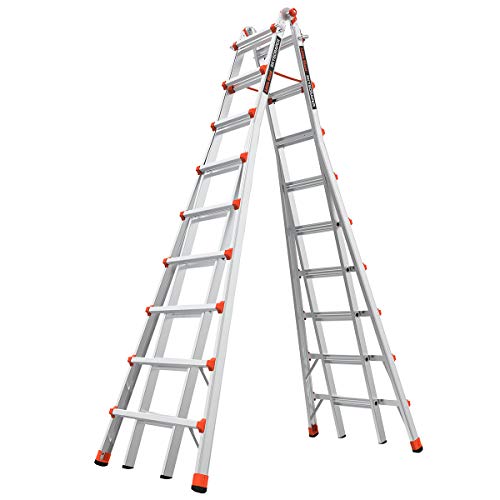
Little Giant Skyscraper 17 ft Adjustable Extension Stepladder

SINMEIRUN Telescoping Ladder, 16.5 FT, Orange

SINMEIRUN Telescoping Ladder, 20.3 FT, Orange
Inside Each Recommended Option
Twenty-eight feet of reach changes what a single person can handle around a property. The SumoStance M28 pairs that height with a Type IA rating, meaning it’s built to support up to 300 pounds of worker plus gear, and its fiberglass rails won’t conduct electricity the way aluminum can near power lines.
The detail that separates it from the HyperLite below is the adjustable wide-flared leg levelers. Those flared feet widen the base, which matters most when you’re setting up on soft ground or slightly uneven turf where a straight-rail ladder tends to rock.
What It Does Well
- Wide-flared leg levelers widen the footprint, so the base feels planted on grass or gravel instead of teetering on one rail.
- Fiberglass construction is non-conductive, a genuine safety margin when gutters or service lines share airspace with your work zone.
- The Hi-Viz green finish makes the ladder easy to spot across a yard or busy site, reducing the odds someone walks into it.
- A 300-pound Type IA duty rating covers most workers with tools attached.
- Despite the size, owners commonly report the fiberglass build stays manageable to reposition solo.
Things To Consider
- At 28 feet extended, this is a two-person carry for many users; plan your transport and storage accordingly.
- Fiberglass rails benefit from occasional cleaning since grime buildup can mask surface cracks over years of outdoor use.
Key Specs
Who It Suits Best
Contractors and serious DIYers who regularly work at height near electrical lines and want maximum base stability.
Where A Sibling Pick Shines
Anyone hauling a ladder daily will find the Little Giant HyperLite easier on the shoulders, since it trades some height for a lighter carry.
Carrying a full-size extension ladder is the part most people dread, and that’s exactly the problem the HyperLite attacks. Little Giant positions it roughly 20 percent lighter than comparable models in its class, which translates into faster setup and less strain over a long workday.
The rungs tell their own story. Instead of narrow round bars that dig into your arches, the HyperLite uses wide, flat rungs shaped for the human foot. Painters and electricians who spend hours on a ladder tend to notice that difference by mid-afternoon.
What Pays Off
- The reduced weight makes solo positioning against a wall noticeably quicker, especially going in and out of a truck bed repeatedly.
- Flat, wide rungs spread pressure across your foot, cutting fatigue on longer jobs compared to round-rung designs like older traditional ladders.
- Fiberglass rails keep the non-conductive advantage for work anywhere near wiring or service drops.
- Less back strain over repeated carries is the quiet benefit owners mention most often.
Worth Noting
- At 24 feet, it tops out shorter than the SumoStance M28, so tall gable ends may still be out of reach.
- You’ll want to verify the exact weight figure on the current listing before committing, since configurations vary.
Made For
Tradespeople and frequent DIYers who move a ladder multiple times per day and value their lower back more than maximum reach.
Swap It Out When
For roofline work above two stories, the Little Giant SumoStance M28 offers four extra feet of extension with a wider stance.
Most ladders force you to choose between stepladder convenience and extension-ladder reach. The Skyscraper refuses that trade-off, adjusting both its height and its shape with U Locks and Palm Buttons, so one unit handles cathedral ceilings, stairwells, chandeliers, and skylights.
That flexibility earns its keep indoors, where scaffolding is bulky and a straight extension ladder has nothing to lean against. Stairwell work is the classic example: split the legs to different lengths and you get a level platform on steps no conventional ladder can manage.
The Practical Payoff
- Independent leg adjustment levels the ladder on stairs, solving a problem that normally requires scaffold rental.
- Palm Button height changes happen in seconds, so repositioning between rooms doesn’t break your workflow.
- Non-slip feet and included safety straps add security on smooth interior floors.
- One purchase replaces several single-purpose ladders for homeowners with vaulted ceilings.
Trade Offs
- The multi-position hinge hardware needs periodic inspection and cleaning to keep the locks moving freely.
- At 17 feet it’s a step short of true exterior second-story gutter work.
- Its versatility comes at a higher price point than basic stepladders.
At A Glance
Right Fit For
Homeowners with vaulted ceilings, staircases, or skylights who want one adaptable ladder instead of a garage full of them.
Another Choice May Suit
Outdoor gutter and siding projects call for the SINMEIRUN 20.3 FT telescoping ladder, which reaches higher and stores smaller.
Apartment dwellers and anyone with a crowded garage know the storage problem well: a 16-foot ladder simply doesn’t fit behind the mower. This telescoping design collapses down section by section, shrinking to a fraction of its extended length so it slides into a closet or car trunk.
The aluminum frame keeps it light enough to carry one-handed, and each rung locks independently, letting you stop at exactly the height a task demands rather than committing to full extension every time.
Why It Works Well
- Double height-locking latches on every rung hold each section firmly and help prevent finger pinching during adjustment.
- A 330-pound capacity rating comfortably covers most adults carrying tools or a paint bucket.
- Anti-slip foot pads add grip on concrete, tile, and packed soil.
- The collapsed footprint frees up serious garage space compared to any fixed-length ladder here.
Small Caveats
- Telescoping sections collect dust in the rails; a quick wipe before collapsing keeps the locking action smooth.
- Aluminum conducts electricity, so keep this one away from overhead power lines entirely.
- Some users find the rung-by-rung collapse takes a little practice to do cleanly.
Best Suited To
DIY beginners and small-space households tackling occasional indoor tasks, shelf access, and light exterior chores.
Look Elsewhere When
Regular professional use near wiring points toward the Little Giant HyperLite, whose fiberglass rails remove the conductivity concern.
This is the bigger sibling of the 16.5-foot SINMEIRUN above, adding nearly four feet of reach while keeping the same collapsible personality. For contractors, painters, and electricians hopping between sites, that combination of genuine height and trunk-friendly storage is the whole appeal.
Gutter cleaning, exterior painting, and second-story window work all sit comfortably inside its range. Like its sibling, it meets EN131 CE standards, the European safety benchmark covering load testing and structural integrity for portable ladders.
Benefits That Matter
- Nearly 20 feet of extension covers most single-story exteriors and reaches second-story gutters on typical homes.
- EN131 CE compliance means the design has passed recognized European safety standards for structure and loading.
- Anti-slip foot pads and a safety lock design steady the ladder during use.
- It collapses small enough to store in a van, SUV, or apartment closet, unlike any fixed ladder in this lineup.
- The 330-pound capacity matches its smaller sibling despite the added height.
Points To Note
- Taller telescoping designs flex slightly at full extension; keeping three rungs above the roof edge helps you feel secure.
- Extended sections should be wiped down periodically so grit doesn’t wear the locking collars.
Quick Facts
Who Will Love This
Mobile professionals and homeowners who need real height but have no room to store a traditional 20-foot ladder.
Reach For A Different Pick When
Full-time roofline and electrical work justifies the Little Giant SumoStance M28, with its heavier-duty rating and non-conductive rails.
What Matters Most Before Choosing Extension Ladders
Match Height To Your Actual Tasks
Measure the highest point you realistically need, then remember a ladder must extend about three rungs past the roofline or gutter for safe mounting. A 24-foot ladder typically serves single-story homes fine, while two-story gutter work usually calls for 28 feet or more. Buying too short means renting later; buying too tall means wrestling excess weight every time.
Weight And Material Shape Daily Use
Fiberglass costs more and weighs more, but it won’t conduct electricity, which matters anywhere near service drops or wiring. Aluminum ladders like the SINMEIRUN models are lighter and cheaper but demand strict distance from power sources. Carry distance matters too: a ladder hauled fifty feet from the truck five times a day punishes every extra pound.
Duty Ratings Are Not Marketing
Type IA means a 300-pound combined rating for worker and gear; ratings below that leave less margin once you add a nail bag and drill. Choose a rating above your realistic loaded weight, not equal to it.
Storage Reality Checks
Fixed extension ladders need horizontal wall space or ceiling hooks. Telescoping designs solve that but introduce locking mechanisms that need occasional cleaning. Honest assessment of your garage beats aspirational thinking here.
Key Considerations Across These Picks
Traps First Timers Fall Into
The classic error is buying for the tallest possible scenario instead of the common one, ending up with a 28-foot ladder used twice a year. Another frequent miss: ignoring material. Aluminum near power lines is a hazard, not a style choice. Shoppers also skip checking duty ratings, assuming all ladders hold the same load.
The Case For Spending Up
Higher-tier ladders earn their cost through engineering, not branding. Wide-flared legs, flat comfort rungs, and certified load testing all add manufacturing expense that shows up as stability and reduced fatigue. Occasional users rarely feel the difference; anyone on a ladder weekly usually does within a month.
Frequently Asked Questions
How tall should an extension ladder be for a two-story house?
Two-story homes generally need a 24-foot ladder minimum, often 28 feet for safe gutter access. Always allow the ladder to extend three feet above the roof edge.
Are fiberglass ladders really safer than aluminum?
Around electrical sources, yes, because fiberglass doesn’t conduct current. Away from wiring, both materials perform comparably when properly rated.
What does Type IA mean on a ladder?
Type IA indicates a 300-pound duty rating covering the user plus tools and materials. Higher letters indicate higher capacities.
Do telescoping ladders last as long as fixed ones?
With clean rails and functioning locks, quality telescoping models serve for years. Grit in the mechanism is the main enemy, so periodic wiping extends life considerably.
Can one person safely use a 28-foot extension ladder?
Setup is possible solo but genuinely safer with a helper, especially on uneven ground. Walking and raising a long ladder alone requires practice and clear space.
Closing Thoughts
Every ladder here solves a different version of the same problem: getting you up there safely and back down without drama. Match the height to your house, the material to your environment, and the weight to your storage space. Start with the task you face most often, and the right pick becomes obvious pretty quickly.




