A folding saw lives in the gap between a pocket knife and a full bow saw. It handles storm-damaged limbs, campfire wood, and overgrown garden branches without taking up trunk space or weighing down a pack. The five options below cover that range, from a compact camp tool to a heavy-duty sawhorse setup that turns any tailgate into a workbench. Each one earns its spot through specific build details, not marketing gloss.
A Fast Comparison Of The Options

SOG Folding Camping Saw 8.25″ Black
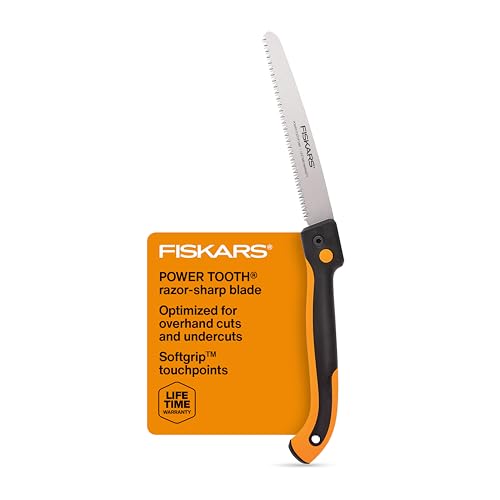
Fiskars 10″ Folding Pruning Saw Dual Locking Blade
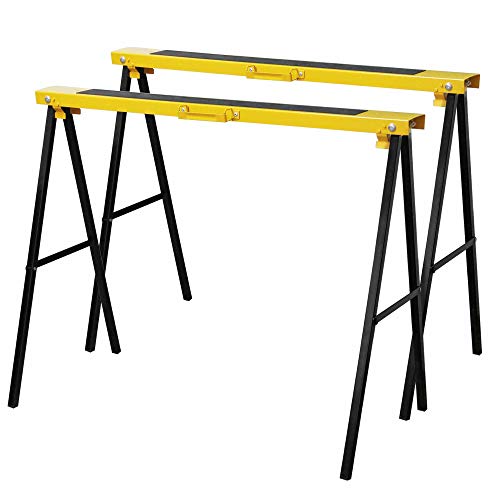
Forup Portable Folding Sawhorse Twin Pack (Yellow)

Folding Camping Saw 11 Inch Triple-Cut SK5 Blade

Folding Camping Saw 11 Inch Triple-Cut SK5 Blade
Why These Options Stand Out
The 8.25-inch blade keeps this saw short enough to live in a truck door pocket, yet the folded length stays well under the 17.25-inch open span. SOG built it around a high-carbon steel blade finished in black powder coating, which resists rust through wet firewood sessions. A soft TRP thermoplastic rubber handle cushions your grip when knuckles start to ache.
Differentially tempered teeth matter here too: the cutting edge is heat-treated harder than the spine, so teeth hold their bite while the body flexes instead of snapping. Campers clearing deadfall will appreciate that balance.
What Pays Off
- Folds down small enough for a pack lid or glovebox without sacrificing reach once opened.
- Powder-coated finish shrugs off moisture, so leaving it in a damp gear bin is less risky.
- Replaceable blade means you refresh the edge rather than retire the whole tool.
- Soft-grip handle stays comfortable during long limbing sessions in cold weather.
A Few Limitations
- An 8.25-inch blade limits log diameter compared with longer 11-inch options like the Craft911 below.
- Owners commonly report wiping the blade dry after green-wood cuts to keep the coating intact long term.
Key Specs
Made For
Backpackers and car campers who want one dependable saw for kindling and trail clearing.
Another Choice May Suit
Homeowners tackling thick yard waste get more reach from the Fiskars 10-inch folding pruning saw.
Where the SOG aims at camp chores, this Fiskars is unapologetically a yard tool. Its 10-inch PowerTooth blade uses triple-ground teeth, meaning each tooth gets sharpened on three faces for aggressive, fast bites into thick branches. That geometry pulls its weight most during overhead limb removal, where every stroke counts before arm fatigue sets in.
The dual-position lock is the detail worth understanding. You can set the blade straight ahead or angled downward, so undercutting a branch from below no longer means contorting your wrist. A non-slip handle keeps things secure either way, which matters more than it sounds once sap gets involved.
Everyday Wins
- Triple-ground teeth cut noticeably faster through dense hardwood limbs than standard ground edges.
- Second blade angle lets you approach cuts from underneath without awkward hand positions.
- Textured grip holds firm even with damp hands or sticky sap buildup.
- Fiskars has decades of garden-tool pedigree behind the blade steel quality.
Things To Weigh Up
- No replaceable blade listed, so a worn edge eventually means replacing the whole saw.
- Resin from conifers can gum the teeth; owners commonly clean with solvent after pine work.
The Right Fit
Suburban homeowners who prune trees seasonally and want controlled, low-effort cuts at shoulder height.
Skip It When
Backcountry users counting ounces will find the SOG Folding Camping Saw lighter and more pack-friendly.
A folding saw only works safely when the log sits still, and that’s the job this twin pack does. Each metal sawhorse supports up to 275 pounds, enough for hefty rounds of split-ready firewood or a sheet of plywood stretched across both units. The bright yellow finish makes them easy to spot around a busy site.
Setup takes seconds because they arrive fully assembled. An anti-slip EVA surface on top grips your workpiece, and at roughly eight pounds apiece with a carry handle, hauling them to a cutting station isn’t a workout.
Good Reasons To Consider
- 275-pound capacity per unit handles dense hardwood rounds without wobble.
- EVA-topped surfaces protect both the workpiece and your saw teeth from metal contact.
- No assembly required out of the box, unlike many budget sawhorse kits.
- Folding legs and carry handles make garage storage realistic for small spaces.
Points To Note
- Fixed height offers no adjustment, so very tall users may stoop during long bucking sessions.
- Lightweight frames can shift on uneven ground until you load weight onto them.
Built With In Mind
DIYers and firewood processors who need portable, stable support for crosscutting logs with any saw on this list.
Where A Sibling Pick Shines
Anyone wanting a pure cutting tool rather than a workstation should look at the Craft911 11-inch folding saw instead.
This is the longest blade in the roundup, and the extra reach shows up immediately on anything thicker than your forearm. The 11-inch SK5 high-carbon steel blade carries triple-cut teeth at 7 TPI, meaning seven teeth per inch shaped for fast ripping through both seasoned and green wood. Fewer, larger teeth clear chips quickly; more, finer teeth leave smoother cuts.
Bushcraft users processing standing deadwood tend to favor exactly this profile. In our view, it splits the difference between a pruning saw’s speed and a buck saw’s capacity better than the shorter SOG or Fiskars options here.
The Case For It
- SK5 steel is a proven Japanese carbon alloy known for holding a hard, sharp edge.
- 7 TPI spacing clears sawdust efficiently, keeping strokes smooth in sappy green wood.
- Extra blade length doubles the diameter of branches you can tackle in one pass.
- Serves as trimmer, limbing saw, and camp saw without swapping tools.
Honest Caveats
- Carbon steel needs drying and light oil after wet use, or surface rust develops over a season.
- The aggressive tooth pattern leaves rougher finishes on craft cuts than fine-toothed alternatives.
Who It Suits Best
Bushcrafters and off-grid cabin owners who process their own firewood and need serious cutting capacity in a foldable form.
Consider Something Else When
Garden-focused pruners making frequent small cuts may prefer the cleaner finish of the Fiskars dual-lock saw.
This listing shares its core design with the pick above: an 11-inch SK5 high-carbon blade, triple-cut razor teeth at 7 TPI, and a folding frame aimed at tree trimming, bushcraft, and garden work. Same steel, same tooth geometry, same general-purpose character. The practical difference is availability, since separate listings often ship independently and restock on different schedules.
For hobby woodworkers and weekend gardeners, either version delivers the same real-world benefit: one folding tool that bucks kindling, trims limbs, and rough-shapes stock. Depending on current stock, choosing between the two usually comes down to whichever ships sooner.
A Few Strong Suits
- Identical triple-cut SK5 performance to the fourth pick, with strong edge life reported across carbon-steel blades of this type.
- One tool covers camping, gardening, and light woodworking tasks without duplication.
- Folds closed for safe tossing into a tool bag between jobs.
Small Caveats
- Listing details vary between versions, so confirm blade and handle specs on the product page before ordering.
- Like all carbon steel, it wants a wipe-down after rain exposure to stay ahead of oxidation.
Core Details
Whose Shelf It Belongs On
Multi-purpose hobbyists who keep one do-everything saw in the shed for seasonal trimming and camp trips alike.
Swap It Out When
Shoppers needing a stable cutting platform should pair any saw here with the Forup sawhorse twin pack instead of buying a second blade.
What Matters Most Before Choosing Folding Buck Saws
Match Blade Length To Your Wood
An 8-inch blade handles wrist-thick branches comfortably, while 10 to 11 inches reaches forearm-size limbs and small logs. Measure the material you actually cut most often, then size up slightly. A longer blade also means slower, heavier strokes, so bigger isn’t automatically better for precision garden work.
Steel And Tooth Geometry Do The Real Work
High-carbon steels such as SK5 hold sharper edges than softer alloys but demand basic care: dry the blade after wet cuts and add a drop of oil occasionally. Tooth density matters just as much. Lower TPI counts like 7 clear chips fast in green wood, while finer patterns suit clean finishing cuts on dry stock.
Support And Storage Count Too
Crosscutting logs safely requires a stable platform, which is why a folding sawhorse earns a place alongside any blade. Look for rated capacity well above your heaviest typical round, non-slip surfaces, and a folded footprint that fits your storage space. Tools that store easily actually get used.
Key Considerations Across These Picks
Traps First Timers Fall Into
The most common mistake is buying a blade far larger than your typical branches, then fighting its weight on every small cut. Another slip: ignoring steel care. Carbon-steel blades left damp will pit within a season, so build the wipe-down habit from day one. Skipping a stable work platform leads to pinched blades and near misses.
When Paying More Pays Off
Higher-tier saws justify cost through metallurgy and locking mechanisms: hardened, replaceable, or triple-ground teeth cut faster and last longer between sharpenings. Established brands like SOG and Fiskars back their designs with years of field history. For occasional light trimming, a basic model suffices; for weekly firewood duty, the upgrade repays itself in effort saved.
Frequently Asked Questions
What is TPI on a folding saw?
TPI stands for teeth per inch along the blade. Lower counts like 7 TPI cut faster through thick green wood, while higher counts give smoother finishes on dry material.
Can a folding saw replace a chainsaw?
For branches up to a few inches thick, yes, and it’s quieter and safer to store. Anything beyond that calls for powered equipment and proper training.
How do I maintain a carbon steel blade?
Wipe it dry after use, especially after cutting wet or sappy wood, then apply a light coat of oil before storage. Remove resin buildup with a mild solvent.
Why choose a folding design over a fixed-blade saw?
The blade closes into the handle for safe transport and compact storage. That matters in packs, trucks, and crowded sheds where exposed teeth cause damage or injury.
Do I need a sawhorse for bucking firewood?
Strictly no, but one makes the job faster, safer, and easier on your back. Keeping the log elevated prevents the blade from binding in dirt or pinching mid-cut.
Closing Thoughts
Every option here solves the same core problem from a different angle: controlled cutting power that folds away when the work is done. Campers lean toward the SOG, gardeners toward the Fiskars, and anyone processing serious wood benefits from pairing a long Craft911 blade with the Forup stands. Match the tool to the wood you actually cut, care for the steel, and any of these will serve you for seasons.