A folding saw earns its place in a glove box, tool bag, or pack far more often than a full-size handsaw ever will. Pruning a storm-damaged branch on a Sunday afternoon, cutting drywall during a renovation, or processing firewood at camp all call for something that cuts hard and folds flat when the job is done. That’s exactly what this shortlist covers.
The five options below span very different needs: a jobsite jab saw that accepts reciprocating blades, a garden pruning workhorse, a lightweight hunting companion, a pocket chainsaw for bushcraft kits, and a Japanese pull saw for fine woodworking. Each one suits a specific kind of user, and the trade-offs are spelled out honestly so you can match the tool to your actual workload rather than the shiniest listing.
The Leading Options At A Glance
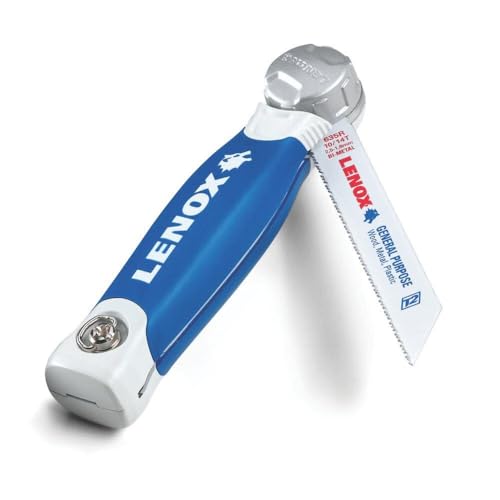
LENOX Folding Jab Saw

WixiTool Folding Pruning Saw
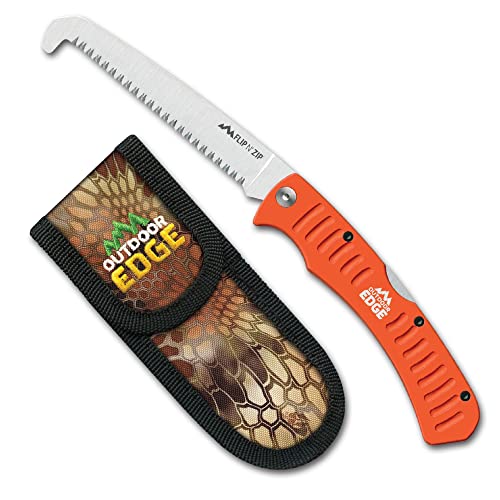
Outdoor Edge Flip N’ Zip Saw 4.4″

CAMPNDOOR Pocket Chainsaw Hand Chain Saw

SUIZAN Folding Ryoba Double Edge Saw 9.5″
Inside Each Recommended Option
A jab saw is the tool you reach for cutting outlet openings in drywall or notching paneling flush against a stud. What separates this LENOX from most is its die-cast aluminum body paired with an over-molded rubberized grip, which gives you solid control in dusty, awkward overhead work where a slick plastic handle would slip.
The clever part sits in the handle design. It holds a standard reciprocating saw blade, so a worn or snapped blade becomes a cheap replacement instead of a whole new tool. In our view, that alone makes it worth a spot in any remodeler’s kit.
A Favorable Mix
- Aluminum locking mechanism keeps the blade seated firmly during aggressive strokes
- Accepts standard reciprocating saw blades, so replacements stay inexpensive and easy to find
- Rubberized over-molded grip stays secure with sweaty or gloved hands
- Folds closed, protecting the tooth line inside a crowded toolbox
- Suits flush-cutting situations where pulling out a hacksaw is overkill
Things To Weigh Up
- Blade changes mean sourcing compatible reciprocating blades yourself, and tooth patterns vary between brands
Key Specs
Right Fit For
Remodelers and electricians who cut drywall, plaster, or paneling regularly and want one folding tool that handles flush cuts without dragging out bigger equipment.
Swap It Out When
Green wood and branches are your main material, in which case the WixiTool Folding Pruning Saw below offers a purpose-built blade for living timber.
Where the LENOX targets construction materials, this WixiTool is built for living wood. Its manganese steel blade carries sharp, staggered teeth designed to bite into green branches, PVC, bone, and larger timber pieces without binding the way fine-toothed blades tend to in wet material.
The handle gets extra length compared to typical pocket saws, wrapped in rubber over a polymer core. Anyone who has spent an hour limbing a hedge knows why that matters: a longer lever arm reduces wrist strain, and the coating keeps traction going through damp autumn mornings. Depending on how dense your growth runs, you may find it happiest on branches up to moderate thickness rather than mature trunks.
Well-Handled Touches
- Manganese steel construction resists wear through seasons of abrasive green wood
- Staggered tooth pattern clears sawdust efficiently, keeping cuts moving
- Extended rubber-coated polymer handle adds leverage and comfort
- Handles multiple materials beyond wood, from PVC pipe to campfire stock
Small Caveats
- Resin buildup from pine and other sappy species will need occasional cleaning with solvent to keep teeth cutting freely
- No sheath is specified in the source details, so storage in a garage drawer deserves some thought
Who Will Love This
Homeowners with trees and shrubs to maintain, plus campers who want one folding blade that covers both yard duty and trailside firewood prep.
Another Choice May Suit
Hunters needing a compact field tool should look at the Outdoor Edge Flip N’ Zip Saw, whose smaller 4.4-inch blade and lighter build travel better in a pack.
Every ounce counts in a hunting pack, and this Outdoor Edge was engineered around that reality. The 4.4-inch blade uses 65Mn spring steel, a manganese-alloy steel valued for holding an edge under flex, with triple-ground teeth that cut on both faces of each tooth for faster progress through bone, wood, and hide during field dressing.
The handle is machined from 6061-T6 aluminum, an aircraft-grade alloy heat-treated for strength, then anodized orange with a textured surface. That bright color matters more than it sounds: drop a dark tool in leaf litter at dusk and it disappears. A lock-back mechanism secures the blade open, and a nylon sheath rounds out the package. Compared to the bulkier WixiTool above, this one trades raw limb-cutting capacity for packability.
Notable Gains
- Triple-ground teeth shear through tough hide and small bone quickly
- 65Mn spring steel balances hardness with resistance to snapping under torque
- Anodized orange aluminum handle is easy to spot in low light or thick cover
- Textured grip maintains purchase with cold or wet hands
- Included nylon sheath protects gear and fingers during transport
Points To Note
- The 4.4-inch blade limits stroke length, so large-diameter limbs take noticeably longer than with the SUIZAN ryoba
- Spring steel rewards care: wipe the blade dry after field use to slow corrosion
Feature Snapshot
Made For
Backcountry hunters and backpackers who process game or clear small obstacles and count every gram in their kit.
Reach For A Different Pick When
Your priority is precision joinery rather than field work, because the SUIZAN Folding Ryoba delivers a far cleaner cut in seasoned lumber.
A chain saw that fits in a jacket pocket sounds like a gimmick until you have actually used one around camp. This CAMPNDOOR version wraps a 65Mn steel cutting chain between two orange straps, letting you saw around a limb by hand rather than across it like a rigid blade. The wrap-around motion means thicker branches stay within reach of a tool weighing almost nothing.
The manufacturer subjects the chain to high-tensile load testing, and the orange strap aids visibility when the saw is laid down in brush. The honest trade-off: cutting speed depends entirely on your technique and stamina, and the chain demands a wipe-down after wet weather to prevent rust spots from forming along the links.
Noteworthy Benefits
- Rolls up small enough for a survival tin, glove box, or emergency go-bag
- Wrap-around cutting handles branches too thick for most folding blades
- 65Mn steel chain stands up to sustained manual pulling force
Less Ideal Details
- Requires two hands and real effort, so expect slower results than a rigid folding saw on small stock
- Chain links collect moisture and debris, calling for regular cleaning and light oiling
- No rigid spine means less control on precise cuts near a trunk face
Built With In Mind
Bushcraft enthusiasts, overlanders, and anyone assembling an emergency kit where stored volume matters more than cutting speed.
Where A Sibling Pick Shines
Day hikers doing routine trail trimming will get cleaner, faster results from the WixiTool Folding Pruning Saw, which needs no learning curve.
This is the specialist of the group. A ryoba is a Japanese double-edged pull saw, meaning it cuts on the draw stroke instead of the push. Because the blade is in tension while cutting rather than compression, it can be made thinner than Western saws, which translates to a narrower kerf, less effort per stroke, and a visibly smoother edge straight off the saw.
The folding format makes it unusually portable for a woodworking-grade tool. The blade spans 9.5 inches (240mm) overall with a 6-inch (150mm) cutting depth figure tied to its configuration, enough reach for dimensioning boards or trimming joinery on site. One caution worth knowing: the thin plate bends permanently if twisted mid-cut, so patience beats force here.
Why It Works Well
- Pull-stroke action demands less power and leaves a cleaner surface than push-style saws
- Double-edge blade offers two tooth configurations in one tool
- Thin Japanese steel plate removes minimal material, speeding accurate cuts
- Folds down for safe transport between shop and job site
The Fine Print
- The flexible blade kinks easily under side pressure, a common complaint among first-time pull-saw users still adjusting their technique
Core Details
Whose Shelf It Belongs On
Woodworkers and DIYers doing finish-level carpentry who value cut quality over brute speed, especially those working without power tools on site.
Consider Something Else When
Rough outdoor clearing is the task at hand, since the Outdoor Edge Flip N’ Zip Saw shrugs off abuse that would wreck this delicate blade.
Choosing Between These Folding Hand Saws
Match The Blade To The Material
Tooth geometry decides everything. Aggressive staggered teeth like the WixiTool’s chew through green wood but leave ragged edges on lumber, while the fine Japanese teeth on the SUIZAN produce glassy cuts yet clog fast in sappy branches. Before comparing anything else, list what you actually cut most often in a season.
Handle And Lock Quality
The lock is the part you trust with your fingers. Aluminum mechanisms such as the LENOX’s resist wear far better than thin stamped steel latches found on budget folders. Grip material matters too: rubber over-mold handles stay secure in rain, sweat, and cold, which is precisely when most sawing accidents happen.
Weight And Packability
A saw you leave behind is a saw you do not own, practically speaking. Backcountry users should weigh every option against the Outdoor Edge’s featherweight aluminum frame, while garage-based DIYers can accept heavier builds in exchange for longer blades and sturdier spines.
Replacement And Long-Term Costs
Consumable parts deserve attention before checkout. The LENOX takes standard reciprocating blades, keeping running costs low for years. Fixed-blade folders eventually dull past sharpening practicality, so factor replacement availability into anything you plan to use weekly.
Key Considerations Across These Picks
Wrong Turns To Avoid
The most common error is buying a pruning saw for construction cuts or vice versa, then blaming the tool. Second, shoppers frequently ignore lock quality and end up with a folder that loosens after one season. Check the locking mechanism description first, always.
When Paying More Pays Off
Higher-tier models spend their extra cost on metallurgy and hardware: spring steel alloys, machined aluminum bodies, and precision-ground teeth. Occasional users gain little from these upgrades. Frequent users, by contrast, get sharper edges that last longer and frames that survive being dropped, which is money well spent.
Frequently Asked Questions
What is a jab saw used for?
It cuts openings in drywall, plaster, and paneling, typically around electrical boxes or pipes. The pointed tip pierces the surface to start each cut.
Can folding hand saws cut green wood?
Yes, models with aggressive staggered teeth like the WixiTool handle live branches well. Fine-toothed pull saws are better reserved for seasoned lumber.
How do I maintain a folding saw blade?
Wipe it dry after use, especially after cutting wet or resinous material. An occasional light oiling prevents rust on carbon-steel blades like 65Mn.
Are Japanese pull saws harder to learn?
They require a different stroke habit since they cut on the draw rather than the push. Most people adjust within a few practice cuts on scrap wood.
Is a pocket chainsaw worth carrying?
For emergency kits and bushcraft loads, yes, because it weighs almost nothing and cuts thick limbs. For everyday trimming, a rigid folding saw is faster and easier to control.
Closing Remarks
The right choice comes down to matching the blade to your actual workload. Remodelers should lean toward the LENOX, gardeners toward the WixiTool, hunters toward the Outdoor Edge, minimalists toward the CAMPNDOOR chain, and woodworkers toward the SUIZAN. Any one of them will outlast the impulse purchases gathering dust in most garages. Start with the task in front of you, and the decision largely makes itself.