A folding saw is the one cutting tool that disappears into a pack yet handles real wood when it matters. Whether you’re clearing a downed limb off a trail, processing firewood at a bushcraft camp, or trimming storm damage around the yard, a blade that folds away safely beats a fixed saw every time you need to move. The five options below cover different needs: a proven camping workhorse, a yard-focused pruner, a compact jab saw, and two heavy-duty blades sized for bigger jobs. Each entry breaks down what it does well, where it falls short, and who should carry it.
How The Shortlist Stacks Up

SOG Folding Camping Saw 8.25″ Black Powder Coated Blade
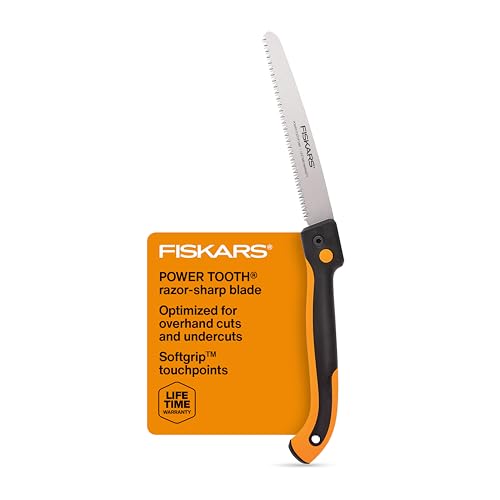
Fiskars 10″ Folding Pruning Saw Dual Position Locking Blade
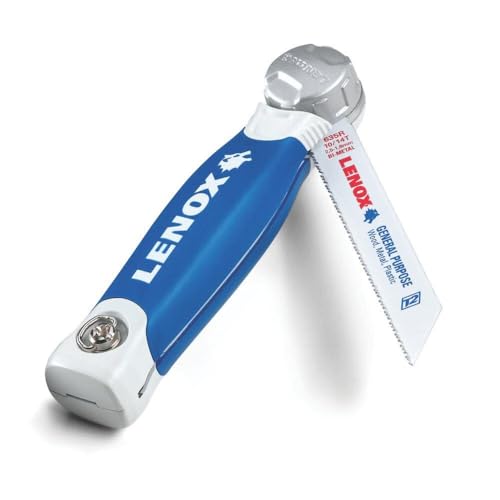
LENOX Tools Folding Jab Saw (20997TFHS618636)

Craft911 11 Inch Heavy Duty Pruning Saw Triple-Cut SK5 Blade

Craft911 14 Inch Heavy Duty Pruning Saw Triple-Cut SK5 Blade
A Closer Look At Each Pick
SOG built this one around longevity rather than flash. The high-carbon steel blade comes out of the handle, so a dulled or damaged edge becomes a swap instead of a whole new purchase. At 17.25 inches open with an 8.25-inch blade, it splits the difference between packability and real cutting capacity.
The black powder coating resists rust through wet trips, and owners commonly report the soft TRP grip staying comfortable during longer limbing sessions. Differentially tempered teeth hold their bite in both hard and green wood, which matters more than raw size in mixed timber.
A Favorable Mix
- Removable high-carbon steel blade keeps long-term ownership cheap and simple
- Powder coating shrugs off moisture on multi-day trips
- Teeth handle hardwood and green limbs without clogging badly
- Folded length tucks into most pack lids or truck door pockets
Things To Consider
- Powder-coated finishes tend to show scratches after heavy contact with dirt and bark
- You may find the 8.25-inch reach slow on branches much past wrist thickness
Key Specs
Who It Suits Best
Backpackers and camp cooks who want a dependable mid-size saw they can maintain for years rather than replace each season.
Where Another Pick Suits Better
Garden-focused users cutting thick ornamental branches will get faster results from the Fiskars 10″ Folding Pruning Saw’s dual-position lock.
Where the SOG leans toward camp duty, this Fiskars is happiest in the yard. Its triple-ground teeth, sharpened on three faces per tooth, pull aggressively through green branches, which is exactly the material you face after a storm or during seasonal pruning.
The dual-position lock is the feature worth understanding: the blade seats in two open angles, letting you cut overhand from above or undercut from below while keeping full power behind each stroke. That flexibility saves awkward body positions when working under low limbs, something a single-angle folder can’t match.
Notable Gains
- Triple-ground geometry bites fast into living wood
- Two lock positions suit both overhead and flush-under cuts
- Non-slip grip stays secure with sweaty or gloved hands
- 10-inch blade clears thicker branches than most pocket folders
Small Caveats
- Blade isn’t user-replaceable, so worn teeth mean replacing the tool
- Resin buildup from sappy species needs occasional cleaning to keep cuts smooth
Made For
Homeowners and gardeners who prune regularly and want an aggressive, comfortable saw that lives in the garage between jobs.
Not Your Match When
Anyone needing field-repairable gear may prefer the SOG Folding Camping Saw 8.25″ Black Powder Coated Blade and its swappable blade system.
This one plays a different game entirely. A jab saw, sometimes called a drywall or keyhole saw, starts cuts by plunging the tip straight into sheet material, then works flush against surfaces where a round-blade folder can’t reach. LENOX designed it for job-site gaps: flush-cutting tasks or moments when no hacksaw is nearby.
Two details separate it from the others here. The die-cast aluminum handle holds a standard reciprocating saw blade, so your spare recip blades become spares for this tool too. An aluminum locking mechanism keeps that blade seated during use, addressing the wobble complaints common to cheap folders.
Where It Delivers
- Accepts standard reciprocating saw blades for easy swaps
- Aluminum lock prevents blade movement mid-cut
- Rubberized overmold gives a firm, controlled grip
- Dies-cast aluminum body suits flush-cutting work
Honest Caveats
- Fine-tooth jab blades aren’t meant for green firewood or thick limbs
- It’s a niche tool; most campers won’t use its specialty cuts
Right Fit For
DIYers, remodelers, and tradespeople who need a pocketable backup saw for drywall, paneling, and flush trims.
A Better Fit Elsewhere
For actual survival and bushcraft cutting, the Craft911 11 Inch Heavy Duty Pruning Saw Triple-Cut SK5 Blade is purpose-built for wood.
SK5 is a Japanese high-carbon spring steel known for holding an edge under hard use, and Craft911 builds its whole blade from it. The 7 TPI rating means seven teeth per inch, a coarse spacing that clears chips quickly and pulls hard through green wood instead of binding in wet fibers.
An 11-inch blade gives you noticeably more stroke than the SOG’s 8.25 inches, which translates to fewer passes per branch. In our view, that makes this the sweet spot for anyone splitting time between camp chores and backyard trimming without wanting to spend premium-tool money.
Everyday Advantages
- SK5 high-carbon steel holds sharpness through repeated hardwood cuts
- Coarse 7 TPI teeth clear green wood fast with minimal binding
- 11-inch reach speeds up branch work versus smaller folders
- Covers tree trimming, gardening, and camp firewood in one tool
Worth Noting
- Aggressive teeth demand steady technique; slips leave deep marks
- Owners suggest drying and lightly oiling the bare blade before storage
Feature Snapshot
Who Will Love This
Bushcrafters and weekend gardeners who want maximum cutting performance per dollar spent.
Skip It When
Users tackling trunk-thick rounds should step up to the Craft911 14 Inch Heavy Duty Pruning Saw Triple-Cut SK5 Blade for extra reach.
Same steel, same triple-cut grind, same coarse 7 TPI pitch as its 11-inch sibling above. The difference is pure reach: three additional inches of blade turn this from a branch saw into a legitimate firewood processor, able to bite into diameter that forces smaller folders into slow, cramped strokes.
The trade-off shows up in portability. Folded, it’s bulkier in a daypack, so backpackers counting ounces may grumble. Base camp, homestead work, and vehicle-stored emergency kits are where the extra length pays for itself, cutting session times down meaningfully on thick stock.
What Stands Out
- 14-inch blade handles large-diameter limbs and small logs
- Identical proven SK5 and 7 TPI cutting package as the shorter model
- Longer stroke reduces fatigue on extended cutting sessions
- Sensible fit for truck kits and base-camp tool rolls
Points To Note
- Heavier folded footprint eats pack space on ultralight trips
- Like any bare high-carbon blade, it wants a wipe-down after wet use
At A Glance
The Right Fit
Homesteaders, landowners, and car campers who process real volumes of wood and store tools in a vehicle rather than a backpack.
Swap It Out When
Ultralight hikers should drop back to the SOG Folding Camping Saw 8.25″ Black Powder Coated Blade for a lighter load.
What Matters Most Before Choosing Folding Saws For Survival
Match The Blade To Your Wood
Tooth pitch decides everything about how a saw feels in hand. Coarse patterns around 7 TPI tear through green branches fast but leave rough edges, while finer teeth cut slower and cleaner in dry, dense stock. Most survival scenarios involve wet, living wood, which is why the coarse-toothed picks dominate this list.
Steel And Coating Decide Lifespan
High-carbon steels such as SK5 take and hold a sharp edge better than softer alloys, but they rust if stored damp. Powder coatings add corrosion resistance at the cost of some surface finish over time. Either way, a ten-second wipe-down after rain is the cheapest insurance you’ll ever give a tool.
Size Versus Pack Weight
An 8-inch blade disappears into a pack lid; a 14-incher processes firewood twice as fast. Honest question to ask yourself: does this saw ride in a backpack every trip, or live in a truck bed until needed? Your answer picks the right length automatically.
Lock Quality Is Safety
A folding blade that rocks under pressure is worse than useless. Look for positive locks, ideally metal mechanisms, and check how solidly the blade seats before trusting it with two-handed force.
Key Considerations Across These Picks
Traps First Timers Fall Into
The classic error is buying a fine-tooth pruning saw expecting it to fell timber, then blaming the tool. The second is ignoring storage: stashing a bare high-carbon blade wet in a sheath invites rust within weeks. A third slip is assuming all folding joints are equal; plastic latches loosen far sooner than aluminum ones under repeated torque.
What Separates Premium From Basic
Higher-tier designs spend money where it counts: replaceable blade systems like SOG’s, hardened tooth geometries, and overmolded grips that survive cold mornings. Budget folders often cut fine out of the box but dull faster and offer no repair path. Pay up once you know you’ll use the saw monthly rather than yearly.
Frequently Asked Questions
Can a folding saw really handle survival tasks?
Yes, within reason. A quality 10 to 14-inch folder processes branches, shelter poles, and firewood effectively, though it won’t replace an axe for splitting.
How often should the blade be sharpened?
With occasional home use, a season or two between touch-ups is typical. Heavy weekly cutting shortens that considerably.
Are these saws safe to carry in a pack?
Folded and locked, yes. Confirm the blade seats fully closed before packing, since a partially open blade is the main injury risk.
What does TPI mean on a saw?
TPI stands for teeth per inch. Lower numbers like 7 mean larger, more aggressive teeth suited to soft, green wood.
Can I use a pruning saw on dry lumber?
You can, but expect slower progress and rougher cuts. Fine-tooth saws are the better choice for seasoned dimensional lumber.
Closing Thoughts
Every saw here earns its spot for a specific person. Campers who value serviceable gear will lean toward the SOG, yard workers toward the Fiskars, and wood-heavy users toward whichever Craft911 length matches their loads. Pick based on where the saw will actually live and what it will actually cut, not on spec sheets alone. That simple framing usually leads you right.