A good folding saw disappears into a pack or glovebox until the moment a storm drops a limb across your driveway or a campfire needs splitting down to size. That’s the whole appeal of this category: serious cutting power that folds flat and stays out of your way. The five options below cover different jobs, from trail limbing to drywall work, so you can match the tool to what you actually cut.
An Overview Of The Picks

SOG Folding Camping Saw 8.25″
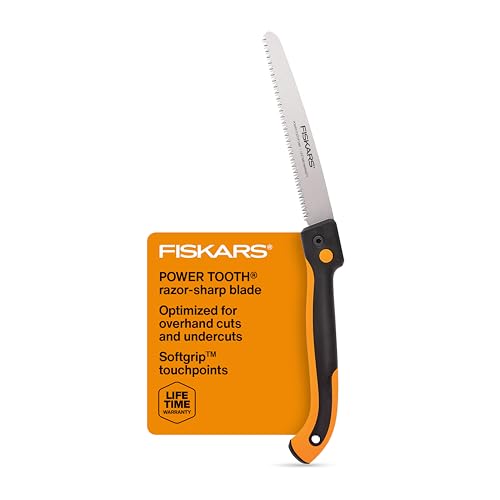
Fiskars 10″ Folding Pruning Saw
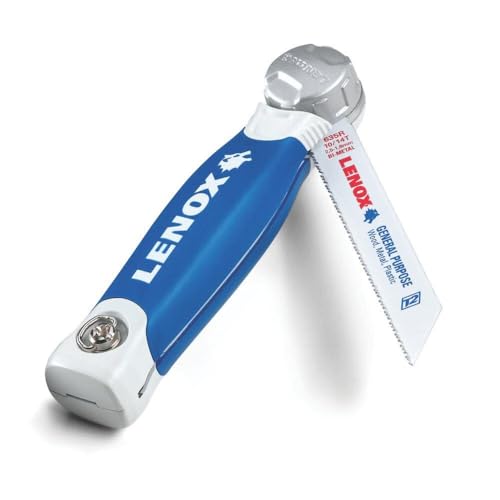
LENOX Folding Jab Saw

WixiTool Folding Pruning Saw Orange

Craft911 Folding Camping Saw 11 Inch
Meet The Standout Selections
SOG built this one around a removable high-carbon steel blade with a black powder coating, which is a finish baked onto the metal to slow rust. That matters more than it sounds: a saw that lives in a damp truck bed or a wet tent vestibule will corrode fast without protection.
The teeth are differentially tempered, meaning they’re heat-treated harder than the blade body so they hold an edge through green wood and seasoned hardwood alike. At 17.25 inches fully open, it reaches branches most pocket folders can’t touch, yet the soft TRP handle keeps your hand comfortable during long limbing sessions.
What Pays Off
- Powder-coated steel shrugs off moisture, so storage in humid garages is less stressful
- Differentially hardened teeth stay sharp longer on abrasive hardwood
- Replaceable blade design means the whole tool isn’t scrap when the edge finally wears out
- Nearly a foot and a half of cutting reach handles limb diameter that smaller folders struggle with
Points To Keep In Mind
- The full-length size won’t fit small jacket pockets; plan on pack or vehicle carry
- Powder coating on the teeth area tends to wear off with heavy use, so a light oil wipe after wet trips is smart maintenance
Key Specs
Who Will Love This
Backpackers, hunters, and overlanders who need real reach and rust resistance in a tool that rides along season after season.
A Better Fit Elsewhere
Shoppers who mostly prune yard trees from the ground will get more control from the Fiskars 10-inch folding saw and its dual-position lock.
Where the SOG leans expedition, this Fiskars is a yard worker’s tool through and through. The triple-ground blade has teeth sharpened on three faces, which bites aggressively into thick branches instead of skating across bark the way cheaper single-grind teeth sometimes do.
The standout detail is the dual-position lock. The blade secures at two different open angles, so you can set it shallow for an undercut beneath a limb, then re-lock it straight for a top-down stroke. Anyone who’s fought a folding saw that wants to fold mid-cut will appreciate how much confidence a solid lock adds overhead.
Notable Gains
- Triple-ground teeth pull through dense branch wood with noticeably fewer strokes
- Two locking positions let you match the blade angle to undercuts or overhead cuts
- Non-slip grip stays secure with gloves on or hands slick with sap
- Ten inches of blade suits the 2-to-4-inch limbs most homeowners actually face
Small Caveats
- Blade isn’t advertised as replaceable, so a badly dulled edge likely means a new saw
- Folding mechanism benefits from an occasional drop of oil where grit collects
Made For
Homeowners and gardeners doing seasonal tree trimming who want controlled, confident strokes without climbing a ladder.
Swap It Out When
For camp use where corrosion resistance and a swappable blade matter more, the SOG Folding Camping Saw 8.25″ is the stronger companion.
A jab saw, for anyone new to the term, is the pointed blade electricians and drywallers plunge into wallboard to cut outlet openings. This LENOX folds the concept into something that slips into a nail pouch without snagging your pocket, and its die-cast aluminum body handles flush-cutting jobs where a hacksaw would be awkward.
The clever bit is the interchangeable handle, which accepts a standard reciprocating saw blade. An aluminum locking mechanism keeps the blade seated during aggressive strokes. In our view, that flexibility makes it a quiet problem-solver: one handle, multiple blades, less weight on the belt.
Reasons It Performs
- Aluminum lock prevents blade pull-out when you’re bearing down on drywall
- Holds standard reciprocating saw blades, so replacements are easy to find anywhere
- Folds flat enough for a tool pouch without poking through fabric
- Die-cast aluminum construction suits flush cuts where bulkier saws can’t reach
Worth Noting
- It’s a tradesman’s cutter, not a branch saw; green wood performance falls well short of the Fiskars
- Blade changes mean carrying spares if your work spans several materials in a day
Feature Snapshot
Right Fit For
Electricians, remodelers, and DIYers running wire or cutting drywall openings who want a pouch-friendly folder rather than a fixed jab saw.
Another Choice May Suit
Trail and firewood users should look past this one toward the Craft911 11-inch saw, whose SK5 blade is made for living wood.
This orange-handled WixiTool covers the basics honestly: a manganese steel blade with staggered teeth, sized for PVC, bone, timber chunks, and branches. Manganese steel is a tough alloy that resists chipping, which helps when you’re prying through knotty wood or the occasional plastic pipe in the garden bed.
The handle is where it earns its keep. A rubber coating over a polymer core extends further up the grip than many rivals, giving you purchase in rain, snow, or sweaty summer humidity. Owners commonly report the bright housing color is genuinely useful too; leave it in leaf litter and you’ll still spot it instantly.
Where It Delivers
- Long rubberized grip keeps control steady in wet or cold conditions
- Staggered tooth pattern starts cuts cleanly on both bark and smooth PVC
- Handles wood, plastic, and bone, making it a genuine multi-material backup tool
- High-visibility color means fewer lost-tool moments in tall grass
Things To Consider
- Fit and finish sit below the Fiskars; expect slightly rougher action on the fold
- No manufacturer blade-replacement program is mentioned, so longevity depends on how gently you cut
Whose Shelf It Belongs On
Occasional gardeners and hikers who want a dependable spare saw without committing to premium pricing.
Reach For A Different Pick When
Anyone felling thick limbs regularly will find the Craft911 11-inch saw’s larger blade far less tiring per cut.
This is the biggest blade in the lineup, and it behaves like it. Craft911 pairs an 11-inch SK5 high-carbon steel blade, a Japanese-grade alloy known for holding a hard edge, with triple-cut razor teeth set at 7 TPI. TPI stands for teeth per inch; seven is coarse, which means each stroke removes more wood but leaves a rougher finish. For firewood and bushcraft, that trade is exactly right.
Compared with the WixiTool above, every stroke here moves noticeably more material, and the extra inch of blade opens up limb diameters the others hesitate at. You may find it overkill for light rose-bush duty, though; this tool wants real work.
Everyday Perks
- SK5 carbon steel holds its edge through repeated hardwood sessions
- Coarse 7 TPI spacing clears chips fast, so long cuts feel quicker
- Eleven-inch blade reaches branch sizes suited to shelter building and firewood prep
- Curved-blade geometry pulls into the cut, reducing wrist strain on pull strokes
Less Ideal Details
- Carbon steel needs drying and a light oil film after wet weather, or surface rust shows up quickly
- The large folded profile takes more pack room than the SOG or the WixiTool
Core Details
Who Should Grab It
Bushcraft practitioners, homesteaders, and camp cooks processing their own firewood who want maximum bite per stroke.
Not Your Match When
Light-duty gardeners trimming ornamental shrubs are better served by the gentler Fiskars 10″ Folding Pruning Saw.
Choosing Well: What Separates A Good Folding Wood Saw From A Drawer Filler
Match The Blade To Your Wood
Green, sappy branches demand coarse teeth with deep gullets that clear wet fibers without binding. Seasoned hardwood rewards harder steel and finer geometry. Check the stated tooth configuration before anything else, because a saw tuned for drywall will frustrate you in a cedar thicket.
Lock Quality Decides Everything
A folding saw lives or dies by its hinge lock. Under load, a loose mechanism lets the blade drift or snap shut near your fingers. Dual-position locks, like Fiskars offers, add another layer of control for angled cuts. Test the play in the joint mentally before trusting any model overhead.
Handle Comfort Over Long Sessions
An hour of pruning exposes every pressure point in a cheap grip. Rubber-over-polymer handles, like WixiTool’s extended design, absorb vibration and keep traction in rain. Glove users should favor deeper finger channels rather than slim profiles.
Carry Reality
Measure the folded length against your actual pack or pouch. A 17-inch-open saw like the SOG folds compactly relative to its reach, while bigger bushcraft blades sacrifice some portability for cutting capacity.
Key Considerations Across These Picks
Wrong Turns To Avoid
The classic mistake is buying on blade length alone and ignoring tooth pitch. A fine-toothed saw on green wood clogs within minutes. Another trap: skipping the maintenance question entirely. Carbon steel blades need wiping and oiling after wet trips, and ignoring that shortens any saw’s life.
Why Top Tier Costs More
Higher-priced models pay for metallurgy and machining. SK5 or differentially tempered steel holds an edge two to three times longer than basic alloys in demanding cuts. Add replaceable blades, dual-position locks, and refined ergonomics, and the upgrade pays back over seasons of regular use rather than weekends.
Frequently Asked Questions
Can a folding wood saw replace a chainsaw?
For limbs under about four inches and occasional firewood, yes, comfortably. Anything beyond that calls for powered equipment, both for speed and safety.
How do I keep the blade from rusting?
Wipe it dry after each wet outing and apply a thin coat of light machine oil. Storing it in a ventilated pouch beats leaving it sealed in a damp pack.
Are replacement blades widely available?
Only for models designed around them, such as the SOG and the LENOX. Fixed-blade folders generally require replacing the entire saw once dull.
What does TPI mean on a saw?
It’s teeth per inch, a measure of tooth density. Lower numbers like 7 TPI cut faster and rougher; higher numbers cut slower with a cleaner finish.
Is a curved blade better than a straight one?
Curved profiles excel at pull-stroke pruning because the arc draws the teeth into the wood. Straight blades suit push cuts and flush work better.
Wrap Up
Your best choice comes down to honest self-assessment. Campers and trail users get lasting value from the SOG’s coated, replaceable blade, while weekend pruners will be happiest with the Fiskars’ dual-position control. Tradespeople should grab the LENOX, budget-conscious gardeners the WixiTool, and anyone processing serious firewood the Craft911. Match the saw to the wood you actually cut, and it’ll serve you for years.