A dull pruner tears stems instead of cutting them clean, and a ragged mower blade leaves your lawn looking bruised by July. The fix costs less than a bag of fertilizer and takes minutes per tool. This roundup covers five sharpeners built for garden work: pocket-sized diamond stones for hand tools, a combo kit that handles everything from axes to loppers, and a cordless option aimed squarely at mower blades. Each one suits a slightly different shed.
The Choices Worth Comparing

Honoson Folding Diamond Sharpener 2 Pack

Portable Garden Tool Sharpener for Shears and Pruners

SHARPAL Pocket Knife & Garden Tool Combo Pack
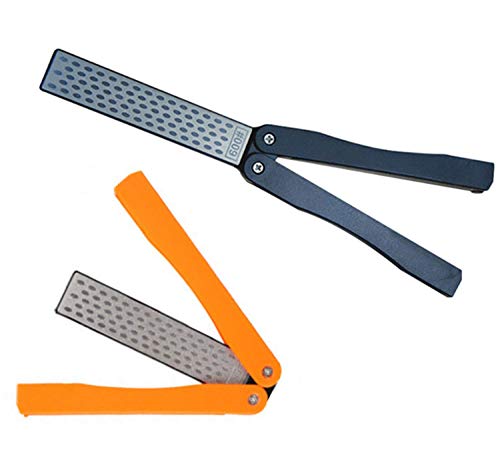
XILEWHZF 400/600 Grit Double-Sided Diamond Stone 2 Pcs
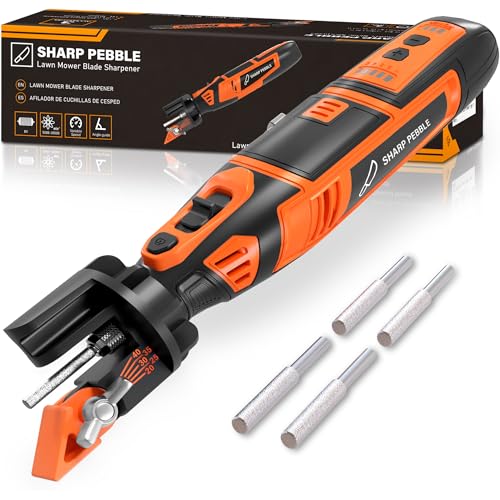
Sharp Pebble Cordless Lawn Mower Blade Sharpener Kit
More Details On Our Top Picks
The folding format is the whole appeal here. Closed, each unit slips into a jacket or apron pocket; opened, it gives you a stable handle to run along a bevel without knuckles near the edge. Getting two in one pack means one can live in the garage while the other rides in a tool bag.
The working surface is diamond abrasive, which cuts faster than traditional whetstones because the grit stays exposed instead of glazing over. For most garden tasks like reviving pruners mid-season, that speed matters more than mirror polish.
Positive Takeaways
- Folds flat, so it stores where you actually keep tools rather than on a shelf
- Diamond surface hones knives, scissors, and shears with quick passes
- Lightweight enough to carry between beds during a pruning session
- Two-pack setup lets you dedicate one to dirty garden tools and one to kitchen blades
Things To Consider
- Single grit means heavy reprofiling of badly chipped edges will feel slow; wipe the surface after oily use so it keeps cutting
Who It Suits Best
Casual gardeners who want a spare sharpener always within reach, without committing much money.
Another Choice May Suit
The XILEWHZF double-sided stone below fits anyone who wants coarse and fine grits on a single unit instead of buying two separate folders.
Generic stones treat hedge shears like an afterthought. This one is marketed directly at them, alongside scissors and pruners, which shapes how it’s meant to be used: short, controlled strokes along the factory bevel while the tool sits clamped or held steady. Anyone who has fought a long hedge row with dragging blades knows why that focus matters.
Because it’s handheld and portable, it works at the job site rather than back at the bench. You may find that convenience outweighs the lack of published grit specs, since touch-ups rarely need precision anyway.
A Favorable Mix
- Designed around the exact blade types gardeners sharpen most often
- Small enough to keep in a holster or bucket caddy between uses
- Straightforward technique, no jig or clamp required for routine touch-ups
Worth Noting
- The listing provides limited manufacturer detail on grit and materials, so buyers who like documented specs should look elsewhere
- Handheld sharpening leaves edge angle partly up to your wrist, which takes a few sessions to get consistent
Made For
Homeowners with hedges and shrubs who do their own trimming and prefer a dedicated tool over a general-purpose stone.
Where A Sibling Pick Shines
The SHARPAL combo pack below serves people whose sharpening needs stretch beyond shears into axes, mower blades, and serrated knives.
This is the pick for sheds full of different tools. The bundle pairs two sharpeners: a compact six-in-one pocket unit with survival-tool extras, and a larger all-in-one sharpener built around mower blades, axe heads, pruners, and loppers. Between the two, single-bevel and double-bevel edges are both covered, including serrated knife teeth, which most basic stones simply cannot reach.
The honest read is that neither piece is specialized depth; they’re breadth plays. Still, for a homeowner maintaining a mixed inventory of edged tools, one purchase covering nearly everything beats three narrow ones. A greeting card is included too, which makes this an easy gift for the gardener in your life who claims they “already have everything.”
Well-Handled Touches
- Handles straight and serrated edges, plus gut hooks and fishhooks
- Larger unit targets thick blades like axes and machetes that defeat small stones
- Two-piece set splits naturally between pocket carry and bench use
- Greeting card makes it gift-ready out of the box
Small Caveats
- Owners commonly report the pocket unit’s added survival features go unused, adding bulk for purists
- Breadth over depth means very worn edges may still need a coarser starting stone
Right Fit For
Property owners juggling mowers, axes, loppers, and knives who want a single purchase to cover all of them.
Swap It Out When
The Sharp Pebble cordless sharpener later in this list is the better match for anyone whose main dull-blade problem is the mower specifically.
Grit numbers tell you what a stone actually does, so here’s the quick version: lower numbers cut more metal faster. The 400-grit face sets an edge on a neglected blade; flip to the 600 side and it refines that edge toward a cleaner finish. Having both faces on one handheld body removes the fumbling that comes with swapping stones mid-task.
Unlike the Honoson folder earlier in this list, these stones run dry or with water only, no honing oil needed. Cleanup is a rinse and a wipe. Two units ship together, and the honeycomb-patterned diamond surface is designed to clear swarf as you work so the abrasive keeps biting.
The Upside
- Coarse-to-fine progression in a single palm-sized tool speeds up full sharpenings
- Works dry or with water, skipping oil entirely
- Honeycomb diamond face resists glazing compared with conventional stones
- ABS handles keep weight down during longer sessions
- Two pieces cover both a fixed station and a mobile kit
Points To Note
- Small contact area means wide mower blades take patience; rinse and dry after wet use to protect the plating
Key Specs
Best Suited To
Tidy-minded owners who want a defined two-step sharpening process for both kitchen knives and garden steel.
Skip It When
Anyone focused purely on mower maintenance gets more value from the Sharp Pebble cordless kit reviewed next.
Every other item here treats the mower as one blade among many. Sharp Pebble built a whole kit around it, and the headline feature changes the chore completely: many standard residential blades can be touched up right on the machine, no removal, no jack stands, no wrestling with a bolt that hasn’t moved since 2019. Routine passes run a few minutes per blade according to the maker.
Cordless operation means you’re not tethered to an outlet near the garage door. Heavily worn or nicked edges are a different story; those benefit from pulling the blade and doing slower, more careful work, ideally with a bench setup. In our view, this kit earns its spot as a seasonal ritual tool: run it twice a season and your cut quality stays noticeably cleaner.
Everyday Advantages
- On-mower sharpening skips disassembly for routine touch-ups
- Cordless design lets you work anywhere the mower sits
- Extends blade life between replacements, which adds up across seasons
- Complete kit format means nothing extra to source before starting
Factors To Consider
- Badly damaged blades need removal anyway, so this complements rather than replaces bench sharpening
- Always disconnect the spark plug or battery before any blade work; safety comes first regardless of the tool
Product Snapshot
Who Will Love This
Suburban homeowners with a push or riding mower who would rather spend ten minutes twice a year than buy replacement blades.
Consider Something Else When
Hand-tool gardeners with zero mower duties should stick with the SHARPAL combo pack or the XILEWHZF stone instead.
What Actually Matters When Choosing Garden Tools Sharpeners
Match The Abrasive To Your Blades
Diamond abrasives cut fast and stay flat, which suits hard modern steels and impatient weekend schedules. Conventional stones cost less but glaze over with use and need flattening. For garden tools, which live rough lives anyway, diamond surfaces tend to be the practical default.
Grit Is The Real Spec To Read
Coarse grits (around 400) remove metal quickly and rescue chipped edges. Finer grits (600 and up) refine that edge until it slices cleanly. Single-grit tools handle touch-ups fine; dual-grit designs let you complete a full restoration without buying anything else.
Portability Versus Bench Work
Folding and pocket sharpeners travel to the tool, which encourages frequent light maintenance. Larger kits suit deliberate seasonal sessions at a workbench. Most gardeners honestly need both behaviors, so consider where your dull tools usually get noticed: mid-task in the yard, or when you pull them out in spring.
Think About Your Full Inventory
Serrated kitchen knives, mower blades, and axe heads each demand different geometry. A dedicated mower sharpener or a multi-function combo pays off once your list of dull things grows past two or three categories. Buying narrowly saves little if you end up purchasing again next month.
Key Considerations Across These Picks
Traps First Timers Fall Into
The classic error is buying on price alone and ending up with a single-grit stone that can’t repair a chipped pruner. Another common miss: ignoring whether the sharpener handles serrations or thick axe steel. Check the blade types first, then compare grit coverage, then worry about size.
What Separates Premium From Basic
Higher-tier kits add purpose-built geometry, like on-mower blade access or dedicated serration rods. That specialization costs more upfront but saves real time on the specific jobs you do repeatedly. Generalists stay cheap; specialists earn their premium through fit.
Frequently Asked Questions
How often should garden tools be sharpened?
Pruners and shears benefit from a light touch-up every few weeks during heavy growing season. Mower blades typically need attention once or twice per season depending on lawn size and debris.
Do diamond sharpeners need oil?
No, diamond plates work dry or with plain water. Oil can actually trap metal particles and reduce cutting efficiency on these surfaces.
Can one sharpener handle both knives and shears?
Most handheld diamond stones can, since both use similar straight bevels. Serrated edges and very thick blades need dedicated features, so check compatibility before assuming.
Is a coarse or fine grit better for beginners?
A dual-grit tool is the safest start because it covers both repair and finishing in one purchase. Beginners often ruin edges by overusing coarse grit alone.
Can I sharpen a mower blade without removing it?
Yes, with a cordless sharpener designed for on-machine access and standard residential blades. Severely nicked or bent blades should come off for proper inspection and repair.
Closing Thoughts
Your tools already told you what they need: the pruner that crushes stems, the mower that tears grass tips brown. Match the sharpener to the worst offender in your shed and start there. A dual-grit stone covers most hand tools, the SHARPAL combo handles a mixed collection, and Sharp Pebble owns the mower niche. Whichever direction fits, sharper edges make every gardening session easier than the last one.