


Stained glass work lives or dies on clean edges. A rough grind leaves chips that catch light the wrong way and foil that won’t sit flat, which is why the right grinder setup matters more than most beginners expect. This roundup covers a compact starter machine, a hand tool that protects your fingers, coolant, replacement bits, and a heavier-duty option for serious studio time. Whether you’re fitting pieces in a spare room workshop or teaching a class, one of these will match how you actually work.
The Leading Options At A Glance

Gryphon Gryphette Glass Grinder

ASG Nick’s Grinder Mate for Glass Grinding

Novacan Grinder Coolant, 8 oz
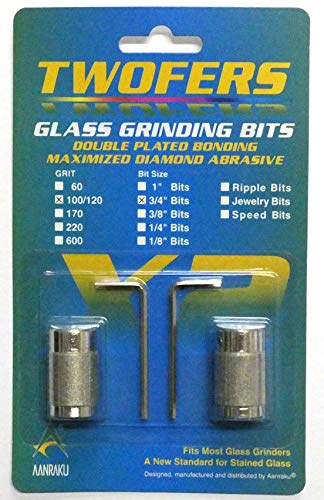
Aanraku Twofers 3/4 Inch Grinder Bits, Pack of 2

Inland Craft WizCG Precision Stained Glass Grinder
What Each Pick Brings To The Table
The Gryphette takes up about as much bench space as a small kitchen appliance, yet it houses a DC motor with enough torque to keep turning through 1-inch diamond bits without stalling. That combination of small footprint and steady power makes it a natural fit for a corner desk, an apartment table, or a classroom cart.
For occasional artists, the honest appeal is simplicity. There’s no learning curve to speak of, and the low entry cost means you can start foiling and soldering sooner rather than later. Students who grind a few panels a month will likely never feel limited by it.
The Value In It
- Compact housing fits crowded benches and small studios without crowding out your cutting surface.
- The DC motor holds its speed under load, so edges stay even even when you lean into a wide curve.
- Handles standard 1-inch diamond bits, giving you full-size grinding capability in a smaller body.
- A protection plan option covers accidental drops, spills, and breakdowns, useful in shared classroom settings.
- Claims support runs around the clock, which matters when a project deadline is close.
Small Caveats
- Occasional users report the small reservoir needs more frequent water changes during long sessions than larger machines require.
- Artists grinding thick architectural glass every day may eventually want more capacity than this size offers.
Key Specs
Built With In Mind
Beginners, students, and hobbyists who finish a handful of projects each season and want dependable results without a large investment.
Where A Sibling Pick Shines
Anyone running daily production work should look at the Inland Craft WizCG instead, since its dual-bit setup and higher torque suit sustained studio hours far better.
Every stained glass worker knows the feeling of easing a small piece toward a spinning bit with bare fingertips. The Grinder Mate replaces that white-knuckle grip with spring-loaded rubber jaws that hold the glass while your hands stay clear of the head.
It’s a simple idea executed well. The jaws adjust to different glass thicknesses, and the open handle spacing leaves room for your fingers to maneuver rather than forcing an awkward clamp position. Compared with buying a second machine, this is the cheapest way to upgrade safety and accuracy at once.
What Stands Out
- Rubber-jawed grip holds pieces firmly, so slivers and small mosaic tesserae stop slipping mid-grind.
- Keeps fingertips and nails away from the spinning diamond bit, which matters most on narrow strips.
- The wide base squares the glass against the grinder head, producing cleaner right-angle edges.
- Spring-loaded hinge accommodates a range of glass thicknesses without fiddly adjustments.
Points To Note
- It’s an accessory, not a grinder, so you’ll still need a machine like the Gryphette before this earns its keep.
- Very tiny pieces can still be awkward depending on jaw opening, according to commonly reported user feedback.
- Resin buildup from grinding slurry collects on the rubber over time and wipes down after sessions.
Who Should Grab It
Foil method workers and mosaic artists handling lots of small, sharp pieces who want faster, safer grinding without changing machines.
Another Choice May Suit
Artists working mostly with large panel sections may find the Aanraku Twofers bit pack more useful, since big pieces rarely need finger protection but do burn through bits.
Diamond bits are the consumable cost nobody budgets for until they’re replacing them monthly. Novacan’s coolant addresses that directly: four capfuls into the reservoir each water change keeps bits cooler and cleaner, which stretches their working life noticeably.
The non-toxic formulation is the detail that sets it apart. Schools and community studios can run it without ventilation worries, and home users grinding in a shared living space get the same peace of mind. An 8-ounce bottle lasts a long while at these dilution rates.
What Makes Sense
- Additive dosing is straightforward: four capfuls per reservoir change, no measuring equipment needed.
- Cooler-running bits cut faster and wear slower, saving money across a year of regular grinding.
- Non-toxic mix suits classrooms and institutions where student safety rules are strict.
- The small bottle stores easily beside the machine without taking over your supply shelf.
Things To Consider
- You must remember to dose it at every water change, since plain water gives none of the benefit.
- It’s a maintenance product only, so pair it with a machine such as the Inland Craft WizCG to see any real effect.
The Right Fit
Owners of any water-fed grinder who want longer bit life, especially teachers and studio managers running multiple machines weekly.
Swap It Out When
If your bottleneck is worn bits rather than maintenance habits, the Aanraku Twofers two-pack delivers fresh cutting surfaces immediately instead.
A dull bit doesn’t announce itself; it just starts chipping edges and slowing you down until you realize what changed. Keeping a spare set on the shelf removes that downtime entirely, and this two-pack of 3/4-inch standard-grit bits does exactly that.
Aanraku bits have a long-standing reputation among mosaic and foil workers for smooth, chip-free grinding on art glass. The 3/4-inch diameter is the general-purpose size most grinders ship with, so these drop straight onto the shaft of machines like the Gryphette or WizCG without adapters.
Points In Its Favor
- Two bits per package mean one stays sharp while the other works, eliminating mid-project interruptions.
- The 3/4-inch standard size fits most common grinder shafts, so compatibility is rarely a question.
- Aanraku’s regular grit balances fast material removal with clean edges on typical stained glass thicknesses.
Details To Watch
- Standard grit won’t satisfy artists doing fine detail carving, where finer diamond heads perform better.
- Diamond coating wears with use, and heavy mosaic production shortens bit life considerably regardless of brand.
- Pairing with a coolant additive like the Novacan formula above meaningfully extends how long these stay effective.
Quick Facts
Whose Shelf It Belongs On
Mosaic makers and copper foil artists who grind regularly and want reliable replacements on hand before the old bit dies.
Reach For A Different Pick When
Complete beginners still choosing a first machine should put the budget toward the Gryphon Gryphette itself, which usually includes what you need to start.
Where the Gryphette prioritizes affordability, the WizCG prioritizes versatility. Two diamond bits ship in the box: a 3/4-inch head for broad shaping and a 1/4-inch head for tight interior curves and detail work. Switching between them covers nearly everything a stained glass or lapidary project demands.
The motor delivers 30 oz-in of torque on a 115-volt system, holding steady through dense material. At roughly 7 pounds with rustproof, impact-resistant construction, it moves between studio and workshop without complaint. One thing worth checking first: this unit runs on North American voltage only, so overseas buyers need a different solution entirely.
Well-Handled Touches
- Included dual bits let you move from wide edge shaping to detailed notching without stopping to shop for accessories.
- Strong torque output keeps grinding speed consistent, which shows up directly in smoother finished edges.
- Lightweight, corrosion-resistant build survives damp studio conditions and frequent repositioning.
- The compact weight suits mobile setups, craft fairs, and teaching demonstrations alike.
Trade Offs To Consider
- 115-volt operation limits use to compatible electrical systems; 220-volt regions need another machine.
- Higher-tier pricing puts it beyond casual beginners who’d be well served by the Gryphette.
- Like all water-fed grinders, the reservoir and splash guard need rinsing after dusty sessions to prevent slurry buildup.
Core Details
Made For
Working studio artists and serious hobbyists who grind daily, switch between bit sizes often, and want one durable machine to anchor their bench.
Look Elsewhere When
Weekend hobbyists on a tighter budget will get everything they need from the Gryphon Gryphette, reserving the extra spend for glass and foil supplies instead.
Choosing Between These Machines Without Regret
Match The Motor To Your Workload
Torque ratings tell you how a grinder behaves under pressure. A stall-prone motor bogs down on thick fusible glass and leaves uneven edges, while a steady DC or high-torque unit like the WizCG’s 30 oz-in output keeps cutting consistently. Occasional hobbyists rarely stress a small motor; daily producers absolutely do.
Bits Decide Your Results More Than You Think
The diamond bit is where the machine meets the glass, so grit and diameter shape everything downstream. Standard 100# grit handles general foil work beautifully, while smaller 1/4-inch heads reach inside tight curves. Buying from brands with proven coatings, such as Aanraku, tends to reduce edge chipping on delicate art glass.
Think About Water And Workspace
Every water-fed grinder splashes grinding slurry, a mix of glass dust and water that settles everywhere nearby. Plan for a wipeable surface, a mat underneath, and regular reservoir changes. A non-toxic coolant additive helps here too, particularly in shared rooms or homes with curious pets and kids around the bench.
Smart Points Before You Commit
Traps First Timers Fall Into
The classic mistake is buying a machine without budgeting for consumables. Bits wear out, coolant runs low, and splash guards crack, so a grinder purchase is really a system purchase. Another common slip: ignoring voltage requirements on imported models and discovering the mismatch after delivery.
Where The Extra Money Goes
Higher-priced grinders buy torque, included accessories, and durability. Paying up makes sense once you grind weekly or sell finished pieces, because faster, smoother cuts translate directly into hours saved. Below that usage level, a basic machine serves just as well.
Frequently Asked Questions
Do I really need a dedicated glass grinder?
Yes, ordinary tools can’t shape glass edges cleanly or safely. A diamond grinder produces the smooth fit that copper foil and lead came demand.
How often should I change my grinder’s water?
Change it whenever the slurry turns thick or gritty, typically every session or two. Fresh water keeps bits cutting cool and prevents clogging.
Can one grinder handle both mosaic and stained glass work?
Absolutely, provided you swap bit sizes appropriately. A 3/4-inch standard bit covers most tasks, with smaller heads reserved for detail.
Why does my grinder bit seem dull so quickly?
Running dry or with dirty water accelerates diamond wear dramatically. Adding coolant and keeping the reservoir clean extends bit life considerably.
Is a bigger grinder always better?
Not necessarily, since larger motors mainly benefit heavy daily production. Most hobbyists find a compact machine handles their workload comfortably.
Bottom Line
Your best starting point depends on volume. The Gryphon Gryphette covers beginners and classrooms handsomely, the ASG Grinder Mate and Novacan coolant round out any existing setup, and the Aanraku Twofers keep a spare bit waiting. Studio-level output justifies stepping up to the Inland Craft WizCG. Match the tool to how often you actually grind, and you won’t waste a dollar.




