A ragged lawn edge can undo hours of mowing in a single glance. Whether you’re trimming grass creeping over a walkway or cutting a fresh border along a driveway, the right hand tool makes the job faster and easier on your back. This roundup covers five options across two categories: precision shears for detail work and long-handled edgers for heavier cuts. Each one suits a different yard size, soil type, and stamina level, so read with your own property in mind.
A Fast Comparison Of The Options

JARDINEER Sharp Grass Shears, Handheld Edging Clippers
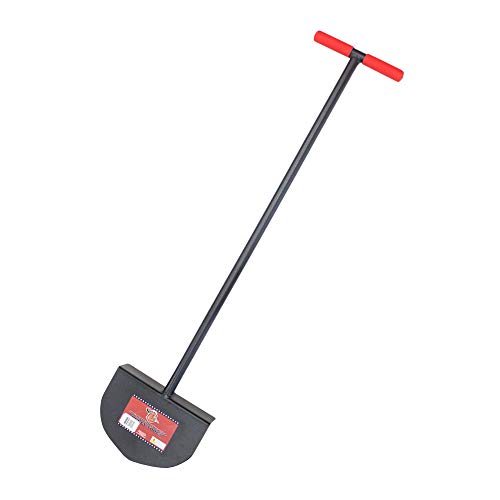
BULLY TOOLS 12-Gauge Manual Lawn Edger, 38-Inch T-Style Grip
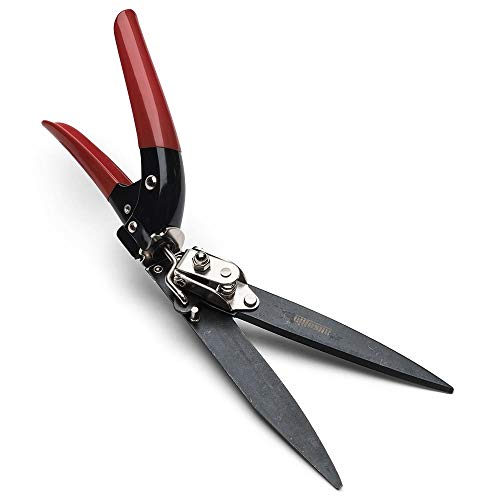
Kings County Tools Grass Shears with Rotating Handle

Root Slayer 22611 Serrated Garden Edger, Red

Root Slayer 22711 XL Serrated Garden Edger, Red
More Details On Our Top Picks
Hand shears like these live in the gap a string trimmer leaves behind: the last inch of grass hugging a patio stone or fence post. The Jardineer keeps things simple, pairing a heat-treated steel blade with an anti-slip grip shaped to spare your wrist during longer sessions.
For most small-to-mid yards, that’s enough. You kneel, snip along the border, and move on without fuel, cords, or noise complaints from next door.
Advantages To Know
- Heat-treated steel holds its edge through repeated trimming seasons, so you sharpen less often.
- A non-stick blade coating helps wet grass slide off instead of gumming up between cuts.
- The lightweight frame and contoured grip reduce wrist fatigue, which matters once you’ve been kneeling for twenty minutes.
- No power source means zero maintenance beyond a wipe-down and occasional oiling.
Worth Noting
- Manual snipping is slow work on long borders; owners commonly report it’s best treated as a touch-up tool rather than a full-edge solution.
- Kneeling is part of the deal, so knee pads are a sensible companion purchase.
Who It Suits Best
Apartment dwellers and small-lot gardeners who want quiet, precise cleanup around beds and hardscape.
Where Another Pick Suits Better
Longer driveways call for the BULLY TOOLS 12-Gauge Manual Lawn Edger, which covers ground standing up instead of on your knees.
Where the Jardineer shears nibble at edges, this edger takes bites out of them. A 12-gauge steel blade (thicker and stiffer than standard sheet steel) drives into turf along sidewalks and beds, and the 38-inch shaft with a T-style grip gives you leverage to push it home without stooping.
Bully Tools builds for commercial crews, and that shows in the heft. Depending on your soil, expect real effort on the first pass of the season, then easier maintenance cuts after that.
Practical Pluses
- The thick-gauge round blade handles sod cutting and shallow trenching, not just cosmetic edging.
- Standing operation spares knees and back compared to handheld clippers.
- All-steel construction shrugs off the rock strikes and curb scrapes that bend cheaper tools.
- Doubles as a trenching spade for landscape lighting wire or drip lines.
Trade Offs To Consider
- Weight and stiffness cut both ways; smaller users may find the swing tiring over a full perimeter.
- Steel blades need a wipe of oil after wet use to prevent surface rust, a routine worth building early.
At A Glance
Right Fit For
Homeowners with long hardscaped borders who want one tough tool for edging, sod removal, and light trenching.
Consider Something Else When
Root-choked beds favor the Root Slayer 22611 Serrated Garden Edger, whose toothed blade saws through obstructions a smooth edge would bounce off.
The trick here lives in the handle. Twist it to 45 or 90 degrees and the blades reorient, letting you reach inside corners and along vertical surfaces without cocking your wrist into an awkward angle. That single feature separates it from the fixed-grip Jardineer shears earlier in this list.
It also pulls double duty as a light hedge shear for shaping small shrubs, so one tool covers two weekend chores.
What Helps Most
- The rotating handle lets you cut flush against walkway edges and fence lines without repositioning your whole arm.
- Corner work, the hardest part of manual edging, becomes noticeably less fiddly.
- Blade geometry suits both grass borders and light shaping of boxwood-style shrubs.
Small Caveats
- The pivot mechanism adds a moving part, so keeping the joint clean and lightly oiled protects the action over time.
- As a hand tool, it shares the same pace limits as any manual shear; large lawns will outgrow it quickly.
Made For
Gardeners with winding bed borders, tight corners, and mixed plantings who value precision over speed.
A Better Fit Elsewhere
Straight, open runs of sidewalk suit the BULLY TOOLS edger better, since its long blade covers distance far faster than any hand shear.
Most edgers stall when they hit a tree root. This one doesn’t, thanks to an inverted V-shaped tip that pierces obstructions instead of skidding off them, plus serrated teeth along the blade that saw through compacted soil and shallow roots. It’s a half-moon edger (the curved blade rocks forward to slice a crisp trench) built for stubborn ground.
The powder-coated carbon steel resists corrosion, and a resin-encased fiberglass shaft with a non-latex grip keeps the tool steady under pressure. In our view, it’s the strongest all-around choice here for rough terrain.
Standout Benefits
- The V-tip and serrations bite into root-filled or clay-heavy soil where flat blades skip and bounce.
- Powder-coated carbon steel stands up to moisture and abrasion season after season.
- Fiberglass shaft construction delivers stability without the rust risk of all-metal handles.
- Fuel-free and quiet, so you can edge early morning without waking anyone.
Points To Keep In Mind
- Serrations hold onto damp soil more than a smooth blade, so a quick knock-clean after each session keeps it efficient.
- Standard shaft height means taller users may still lean; the XL version below addresses exactly that.
Key Specs
Best Suited To
Owners of mature landscapes where tree roots, packed clay, or neglected borders defeat ordinary edgers.
Skip It When
You stand over six feet tall; the Root Slayer 22711 XL offers the same cutting system on a longer shaft built for your posture.
This is the same proven cutting head as the 22611 above, stretched onto an extended shaft. The extra length means tall gardeners stop doubling over every few feet, and the longer lever arm actually improves the downward force you generate with each push.
Everything else carries over: the inverted V tip, the serrated teeth, the powder-coated carbon steel blade. You may find the XL slightly less nimble in tight planting beds, but along open lawn lines that trade barely registers.
A Few Strong Suits
- The extended shaft keeps six-footers upright, turning a back-straining chore into a comfortable stroll-and-cut rhythm.
- Added leverage drives the V-tip through roots with less body weight behind each stroke.
- Identical serrated carbon steel blade means the same root-cutting performance as the standard model.
The Fine Print
- Extra length costs maneuverability in cramped beds and around dense shrubs.
- Storage is the usual long-tool problem; a garage hook beats leaning it against a wall where the blade can get dinged.
Quick Facts
Who Will Love This
Taller gardeners maintaining long lawn borders who want professional-looking edges without the backache.
Reach For A Different Pick When
Detail work around curved beds calls for the Kings County Tools rotating-handle shears, whose pivoting grip handles angles a long-shaft edger simply can’t.
What Matters Most Before Choosing Grass Edging Tools
Blade And Build Material
Carbon steel and heat-treated alloys hold an edge far longer than soft stamped metal, and coatings such as powder coat or non-stick finishes slow rust and grass buildup. Heavier gauge steel resists bending when you strike hidden rocks. The trade-off is weight, so match heft to your strength and yard size.
Handle Length And Posture
This decides whether edging feels like gardening or physical therapy. Long shafts let you work standing, which matters enormously on properties with hundreds of feet of border. Hand shears demand kneeling but reward you with surgical accuracy. Taller users should lean toward extended models to avoid chronic stooping.
Match The Tool To Your Border Type
Smooth, open runs along concrete forgive almost any tool. Rooty, compacted, or clay-heavy ground demands serrated blades and piercing tips. Winding beds with tight corners favor rotating-handle shears. Honest assessment of your soil and layout saves you from owning the wrong category entirely.
Key Considerations Across These Picks
Traps First Timers Fall Into
The classic error is buying a precision shear to tackle a quarter-mile of driveway edge, then burning out by week two. The reverse mistake happens too: hauling a heavy edger into delicate flower beds and slicing irrigation lines. Measure your actual border footage before choosing, and remember that many established yards genuinely benefit from owning one of each type.
Where The Extra Money Goes
Higher-tier tools spend their budget on steel quality, coating durability, and ergonomics rather than gimmicks. A thicker blade gauge, a resin-encased fiberglass shaft, or a rotating handle each add real years of service. Paying up makes sense for large properties and tough soil; modest suburban lots can absolutely start with a budget-friendly hand shear.
Frequently Asked Questions
How often should lawn edges be trimmed?
Most lawns look sharpest with edging every two to four weeks during the growing season. Frequent light passes beat occasional aggressive ones.
Can a manual edger replace a gas-powered one?
For typical residential borders, yes, especially with serrated designs. Very large properties or heavily overgrown edges may justify powered equipment.
Do serrated blades damage concrete or pavers?
No, the teeth are designed for soil and roots. Careless swings can scuff surfaces, so keep the blade angled toward the turf side.
How do I maintain a carbon steel edger?
Knock off soil after each use, wipe the blade dry, and apply a light oil film before storage. Five minutes of care prevents most rust issues.
Are rotating-handle shears harder to use?
Not really; the mechanism locks into position and works like a normal grip afterward. Most gardeners adapt within a single session.
Closing Thoughts
The right choice comes down to your yard’s personality. Small spaces and detail lovers get the most from the Jardineer or Kings County shears, while long hardscaped runs reward the BULLY TOOLS edger’s toughness. Tough soil points straight at the Root Slayer family, sized standard or XL to fit your frame. Whichever direction fits, a sharp blade and a steady routine will keep your borders looking intentional all season.